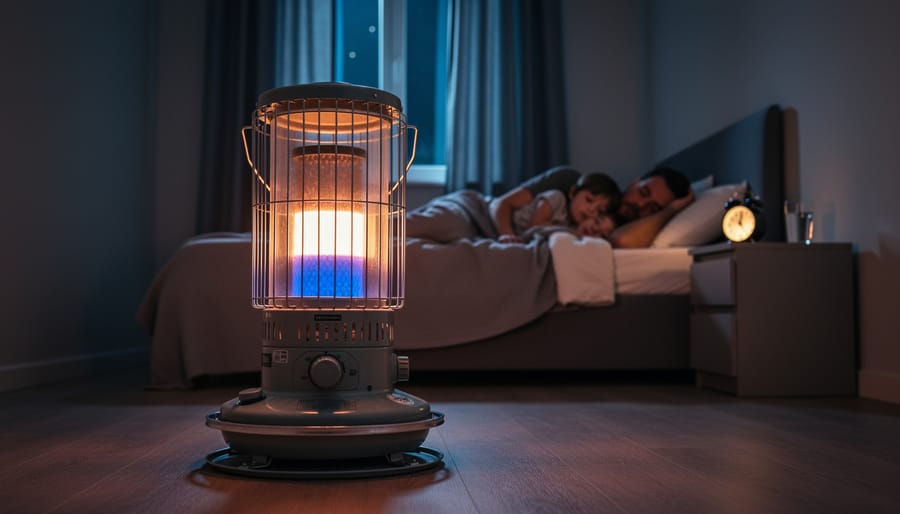


Kerosene heaters provide reliable warmth during power outages and cold winter nights, but they produce carbon monoxide—a colorless, odorless gas that kills without warning. Every year, hundreds of Americans suffer CO poisoning from improper heater use, yet these incidents are entirely preventable when you understand the risks and follow essential safety protocols.
The danger isn’t theoretical. When kerosene burns in an enclosed space without adequate ventilation, carbon monoxide accumulates to dangerous levels within hours. Early symptoms—headaches, dizziness, and nausea—are easily mistaken for flu, which is why many victims don’t recognize the threat until it’s too late. Children, elderly family members, and pets are especially vulnerable to CO exposure.
Here’s what makes this particularly concerning for homeowners: unlike traditional heating systems with external venting, portable kerosene heaters release combustion byproducts directly into your living space. The amount of carbon monoxide produced depends on fuel quality, burner condition, and most critically, the oxygen available for complete combustion. When oxygen runs low in a sealed room, CO production skyrockets.
You don’t have to abandon kerosene heating entirely—it remains a practical solution when used correctly. Understanding proper ventilation requirements, recognizing warning signs, and maintaining your equipment transforms a potential hazard into a safe, effective heating source. This guide walks you through everything you need to protect your family while enjoying the warmth kerosene heaters provide.
Why Kerosene Heaters Produce Carbon Monoxide
The Combustion Process Explained Simply
When kerosene burns efficiently in your heater, it combines with oxygen from the air to produce primarily carbon dioxide and water vapor—a relatively clean combustion process. Think of it as the ideal scenario where your heater performs exactly as designed. However, incomplete combustion tells a different story. When there isn’t enough oxygen available or the heater isn’t functioning properly, the burning process creates carbon monoxide instead.
This happens because the fuel can’t completely break down without adequate oxygen. The kerosene fuel properties mean it needs a precise oxygen-to-fuel ratio for safe burning. Several factors can tip the balance toward dangerous CO production: running your heater in too small a space, blocking air vents, using the wrong fuel grade, or neglecting maintenance that keeps the burner clean and efficient.
The invisible danger of carbon monoxide stems from this incomplete combustion, making proper ventilation and heater maintenance not just recommendations, but essential safety practices. Understanding this process helps you appreciate why fresh air circulation matters so much when using any combustion-based heating solution in your home.
Factors That Increase CO Production
Several factors can significantly increase carbon monoxide production in kerosene heaters, turning what should be a warm, cozy heating solution into a potential safety hazard. Understanding kerosene and how these heaters operate is your first step toward safer use.
Poor maintenance tops the list of CO culprits. When wicks become dirty or damaged, they create incomplete combustion, releasing more carbon monoxide into your living space. Similarly, clogged burners and accumulated dust restrict airflow, preventing your heater from burning fuel efficiently.
Using the wrong fuel type is another common mistake. Only use 1-K grade kerosene in your heater. Substituting gasoline, diesel, or lower-grade kerosene dramatically increases harmful emissions and creates serious safety risks.
Altitude matters more than many homeowners realize. At elevations above 4,500 feet, the thinner air contains less oxygen, which affects combustion efficiency and increases CO production. If you live in mountainous areas, you may need to adjust your heater or choose alternative heating solutions.
Finally, operating your heater in extremely cold conditions or using it continuously for extended periods without proper ventilation can overwhelm even well-maintained units, leading to dangerous CO buildup in your home.
The Silent Threat: Understanding Carbon Monoxide Poisoning
Early Warning Signs You Shouldn’t Ignore
Recognizing carbon monoxide poisoning symptoms early can be lifesaving. Because CO is invisible and odorless, your body’s warning signs are your only alert system.
At low exposure levels, you might experience symptoms that feel remarkably similar to the flu: mild headaches, fatigue, and slight nausea. Many people mistakenly dismiss these signs, especially during winter when actual flu cases are common. However, if these symptoms improve when you leave your home and return when you’re back inside, that’s a red flag pointing to CO exposure.
As exposure increases to moderate levels, symptoms intensify. You may develop a severe, throbbing headache, dizziness, confusion, and upset stomach. Some people report feeling short of breath or experiencing chest tightness. At this stage, you might notice that everyone in your household feels unwell simultaneously, which rarely happens with typical illnesses.
High-level exposure brings life-threatening symptoms: vomiting, disorientation, loss of consciousness, and seizures. This requires immediate emergency response.
Here’s what makes CO especially dangerous: it affects everyone differently based on age, health status, and activity level. Children, elderly family members, and pets often show symptoms first. If anyone in your home experiences these warning signs while using a kerosene heater, get everyone outside immediately and call emergency services.
Who’s Most at Risk in Your Home
While carbon monoxide poses risks to everyone, certain family members need extra protection when you’re using kerosene heaters. Young children are particularly vulnerable because they breathe faster than adults, meaning they can accumulate dangerous CO levels more quickly. Their smaller bodies are also less equipped to handle the effects. Seniors face heightened risks too, especially if they have existing heart or lung conditions that CO can worsen.
If someone in your household has asthma, COPD, or other respiratory conditions, kerosene heaters require extra caution. These individuals may experience symptoms at lower CO levels than healthy adults. Don’t forget about your furry family members either—pets are closer to the ground where CO can settle, and they can’t tell you when something feels wrong.
Pregnant women should be especially careful, as carbon monoxide can affect fetal development. If you have vulnerable family members at home, consider whether a kerosene heater is the right heating choice, or invest in multiple CO detectors and maintain excellent ventilation practices.
What to Do If You Suspect CO Exposure
If you notice symptoms like headache, dizziness, nausea, confusion, or flu-like feelings while your kerosene heater is running, take immediate action. First, turn off the heater right away and get everyone outside into fresh air. Open windows and doors to ventilate your home thoroughly. Don’t wait to see if symptoms improve on their own.
Call emergency services or visit an emergency room immediately, even if symptoms seem mild. Carbon monoxide poisoning can be serious, and medical professionals can administer oxygen therapy and check your blood for CO levels. Be sure to tell them you suspect carbon monoxide exposure from a kerosene heater.
Before using any heating appliance again, have it professionally inspected and ensure you have working carbon monoxide detectors installed. Your family’s safety is worth the extra precaution, and taking these steps quickly can prevent a dangerous situation from becoming life-threatening.
Ventilation Requirements That Actually Keep You Safe
How Much Ventilation Does Your Space Really Need?
Getting the right amount of ventilation isn’t just a good idea—it’s essential for safely enjoying your kerosene heater. Here’s a practical approach to calculating your needs.
Start with this simple rule: for every 10,000 BTUs your heater produces, you need at least one square inch of fresh air opening. A typical 23,000 BTU kerosene heater, for example, requires about 2.3 square inches of continuous ventilation. That’s roughly the size of cracking a window an inch or two.
Room size matters too. As a baseline, avoid using kerosene heaters in rooms smaller than 200 square feet. Larger spaces dilute carbon monoxide more effectively, giving you a crucial safety buffer. For every hour of operation, air in the room should be replaced at least once through fresh air exchange.
Here’s a practical test: if you notice condensation forming on windows or walls while your heater runs, that’s a clear sign you need more ventilation. The moisture indicates poor air circulation, which means carbon monoxide could be accumulating too.
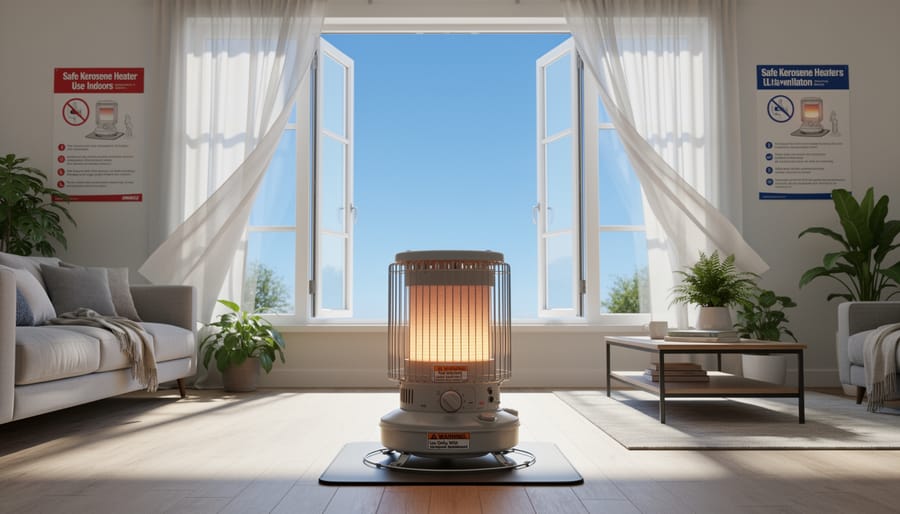
Think of ventilation as your invisible safety partner. It works quietly in the background, ensuring the warmth you’re creating doesn’t come at the cost of your health. Cross-ventilation—opening windows on opposite sides of the room—works best for maintaining that gentle, life-saving air exchange.
Creating Cross-Ventilation That Works
Effective cross-ventilation isn’t about throwing open every window and shivering—it’s about strategic air flow that keeps you safe and comfortable. The goal is to create a gentle but constant exchange of fresh air while maintaining a livable temperature in your space.
Start by opening windows on opposite sides of the room or house, creating a natural air pathway. Even a crack of one to two inches is enough to begin air circulation. Position one opening slightly lower (like a door cracked at the bottom) and another higher (a partially opened window) to take advantage of natural air movement, as warm air rises and draws cooler air in below.
If you’re concerned about drafts, consider opening windows in adjacent rooms rather than the room where you’re spending time. This creates indirect ventilation that’s less noticeable but still effective. During extremely cold weather, you can achieve adequate ventilation by opening windows just three to four inches for shorter periods every hour, rather than keeping them constantly open.
Avoid placing your kerosene heater directly in the path of cross-ventilation, as this can affect its flame stability and efficiency. Instead, position it away from the main air flow while still benefiting from the overall room circulation. Remember, proper ventilation isn’t optional with kerosene heaters—it’s your primary defense against carbon monoxide buildup.
Special Ventilation Considerations for Different Rooms
Not all rooms in your home are created equal when it comes to safely operating a kerosene heater. Understanding these differences can be lifesaving.
Bedrooms require extra caution. Never run a kerosene heater while sleeping, as you won’t notice early warning signs of carbon monoxide buildup. The closed environment and reduced air circulation during nighttime hours create dangerous conditions. If you must heat a bedroom, run the heater before bedtime with a window cracked open, then turn it off completely before sleeping.
Basements present unique challenges due to limited windows and natural airflow. The cooler temperatures and tendency for air to settle make carbon monoxide accumulation more likely. Always ensure at least two ventilation points, including a window and door, and consider whether basement heating is worth the increased risk.
Garages are particularly hazardous spaces. Vehicle exhaust combined with kerosene heater emissions creates a potentially lethal environment. If using a heater in your garage, keep the overhead door partially open and never run vehicles simultaneously with the heater.
Small bathrooms, closets, and enclosed spaces should be completely off-limits for kerosene heaters. These areas lack adequate ventilation and can quickly become carbon monoxide traps. Consider alternative heating solutions for these spaces, focusing on creating warmth throughout your home using safer, eco-friendly methods that don’t compromise your family’s wellbeing.
Essential Safety Equipment Every Kerosene Heater Owner Needs
Choosing and Placing CO Detectors Correctly
Selecting the right carbon monoxide detector is your first line of defense when using kerosene heaters. Look for devices that meet UL 2034 standards and display digital readouts, which show CO levels in real-time rather than just sounding an alarm at dangerous thresholds. This feature helps you catch problems early, before they become emergencies.
When it comes to placement, think strategically about your home’s layout. Install at least one CO detector on every level of your home, and definitely place one within 15 feet of bedrooms where people sleep. Since carbon monoxide mixes evenly with air rather than rising or sinking, you can mount detectors at any height—though many experts recommend knee-height to chest-height on walls, about 5 feet from the floor, to keep them away from potential interference from ceiling fans or floor drafts.
In rooms where you actually use your kerosene heater, position a detector at least 15 feet away from the heater itself to avoid false alarms from the initial start-up emissions. Avoid placing detectors near windows, doors, or ventilation ducts where drafts might affect their accuracy.
For most homes using kerosene heaters, having 2-3 detectors strategically placed provides adequate coverage and peace of mind as part of your eco-friendly heating strategy.
Other Safety Tools Worth Having
Beyond carbon monoxide detectors, a few essential safety tools can give you extra peace of mind when using a kerosene heater. Think of these as your complete safety toolkit for responsible heating.
A quality fire extinguisher is non-negotiable. Keep a multi-purpose ABC-rated extinguisher within easy reach of your heating area, and make sure everyone in your household knows how to use it. Check the pressure gauge monthly and replace or service it according to manufacturer guidelines.
Consider adding a simple indoor air quality monitor that tracks carbon dioxide levels alongside carbon monoxide. While CO detectors alert you to immediate danger, elevated CO2 levels can signal inadequate ventilation before it becomes a serious problem. These affordable devices provide an early warning system that helps you maintain a healthier indoor environment.
Keep basic maintenance tools handy too. A small brush for cleaning burner components, replacement wicks, and fresh fuel filters will help you maintain your heater properly. Regular cleaning prevents incomplete combustion, which is the primary source of carbon monoxide production.
Finally, invest in a reliable room thermometer and humidity gauge. These help you monitor conditions and avoid over-heating spaces, which often leads to poor ventilation practices. Creating a safer, more comfortable home heating experience starts with having the right tools readily available.
Maintenance Practices That Prevent CO Buildup
Weekly and Monthly Checks You Can’t Skip
Think of your kerosene heater maintenance like checking the oil in your car—small efforts that prevent big problems. Setting aside just a few minutes each week can dramatically reduce carbon monoxide risks while keeping your heater running efficiently.
Weekly, inspect your heater’s flame color. A healthy flame burns blue with minimal yellow tipping. If you notice excessive yellow or orange flames, that’s your heater telling you something’s wrong—possibly incomplete combustion that produces more CO. Check the fuel quality too, since contaminated or old kerosene burns dirtier and creates more harmful emissions.
Monthly tasks require a bit more attention but remain straightforward. Examine your wick for signs of carbon buildup, uneven surfaces, or fraying edges. Proper wick maintenance is essential for clean burning and safe operation. Clean or replace wicks according to manufacturer guidelines—typically every few months of regular use.
Don’t forget to wipe down the heater’s exterior and check ventilation openings for dust accumulation. Even small amounts of debris can interfere with proper airflow, affecting combustion quality. These simple routines take less than ten minutes but provide invaluable peace of mind for your family’s safety.
The Right Fuel Makes All the Difference
Using the correct fuel grade in your kerosene heater isn’t just a recommendation—it’s essential for your safety. Only 1-K grade kerosene should fuel these heaters, as lower grades contain higher sulfur content that produces dangerous levels of carbon monoxide during combustion. K-2 kerosene or contaminated fuel can increase CO emissions by as much as ten times, transforming a relatively safe heating appliance into a serious hazard.
Water-contaminated kerosene creates incomplete combustion, releasing excessive carbon monoxide into your living space. Always purchase kerosene from reputable suppliers and store it in clean, approved containers. Never substitute gasoline, diesel, or other petroleum products—this fundamental aspect of liquid fuel safety can mean the difference between comfortable warmth and a life-threatening situation. When you prioritize fuel quality, you’re taking a critical step toward protecting your household.
When to Call a Professional
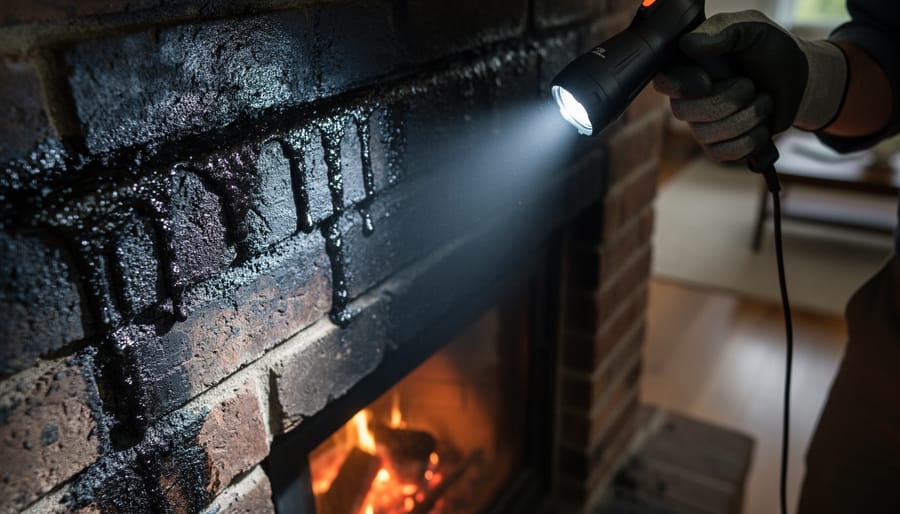
Even with proper wick care and maintenance, certain warning signs mean it’s time to call a professional. If your carbon monoxide detector consistently sounds when your heater is running, even after ventilating the space, shut down the unit immediately and contact a qualified technician. Other red flags include a persistent fuel odor, yellow or irregular flames, frequent headaches when using the heater, or visible soot buildup on walls and ceilings. If your heater is more than 10 years old or has been stored improperly, a professional inspection ensures it’s still safe to operate. Remember, your family’s safety is worth the investment in expert evaluation. When in doubt, consider transitioning to cleaner, safer heating alternatives that better align with modern eco-friendly home comfort standards.
Safer Alternatives to Consider for Your Home
While kerosene heaters serve an important purpose in many homes, particularly as supplemental heating sources, it’s worth exploring alternatives that can provide warmth with reduced safety concerns. We’re not suggesting you abandon your kerosene heater if it’s working well for you, but rather encouraging you to consider these options that might better fit your lifestyle and safety priorities.
Electric space heaters have come a long way in recent years, offering efficient zone heating without any combustion byproducts. Modern electric heaters produce zero carbon monoxide, require no ventilation beyond normal room air circulation, and eliminate fuel storage concerns entirely. Many models now feature energy-saving thermostats and safety shut-offs, making them ideal for bedrooms and smaller spaces where you want peace of mind.
For those seeking a more permanent heating solution with authentic ambiance, sealed combustion gas fireplaces represent an excellent middle ground. These units draw combustion air directly from outside your home and vent exhaust gases back outdoors through a sealed system, keeping your indoor air quality pristine. They deliver the cozy atmosphere of a real flame while operating with remarkable safety and efficiency.
Pellet stoves offer another eco-friendly option, burning compressed wood pellets with minimal emissions when properly maintained. They provide the charm of visible flames while incorporating modern safety features and automated controls that make operation nearly effortless.
If you’re drawn to the authentic experience of a traditional fireplace, properly installed and maintained wood-burning or gas fireplaces with appropriate ventilation systems can deliver exceptional warmth and ambiance. The key is ensuring professional installation and regular inspection to maintain both safety and performance.
Whatever heating solution you choose, prioritize options that align with your home’s layout, your comfort preferences, and most importantly, your family’s safety needs.
Keeping your home warm and inviting should never mean compromising on the safety of your loved ones. While kerosene heaters can provide effective supplemental heat and a cozy ambiance, they require respect and responsible use. The good news is that with proper ventilation, regular maintenance, and reliable carbon monoxide detection, you can significantly reduce the risks these heaters present.
Remember, carbon monoxide is an invisible threat, but it’s not an unmanageable one. By committing to crack a window when your heater is running, installing CO detectors on every level of your home, and keeping your equipment in top condition, you’re taking powerful steps to protect your family. If you’re feeling uncertain about using kerosene safely, exploring alternative heating solutions might give you greater peace of mind.
Your family’s wellbeing is worth every precaution. Don’t wait until tomorrow to check your carbon monoxide detectors or improve ventilation in the rooms where you use heating appliances. These simple actions today can prevent tragedy tomorrow. Warmth and safety aren’t mutually exclusive—they’re both essential elements of a truly comfortable home. Take action now to ensure both are always present in your living space.