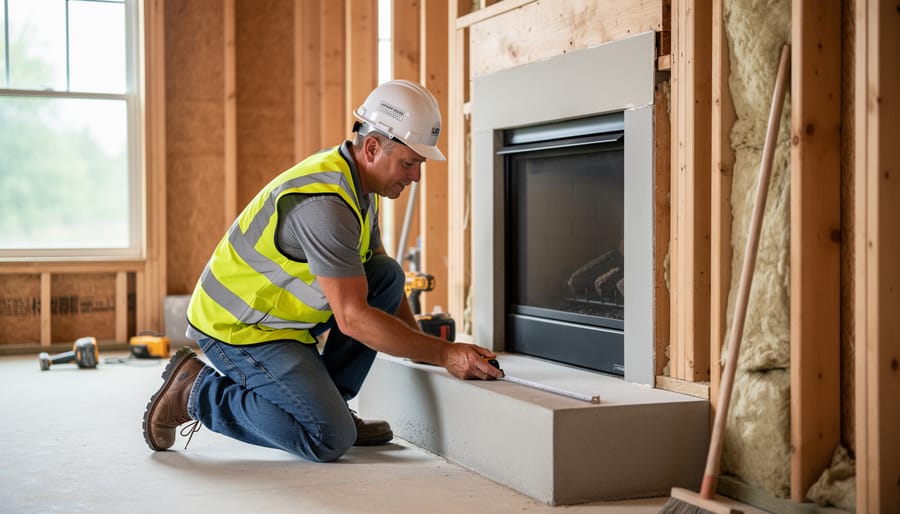


Submit your permit application at least 30 days before construction begins, giving your local building department adequate time to review structural plans, clearance requirements, and code compliance for your hearth project. Most jurisdictions require detailed drawings showing hearth dimensions, combustible material distances, and foundation specifications before approving any work.
Schedule a pre-construction consultation with your building inspector to clarify specific requirements in your area, as codes vary significantly between municipalities regarding hearth extension depths, non-combustible materials, and reinforced flooring needs. This proactive step prevents costly mid-project corrections and establishes a collaborative relationship that smooths the inspection process.
Arrange inspections at three critical stages: foundation and structural support verification before pouring concrete, framing and clearance checks before enclosing walls, and final approval after completing all hearth construction and installing your fireplace unit. Missing these sequential checkpoints often means demolishing finished work to expose hidden elements for inspector review.
Document everything with photographs at each construction phase, maintaining records of materials used, manufacturer specifications, and contractor licenses. These records prove invaluable if questions arise during inspection or if future homeowners need verification of code-compliant installation.
Understanding the permitting process transforms what feels like bureaucratic obstacle into protective framework ensuring your hearth project delivers safe, lasting warmth for your family. Proper planning through regulatory requirements protects your investment, maintains your home’s resale value, and creates the cozy gathering space you envision without the stress of failed inspections or expensive rebuilds. The key lies in treating permits and inspections as valuable project partners rather than hurdles to overcome.
Why Permits Matter More Than You Think for Hearth Construction
Let’s be honest—pulling permits isn’t exactly the exciting part of creating your dream fireplace. But skipping this step? That’s where homeowners can find themselves in genuinely stressful situations that go far beyond a simple fine.
Think about it this way: your homeowner’s insurance policy has fine print, and that fine print cares deeply about permits. If a fire starts because of improper hearth construction, and your insurance company discovers you skipped permits and inspections, they can deny your entire claim. We’re talking about potentially losing everything over a permit that might have cost a few hundred dollars. That’s not a risk worth taking when you’re literally bringing fire into your home.
Then there’s resale value. When you eventually sell your home, buyers conduct inspections, and unpermitted work becomes a massive red flag. Title companies may refuse to close, buyers can back out, or you’ll face expensive negotiations where you either tear out your beautiful hearth or significantly reduce your asking price. Some sellers have had to completely remove unpermitted fireplaces before closing—imagine watching your investment literally get demolished.
Safety inspections also catch issues that aren’t obvious to even experienced DIYers. Inspectors verify proper clearances from combustible materials, check that your chimney liner is correctly installed, and confirm adequate ventilation. They’ll examine floor support considerations to ensure your hearth won’t create structural problems down the line. These aren’t arbitrary rules—they’re based on decades of fire investigation data and building science.
And here’s something many homeowners don’t consider: liability. If someone gets injured because of your unpermitted fireplace installation, you could be personally liable in ways your insurance won’t cover. The legal implications extend beyond your property to anyone who enters your home.
The bottom line? Permits aren’t bureaucratic busywork. They’re your protection—financially, legally, and most importantly, for your family’s safety. The peace of mind alone makes them worthwhile.
Understanding Your Local Code Requirements Before Breaking Ground
Clearances and Safety Distances That Inspectors Always Check
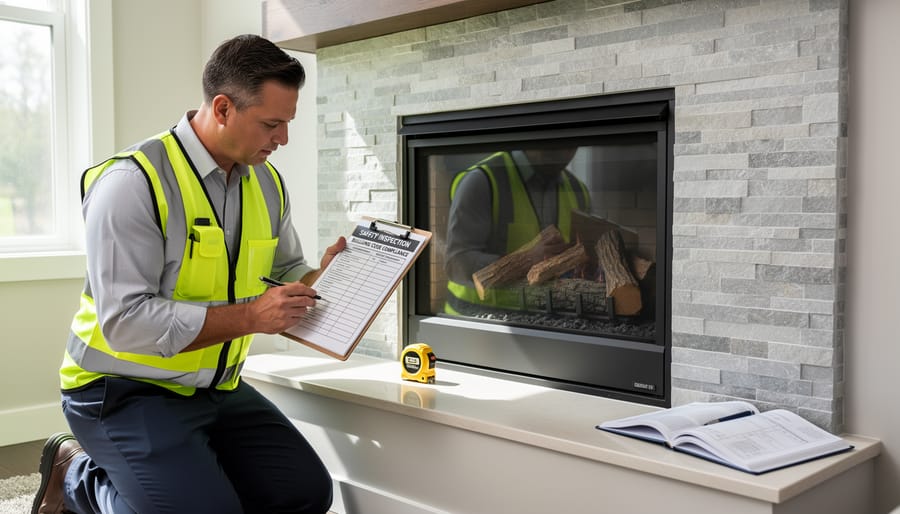
When the inspector visits your home, they’ll pull out their measuring tape and checklist to verify some critical safety distances. These clearances aren’t arbitrary numbers—they’re carefully calculated standards designed to prevent fires and protect your family.
First, let’s talk about combustible materials. Your fireplace needs breathing room from anything that can burn. Most codes require at least 16 inches of clearance between the firebox opening and any combustible material, though this can vary based on your specific fireplace type. This includes wood mantels, shelving, picture frames, and even that cozy reading chair you’re planning to position nearby.
Floor protection is equally important. Your hearth must extend at least 16 inches in front of the fireplace opening and 8 inches on each side for fireplaces with openings under 6 square feet. Larger openings require a 20-inch extension in front. The material itself matters too—inspectors will verify you’ve used non-combustible materials like stone, brick, tile, or concrete that meet specific R-value requirements for heat resistance.
Wall clearances depend on whether your walls are combustible or protected with approved materials. Unprotected combustible walls typically need 36 inches of clearance from fireplace sides, though this can be reduced with proper shielding using cement board or other approved heat barriers.
Your inspector will also check the thickness of your hearth pad. Most jurisdictions require a minimum thickness that provides adequate insulation—typically 2 inches for masonry fireplaces. Remember, these measurements aren’t suggestions. They’re the difference between passing inspection and starting over, so get them right the first time.
Foundation and Structural Support Standards
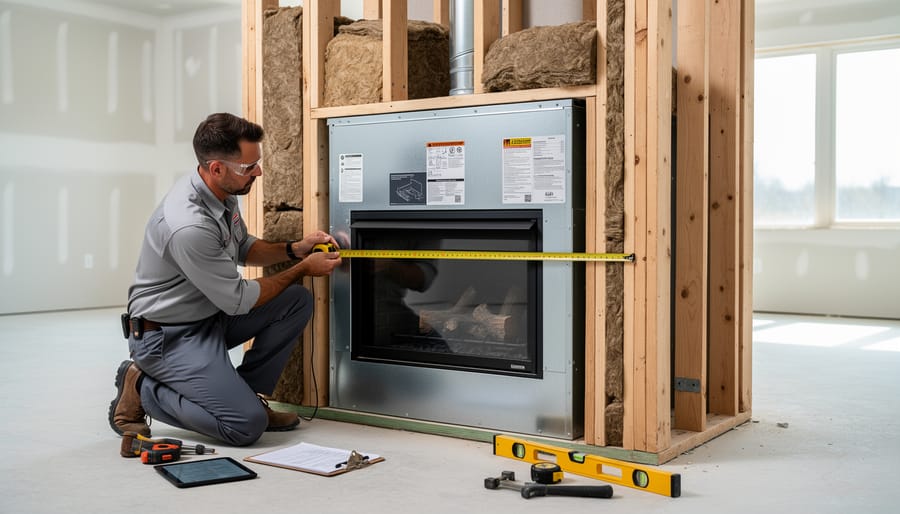
Your fireplace hearth isn’t just a decorative element—it’s a serious structural feature that needs proper support from the ground up. Think of it this way: a masonry fireplace and chimney system can weigh several tons, which means your home’s structure must be ready to handle that significant load safely.
Building codes typically require hearths to rest on dedicated foundations that extend below the frost line in your region, often 42 to 48 inches deep depending on your climate. This prevents seasonal ground movement from cracking your hearth or creating dangerous gaps. The foundation and weight-bearing capacity must be calculated based on the total weight of your entire fireplace system, including the chimney.
For second-story installations or lighter prefabricated units, structural support requirements may involve reinforcing floor joists or adding steel support beams rather than pouring a full foundation. Your local building department will review engineering specifications to ensure your home can safely support the hearth without compromising structural integrity. This isn’t an area to cut corners—proper foundation work protects both your investment and your family’s safety while ensuring your cozy gathering spot remains secure for generations.
The Step-by-Step Permit Application Process
Documents and Plans You’ll Need to Submit
Getting your paperwork in order before you head to the permit office will save you time and headaches. Think of this as gathering your project’s story—everything the inspector needs to understand what you’re building and why it’s safe.
Start with detailed construction drawings that show your hearth’s dimensions, materials, and how it relates to your fireplace. These don’t need to be architect-perfect, but they should clearly indicate measurements, clearances from combustible materials, and how your hearth connects to proper foundation support. Include both plan views (looking down from above) and elevation views (looking from the side).
You’ll also need manufacturer specifications for your fireplace or insert. These documents outline required hearth dimensions, R-values for thermal protection, and specific installation requirements. Don’t skip this—your permit won’t be approved without proof that your design meets the manufacturer’s safety standards.
If you’re installing a factory-built fireplace, include the listing label information showing it’s been tested and certified by a recognized testing laboratory. For masonry fireplaces, provide material specifications for the hearth pad, including the type of non-combustible materials you’ll use.
Many jurisdictions also require a site plan showing where the fireplace sits within your home’s floor plan, and proof of homeowner’s insurance. Some areas may ask for energy efficiency calculations, especially if you’re incorporating your fireplace as a supplemental heating source.
Finally, bring your contractor’s license and insurance information if you’re hiring professionals—or be prepared to explain your qualifications if tackling this as a DIY project.
Typical Timeline and Costs to Budget For
Planning your fireplace hearth construction means understanding both the timeline and financial investment ahead. While every project varies based on location and complexity, most homeowners should expect the permit application process to take between two to four weeks from submission to approval. Some jurisdictions offer expedited review for an additional fee, typically reducing wait times to seven to ten business days.
Permit fees generally range from $50 to $500, depending on your municipality and project scope. Simple hearth extensions might fall on the lower end, while comprehensive fireplace installations with gas line modifications could reach the higher range. Many areas also require separate permits for electrical or gas work, adding $25 to $150 per trade permit.
Budget an additional $200 to $400 for required inspections throughout your project. Most jurisdictions mandate at least two inspections: a rough-in or framing inspection before closing up walls, and a final inspection upon completion.
To avoid delays that can stretch your timeline and increase costs, submit complete applications with detailed plans and consider scheduling inspections at least 48 hours in advance. Remember, these regulatory steps protect your home’s safety and long-term value, making them a worthwhile investment in creating a beautiful, eco-friendly heating solution for your family to enjoy for years to come.
Working With Contractors vs. DIY: What You Need to Know
Deciding between hiring a licensed contractor and tackling your hearth project yourself involves more than just weighing costs—it significantly impacts your permitting journey and the overall success of your project.
When you work with a licensed contractor, they typically handle the entire permitting process on your behalf. This means they’ll pull permits, schedule inspections, and ensure everything meets code requirements. Their license demonstrates they understand local regulations and have experience navigating the system. Insurance is another major advantage—contractors carry liability coverage that protects you if something goes wrong. Many building departments also view contractor-built projects more favorably, sometimes even offering expedited review processes.
The DIY route offers cost savings and personal satisfaction, but comes with added responsibilities. You’ll need to research local codes thoroughly, complete all permit applications yourself, and coordinate inspection schedules. While this hands-on approach helps you understand every aspect of your hearth construction, it requires significant time investment and a willingness to learn complex building requirements.
Some jurisdictions legally require licensed professionals for specific aspects of hearth construction. Gas line installation almost always demands a licensed plumber or gas fitter. Electrical work typically requires a licensed electrician. Masonry chimneys often need certified chimney professionals. Check your local regulations before proceeding—attempting these tasks without proper licensing can void your homeowner’s insurance and create dangerous conditions.
Even if you’re comfortable with general construction, consider hiring professionals for the technical components while handling simpler tasks like hearth finishing yourself. This hybrid approach balances cost savings with safety and compliance. Remember, a properly constructed hearth isn’t just about creating a cozy gathering spot—it’s about protecting your home and family for years to come.
Preparing for Inspection Day
The Critical Inspection Checkpoints
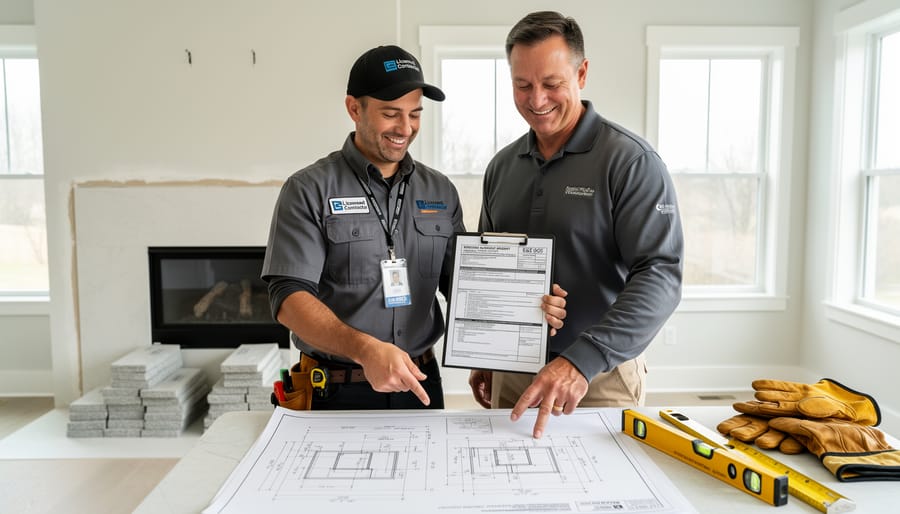
Understanding what inspectors look for helps you prepare for a smooth inspection process and reduces the likelihood of costly callbacks or failed inspections. Think of this as your friendly roadmap to inspector expectations—nothing mysterious, just practical checkpoints to ensure your hearth is safe and built to last.
Inspectors typically begin with the foundation and hearth pad itself, verifying that it extends the proper distance in front of and around the fireplace opening. They’ll check that materials meet fire-resistance ratings—usually non-combustible materials like brick, stone, or tile over appropriate underlayment. The thickness matters too, as codes specify minimum depths based on your fireplace type.
Next comes clearance measurements. Inspectors measure distances between combustible materials (like wood framing or flooring) and the firebox, ensuring proper air gaps exist. They’ll examine the chimney connection points, looking for proper flashing, secure attachments, and correct liner installation. Your chimney cap and spark arrestor get attention too, as these prevent water intrusion and contain embers.
Ventilation systems receive careful scrutiny. For gas fireplaces, inspectors verify proper venting configurations and adequate combustion air supply. They’ll test draft performance and check that termination points meet clearance requirements from windows, doors, and property lines.
Finally, inspectors review structural supports, confirming that floor joists and framing adequately handle your hearth’s weight. They’ll verify proper installation of any required fire-blocking materials within wall cavities. Documentation matters too—keep your product specifications, installation manuals, and material receipts handy to demonstrate code-compliant components were used throughout your eco-friendly heating addition.
Common Reasons Hearth Installations Fail Inspection
Even well-planned hearth projects sometimes hit snags during inspection. Understanding common pitfalls helps you sail through the process smoothly.
Inadequate clearances to combustible materials top the failure list. Inspectors frequently cite mantels placed too close to the firebox or wooden flooring installed within restricted zones. Always verify minimum clearance requirements for your specific appliance model before installation begins.
Incorrect hearth dimensions cause many rejections. Your hearth extension must meet code-specified measurements, typically extending 16-20 inches in front and 8 inches to each side of the firebox opening. Measure twice, build once.
Improper materials selection remains problematic. Using non-approved materials or skimping on R-value ratings for hearth pads under wood stoves leads to automatic fails. Stick with code-compliant, non-combustible materials like brick, stone, or specially rated hearth boards.
Structural integrity issues frequently emerge when floors aren’t properly reinforced to support heavy masonry hearths. Have a structural engineer evaluate load-bearing capacity before construction.
Missing or incorrect documentation also derails inspections. Keep all manufacturer specifications, material certifications, and your approved permit handy for the inspector’s review. This simple step demonstrates professionalism and attention to detail that inspectors appreciate.
Special Considerations for Different Fireplace Types
Not all fireplaces are created equal when it comes to permitting and inspection requirements, and understanding these differences upfront can save you significant time and headaches. Your specific fireplace type dramatically influences the complexity of your hearth construction project and the regulatory hurdles you’ll face.
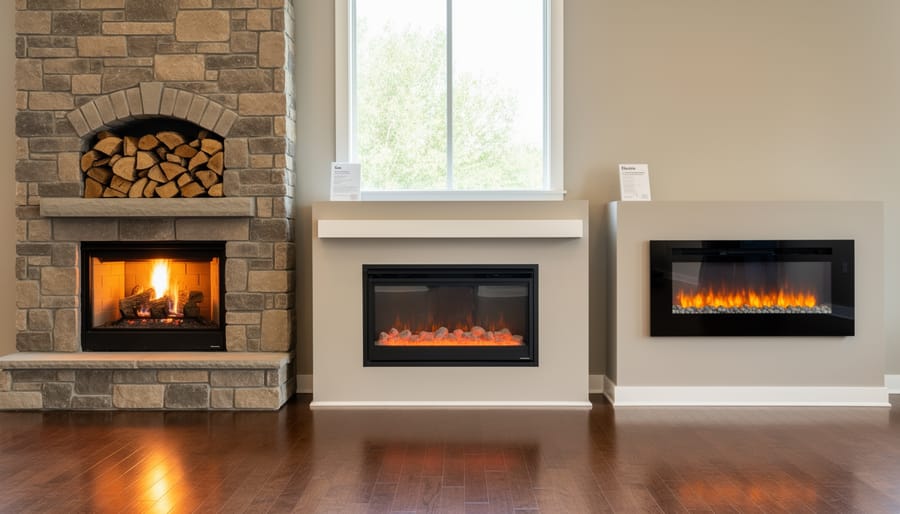
Wood-burning fireplaces typically require the most rigorous permitting process. Because they involve actual combustion, live flames, and chimney systems, building departments scrutinize these installations closely. You’ll need detailed plans showing proper clearances, hearth dimensions, chimney specifications, and ventilation details. Inspectors will verify everything from foundation support to flue lining. While wood-burning units demand more paperwork, they offer that authentic crackling ambiance many homeowners cherish, and when sourced responsibly, wood can be a renewable heating option.
Gas fireplaces simplify the process somewhat, though they still require permits in most jurisdictions. The focus shifts to gas line installation, proper venting, and carbon monoxide concerns. Direct-vent gas models often present fewer complications than traditional vented versions. Many modern gas fireplaces also feature high-efficiency ratings, reducing your environmental footprint while lowering heating costs.
Bioethanol fireplaces represent an increasingly popular eco-friendly choice that often requires minimal permitting. Since they don’t need venting or permanent fuel connections, many building departments treat them like furniture rather than structural modifications. However, you should always verify local requirements, as regulations vary. These clean-burning units produce no smoke or harmful emissions, making them an environmentally conscious option.
Electric fireplaces typically need no special permits beyond standard electrical work requirements. They’re the simplest option for DIY enthusiasts and renters seeking ambiance without commitment. While they consume electricity, newer models boast impressive energy efficiency and can zone-heat specific rooms, potentially reducing overall energy consumption. The hearth construction becomes purely aesthetic rather than safety-driven, though building a proper surround still enhances the overall look and authenticity of your space.
What Happens After You Pass (or Don’t Pass) Inspection
Congratulations on completing your inspection! If your hearth construction passes, the inspector will issue a certificate of final approval or sign off on your permit. This official documentation is your golden ticket, proving that your fireplace meets all safety codes and was built to proper standards. Keep this paperwork in a safe place alongside your home’s other important documents—you’ll thank yourself later when it’s time to sell your home or file an insurance claim. Many homebuyers and insurance companies specifically ask for proof that fireplaces were professionally installed and inspected.
If your hearth doesn’t pass on the first try, don’t panic. Failed inspections are more common than you might think, and they’re usually for minor issues that are easily fixable. The inspector will provide a detailed list of what needs correction, whether it’s adjusting clearances, adding proper ventilation, or fixing mortar joints. Once you’ve made the required changes, simply schedule a reinspection. Most jurisdictions charge a modest reinspection fee, but it’s a small price to pay for peace of mind and safety.
After passing inspection, maintain a file with your permit, inspection certificates, contractor receipts, and any warranties on materials or workmanship. This documentation trail protects your investment and demonstrates responsible homeownership. It’s especially valuable if you ever need to make insurance claims for fire damage or during home appraisals. Plus, having everything organized shows future buyers that your beautiful new hearth wasn’t just a lifestyle upgrade—it’s a properly built, safe feature that adds genuine value to your home.
Taking the time to secure proper permits and plan for inspections isn’t just bureaucratic red tape—it’s one of the smartest investments you can make in your home and your family’s wellbeing. When you follow the permitting process, you’re ensuring that every element of your hearth construction meets rigorous safety standards designed to protect your loved ones from fire hazards, carbon monoxide exposure, and structural issues. Beyond safety, those official stamps of approval protect your financial investment by preventing costly problems during home sales, insurance claims, or future renovations.
Yes, navigating permits and inspections requires patience and attention to detail, but here’s the encouraging truth: with proper planning, the process is entirely manageable. Breaking it down into clear steps—researching requirements, gathering documentation, scheduling inspections at the right intervals—transforms what seems overwhelming into a series of straightforward tasks. Many homeowners find that working with experienced professionals who know local codes inside and out makes the journey even smoother.
The reward waiting at the end is absolutely worth the effort. Picture yourself on a cold evening, gathered with family around your beautiful new hearth, knowing with complete confidence that it’s not only stunning but also built to the highest safety standards. That peace of mind, combined with the warmth, ambiance, and lasting value your code-compliant fireplace brings to your home, makes every form filled out and every inspection scheduled feel like time incredibly well spent. Your dream hearth is closer than you think—start planning today.