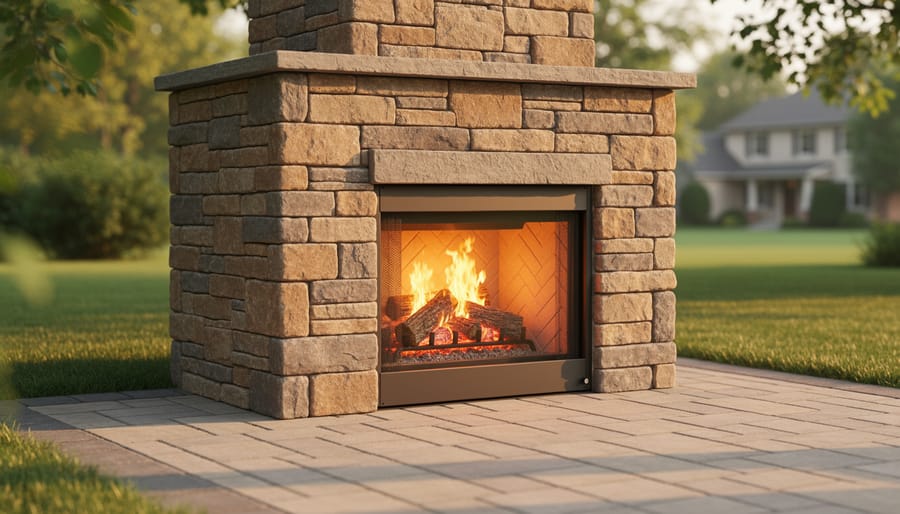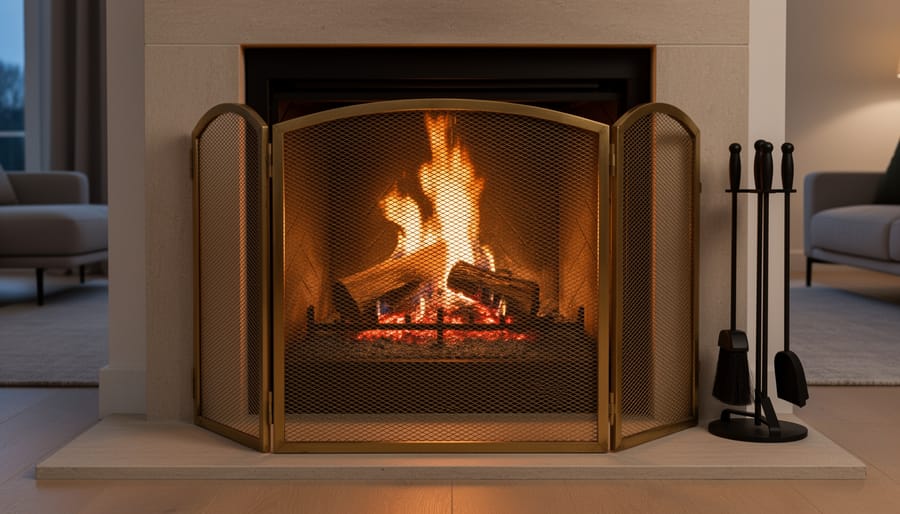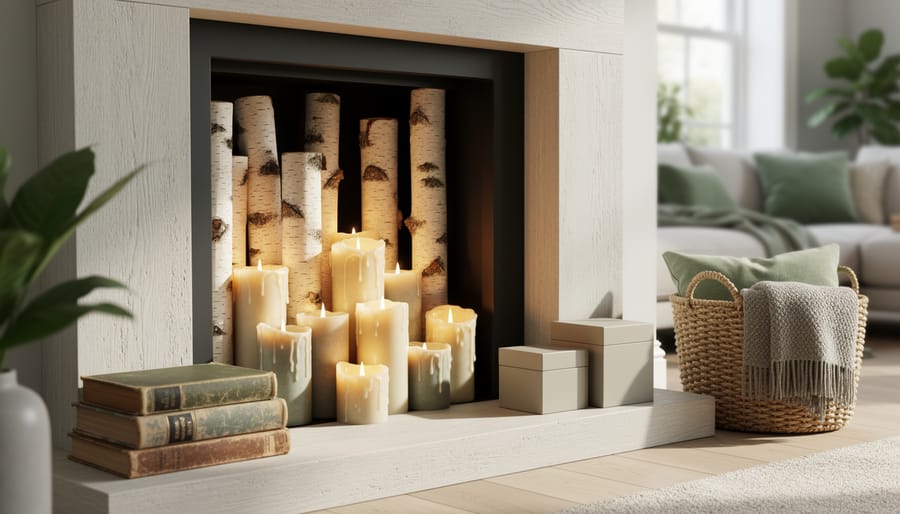
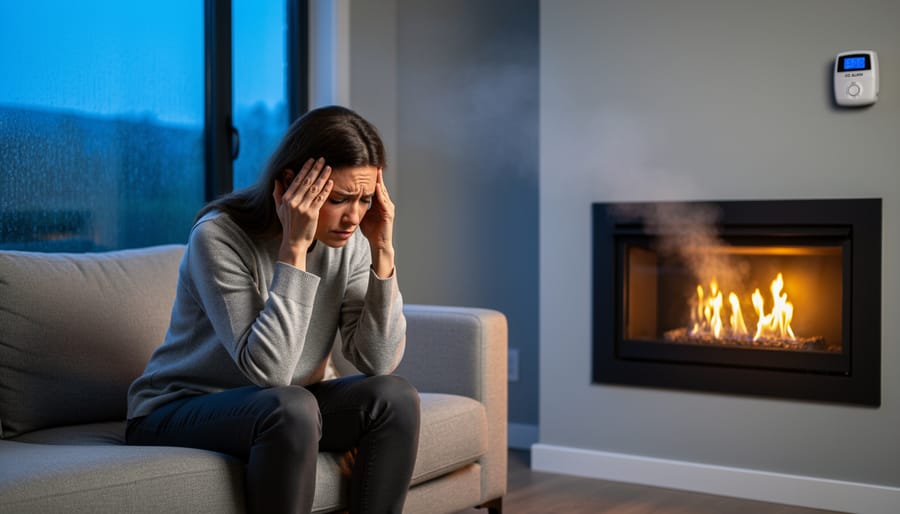


Ventless fireplaces offer convenient warmth without chimneys or venting systems, but they release combustion byproducts directly into your living space—creating legitimate health concerns that deserve your attention before you light that first flame.
The primary worry centers on carbon monoxide, an odorless, colorless gas that can cause headaches, dizziness, nausea, and in severe cases, death. Nitrogen dioxide is another culprit, irritating airways and worsening asthma or respiratory conditions. Even properly functioning units produce water vapor that increases indoor humidity, potentially triggering mold growth and dust mite populations that aggravate allergies.
People with existing respiratory conditions, young children, elderly family members, and pregnant women face heightened risks from these emissions. If you notice persistent headaches, unexplained fatigue, or breathing difficulties after using your ventless fireplace, these are red flags demanding immediate action.
The good news? Understanding these risks empowers you to make informed decisions about whether a ventless fireplace suits your home and health situation. Many homeowners successfully use these units by following strict safety protocols, choosing appropriate fuel types, and maintaining proper ventilation practices.
This guide breaks down the specific health concerns associated with ventless fireplaces, compares how different fuel options affect air quality, and provides practical strategies to minimize risks. You’ll discover whether your home is suitable for ventless heating and learn exactly what safety measures transform these convenient appliances from potential hazards into safe, eco-friendly heating solutions that protect your family’s wellbeing.
What Makes Ventless Fireplaces Different (And Why It Matters)
Ventless fireplaces offer an appealing solution for homeowners seeking warmth and ambiance without the complexity and expense of traditional chimney systems. Unlike conventional fireplaces that require venting to channel combustion byproducts outside, ventless models are designed to burn so efficiently that they release their exhaust directly into your living space. This fundamental difference is what makes them both convenient and controversial.
These fireplaces operate on various fuel types, each with distinct characteristics. Natural gas and propane versions are the most common, connecting to your home’s gas line or an external tank. They produce a realistic flame and significant heat output. Gel fuel fireplaces burn alcohol-based gel canisters, offering portability and easier installation. Bioethanol fireplaces use plant-derived liquid fuel, positioning themselves as an eco-friendly heating solution that produces minimal emissions.
The technology behind ventless fireplaces relies on what manufacturers call “complete combustion.” When operating correctly, these units should burn fuel so efficiently that they primarily produce water vapor and carbon dioxide, similar to what humans exhale. This is why ventless models can legally release their byproducts indoors in many jurisdictions.
However, this is precisely where health considerations enter the picture. Even perfect combustion produces carbon dioxide, which accumulates in enclosed spaces. Real-world conditions rarely achieve perfect combustion, potentially releasing carbon monoxide, nitrogen dioxide, and other pollutants into your home. The absence of a chimney or vent means there’s no backup system to remove these substances if something goes wrong.
Understanding this basic operation helps explain why ventless fireplaces require careful consideration. They’re not inherently dangerous when properly installed and maintained, but they do introduce combustion byproducts into your breathing space. This makes them fundamentally different from vented alternatives, where potentially harmful emissions exit safely outside. For homeowners prioritizing both ambiance and indoor air quality, recognizing these differences is essential before making a purchase decision.
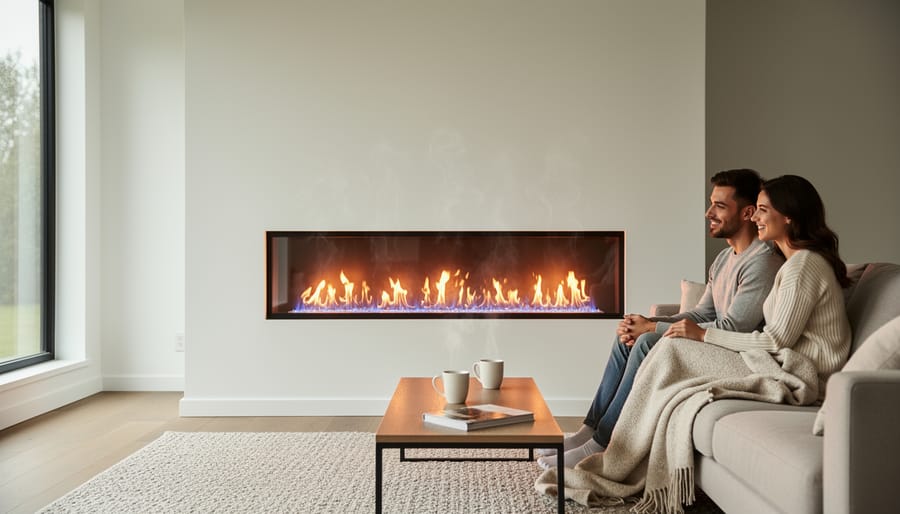
The Invisible Threat: What’s Really in Your Indoor Air
Carbon Monoxide: The Silent Danger
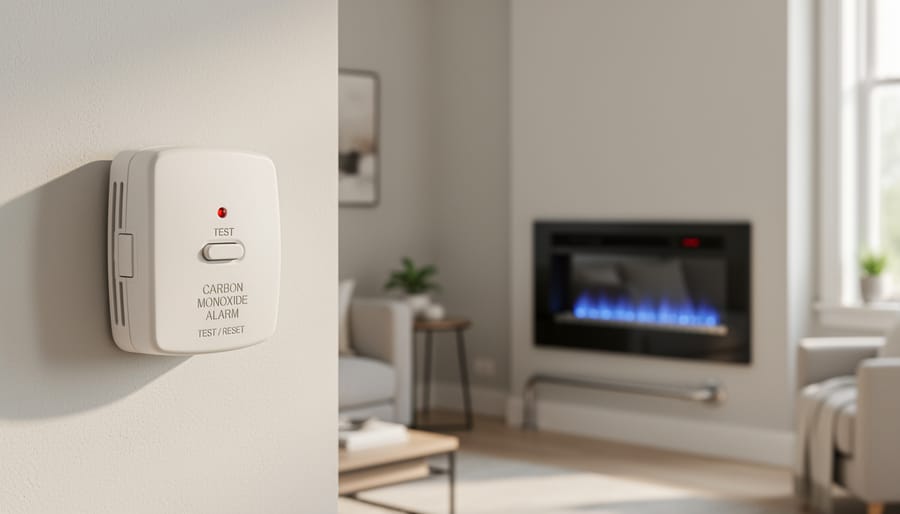
Carbon monoxide (CO) is perhaps the most serious concern when it comes to ventless fireplaces. This colorless, odorless gas is impossible to detect without proper equipment, earning its reputation as a silent killer. When any fuel burns without adequate ventilation, CO can accumulate in your living space, posing immediate health threats to your family.
The symptoms of carbon monoxide exposure often mirror common illnesses, which makes them easy to dismiss. Early signs include headaches, dizziness, nausea, and fatigue. As exposure continues, symptoms worsen to confusion, chest pain, and loss of consciousness. Prolonged exposure can lead to permanent brain damage or death. Children, elderly family members, and those with heart or respiratory conditions are particularly vulnerable.
Ventless fireplaces are designed with oxygen depletion sensors that shut off the unit when oxygen levels drop too low. However, these safety features aren’t foolproof. The sensors can malfunction, and even before they trigger, CO levels may already be rising. Unlike traditional fireplaces that channel combustion byproducts outside, ventless systems release everything directly into your home. While manufacturers claim their units burn cleanly, real-world conditions like dusty fuel lines, improper maintenance, or poor air circulation can compromise this efficiency, amplifying gas fireplace health concerns significantly.
Nitrogen Dioxide and Respiratory Irritants
When ventless fireplaces burn fuel, they produce nitrogen dioxide (NO2) along with other respiratory irritants that release directly into your living space. This colorless gas with a sharp odor can irritate your airways, making it harder to breathe comfortably in your own home.
Nitrogen dioxide affects everyone differently, but certain family members face higher risks. Children, whose lungs are still developing, are particularly vulnerable to these irritants. If you or loved ones have asthma, COPD, or other respiratory conditions, exposure to NO2 can trigger symptoms like wheezing, coughing, and chest tightness. Even healthy adults may experience throat irritation and reduced lung function with prolonged exposure.
Beyond NO2, ventless fireplaces release other concerning compounds including formaldehyde and particulate matter. These invisible irritants can accumulate in poorly ventilated spaces, creating an unhealthy indoor environment despite the cozy ambiance your fireplace provides.
The good news? Understanding these risks empowers you to make informed decisions about your home heating solutions. While ventless fireplaces offer convenience and warmth, recognizing who’s most vulnerable in your household helps you weigh whether this eco-friendly heating option aligns with your family’s health needs and implement appropriate safety measures.
Moisture Problems You Can’t See Coming
Here’s something many homeowners don’t realize: every time your ventless fireplace burns, it’s releasing water vapor into your home. This might sound harmless, but that invisible moisture can become your home’s hidden enemy.
Combustion naturally produces water as a byproduct, and without proper ventilation, that humidity has nowhere to go. Over time, you’ll notice condensation on windows, damp spots on walls, or that musty smell that signals trouble brewing. The real concern? Excess moisture creates the perfect breeding ground for mold and mildew, which can compromise your indoor air quality and trigger respiratory issues.
If you’re running your ventless fireplace frequently during winter when your home is already sealed tight against the cold, you’re essentially creating a greenhouse effect indoors. Watch for peeling wallpaper, warped wood, or visible mold growth as warning signs. The solution isn’t necessarily abandoning your cozy heating solution, but rather using it mindfully alongside proper ventilation strategies and monitoring your home’s humidity levels with a simple hygrometer.
Who’s Really at Risk? (It Might Be You)
While ventless fireplaces can create a cozy atmosphere in any home, certain household members face elevated risks from the combustion byproducts these units produce. Understanding whether your family falls into a vulnerable category is essential for making informed decisions about your home’s heating solutions.
Children are particularly susceptible to indoor air quality issues because their respiratory systems are still developing, and they breathe more rapidly than adults relative to their body size. If you have little ones at home, they’re inhaling a higher concentration of any pollutants present in your living space. Their smaller airways also mean even minor irritants can cause more significant breathing difficulties.
The elderly population faces similar concerns, especially if they already manage chronic health conditions like heart disease or compromised immune systems. Age-related changes in lung function mean older adults have less respiratory reserve to handle additional pollutants.
Pregnant women should exercise particular caution, as carbon monoxide exposure can affect fetal development and oxygen delivery to the developing baby. The stakes are simply higher during this critical time.
Perhaps the most significant risk group includes anyone with existing respiratory conditions. If you or a family member has asthma, COPD, chronic bronchitis, or allergies, ventless fireplaces can trigger or worsen symptoms. The nitrogen dioxide, water vapor, and other combustion products may seem invisible, but they’re actively impacting your indoor air quality.
Even if no one in your household fits these categories today, consider your lifestyle as a whole. Do you have pets with respiratory sensitivities? Do elderly relatives visit frequently? Do you spend most of your time in the room where the fireplace operates?
Taking an honest inventory of your household’s composition helps you weigh whether the ambiance and warmth of a ventless unit justifies the potential health considerations involved.
How Different Fuels Stack Up for Your Health
Natural Gas and Propane: The Traditional Choices
Natural gas and propane ventless fireplaces remain the most popular choices for homeowners seeking convenient warmth without chimney installation. These units burn relatively clean compared to other fossil fuels, but they still produce combustion byproducts that warrant your attention.
When operating properly, gas-based ventless fireplaces emit carbon dioxide, water vapor, and trace amounts of carbon monoxide and nitrogen dioxide. The good news? Modern units with oxygen depletion sensors automatically shut off when oxygen levels drop below safe thresholds, providing an important safety net for your household.
The realistic risk assessment reveals that occasional use in adequately sized, well-ventilated rooms typically poses minimal health concerns for most families. However, prolonged operation in smaller spaces or poorly ventilated areas can lead to increased indoor humidity, potential mold growth, and elevated carbon dioxide levels that may cause headaches or drowsiness.
People with respiratory conditions, young children, and pregnant women should exercise extra caution. The key is understanding that these traditional fuel options aren’t inherently dangerous when used responsibly—they simply require proper ventilation, regular maintenance, and adherence to manufacturer guidelines. Think of them as lifestyle elements that enhance your home’s ambiance when matched with smart usage practices that prioritize both comfort and health.
Bioethanol: The Eco-Friendly Alternative
Bioethanol fireplaces have emerged as one of the most appealing sustainable fuel options for homeowners seeking that cozy fireplace ambiance without traditional venting systems. These modern units burn bioethanol, a renewable alcohol-based fuel derived from plant materials, which produces a cleaner burn compared to gel fuels or certain gas alternatives.
The emission profile of bioethanol is notably friendlier than many alternatives. When burned properly, it primarily releases carbon dioxide and water vapor, with minimal soot or ash production. This means less particulate matter floating through your home and no creosote buildup to worry about.
However, it’s important to understand that cleaner doesn’t mean risk-free. Bioethanol fireplaces still consume oxygen and produce carbon dioxide, so adequate ventilation remains essential. Poor-quality bioethanol or improper burning can release trace amounts of formaldehyde and other compounds. The key is choosing high-grade bioethanol fuel and ensuring your space has sufficient air circulation. These fireplaces work beautifully as supplemental heat sources and lifestyle elements, but they require the same respect and attention to safety as any flame-producing appliance in your home.
Gel Fuel: What You Need to Know
Gel fuel fireplaces offer an attractive, portable alternative to traditional ventless options, burning isopropyl alcohol in small canisters to create real flames without requiring installation. From a health perspective, they’re generally considered safer than gas-powered ventless fireplaces since they produce minimal carbon monoxide and fewer combustion byproducts. However, they’re not entirely risk-free. Gel fuel still consumes oxygen and releases water vapor and carbon dioxide into your space, which can affect indoor air quality in poorly ventilated rooms.
The main advantage? Gel fuel fireplaces produce significantly less heat than gas models, which limits their impact on air quality but also means they’re more decorative than functional for heating. They’re an excellent choice for creating ambiance in well-ventilated spaces or for occasional use. Just remember to ensure adequate air circulation, never refill canisters while hot, and store fuel safely away from children and pets. While they’re a cleaner-burning option that aligns well with eco-conscious living, they shouldn’t be your primary heat source in enclosed spaces.
Warning Signs Your Fireplace Is Affecting Your Health
Your body and home often send clear signals when something’s not quite right with your ventless fireplace. Learning to recognize these warning signs early can help protect your family’s health and comfort.
Physical symptoms are your first line of defense. Pay attention if family members experience frequent headaches, particularly when the fireplace is running. Dizziness, unusual fatigue, or a general feeling of being “off” during fireplace use shouldn’t be dismissed. Nausea and flu-like symptoms that mysteriously improve when you’re away from home are especially concerning. If anyone develops respiratory issues—coughing, shortness of breath, or chest tightness—while using your fireplace, that’s a red flag requiring immediate attention.
Your home itself provides valuable clues about air quality problems. Excessive condensation on windows when your fireplace operates indicates poor combustion and potentially dangerous moisture buildup. Look for water spots or staining on walls and ceilings near the unit. A persistent stuffy feeling or stale air quality, even with the fireplace off, suggests ventilation inadequacy. Notice any unusual odors, especially chemical or burning smells that don’t seem quite right for normal fireplace operation.
The flame itself tells a story. A healthy flame should be predominantly blue with minimal yellow. Excessive yellow or orange flames, along with visible soot accumulation on the fireplace front or nearby surfaces, indicate incomplete combustion releasing more pollutants into your living space.
If pets seem lethargic or reluctant to stay in rooms where the fireplace runs, trust their instincts. Animals often sense air quality issues before we do. When multiple warning signs appear together, it’s time to have your fireplace professionally inspected and consider whether this heating solution truly serves your family’s wellbeing.
Making Ventless Fireplaces Safer (Without Giving Up the Warmth)
The good news? You don’t have to choose between warmth and wellness. With the right practices, you can significantly reduce health risks while still enjoying the cozy ambiance your ventless fireplace provides.
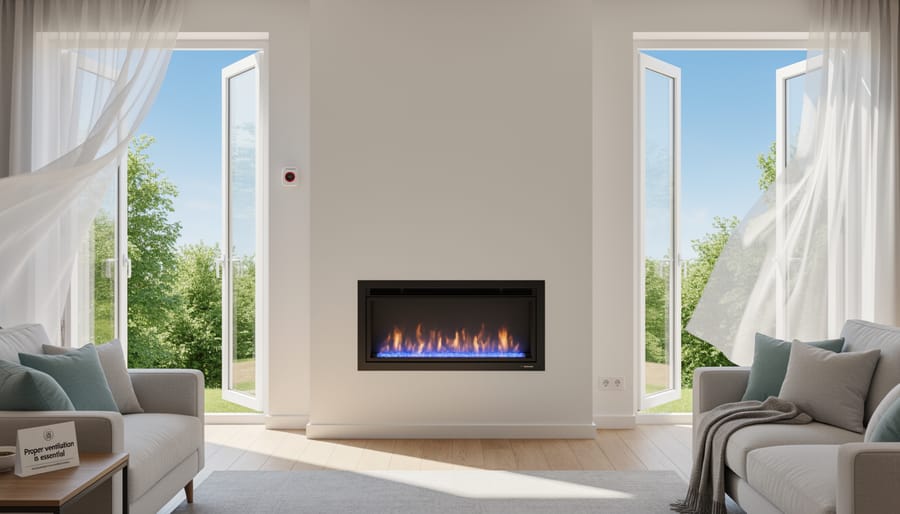
Start with the golden rule: always crack a window. Opening a window even just an inch or two during operation creates cross-ventilation that helps dilute combustion byproducts. Position the window away from the fireplace to create an effective air current through the room. If you have a ceiling fan, run it on low to encourage air circulation without creating drafts that might affect the flame.
Set reasonable usage limits to prevent pollutant buildup. Most manufacturers recommend running ventless fireplaces no more than two to three hours at a time, with at least one hour between uses. Think of it as you would a space heater—great for taking the chill off, but not meant to be your primary heating source running continuously. During extended cold snaps, alternate between your ventless fireplace and other heating methods to give your indoor air a chance to refresh.
Create a maintenance schedule and stick to it religiously. Clean the burner assembly at least twice per season, inspect for soot buildup monthly, and replace the oxygen depletion sensor annually even if it seems functional. These sensors are your first line of defense, and their reliability diminishes over time. Mark these tasks in your calendar just like you would changing smoke detector batteries.
Invest in quality safety devices that provide peace of mind. A good carbon monoxide detector with digital readout belongs in the same room as your fireplace, positioned at breathing height. Consider upgrading to a smart detector that alerts your phone if levels rise while you’re away. Adding a standalone air quality monitor that tracks particulate matter gives you real-time feedback about your indoor environment.
Finally, keep your fireplace immaculately clean. Dust and debris can interfere with proper combustion, creating incomplete burning that produces more pollutants. Before each use, wipe down surfaces and vacuum around the unit. This simple habit takes minutes but makes a meaningful difference in air quality and safety.
When to Consider Switching to a Vented Option
Sometimes the smartest choice for your family’s health and comfort is making the switch to a vented option. If you’re experiencing persistent headaches, increased respiratory symptoms, or excessive moisture problems despite following all safety protocols, your home might be telling you something important.
Vented fireplaces offer a compelling advantage: they channel combustion byproducts directly outside, dramatically reducing indoor air quality concerns. While they require chimney installation or direct venting, the trade-off brings peace of mind that’s hard to match. You’ll breathe easier knowing that carbon monoxide, nitrogen dioxide, and water vapor are being safely expelled from your living space.
Consider making the switch if you have family members with asthma, COPD, or other respiratory conditions. Similarly, if you live in a tightly sealed, energy-efficient home where air exchange is minimal, vented options make practical sense. Homes with poor natural ventilation or those in extremely cold climates where you can’t crack windows also benefit significantly from vented systems.
The good news? Modern vented fireplaces have evolved beautifully. Many dual fuel fireplace inserts offer flexibility while maintaining proper ventilation. You can even explore eco-friendly alternatives that combine sustainability with safety.
Yes, installation costs are higher upfront, and you’ll lose some heat efficiency compared to ventless models. However, think of it as an investment in your family’s long-term health and home comfort. The ability to enjoy your fireplace without worry about air quality issues transforms it from a potential concern into the cozy lifestyle element it should be. Sometimes the best heating solution isn’t the most convenient one, but the one that lets everyone breathe freely.
Ventless fireplaces can absolutely be part of your cozy, welcoming home when approached with knowledge and care. The key takeaway isn’t to avoid them entirely, but rather to make informed decisions that protect both your family’s health and your desire for warmth and ambiance. As we’ve explored, these heating solutions come with legitimate concerns about indoor air quality, moisture buildup, and combustion byproducts, but they also offer real benefits when used responsibly within appropriate spaces.
Think of it this way: every home heating choice involves trade-offs. What matters most is understanding those trade-offs and taking practical steps to minimize risks. Regular maintenance, proper ventilation practices, installing quality carbon monoxide and oxygen depletion sensors, and following manufacturer guidelines aren’t just suggestions—they’re essential elements of responsible ownership. If you have respiratory sensitivities, young children, or live in a particularly tight, well-insulated home, alternative heating solutions might better serve your needs.
Creating a truly safe and sustainable living space means balancing the lifestyle elements you love with the health considerations you can’t ignore. Your home should be a sanctuary where warmth doesn’t come at the expense of wellbeing. Whether you choose to embrace ventless technology with proper precautions or explore other eco-friendly heating solutions, you’re now equipped to make that choice confidently. Here’s to homes that are not only beautiful and comfortable, but genuinely healthy for everyone who gathers around the hearth.