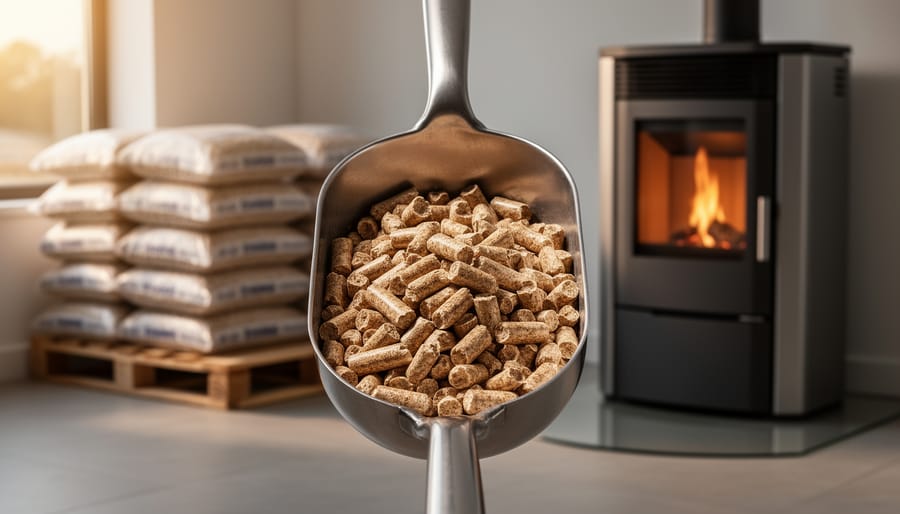


Check the pellet bag for a premium or super premium grade designation and verify the ash content stays below 1% to ensure clean burning and minimal maintenance. Buy pellets made from hardwood or a hardwood blend rather than softwood varieties—they generate more heat per pound and produce less ash buildup in your stove, directly impacting your monthly heating costs. Store your pellets on pallets in a climate-controlled space at least six inches off the ground, keeping them in sealed bags until use to prevent moisture absorption that destroys fuel efficiency and causes operational problems. Source your fuel supply during summer months when prices drop by 15-30%, and establish a relationship with local dealers who can guarantee consistent pellet quality throughout the heating season.
The difference between mediocre and exceptional pellet fuel isn’t just about heat output—it’s about transforming your pellet stove from a temperamental appliance into a reliable, eco-friendly heating solution that keeps your home comfortable while protecting your investment. Quality pellets burn cleaner, require less frequent cleaning, and produce consistent heat without the frustrating clinkers and excessive ash that plague homeowners who choose fuel based solely on price. Understanding what separates premium pellets from bargain brands empowers you to make confident purchasing decisions that optimize both performance and cost-effectiveness. Whether you’re new to pellet heating or looking to improve your current experience, mastering the fundamentals of fuel quality, proper storage techniques, and strategic sourcing will ensure your pellet stove delivers the warmth and ambiance your home deserves throughout even the coldest winters.
What Makes Pellet Fuel Good (Or Terrible)
The Numbers That Matter on Every Bag
When you’re standing in the store looking at bags of pellets, those numbers printed on the label aren’t just marketing fluff—they’re your roadmap to performance and efficiency. Understanding what they mean helps you choose fuel that keeps your home cozy without wasting money or creating unnecessary hassle.
BTU ratings tell you how much heat energy you’re getting per pound of pellets. Premium pellets typically deliver 8,000 to 8,500 BTUs per pound. While higher numbers sound appealing, what matters most is consistency—you want predictable heat output that matches your stove’s design.
Ash content is equally important for your daily experience. Quality pellets produce less than one percent ash, meaning you’ll spend less time cleaning and more time enjoying your fire. Higher ash percentages mean more frequent maintenance and potential buildup that can reduce efficiency over time.
Moisture content should stay below six percent. Drier pellets burn hotter and cleaner, producing less creosote and minimizing the risk of clinkers—those frustrating chunks that can jam your stove’s feed system. Excess moisture means you’re essentially paying to burn water instead of getting useful heat.
These three specifications work together to define your pellet-burning experience. Premium pellets with low moisture, minimal ash, and consistent BTU output cost slightly more upfront but deliver better value through efficient burning, reduced maintenance, and reliable performance throughout the heating season.
Hardwood vs. Softwood: The Truth Behind the Debate
Let’s clear up some misconceptions about hardwood versus softwood pellets. Many people assume hardwood automatically means better quality, but that’s not necessarily true. Both types can deliver excellent heat when manufactured properly.
The real difference lies in density and burn characteristics. Hardwood pellets typically produce slightly more heat per pound and leave behind less ash, making them ideal if you’re prioritizing maximum heat output and minimal cleanup. They burn a bit longer too, which means fewer refills during those cold winter nights.
Softwood pellets, made from pine, fir, or spruce, actually contain more lignin—a natural binding agent—which means they often hold together better during manufacturing and produce robust, consistent flames. They’re frequently less expensive than hardwood options while still delivering plenty of warmth for your home.
Here’s the truth: premium softwood pellets often outperform low-quality hardwood pellets. Focus on certification standards and moisture content rather than getting caught up in the hardwood-versus-softwood debate. Many satisfied pellet stove owners find that softwood works beautifully for everyday heating, while others prefer the extended burn time of hardwood.
The best approach? Try both types and see which performs better in your specific stove. Your heating needs, budget, and stove design matter more than wood type alone.
Premium vs. Standard Grade Pellets
When choosing pellet fuel, you’ll encounter two main categories: premium and standard grade. The Pellet Fuels Institute (PFI) certification helps distinguish quality levels based on ash content, moisture, and BTU output.
Premium pellets typically produce less than 0.7% ash content, contain minimal moisture (under 6%), and deliver consistent heat output. This means fewer maintenance headaches—you’ll clean your stove less frequently and experience better combustion efficiency. Standard pellets, while meeting basic PFI standards with ash content around 2-3%, may leave more residue and require more frequent cleaning.
Are premium pellets worth the extra cost? For most homeowners, yes. The difference often amounts to just $20-40 per ton, but you’ll gain cleaner burns, reduced chimney buildup, and less frequent ash removal. If you’re heating your home daily throughout winter, that translates to fewer service calls and longer equipment life. Standard pellets work fine for occasional use, but daily burners benefit significantly from premium fuel’s consistency and cleanliness—making it a smart investment in both your comfort and your stove’s longevity.
How Bad Storage Ruins Good Pellets
The Moisture Problem Nobody Talks About
Here’s the reality most pellet stove owners discover the hard way: wood pellets are surprisingly thirsty. These compressed cylinders act like tiny sponges, eagerly absorbing moisture from the air around them. Even a small amount of humidity can transform premium pellets into problematic fuel.
When pellets absorb moisture, their tightly compressed structure begins to soften and expand. You’ll notice them starting to crumble or fall apart in your hands. But the real trouble happens inside your stove. Damp pellets don’t burn efficiently because moisture content directly interferes with combustion. Instead of producing steady, clean heat, wet pellets create excessive smoke, leave behind crusty clinkers that clog your burn pot, and generate far less warmth per pound than dry pellets should.
The performance drop can be dramatic. Pellets stored improperly might contain 15-20% moisture instead of the ideal 6-8%, cutting your heat output significantly while increasing ash production. Your stove will work harder, burn through fuel faster, and struggle to maintain consistent temperatures. Some homeowners mistakenly blame their stove when moisture-damaged pellets are the real culprit. Understanding this vulnerability helps you protect your investment and maintain that cozy, eco-friendly heating solution you’re counting on throughout winter.
Storage Solutions That Actually Work
Finding the right storage solution for your pellet fuel can make the difference between efficient, trouble-free heating and dealing with moisture-damaged pellets that burn poorly. The good news is that you have several practical options that fit different spaces and budgets.
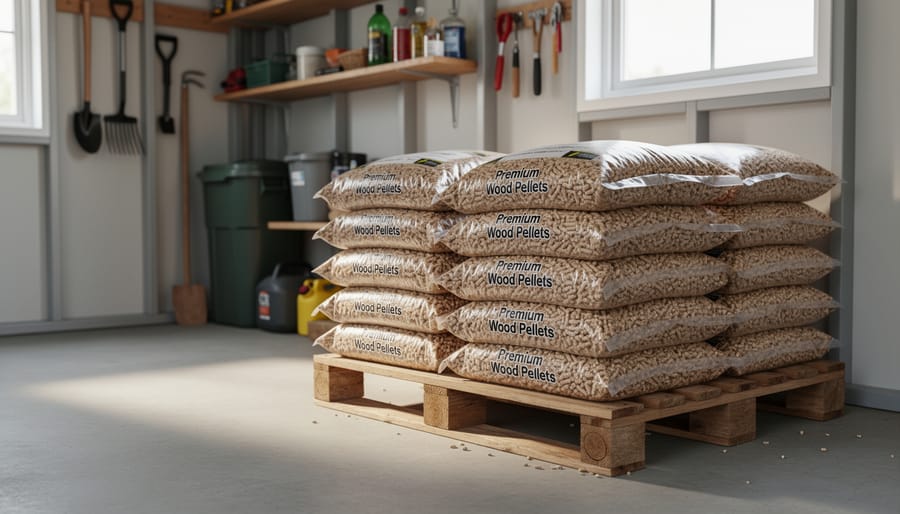
For most homeowners, the garage offers an ideal middle ground. Storing pellets on pallets or raised platforms keeps bags off potentially damp concrete floors. Even a simple 2×4 frame covered with plywood creates adequate elevation. Position your pellets away from garage doors where temperature fluctuations and moisture infiltration are most common. If you stack bags, create stable pyramids no more than five bags high to prevent crushing the bottom layers.
Outdoor sheds work wonderfully when properly maintained. Ensure your shed has solid roofing without leaks and adequate ventilation to prevent condensation buildup. A dehumidifier or moisture-absorbing products provide extra protection in humid climates. Remember that pellets are an eco-friendly heating solution, so protecting them from the elements maximizes both their efficiency and your investment.
Commercial storage containers designed specifically for pellets offer premium convenience. These weatherproof bins feature tight-sealing lids and often include wheels for easy mobility. While pricier than DIY options, they provide excellent protection and keep your storage area looking tidy.
For budget-conscious homeowners, large plastic storage totes with secure lids work surprisingly well for opened bags. Transfer pellets from torn bags immediately to prevent moisture exposure. Label containers with purchase dates to ensure you use older stock first.
Whatever solution you choose, prioritize accessibility. Store your most frequently used supply within easy reach of your pellet stove, keeping perhaps a week’s worth indoors in a dedicated container. This approach minimizes trips to your main storage area while maintaining that cozy warmth throughout your home during cold weather.
Handling Pellets Without Breaking Your Back
Let’s be honest—lugging 40-pound bags of pellets isn’t exactly the cozy part of pellet stove ownership. But with a few smart strategies, you can save your back and make pellet management surprisingly painless.
Start with the right tools. A basic two-wheel hand truck transforms this chore completely, letting you wheel multiple bags from your car to storage in one trip. Some homeowners swear by utility carts with larger wheels that glide smoothly over uneven garage floors or gravel driveways. If you’re storing pellets in a basement, consider keeping a smaller wheeled bin nearby to refill your stove without constant trips to your main supply.
Stack smart, not high. Arrange bags no more than five or six high to prevent the dreaded avalanche situation and make grabbing bags from the middle easier. Store them on pallets or plywood to protect against moisture from concrete floors—this also keeps your fuel quality top-notch throughout the season.
Create a rotation system by dating bags with a marker and using older stock first. Position frequently accessed bags at waist height to minimize bending. If you buy in bulk, dedicate a specific storage zone in your garage or shed where you can organize bags by purchase date.
Consider splitting large deliveries with a neighbor to reduce individual handling. Your heating experience should feel warm and inviting, not leave you reaching for muscle rub.
Where to Buy Pellets (Without Getting Ripped Off)
Big Box Stores vs. Local Dealers
When it comes to purchasing pellet fuel, you’ll find yourself choosing between the convenience of big box retailers and the expertise of local specialty dealers. Each option has distinct advantages worth considering for your heating needs.
Big box stores like Home Depot and Lowe’s offer undeniable convenience. You can grab pellets during your weekend errands, often at competitive prices, especially during off-season sales. However, pellet quality can vary significantly between shipments, and you’re largely on your own when it comes to selecting the right fuel for your specific stove model.
Local fireplace and stove dealers bring something different to the table: personalized guidance. These specialists understand regional wood sources, can recommend brands that perform best in your stove, and often stock premium pellets that big boxes don’t carry. Yes, you might pay slightly more per bag, but you’re investing in consistency and expertise. They’ll also help troubleshoot if you experience performance issues, knowing exactly which fuel characteristics might be causing problems.
Consider splitting your strategy: stock up on reliable brands from big boxes when prices drop, but establish a relationship with a local dealer for expert advice and premium options when your stove demands better.
Buying in Bulk: When It Makes Sense
Buying pellets by the ton or pallet typically offers significant savings compared to purchasing individual bags. Most retailers provide discounts ranging from 10-25% when you commit to larger quantities, which can translate to $50-$100 in savings per heating season for an average household.
Before committing to bulk purchases, consider your storage capacity honestly. A ton of pellets (typically 50 forty-pound bags) requires approximately 4×4 feet of floor space when stacked properly. You’ll need a dry, climate-controlled area like a garage or basement where moisture can’t compromise your investment. Remember, even slight dampness can ruin pellets and negate any cost savings.
The break-even point for bulk buying usually kicks in after your first heating season. If you burn three or more tons annually, bulk purchasing makes excellent financial sense. However, new pellet stove owners might want to start with smaller quantities until they understand their actual consumption patterns.
Consider splitting a bulk order with a neighbor who also heats with pellets. This approach lets you capture bulk pricing while reducing your storage burden and financial commitment. Just ensure you transport and store your share immediately to maintain quality.
The Best Time to Stock Up
Timing your pellet fuel purchases strategically can save you hundreds of dollars each heating season. Just like buying firewood, there’s an art to finding the best deals on premium pellets.
The sweet spot for stocking up typically falls in late spring through early summer, when demand drops and dealers are eager to clear warehouse space for incoming inventory. You’ll often find prices 15-30% lower during these off-peak months compared to the panic-buying rush that happens once temperatures start dropping. Many retailers run special promotions in April and May, making it the perfect time to fill your storage area.
Fall brings a second, smaller window of opportunity. Early September sales sometimes appear before the heating season kicks into high gear, though savings won’t match summer pricing. Once October arrives, prices climb steadily through winter as supply tightens and demand peaks.
To estimate your seasonal needs, start by tracking how many bags you burn weekly during different temperature ranges. Most homeowners using pellet stoves as their primary heat source consume between two to four tons per season, depending on home size, insulation quality, and climate. Calculate your expected heating season costs based on historical usage to determine your bulk purchase quantity.
Consider buying by the ton rather than individual bags. Volume discounts typically kick in at the half-ton mark, with full pallets offering the best per-bag pricing. This approach reduces both cost and trips to the store, letting you focus on enjoying your cozy, eco-friendly warmth all winter long.
Testing Your Pellets Before You’re Stuck With Them
The Water Glass Test
Here’s a simple test you can do right in your kitchen to check if you’re working with quality pellets. Just grab a glass of water and drop a few pellets in. Good-quality pellets should hold their shape for at least 30-60 seconds before slowly breaking apart. If they immediately disintegrate or crumble within seconds, that’s a red flag indicating weak binding agents or excessive fines. Premium pellets with proper lignin content (the natural glue in wood) will maintain their structure longer, showing they’ll burn more efficiently in your stove. This quick test gives you peace of mind about your fuel purchase and helps you avoid pellets that might create excess ash or cause feed system problems. It’s especially useful when trying a new brand or supplier for the first time.
What Your Ash Tells You
After you’ve been burning pellets for a while, take a moment to examine what’s left behind—the ash tells an important story about your fuel quality. High-quality pellets should produce minimal ash, typically less than one percent of the original volume. If you’re emptying your ash pan more frequently than expected, it’s a sign your pellets contain excessive filler materials or impurities.
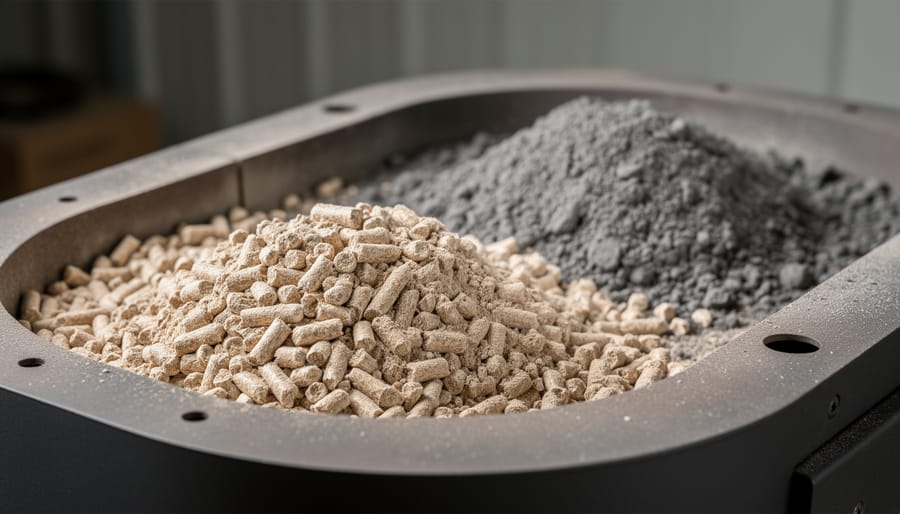
The ash itself should be fine, powdery, and light gray in color. This feathery consistency indicates complete combustion and quality hardwood content. Dark, chunky ash or glassy, rock-like formations called clinkers suggest lower-grade pellets with high bark content or additives. Clinkers are particularly troublesome—they can block airflow, reduce efficiency, and even damage your stove’s burn pot over time.
Pay attention to how easily the ash falls through your stove’s grate system. Quality pellet ash flows freely, while poor-quality fuel leaves behind stubborn deposits that require frequent scraping. This simple observation can save you money and headaches by helping you identify which brands deliver the clean, efficient burn your home deserves. Remember, investing in premium pellets means less maintenance and more time enjoying your cozy, eco-friendly warmth.
Signs of Poor Quality in the Bag
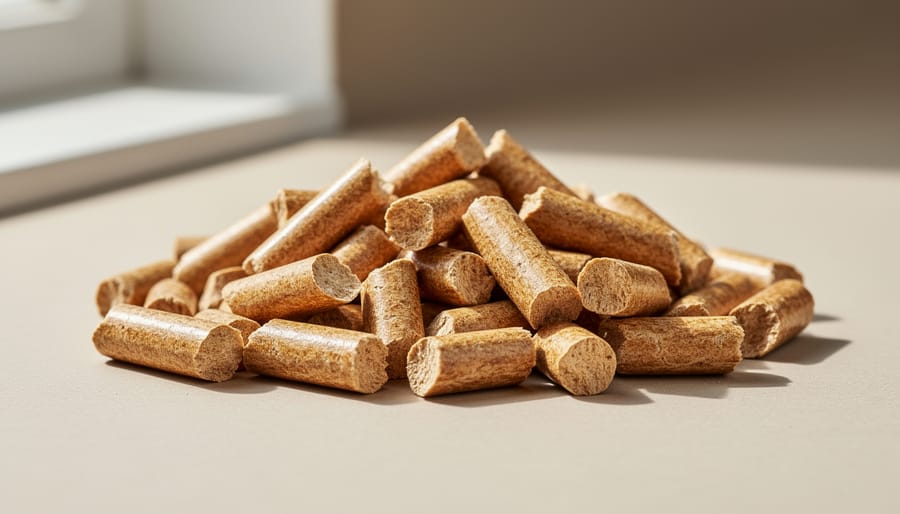
Before you even light your first fire, a simple visual inspection can tell you volumes about your pellet quality. Pour a handful from the bag and examine them closely. Quality pellets should look uniform in color—typically a light tan to darker brown depending on the wood species—with a smooth, consistent texture throughout.
Watch out for excessive sawdust or fines accumulating at the bottom of the bag, which indicates poor manufacturing or rough handling during transport. This fine dust can clog your stove’s auger and create airflow problems. Similarly, broken or cracked pellets suggest weak binding, meaning they’ll likely crumble further and create more maintenance headaches for you.
Check for discoloration, dark spots, or shiny surfaces that might indicate excessive moisture or contaminants. Quality pellets should have minimal dust clinging to them and feel dry and firm to the touch. If you notice an unusual smell—anything chemical or moldy—that’s a definite red flag. Remember, premium pellets are an investment in your home’s comfort and your stove’s longevity, so don’t hesitate to inspect before purchasing in bulk.
The Eco-Friendly Side of Pellet Fuel
Why Pellets Beat Other Heating Fuels
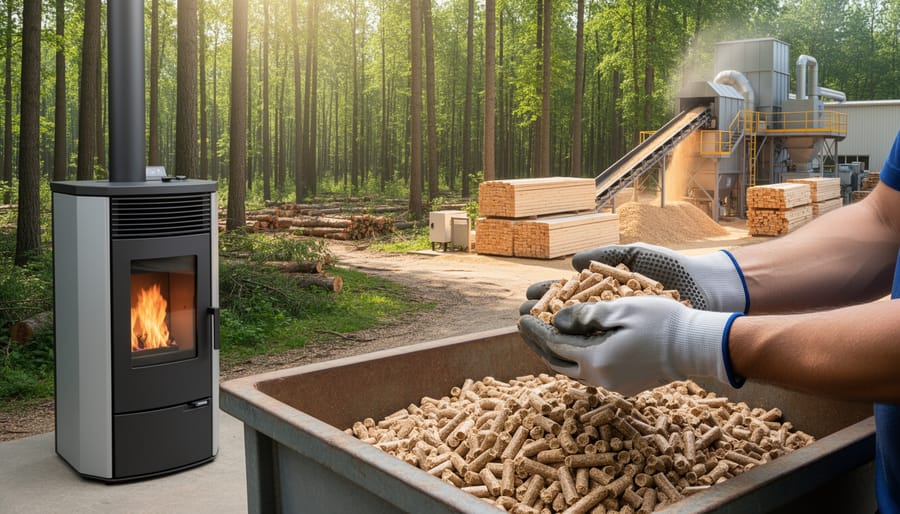
When you’re weighing your home heating options, wood pellets emerge as a clear environmental winner. Unlike fossil fuels such as oil, natural gas, or propane that release carbon locked away underground for millions of years, pellets operate on a carbon-neutral cycle. The trees used to make pellets absorbed carbon dioxide while growing, and burning those pellets simply returns that same carbon to the atmosphere—creating a balanced equation.
Compare this to heating oil, which releases about 163 pounds of carbon dioxide per million BTUs, or natural gas at 117 pounds. Pellets produce similar emissions during combustion, but the crucial difference lies in their renewable nature. You’re essentially burning yesterday’s sunshine rather than prehistoric deposits.
Even better, most pellets come from sawdust and wood waste that would otherwise decompose or end up in landfills, releasing methane—a greenhouse gas far more potent than carbon dioxide. By choosing pellets, you’re turning waste into warmth while supporting sustainable forestry practices.
For homeowners seeking an eco-friendly heating solution that doesn’t compromise on performance, pellets offer the perfect balance. You’ll enjoy cozy, consistent heat while significantly reducing your carbon footprint compared to conventional fuels—a win for both your comfort and the planet.
Finding Truly Sustainable Pellets
Choosing truly sustainable pellets goes beyond just burning wood—it’s about making conscious decisions that benefit both your home and the environment. Look for pellets with certifications like the Pellet Fuels Institute (PFI) Standard or ENplus, which verify quality and sustainable sourcing practices. These certifications ensure the pellets come from responsibly managed forests and manufacturing processes that minimize environmental impact.
Sourcing locally-produced pellets is one of the best ways to reduce your carbon footprint while supporting your community. Local pellets typically travel fewer miles from production to your home, cutting down on transportation emissions. Plus, you can often visit or research the manufacturer to understand their sourcing practices firsthand. Many regional producers use sawdust and wood waste from local mills, turning what would be waste into clean-burning fuel.
When evaluating suppliers, ask about their supply chain. Where does the raw material come from? Are they using waste wood or whole trees? Reputable suppliers are transparent about their processes and happy to explain their sustainability commitments. Remember, truly eco-friendly pellets combine certified quality standards with local sourcing—giving you efficient heat while keeping your environmental impact low. This mindful approach to fuel selection transforms your pellet stove into a genuinely green heating solution.
Making smart choices about your pellet stove fuel doesn’t have to be overwhelming. As we’ve explored, the path to a warmer, more efficient home starts with understanding what makes quality pellets, storing them properly, and finding reliable sources that fit your budget.
The beautiful thing about pellet stove heating is that small improvements create noticeable results. Start with one change at a time. Perhaps you’ll begin by testing a premium pellet brand to see the difference in heat output and ash production. Or maybe you’ll reorganize your storage area to better protect your fuel from moisture. Each step you take enhances your heating experience and brings you closer to the cozy, cost-effective warmth you’re seeking.
Remember, your pellet stove is more than just a heating appliance—it’s a lifestyle choice that connects you to eco-friendly home comfort. By investing a little attention in fuel quality and care, you’re not only saving money and improving efficiency, but you’re also embracing a sustainable heating solution that benefits your home and the environment. Take what resonates with you from these tips, implement one improvement this season, and enjoy the enhanced warmth and satisfaction that comes with mastering your pellet stove heating system.