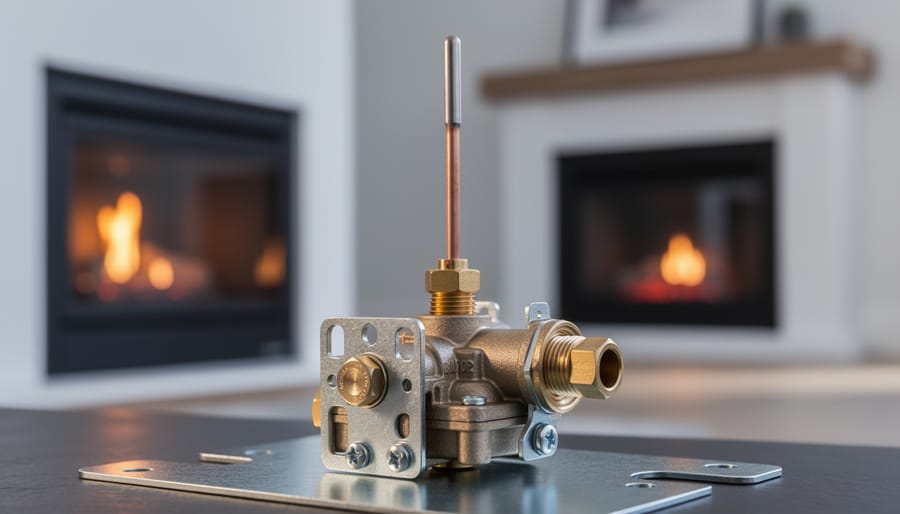


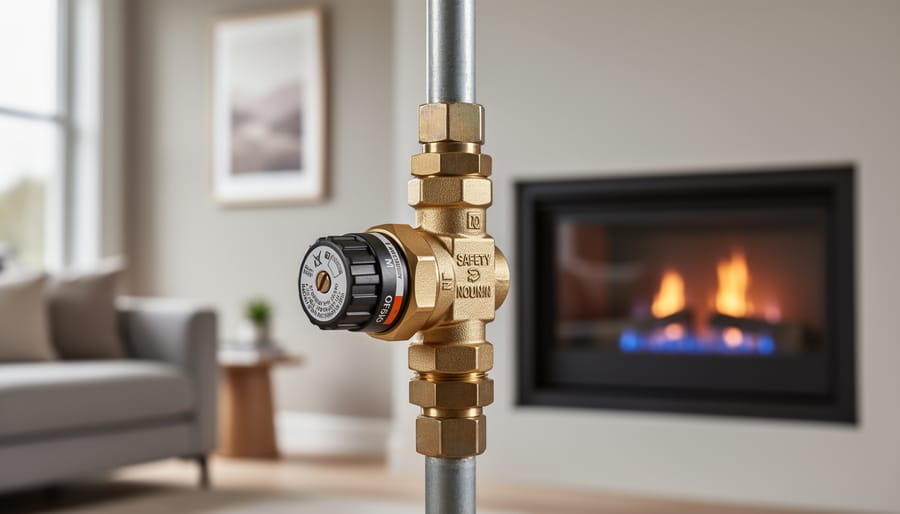
Your gas fireplace’s safety valve stands as the critical guardian between cozy comfort and potential danger, automatically shutting off gas flow when it detects unsafe conditions like flame failure or oxygen depletion. This essential component—often called a flame failure device or oxygen depletion sensor—works silently behind your fireplace’s elegant facade, monitoring conditions every second your fire burns.
Understanding how your safety valve functions empowers you to recognize warning signs before they become emergencies. When the thermocouple or thermopile detects your pilot light has extinguished, it signals the valve to close within seconds, preventing unburned gas from entering your living space. Similarly, if oxygen levels drop below safe thresholds, the sensor triggers an immediate shutdown, protecting your family from carbon monoxide risks while maintaining your home’s warm atmosphere.
Most homeowners never think about their safety valve until something goes wrong—a fireplace that won’t stay lit, intermittent shutdowns, or a pilot light that repeatedly extinguishes. These symptoms often indicate a valve requiring adjustment, cleaning, or replacement rather than complete system failure. Recognizing the difference between normal safety responses and genuine malfunctions helps you make informed decisions about maintenance timing and professional intervention.
Whether you’re troubleshooting an existing system, planning a new installation, or simply conducting responsible seasonal maintenance, knowing your safety valve’s operation transforms you from passive user to confident fireplace steward. This knowledge ensures your heating solution remains both eco-friendly and secure, delivering reliable warmth without compromising your household’s wellbeing.
What Exactly Is a Gas Fireplace Safety Valve?
The Different Types of Safety Valves in Gas Fireplaces
Your gas fireplace likely contains one of several safety valve systems designed to keep your home secure and cozy. Understanding which type you have can help you maintain your fireplace better and recognize when something needs attention.
The most traditional system uses a pilot safety valve paired with a thermocouple. Think of the thermocouple as a tiny temperature sensor that sits in your pilot flame. When the pilot light is burning, it heats the thermocouple, which creates a small electrical current that tells the safety valve to stay open. If your pilot goes out unexpectedly, the thermocouple cools down within seconds, cutting off the gas supply automatically. This reliable, time-tested technology has been warming homes for decades and requires no electricity to function, making it perfect for off-grid living or as a backup heat source during power outages.
A step up from thermocouples, thermopiles work on similar principles but generate more electrical power. This extra energy allows them to operate more complex fireplace controls and remote systems while maintaining the same safety shutdown features. Many homeowners appreciate this upgrade for the added convenience without sacrificing reliability.
Modern gas fireplaces often feature electronic ignition systems with sophisticated safety valves. These systems eliminate the need for a constantly burning pilot light, which makes them more energy-efficient and environmentally friendly. Electronic safety valves use sensors and circuit boards to monitor flame presence and shut off gas flow if any irregularities are detected.
Each system offers dependable protection, so the best type for your home depends on your preferences for convenience, energy efficiency, and whether you want your fireplace to operate during power outages.
How Safety Valves Protect Your Home (And Why They Sometimes Fail)
Warning Signs Your Safety Valve Needs Attention
Your gas fireplace safety valve works quietly behind the scenes, but it’s always communicating. Learning to recognize its warning signs can help you catch small issues before they become serious problems, keeping your home safe and your fireplace functioning beautifully.
The most common red flag is pilot light trouble. If your pilot light frequently goes out, won’t stay lit, or burns with a weak, yellowish flame instead of a strong blue one, your safety valve may be struggling to regulate gas flow properly. This isn’t just inconvenient—it’s your fireplace telling you something needs attention.
Pay attention to your nose. While natural gas is odorless, utility companies add a distinctive sulfur-like smell for safety. If you notice this odor around your fireplace, even faintly, turn off your gas supply immediately and contact a professional. This could indicate a faulty safety valve isn’t closing completely.
Starting difficulties often point to valve issues too. Does your fireplace require multiple attempts to ignite? Does it take longer than usual to get going? These struggles suggest the safety valve might not be opening fully or responding sluggishly to the thermocouple’s signals.
Watch your flames carefully. Inconsistent flame patterns—dancing erratically, changing colors unexpectedly, or producing more soot than usual—can indicate improper gas regulation. Healthy flames should be steady, predominantly blue, and consistent.
Finally, listen to your fireplace. Unusual hissing, clicking, or whistling sounds near the valve assembly aren’t normal and deserve investigation. Your safety valve is a hardworking component that enables both the warmth and eco-friendly efficiency of your gas fireplace lifestyle. Recognizing these warning signs early means addressing issues before they compromise your comfort or safety.
Installing Your Gas Fireplace: Getting the Safety Valve Right From Day One
Why Professional Installation Isn’t Optional for Gas Appliances
When it comes to gas fireplace safety valves and overall installation, this is one area where rolling up your sleeves for a DIY project simply isn’t worth the risk. We completely understand the appeal of hands-on home improvement—there’s real satisfaction in creating a cozy gathering space yourself. However, gas appliances require certified professionals for several compelling reasons that go beyond just being cautious.
First, local building codes and safety regulations aren’t suggestions—they’re legal requirements designed to protect your family. A licensed technician understands code requirements specific to your area and ensures your installation meets every standard. They’ll also verify proper ventilation, which is critical for preventing carbon monoxide buildup.
Safety valve calibration is particularly nuanced work. These valves must respond precisely to temperature changes and gas flow irregularities. Even a slight miscalibration can mean your valve fails to shut off gas when needed, or conversely, triggers false alarms that leave you without heat during winter evenings.
The consequences of amateur installation extend beyond immediate safety concerns. Improperly installed gas lines can void your homeowner’s insurance, and you may face liability issues if problems arise. Additionally, most manufacturer warranties require professional installation—attempting it yourself could mean losing coverage on an expensive appliance.
Think of professional installation as an investment in peace of mind. You’re not just paying for technical expertise; you’re ensuring your family’s safety and protecting your home’s value.
Maintaining Your Safety Valve: Simple Steps That Save Lives
When to Call a Professional for Safety Valve Service
While keeping your gas fireplace in top condition is part of responsible homeownership, there’s an important distinction between what you can handle and when it’s time to bring in a certified technician. Think of it like maintaining your car – you might check the oil, but you’d call a mechanic for transmission work.
Basic tasks you can confidently manage include visual inspections of the safety valve for obvious damage, testing the emergency shut-off function, and keeping the area around your fireplace clean and unobstructed. These simple checks can become part of your seasonal home maintenance routine.
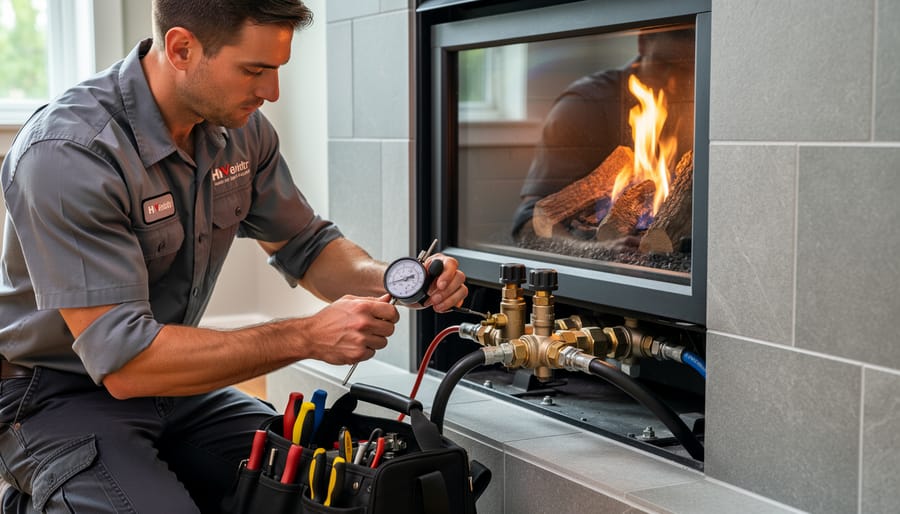
However, professional service is essential for anything involving gas lines, valve replacement, or internal repairs. Even if you’re handy around the house, working with natural gas requires specialized training and proper tools. A qualified technician should inspect your gas fireplace safety valve annually, ideally before the heating season begins. This timing ensures your fireplace is ready to provide that cozy warmth exactly when you need it.
During a professional inspection, expect your technician to test gas pressure levels, check all connections for leaks, examine the thermocouple and pilot assembly, verify proper valve operation under various conditions, and assess overall system efficiency. This comprehensive approach not only keeps your family safe but also ensures your fireplace operates as an efficient, eco-friendly heating solution.
If you notice gas odors, inconsistent flame patterns, difficulty operating the valve, or if your fireplace is more than ten years old without recent service, don’t wait for your annual inspection – call a professional immediately.
Troubleshooting Common Safety Valve Issues (Safely)
Even the most reliable gas fireplace safety valves can occasionally present issues, and knowing how to safely diagnose common problems can save you time and money. However, there’s a fine line between helpful troubleshooting and potentially dangerous DIY territory, so let’s walk through what you can safely address and when it’s time to call in the professionals.
If your pilot light won’t stay lit after releasing the control knob, this is often the most common safety valve issue homeowners face. First, ensure you’ve held the pilot button down for at least 30 seconds to allow the thermocouple to heat up properly. Try the process again, this time holding for a full minute. If the pilot still won’t stay lit, check that the thermocouple is positioned directly in the pilot flame. Sometimes it shifts slightly out of position and just needs gentle adjustment back into the flame’s path. This is a safe fix you can attempt yourself.
When your valve won’t open or the fireplace won’t ignite at all, start with the simplest explanations. Check that your gas supply is actually on by locating the gas shut-off valve near your fireplace and confirming it’s in the open position. Verify your thermostat batteries if you have a remote system, and ensure the wall switch is functioning. These basic checks resolve many issues without touching the valve itself.
Here’s where safety boundaries become critical: if you smell gas, hear hissing, or notice any physical damage to the valve or gas lines, stop immediately and call a professional. Never attempt to disassemble the safety valve, force stuck components, or bypass any safety features, even temporarily. These eco-friendly heating solutions are designed with multiple fail-safes for your protection, and tampering with them can create dangerous situations.
If simple troubleshooting doesn’t resolve the issue within 10-15 minutes, that’s your signal to contact a certified gas fireplace technician who has the proper tools and training to safely diagnose and repair more complex valve problems.
Upgrading to Modern Safety Valve Technology
If you’ve been enjoying your gas fireplace for several years, you might be surprised to learn just how far safety valve technology has come. Modern innovations are transforming these essential components from simple safety devices into smart, efficient guardians of your home’s comfort and security.
Today’s advanced safety valves incorporate sensors that can detect everything from oxygen depletion to abnormal gas flow patterns with remarkable precision. Some newer systems even connect to your home’s smart technology network, sending alerts directly to your smartphone if they detect any irregularities. Imagine receiving a notification that your fireplace has automatically shut down due to a minor ventilation issue before you even notice there’s a problem. That’s the kind of proactive protection modern technology offers.
Beyond enhanced safety features, upgrading to contemporary valve systems can significantly improve your fireplace’s energy efficiency. Newer valves provide more precise control over gas flow, which means your fireplace burns fuel more effectively and wastes less energy. This translates to lower utility bills and a smaller carbon footprint, aligning perfectly with eco-friendly heating solutions that today’s environmentally conscious homeowners value.
The convenience factor shouldn’t be overlooked either. Modern valves integrate seamlessly with programmable thermostats and remote controls, allowing you to customize your fireplace experience with greater flexibility. You can schedule heating times, adjust flame heights more precisely, and even create different ambiance settings for various occasions.
If your gas fireplace is more than ten to fifteen years old, consulting with a qualified technician about upgrading your safety valve system is worth considering. While older valves may still function adequately, the combination of improved safety features, energy savings, and enhanced convenience often makes upgrading a wise investment in your home’s comfort and your family’s wellbeing.
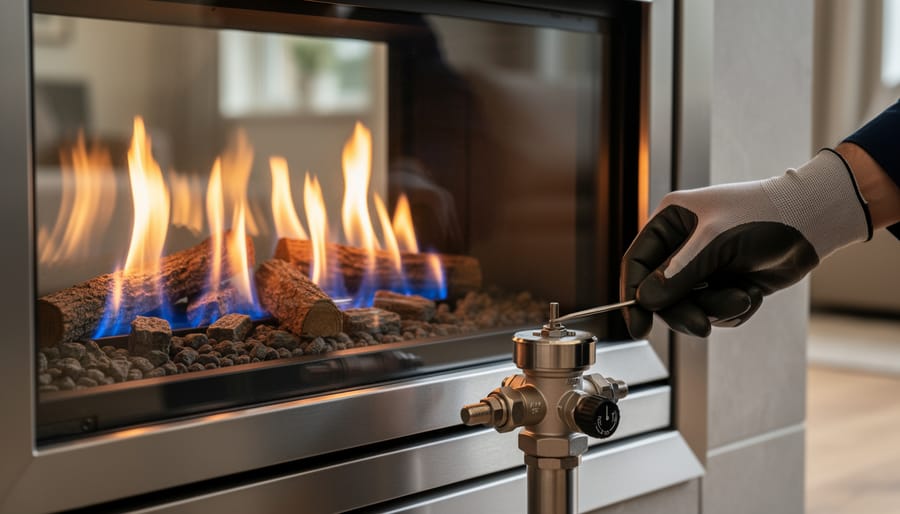
Your gas fireplace safety valve isn’t just another component tucked away in your hearth—it’s the guardian that stands between your family and potential hazards. Think of it as the unsung hero working quietly behind the scenes every time you kindle those comforting flames. Understanding and maintaining this vital piece gives you something invaluable: peace of mind as you create those cozy evenings by the fire.
The good news? Caring for your safety valve doesn’t require advanced technical skills or countless hours of effort. A few simple practices—regular visual inspections, annual professional maintenance, and staying alert to your fireplace’s performance—go a long way in ensuring years of safe operation. When you notice anything unusual, from strange odors to flames that don’t look quite right, you’re already doing your part by paying attention.
Here’s what you can do right now: Schedule your annual inspection if you haven’t had one recently. Test your carbon monoxide detectors and replace batteries if needed. Take a moment to familiarize yourself with where your main gas shutoff valve is located. These small actions today prevent larger concerns tomorrow.
Remember, a well-maintained gas fireplace is both an eco-friendly heating solution and a lifestyle element that enhances your home’s warmth and ambiance. With proper attention to your safety valve and overall system care, you’re not just maintaining equipment—you’re protecting the moments that matter most, from quiet evenings with a good book to gathering with loved ones around dancing flames.