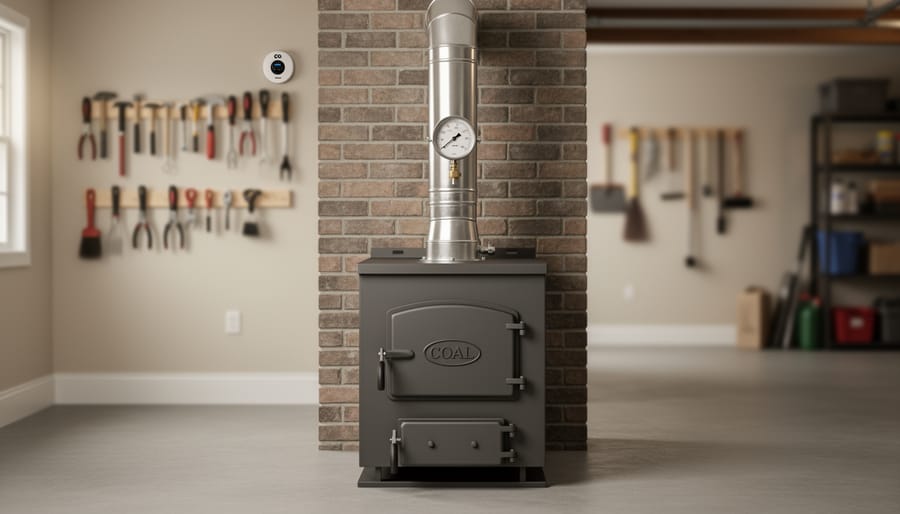


Ensure your coal boiler venting system removes dangerous combustion gases completely from your living space by installing Type L stainless steel venting that extends at least three feet above your roofline and two feet higher than any structure within ten feet. Your vent pipe must maintain proper draft—typically requiring a minimum diameter of six inches for residential coal boilers—and include a barometric damper positioned eighteen to twenty-four inches above the boiler to regulate air flow and prevent backdrafts during changing weather conditions.
Inspect your venting connections monthly during heating season, checking for creosote buildup, corrosion, or gaps where dangerous carbon monoxide could leak into your home. Coal combustion produces significantly more ash and particulates than other fuels, making annual professional chimney cleaning non-negotiable for safe operation. Your chimney liner should be specifically rated for coal burning, which generates higher temperatures and more corrosive byproducts than wood or gas systems.
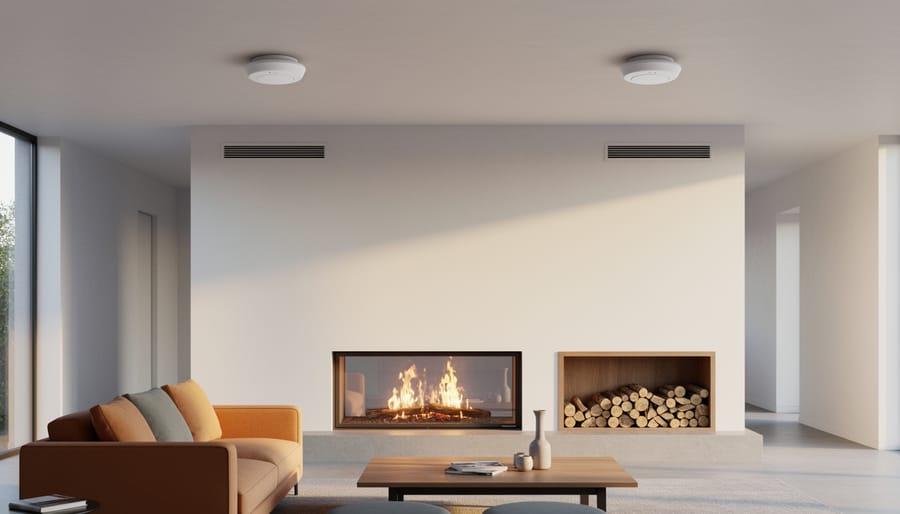
Position intake air vents to draw fresh combustion air from outside rather than depleting oxygen from your living spaces. This approach improves heating efficiency while reducing the risk of incomplete combustion that creates deadly carbon monoxide. Install battery-backup carbon monoxide detectors on every floor, particularly near sleeping areas, as proper venting protects your family from invisible, odorless gases that can prove fatal within minutes.
Understanding these requirements transforms your coal heating system from a potential hazard into a reliable, eco-friendly heating solution that provides comforting warmth throughout winter while keeping your household safe.
Understanding Coal Boiler Venting Basics
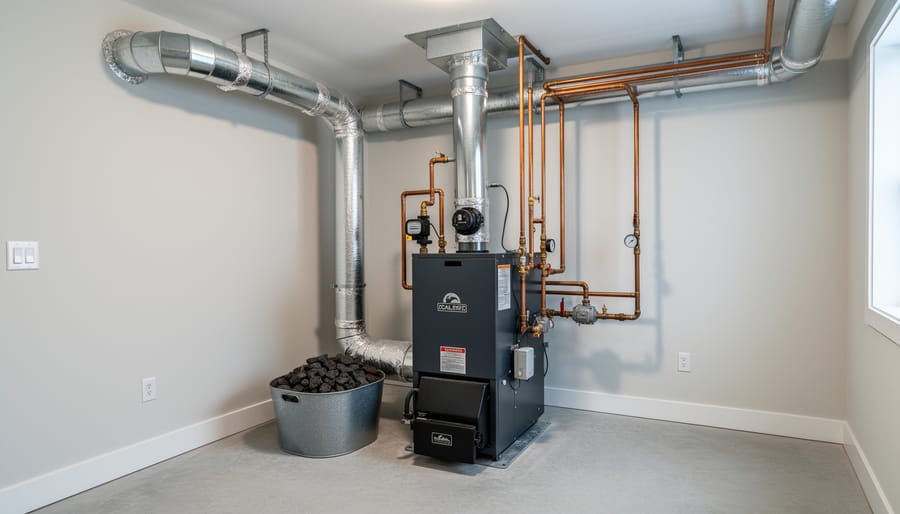
How Coal Combustion Differs from Other Fuels
Coal stands apart from natural gas, oil, and wood in several important ways that directly impact how your boiler needs to be vented. Understanding these differences helps ensure your home stays safe and efficient.
The coal combustion characteristics create unique venting challenges. Coal naturally contains higher sulfur content than most other fuels, which means combustion produces sulfuric acid as a byproduct. This corrosive substance can quickly deteriorate standard chimney materials if your venting system isn’t properly designed for coal use.
Temperature is another key factor. Coal burns at different temperatures compared to gas or oil, producing flue gases that behave differently as they travel through your venting system. These temperature variations affect draft requirements and condensation patterns inside your chimney.
Coal also generates significantly more ash and particulate matter than cleaner-burning fuels. These solid byproducts can accumulate in your venting system, restricting airflow and creating potential safety hazards if not properly managed through regular maintenance.
If you’re considering alternatives, dual fuel systems offer flexibility while potentially simplifying venting requirements. However, if coal heating suits your lifestyle and budget, proper venting design addresses these unique characteristics effectively, ensuring safe, efficient operation for years to come.
What Happens When Venting Goes Wrong
When your boiler’s venting system isn’t working properly, the consequences can range from uncomfortable to dangerous. Understanding these risks helps you recognize warning signs before they become serious problems in your home.
The most critical concern is carbon monoxide exposure. This invisible, odorless gas can build up quickly when combustion byproducts aren’t properly vented outside. Early symptoms like headaches, dizziness, and nausea are easy to mistake for the flu, which is why carbon monoxide detectors are absolutely essential in any home with fuel-burning appliances. Long-term exposure or high concentrations can be life-threatening.
Backdrafting is another common issue that occurs when negative air pressure in your home pulls exhaust gases back down the chimney instead of allowing them to escape. You might notice soot stains around your boiler, a persistent burning smell, or condensation forming on nearby windows. This problem often worsens in tightly sealed, energy-efficient homes where there isn’t enough fresh air for proper combustion.
Beyond safety concerns, inadequate venting seriously impacts your heating system’s efficiency. When your boiler can’t breathe properly, it works harder to maintain temperature, burning more fuel and driving up your energy costs. You’ll also face more frequent maintenance issues, including corrosion from condensation buildup and premature equipment failure.
These problems don’t just appear overnight. Regular inspection of your venting system, combined with proper maintenance, protects both your family’s safety and your investment in home comfort. If you notice any warning signs, don’t wait to call a qualified technician.
Essential Chimney Draft Requirements for Coal Systems
Minimum Draft Specifications
When it comes to coal boiler venting, understanding draft pressure might sound intimidating, but think of it as simply measuring how well your chimney “breathes.” Draft is the natural pull that draws smoke and combustion gases up and out of your home, and getting it right is essential for both safety and efficiency.
For coal boilers, you’ll need a minimum draft pressure of 0.02 to 0.04 inches of water column at the appliance outlet during operation. If that sounds technical, here’s what it means in practical terms: this measurement indicates the gentle suction force pulling gases through your system. It’s measured using a simple draft gauge that your heating technician can check during routine maintenance.
Why does this matter for your home’s warmth and safety? Insufficient draft means combustion gases could spill back into your living space instead of venting outside, creating serious health hazards from carbon monoxide exposure. Too much draft, on the other hand, pulls heat up the chimney before it can warm your home, wasting fuel and money.
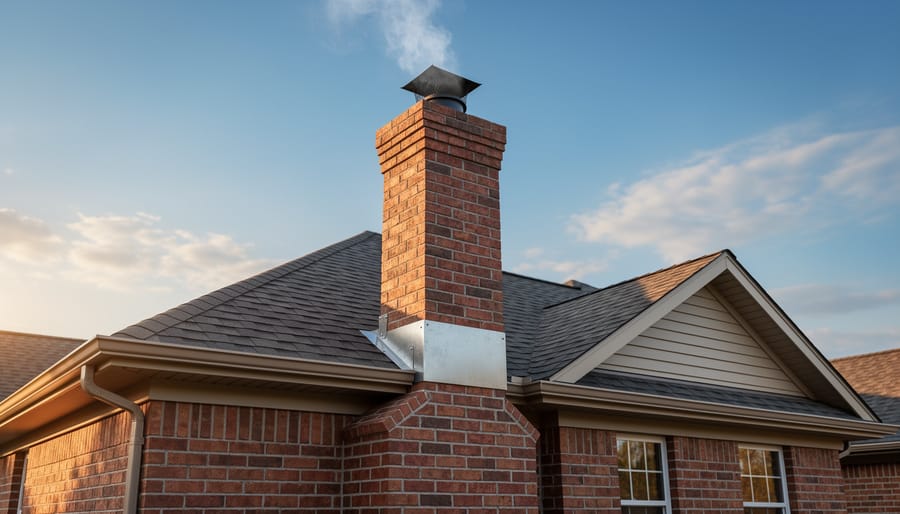
Several factors affect draft pressure, including chimney height, outdoor temperature, and even wind conditions. A taller chimney generally creates stronger draft, which is why coal systems often require substantial vertical venting. Your chimney should extend at least three feet above the roof penetration point and two feet higher than any structure within ten feet.
Professional assessment ensures your system maintains proper draft throughout varying weather conditions, keeping your home cozy and safe while maximizing your heating system’s eco-friendly efficiency.
Factors That Impact Your Chimney’s Draft
Getting the right draft in your chimney is like creating the perfect airflow for a cozy fire – it’s essential for your boiler’s safety and efficiency. Several key factors work together to determine whether your chimney will perform optimally or struggle with insufficient draft.
Chimney height plays a starring role in draft performance. Taller chimneys generally create stronger draft because they provide more space for warm exhaust gases to rise and create that natural pulling effect. Most building codes require chimneys to extend at least three feet above the roof penetration and two feet higher than any roof surface within ten feet.
The diameter of your chimney matters too. A properly sized flue creates the right amount of resistance – not too wide, which can cool gases too quickly, and not too narrow, which restricts flow. Your boiler manufacturer’s specifications will guide you toward the ideal diameter for your system.
Temperature differentials are the engine that drives draft. The greater the difference between the hot exhaust gases and the cool outdoor air, the stronger your draft becomes. This is why chimneys often perform beautifully on cold winter days but may struggle during mild weather or summer maintenance checks.
Outdoor conditions including wind patterns, barometric pressure, and surrounding structures can significantly impact draft performance. Strong winds can create downdrafts or enhance updrafts depending on their direction and your home’s orientation.
Finally, modern home air tightness affects how your boiler breathes. Today’s energy-efficient homes are sealed tightly to reduce heating costs, but your boiler needs adequate combustion air to function safely. Without proper air supply, your system may experience backdrafting or poor performance, making proper ventilation essential for both efficiency and safety.
Venting System Components and Configuration
Chimney Material Requirements
When it comes to venting your coal boiler safely and effectively, choosing the right chimney material isn’t just a technical detail—it’s a crucial decision that affects your home’s safety and your heating system’s longevity. Coal combustion creates unique challenges that your chimney needs to handle year after year.
Traditional masonry chimneys have served homes well for generations, and they remain a solid choice for coal systems when properly constructed and maintained. The thick brick or stone construction provides excellent durability and heat resistance. However, masonry chimneys must be built with fire-rated mortar and appropriate flue tiles to withstand the acidic condensation that coal burning produces. Over time, this moisture can deteriorate mortar joints if the chimney wasn’t designed with coal heating in mind.
That’s where stainless steel liners come into the picture as a modern, eco-friendly solution. These liners can be installed inside existing masonry chimneys or used in new construction, offering superior resistance to the corrosive byproducts of coal combustion. Look for high-grade stainless steel specifically rated for solid fuel applications—this isn’t the place to cut corners on quality.
The material you choose directly impacts your chimney’s ability to maintain proper draft, resist deterioration from acidic condensates, and safely contain the high temperatures coal produces. A deteriorating chimney doesn’t just reduce efficiency; it creates genuine safety hazards including carbon monoxide leaks and potential chimney fires. Consulting with a certified chimney professional ensures you’re making the right material choice for your specific coal heating system and home structure.
Proper Connector Pipe Installation
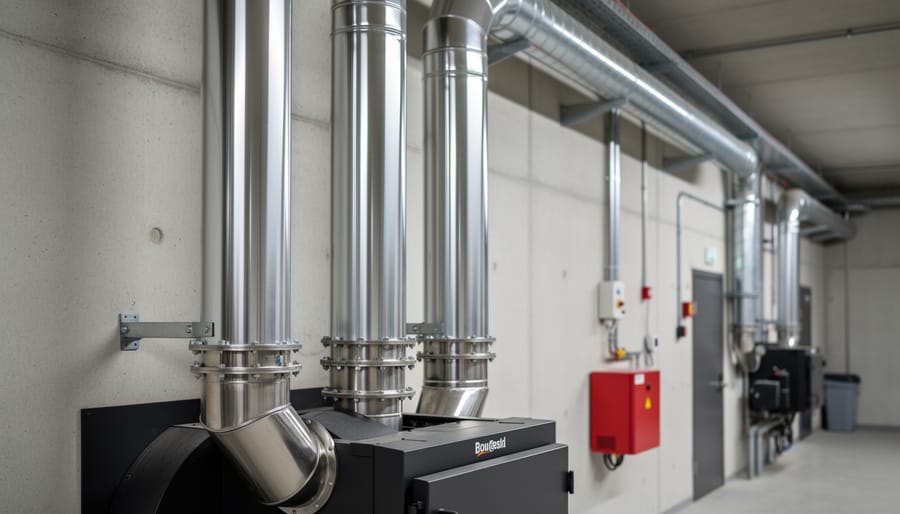
The connector pipe serves as the crucial bridge between your boiler and chimney, and getting it right matters for both safety and efficiency. Think of it as the gateway that ushers exhaust gases from your home’s heating system to the outside world.
First, let’s talk sizing. Your connector pipe should never be smaller than your boiler’s flue collar opening. In most cases, matching the diameter exactly works best, though consulting your boiler’s manual provides the most reliable guidance. An undersized pipe creates dangerous back pressure, potentially forcing harmful gases back into your living space.
Pitch requirements deserve careful attention too. Your connector pipe should slope upward toward the chimney at a minimum rise of one-quarter inch per foot of horizontal run. This gentle upward angle helps hot gases flow naturally while preventing condensation from pooling in the pipe, which can cause corrosion over time.
Material selection depends on your boiler’s exhaust temperature. Single-wall steel pipes work for many coal boiler applications, but you’ll want to verify compatibility with your specific system. Keep combustible materials like wooden walls at least 18 inches away from single-wall connectors, or use approved heat shields to reduce this clearance safely.
Finally, keep horizontal runs as short as possible. Longer distances mean more opportunity for heat loss and draft problems that compromise your system’s efficiency.
Barometric Dampers and Draft Control
Think of a barometric damper as your boiler’s breathing regulator—it’s designed to maintain the ideal draft conditions that keep your heating system running smoothly and safely. These simple yet clever devices automatically adjust airflow by opening or closing a weighted flap, responding to pressure changes within your venting system.
When do you need one? If your coal boiler experiences excessive draft—often caused by tall chimneys or windy conditions—a barometric damper becomes essential. Too much draft pulls heat up the chimney before it can warm your home, wasting fuel and money. Conversely, insufficient draft can cause dangerous backdrafting, allowing combustion gases to spill into your living space.
By moderating draft to optimal levels, barometric dampers deliver real benefits for your home. They improve combustion efficiency, ensuring your coal burns cleanly and completely while reducing emissions—a win for both your wallet and the environment. This efficiency boost means you’ll use less fuel throughout the heating season, making your coal heating system a more eco-friendly choice.
Installation requires professional expertise to position the damper correctly and set the proper weight adjustment. Regular inspection ensures the damper moves freely and maintains proper calibration. With proper setup and maintenance, this affordable component protects your investment while enhancing both safety and performance.
Meeting Local Building Codes and Safety Standards
What Inspectors Look For
When an inspector evaluates your boiler venting system, they’re primarily concerned with your safety and ensuring everything operates efficiently. Understanding their checklist can help you prepare and maintain your system with confidence.
First and foremost, inspectors verify that your venting materials meet current building codes. They’ll check that pipes are properly rated for the temperatures your boiler produces and that all connections are secure without gaps or deterioration. Corrosion is a red flag, as it indicates potential carbon monoxide leaks or moisture problems that need immediate attention.
The clearance between your vent pipes and combustible materials is another crucial checkpoint. Inspectors measure distances to ensure nothing flammable sits too close to hot surfaces. They’ll also examine the vent’s slope and termination point, making sure gases exit safely away from windows, doors, and air intakes.
Draft measurement is particularly important for coal boilers. Inspectors use specialized tools to verify that your system creates adequate draft to remove combustion gases effectively. They’ll look for proper barometric damper operation and check that your chimney liner is intact and appropriately sized.
Finally, they’ll assess overall system cleanliness and maintenance. A well-maintained boiler with clean venting demonstrates responsible homeownership and typically passes inspection smoothly, keeping your home warm and safe throughout the heating season.
When You Need a Professional Assessment
While understanding your boiler’s venting requirements is valuable knowledge, certain situations call for professional expertise rather than DIY investigation. If you’re experiencing any symptoms of improper venting—such as soot buildup around your boiler, persistent condensation on windows, unusual odors, or frequent pilot light failures—it’s time to schedule a professional inspection immediately. These warning signs could indicate dangerous carbon monoxide risks that require urgent attention.
Similarly, if you’re installing a new boiler or making modifications to an existing system, always consult with a certified heating professional who understands local building codes and manufacturer specifications. The complexity of venting calculations, including proper pipe sizing, draft requirements, and clearance distances, demands experienced evaluation to ensure your family’s safety.
Annual professional inspections are also essential, even when everything seems to be working fine. A trained technician can identify developing issues before they become hazards, clean components that affect venting efficiency, and verify that your system continues meeting safety standards. Think of this as an investment in your home’s comfort and your family’s wellbeing—some things are simply too important to leave to chance.
Maintaining Your Coal Boiler Venting System
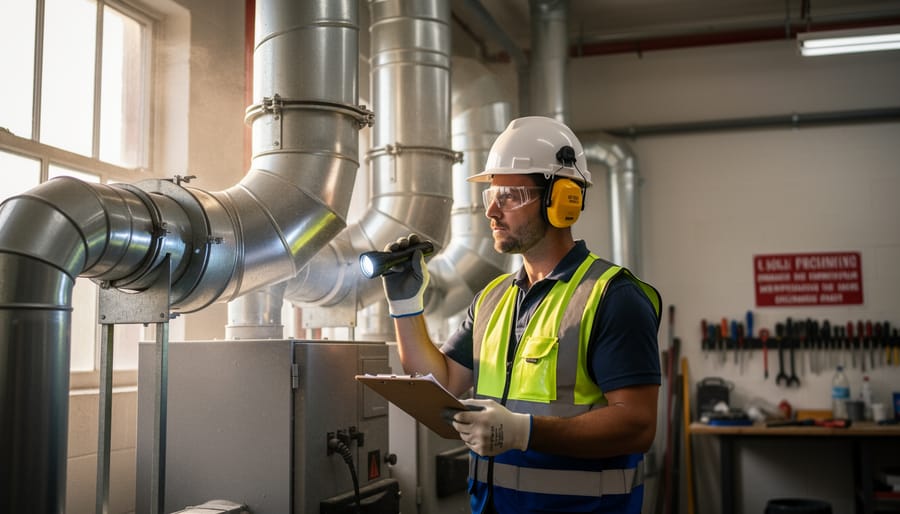
Seasonal Cleaning and Inspection Checklist
Regular seasonal maintenance keeps your coal boiler’s venting system running safely and efficiently throughout the year. Before each heating season begins, schedule a professional inspection to examine your chimney, flue pipes, and vent connections for any damage or deterioration. This proactive approach prevents dangerous carbon monoxide buildup and ensures optimal performance when you need heat most.
Between professional visits, homeowners can perform simple monthly checks. Visually inspect visible vent pipes for signs of corrosion, soot accumulation, or loose connections. Listen for unusual sounds during operation, which might indicate blockages or airflow problems. Remember that fuel quality directly impacts how much residue accumulates in your venting system.
At the end of each heating season, arrange for thorough creosote and ash removal from your chimney and flue system. These deposits restrict airflow and create fire hazards if left unaddressed. A certified chimney sweep can safely remove buildup and identify any maintenance needs before they become costly repairs. Keep detailed records of all inspections and cleanings to track your system’s condition over time and maintain warranty coverage.
Warning Signs of Venting Problems
Your boiler’s venting system communicates when something’s wrong, and recognizing these warning signs can prevent dangerous situations. If you notice smoke or soot around your boiler or in living spaces, this indicates incomplete combustion or backdrafting—a serious issue requiring immediate professional attention. Unusual odors, particularly a strong smell of combustion gases, suggest venting isn’t properly removing exhaust from your home.
Watch for visible condensation or water stains near the vent pipe, which can signal improper draft or temperature issues. Your boiler itself may act differently when venting problems exist—frequent cycling on and off, difficulty staying lit, or a yellow or orange flame instead of the characteristic blue flame all point to inadequate ventilation.
Physical damage to the vent pipe, including rust, corrosion, or disconnected sections, compromises the system’s integrity. If your carbon monoxide detector sounds or you experience unexplained headaches, dizziness, or nausea when the boiler runs, evacuate immediately and call for emergency service. These symptoms could indicate dangerous gas buildup in your home, making proper venting not just about efficiency but about protecting your family’s wellbeing.
Troubleshooting Common Venting Issues
Fixing Insufficient Draft
When your boiler’s draft measurements indicate insufficient airflow, several practical solutions can restore proper venting performance and keep your heating system running safely and efficiently.
Start by inspecting and cleaning your chimney or flue pipe. Years of coal residue buildup can significantly restrict airflow, so a thorough professional cleaning often resolves common draft problems. This maintenance step not only improves draft but also reduces creosote accumulation, creating a safer, more eco-friendly heating environment.
If cleaning doesn’t solve the issue, consider increasing your chimney height. Adding another section can enhance natural draft by creating greater temperature differences between indoor and outdoor air. Your chimney should extend at least three feet above the roof penetration point and two feet higher than any roof surface within ten feet.
Installing a draft inducer fan offers a reliable mechanical solution for persistent weak draft conditions. These devices actively pull combustion gases through your venting system, ensuring consistent performance regardless of weather conditions or natural draft variations.
Finally, check for air leaks in your venting connections. Sealing gaps with high-temperature cement prevents draft-robbing air infiltration, maximizing your system’s efficiency while reducing fuel costs and environmental impact.
Addressing Condensation and Corrosion
Coal boiler systems face a unique challenge that many homeowners don’t anticipate: condensation. When flue gases cool too quickly as they travel through your venting system, moisture forms along the inner walls of your chimney or vent pipe. This happens because coal combustion produces water vapor as a natural byproduct, and when temperatures drop below the dew point, that vapor condenses into liquid water.
Why does this matter for your home? That moisture isn’t just water—it’s acidic. Combined with sulfur compounds from coal combustion, it creates a corrosive mixture that can eat away at metal components, deteriorate masonry, and cause premature system failure. You might notice white staining on your chimney exterior, rust on metal vents, or even water pooling at the base of your system.
The good news is that proper venting design prevents most condensation problems. Insulated vent pipes maintain higher flue gas temperatures, reducing moisture formation. Keeping your boiler running at optimal efficiency also helps, as complete combustion produces less condensation-causing compounds. Regular inspections catch corrosion early, and stainless steel liners offer excellent resistance to acidic moisture. By understanding these moisture dynamics, you’re protecting both your heating investment and your home’s comfort for years to come.
Your home’s boiler venting system might not be the most glamorous topic, but it’s absolutely essential for creating the warm, safe haven you and your family deserve. Proper venting isn’t just about following codes or checking boxes—it’s about ensuring that every cozy evening by your heating system comes with complete peace of mind.
When your venting system works correctly, it quietly carries away harmful gases while allowing your boiler to run at peak efficiency. This means lower energy bills, a smaller environmental footprint, and a heating system that performs reliably season after season. It’s one of those behind-the-scenes elements that makes all the difference in creating a truly comfortable home environment.
If you have any doubts about whether your system meets current venting requirements, don’t hesitate to reach out to a qualified professional. A thorough evaluation can identify potential issues before they become serious problems, protecting both your investment and your family’s well-being. Think of it as an investment in your home’s long-term comfort and safety—because nothing beats the feeling of knowing your heating system is working exactly as it should, keeping your home warm and worry-free.