

The short answer is no—most ceramic cookware won’t work on induction cooktops unless it has a magnetic metal base. Here’s what you need to know to avoid kitchen frustration and make the right choice.
Ceramic cookware’s appeal lies in its non-toxic, eco-friendly coating that promises healthier cooking without harsh chemicals. However, induction cooktops require magnetic materials like cast iron or stainless steel to generate the heat that warms your food. Traditional ceramic pots and pans lack this magnetic property, leaving you with a cooktop that simply won’t heat them.
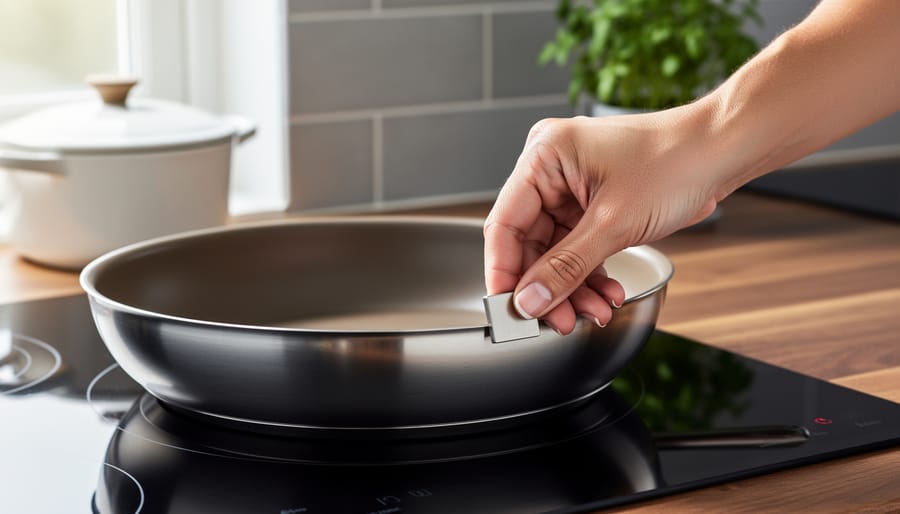
The good news? A growing number of manufacturers now produce hybrid ceramic cookware with magnetic stainless steel bases specifically designed for induction cooking. These innovative pieces give you the clean cooking surface you want with the compatibility you need. Before you invest, run the simple magnet test: if a refrigerator magnet sticks firmly to the bottom of your cookware, it’ll work on induction.
Understanding this distinction saves you from the common disappointment of discovering your beautiful ceramic collection is incompatible with your new energy-efficient cooktop. Whether you’re furnishing a kitchen remodel or replacing outdated cookware, knowing which ceramic options actually work with induction technology helps you create a cooking space that’s both sustainable and functional.
The Short Answer: Pure Ceramic Won’t Work (Here’s Why)
Let me get straight to the point: pure ceramic cookware simply won’t work on your induction cooktop, and understanding why will save you both time and frustration.
Think of induction cooking like this: your cooktop is essentially creating an invisible magnetic field, similar to how a magnet attracts paperclips. When you place a magnetic pot on the surface, that magnetic field creates an electrical current inside the cookware itself, and that current generates heat. It’s a beautifully efficient process, much like how modern eco-friendly heating solutions work by targeting heat exactly where you need it, without wasting energy on surrounding areas.
Here’s the catch: traditional ceramic cookware has zero magnetic properties. It’s like trying to pick up a plastic spoon with a magnet – nothing happens. The induction cooktop sends out its magnetic signals, but ceramic simply can’t receive them. No magnetic connection means no electrical current, which means no heat generation. Your cooktop will typically sense this incompatibility and won’t even turn on, or it’ll flash an error message.
This isn’t a flaw in ceramic cookware or your induction cooktop. They’re simply speaking different languages. Ceramic excels at even heat distribution and non-reactive cooking surfaces, but it lacks the one essential ingredient induction cooking requires: magnetic material, typically iron or steel.
The good news? This doesn’t mean you have to abandon ceramic entirely. Many manufacturers have gotten creative by bonding ceramic coatings to magnetic metal bases, giving you the best of both worlds. Understanding this fundamental compatibility issue is your first step toward making smart cookware choices for your induction kitchen.
What ‘Ceramic Cookware’ Actually Means Today
Traditional Ceramic (Clay-Based)
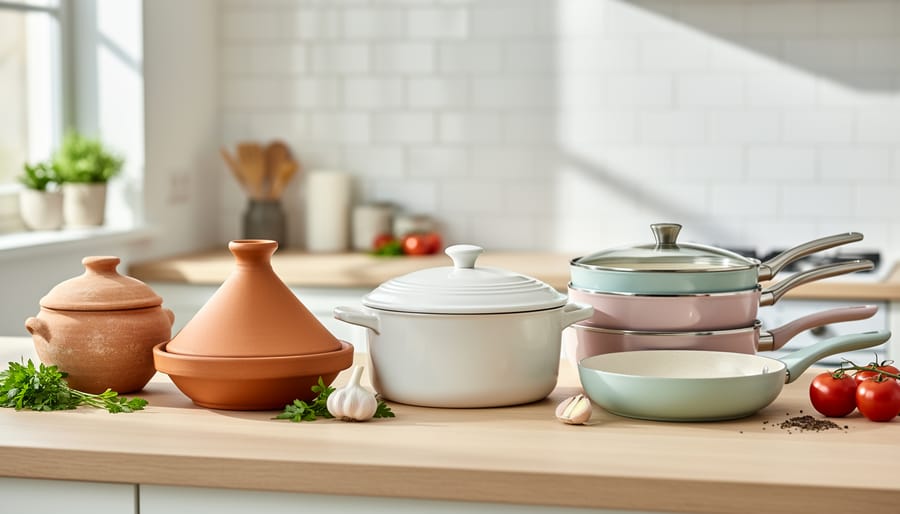
Traditional ceramic cookware embodies centuries of craftsmanship, created from natural clay materials that are molded, glazed, and fired at high temperatures. These pieces often feature stunning hand-painted designs and earthy tones that bring warmth to your kitchen, much like a beautiful hearth brings character to your living space. However, here’s the important reality: authentic clay-based ceramic cookware won’t work on induction cooktops. Clay is a natural insulator without magnetic properties, meaning it simply can’t interact with the magnetic field your induction cooktop generates. Think of it like trying to heat a ceramic tile from your fireplace surround on an induction burner – the magnetic energy passes right through without creating heat. While these traditional pieces are wonderful for conventional gas or electric stoves and oven use, you’ll need cookware with a magnetic base for induction cooking success.
Ceramic-Coated Metal Cookware
Here’s the good news: when most people talk about “ceramic cookware” today, they’re actually referring to metal pots and pans with a ceramic coating applied to the surface. This is quite different from pure ceramic or stoneware pieces. These modern ceramic cookware options typically feature an aluminum or stainless steel base, which means they can absolutely work with induction cooktops, but there’s an important catch.
The key is understanding what’s underneath that smooth ceramic coating. If the base metal is magnetic (like stainless steel or cast iron), you’re in business. However, many ceramic-coated pans use aluminum cores, which won’t work on induction unless the manufacturer has added a magnetic stainless steel layer to the bottom. This is why you’ll often see terms like “induction-compatible” or “induction-ready” on packaging.
Before purchasing, always check the product specifications or look for the induction symbol (usually a coil pattern) on the packaging. When shopping, feel free to bring a small magnet to test the cookware’s base. If it sticks firmly, your ceramic-coated pan will heat beautifully on your induction cooktop.
How to Know If Your Ceramic Cookware Will Work
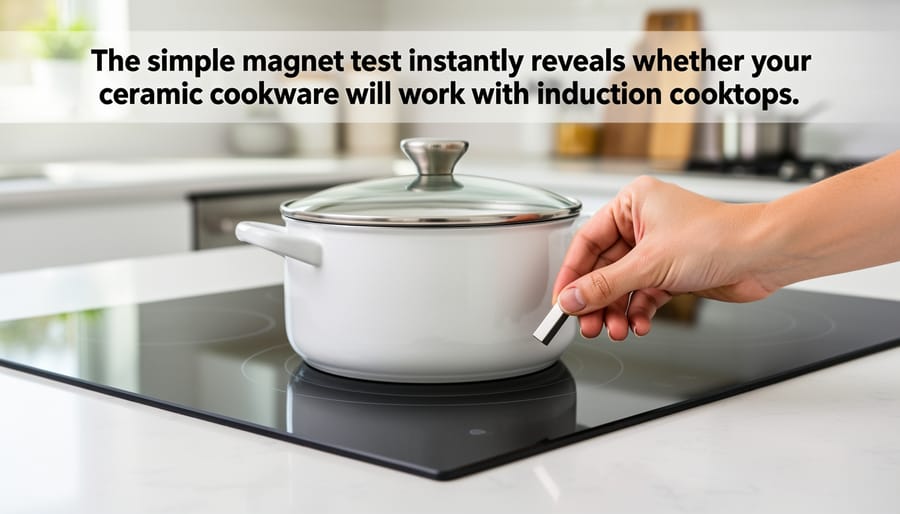
The Magnet Test (Your Best Friend)
Here’s the good news: you don’t need fancy equipment to determine if your ceramic cookware will work on induction. Just grab a simple refrigerator magnet and head to your kitchen.
Hold the magnet against the bottom of your ceramic pot or pan. If it sticks firmly with a solid pull, congratulations! Your cookware has a magnetic base and will work beautifully on induction cooktops. The key word here is “firmly.” You’re looking for a strong attraction that makes you feel like you’re pulling the magnet away from the surface, not just a weak cling.
If the magnet slides right off or barely touches the surface, your ceramic cookware won’t generate the heat needed for induction cooking. Think of it like checking if wood is dry enough for your fireplace – a simple test that saves you from disappointment later.
This test works because induction cooktops rely on magnetic fields to create heat. Just like how the right materials make for efficient heating in your home, induction cookware needs that magnetic connection to function properly. No magnetism means no heat transfer, period.
Reading Labels and Product Specifications
When shopping for induction-compatible ceramic cookware, knowing what to look for can save you time and money. Think of it like checking a fireplace insert for proper clearances – you need the right specifications to ensure everything works safely and efficiently.
The most important symbol to spot is the induction coil icon, which typically looks like four or five loops arranged in a spiral pattern. You’ll find this on the cookware’s packaging, the bottom of the pan itself, or in the product description. Some manufacturers also use text labels like “Induction Ready” or “Suitable for Induction Cooktops.”
Pay close attention to the base material specifications. Look for phrases like “ferromagnetic steel base,” “magnetic stainless steel bottom,” or “induction-compatible plate.” The product description should explicitly state that the cookware has a magnetic metal layer bonded to the ceramic cooking surface. This metal layer is essential – pure ceramic alone won’t work on induction.
Also check the base diameter measurements. Most induction cooktops require a minimum pan diameter of 4.5 to 5 inches to activate properly, though this varies by model. The product specifications should list compatible cooktop types, and induction should be clearly mentioned alongside gas and electric options.
When reading reviews, watch for verified purchaser feedback specifically mentioning induction performance. If multiple reviewers note that their pans don’t heat evenly or don’t trigger their cooktop, consider that a red flag. Quality induction-compatible ceramic cookware will have consistent positive feedback about heating performance across different cooktop brands.
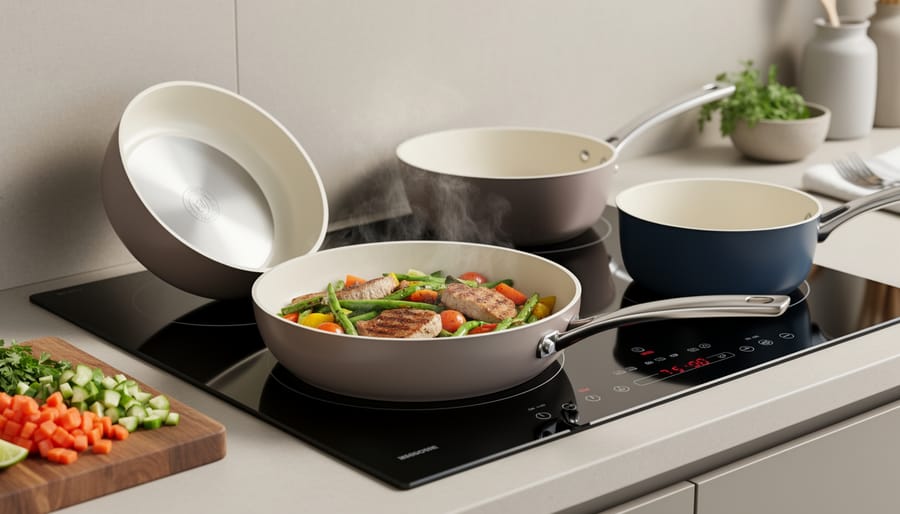
The Best Ceramic Options for Induction Cooking
Stainless Steel with Ceramic Non-Stick Coating
Here’s the good news: if you’re invested in ceramic cookware but need induction compatibility, stainless steel pans with ceramic non-stick coating offer an elegant solution. Think of it as bringing together two great technologies, much like combining the efficiency of modern heating with the timeless comfort of a well-designed home.
These hybrid pans feature a magnetic stainless steel base that works perfectly with induction cooktops, topped with a ceramic non-stick cooking surface. You get the rapid, energy-efficient heating that induction provides (similar to how efficient heating systems maximize warmth while minimizing waste), plus all the benefits of ceramic coating: easy food release, simple cleanup, and no questionable chemicals.
When shopping for these cookware pieces, look for labels stating “induction compatible” or “induction ready” along with mentions of ceramic coating. Quality matters here. Well-constructed versions distribute heat evenly across the cooking surface, preventing hot spots that can damage the ceramic layer over time. The stainless steel core also adds durability and longevity to your investment, making these pans a smart choice for homeowners who value both performance and sustainability in their kitchen tools.
Cast Iron with Ceramic Enamel
If you’re looking for cookware that combines traditional craftsmanship with modern functionality, ceramic-enameled cast iron deserves your attention. Think of brands like Le Creuset or Staub – these beautiful pieces work wonderfully on induction cooktops because the cast iron core underneath that glossy enamel coating is highly magnetic.
The appeal here goes beyond mere compatibility. These pots and pans distribute heat beautifully and evenly, much like how a well-designed fireplace radiates warmth throughout a room. They’re investment pieces that can last generations when properly cared for, making them an eco-friendly choice since you won’t need replacements every few years.
The ceramic enamel coating provides a non-reactive cooking surface that won’t leach chemicals into your food, and cleanup is remarkably easy compared to bare cast iron. You’ll find they excel at everything from slow-simmered stews to crusty bread baking.
Keep in mind these pieces are heavy – a large Dutch oven can weigh 15 pounds or more – and they require gentle handling to prevent chipping the enamel. They’re also pricier than standard ceramic cookware, but the durability and performance make them worthwhile for serious home cooks who value quality tools that enhance their culinary lifestyle.
What to Look for When Shopping
When shopping for induction-compatible ceramic cookware, start by checking the base thickness. Look for pots and pans with a substantial magnetic steel or iron base layer, ideally at least 4-5mm thick. This ensures even heat distribution and prevents warping over time. Turn the cookware over and examine the base closely – quality pieces will have a smooth, flat magnetic disc that’s clearly visible and well-integrated into the ceramic body.
Pay attention to the coating quality. Reputable manufacturers use high-grade ceramic coatings that can withstand the rapid heating of induction cooktops. Check product descriptions for terms like “reinforced ceramic” or “multi-layer coating.” Just as you’d carefully select materials that enhance your home’s warmth and comfort, choosing well-constructed cookware ensures long-lasting performance in your kitchen.
Research manufacturer reputation through customer reviews and industry recognition. Established brands typically offer better quality control and customer support. Don’t overlook warranty considerations – look for at least a two-year warranty that covers both the ceramic coating and the magnetic base, giving you peace of mind similar to investing in quality, eco-friendly solutions for your home.
Why Ceramic Coatings Matter for Modern Kitchens
In today’s health-conscious homes, the cookware we choose matters just as much as the ingredients we prepare. Ceramic coatings have emerged as a cornerstone of modern, mindful kitchens for good reason. These coatings offer a non-toxic alternative to traditional nonstick surfaces, free from PFOA, PFAS, and other potentially harmful chemicals that can leach into your food at high temperatures.
Think of ceramic coatings as the eco-friendly heating solution of the cookware world. Just as homeowners increasingly seek sustainable ways to warm their living spaces, today’s cooks want kitchen tools that align with their values. Ceramic cookware delivers on this promise with mineral-based coatings derived from sand, creating a naturally slick surface without synthetic chemicals. This means you can sear vegetables or flip pancakes without worrying about what’s transferring from pan to plate.
The appeal goes beyond health benefits. Ceramic coatings provide excellent heat distribution, which becomes especially important when you’re working with the precise temperature control of induction cooking. They’re naturally nonstick when properly maintained, requiring less oil and making cleanup a breeze. Plus, many ceramic-coated pans come in attractive colors and finishes that complement modern kitchen aesthetics, adding a lifestyle element to your cooking space much like a well-designed fireplace enhances a living room.
However, understanding ceramic cookware durability becomes crucial when pairing these pans with induction cooktops. The magnetic base required for induction compatibility must work harmoniously with the ceramic coating above it. When this combination works well, you get the best of both worlds: efficient, eco-friendly cooking with a safe, non-toxic surface that protects your family’s health with every meal you prepare.
Common Problems and How to Avoid Them
Cookware Not Detected by Induction Cooktop
If your ceramic cookware isn’t being detected by your induction cooktop, you’re experiencing one of the most common frustrations with these energy-efficient cooking surfaces. Think of it like trying to start a fire without proper kindling – you need the right foundation for the magic to happen.
The most frequent culprit is a base that’s simply not magnetic enough. Even if your ceramic pan has a steel disc underneath, it might be too thin or made from a steel alloy that doesn’t create a strong enough magnetic field. Most induction cooktops require a minimum base thickness of around 3mm to properly detect the cookware. Additionally, if your pan is too small for the burner, the cooktop won’t recognize it – most models need at least 80% coverage of the heating zone.
Here’s the good news: you can quickly test this by holding a simple refrigerator magnet to the bottom of your pan. If it sticks firmly with a strong pull, you’re in business. If it barely holds or slides off easily, that’s your answer.
The solution is straightforward – invest in ceramic cookware specifically designed with robust magnetic bases for induction cooking. Look for pieces that clearly state “induction compatible” and feature thick, high-quality steel or iron bases that ensure reliable detection every time you cook.
Uneven Heating or Hot Spots
Even when you’ve found ceramic cookware with a magnetic base designed for induction, you might encounter uneven heating or frustrating hot spots. This issue often traces back to the quality of the magnetic disc attached to the cookware’s base. Lower-quality ceramic induction cookware may use thinner or poorly distributed magnetic materials, creating concentrated heat zones rather than the even warmth you’d expect from a well-functioning piece.
When shopping for ceramic induction cookware, look for pieces with thick, fully encapsulated magnetic bases that extend across the entire bottom surface. Premium manufacturers will specify the base thickness and construction method, often featuring multiple layers of metal sandwiched together for optimal heat distribution. Read reviews specifically mentioning heat evenness on induction cooktops, as this real-world feedback reveals what product descriptions might gloss over.
Test new cookware by heating water and watching for bubbles to appear evenly across the surface. If bubbles concentrate in one spot while other areas remain calm, you’ve got a hot spot problem. Quality matters tremendously here, just as it does when caring for ceramic cookware to maintain its performance. Choose reputable brands that stand behind their induction-compatible ceramic lines with solid warranties.
Making the Switch: What This Means for Your Kitchen
Transitioning to induction cooking doesn’t mean you need to overhaul your entire kitchen at once. Take a measured, thoughtful approach that honors both your budget and your commitment to sustainable living.
Start by testing what you already own using the magnet method we discussed earlier. You might be pleasantly surprised to discover that some of your existing cookware already works with induction. This approach reduces waste and maximizes the value of pieces you’ve already invested in. If your ceramic cookware doesn’t respond to the magnet test, consider repurposing these pieces for oven use or gifting them to friends and family rather than discarding them.
When building your induction-compatible collection, think in terms of priority rather than replacement. Begin with the pieces you use most often, perhaps a versatile skillet and a medium saucepan. This phased approach spreads costs over time while allowing you to learn what works best for your cooking style. Many quality induction-ready options, like ceramic-coated cookware with magnetic bases, align beautifully with eco-conscious values by offering durability and non-toxic cooking surfaces.
Here’s a comforting thought: induction-compatible cookware offers remarkable versatility. If you ever switch back to gas cooking or need to use different heat sources, you can use induction cookware on gas stoves without any issues. This flexibility protects your investment for the long term.
Consider this transition as part of your broader commitment to energy-efficient living, much like choosing eco-friendly heating solutions for your home. Induction cooking reduces energy waste and improves kitchen comfort by generating less ambient heat, creating a more pleasant cooking environment year-round while supporting your sustainable lifestyle goals.
Here’s the good news: you absolutely can use ceramic cookware on your induction cooktop, but with one important caveat. The key lies in understanding that most modern “ceramic cookware” isn’t pure ceramic at all. What you’re likely finding in stores today is metal cookware with a ceramic coating, and as long as that base is made from magnetic materials like stainless steel or cast iron, you’re in business.
If you already own ceramic cookware or are eyeing a new set, the simple magnet test is your best friend. Grab a refrigerator magnet and hold it to the bottom of the pan. If it sticks firmly, you’ve got yourself induction-compatible cookware. No stick? It won’t work with your induction cooktop, no matter how beautiful or expensive it is.
The wonderful part is that finding quality ceramic-coated cookware designed specifically for induction isn’t as challenging as you might think. Many reputable manufacturers now clearly label their products as induction-ready, taking the guesswork out of your shopping experience. You’ll get all the benefits of easy-to-clean ceramic surfaces combined with the energy-efficient performance of induction cooking. Just like choosing the right heating solution for your home, a little knowledge goes a long way in making smart kitchen investments that serve you well for years to come.