

Choosing a B-vent gas fireplace insert means understanding exactly what you’re installing in your home. A B-vent system, also called natural vent, draws combustion air from inside your living space and exhausts gases through a double-walled metal pipe that runs vertically through your roof. Unlike direct-vent systems that pull air from outdoors, B-vents rely on natural draft, making them simpler to install but less efficient since they consume heated indoor air during operation.
Before committing to a B-vent insert, verify your home has an existing chimney or vertical chase suitable for B-vent pipe installation. These systems cannot vent horizontally through walls, which limits placement options compared to direct-vent alternatives. You’ll also need adequate room ventilation, as B-vents draw oxygen from your living space—typically requiring at least one square inch of permanent opening per 4,000 BTUs of appliance input.
Safety considerations are paramount with B-vent technology. Install carbon monoxide detectors within fifteen feet of the fireplace and ensure annual professional inspections to check for proper draft, blockages, and seal integrity. Never operate a B-vent insert with closed flue dampers or in tightly sealed homes without sufficient makeup air, as backdrafting can introduce dangerous gases into your living environment.
While B-vents offer 50-70% efficiency compared to 80-90% for direct-vent models, they provide authentic flame appearance and straightforward maintenance. Understanding these trade-offs helps you decide whether a B-vent insert aligns with your home’s architecture, ventilation capacity, and heating expectations.
What Makes B-Vent Different from Other Gas Fireplace Ventilation
How B-Vent Systems Actually Work
Understanding how a B-vent system works doesn’t require an engineering degree—it’s actually quite elegant in its simplicity. Think of it as your fireplace’s breathing system, designed to work naturally with your home’s environment.
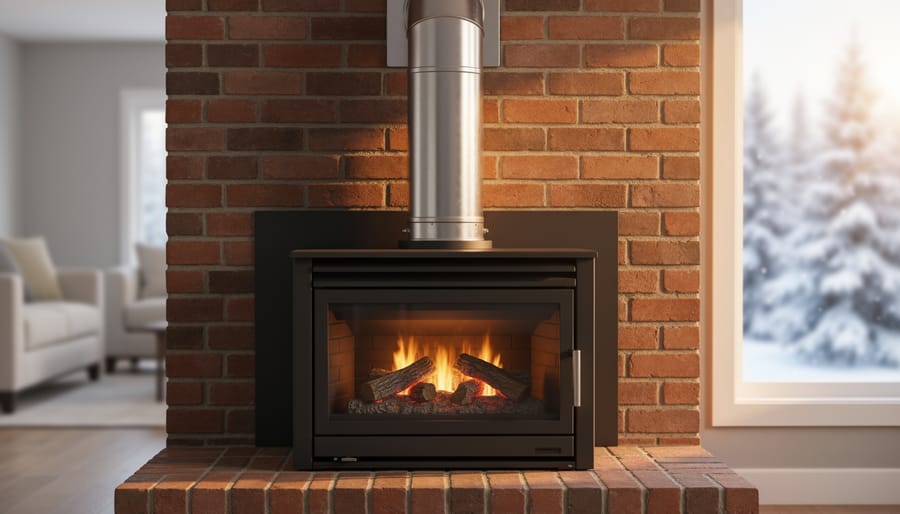
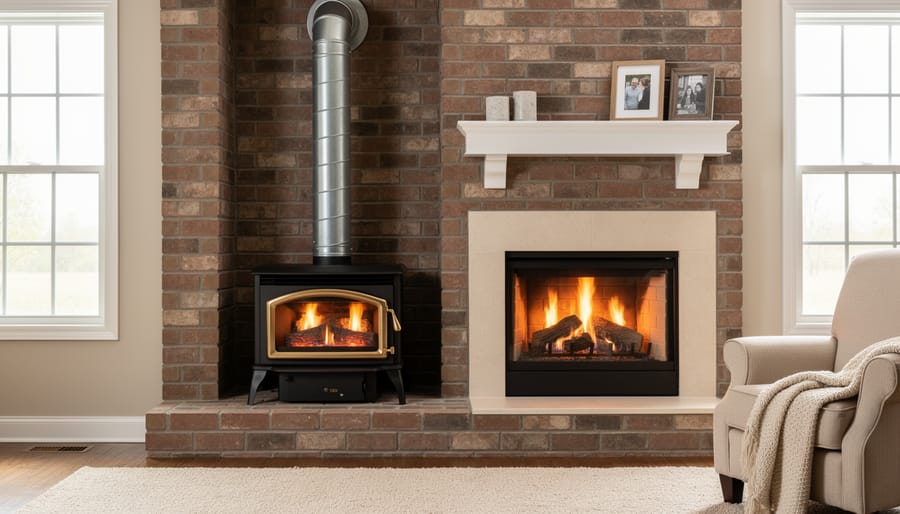
At the heart of a B-vent system is the double-wall pipe. This clever design features two metal layers with an air space between them. The inner pipe carries exhaust gases up and out of your home, while the outer pipe stays cooler to the touch, making it safer for installation near wood framing and other combustible materials. This double-wall construction is one reason why gas fireplaces need chimneys or proper venting—safety always comes first.
Here’s where it gets interesting: B-vent systems pull air directly from your living space for combustion. When you light your fireplace, it draws oxygen from the room to keep the flames burning. As the fire burns, hot exhaust gases naturally rise through the vent pipe—this is called natural draft, the same principle that makes hot air balloons float.
The rising hot gases create a gentle suction that continuously pulls fresh air into the combustion chamber while pushing exhaust safely outside. No fans, no electricity required—just physics doing its thing. This natural draft system is reliable and quiet, contributing to that peaceful ambiance you’re seeking. However, because these systems use indoor air, proper room ventilation becomes an important consideration for both comfort and safety.
The Real Difference Between B-Vent and Direct Vent
Understanding the difference between B-vent and direct vent systems comes down to how they handle combustion air and exhaust. B-vent systems draw air from inside your home for combustion and release exhaust gases through a vertical chimney, utilizing natural draft created by hot air rising. These systems rely on existing chimney components and work similarly to traditional fireplaces, though they’re more efficient.
Direct vent systems, on the other hand, are completely sealed units that draw combustion air from outside through a dedicated pipe and exhaust directly outdoors through another pipe, typically in a coaxial arrangement. This creates a closed loop that doesn’t affect your indoor air quality or oxygen levels.
The practical impact? B-vent inserts are generally less expensive to install if you have an existing chimney, but they require adequate ventilation in your home and aren’t as energy-efficient since they pull heated indoor air up the chimney. Direct vent systems offer superior efficiency and flexibility in placement since they can vent horizontally through walls, making them ideal for modern, tightly-sealed homes focused on energy conservation.
When a B-Vent Insert Makes Sense for Your Home
Homes That Benefit Most from B-Vent Systems
B-vent systems truly shine in homes with existing masonry chimneys, making them a perfect fit if you’re looking to upgrade an old wood-burning fireplace without major renovation work. Instead of the extensive construction required for direct-vent installations, B-vent inserts utilize your current chimney structure, dramatically reducing installation costs and hassle.
These systems work especially well in moderate climates where extreme cold isn’t a constant concern. Since B-vent technology draws combustion air from inside your home and vents through the chimney, they perform optimally in regions where maintaining indoor air pressure isn’t challenging. Think temperate zones where winter temperatures rarely plunge below freezing for extended periods.
Room configuration matters too. B-vent inserts excel in well-ventilated, larger living spaces with adequate fresh air circulation. Open-concept homes benefit particularly from their ambient heat distribution, creating that cozy atmosphere throughout connected rooms. However, if you have a smaller, tightly-sealed space or an ultra-efficient modern home with minimal air exchange, you might want to explore alternative venting options that don’t rely on indoor air for combustion. The key is matching your home’s characteristics with the system’s natural strengths.
When to Consider Other Ventilation Options Instead
While B-vent inserts work beautifully in many situations, they’re not always the perfect fit for every home. If your home is particularly well-sealed or built with modern energy-efficiency standards, you might want to explore direct-vent options instead. Direct-vent systems draw combustion air from outside rather than your living space, making them ideal for tightly constructed homes where indoor air quality is a premium concern.
Similarly, if you’re living in a milder climate where heat output isn’t your primary goal, ventless gas logs might offer the simplicity you’re after, though they come with their own considerations around indoor air quality. For those seeking the most eco-friendly heating solution with maximum efficiency, direct-vent inserts typically edge out B-vent models by several percentage points in efficiency ratings.
Also consider your chimney situation honestly. If your existing chimney has structural issues or significant deterioration, investing in repairs just to accommodate a B-vent insert might not make financial sense. In these cases, a direct-vent system that vents through an exterior wall could be more practical and cost-effective. Your lifestyle matters too—if you’re seeking zone heating to reduce your carbon footprint while maintaining whole-home comfort, exploring which system best matches your heating patterns will serve you well long-term.
Safety Essentials Every B-Vent Owner Should Know
Why Carbon Monoxide Detectors Are Non-Negotiable
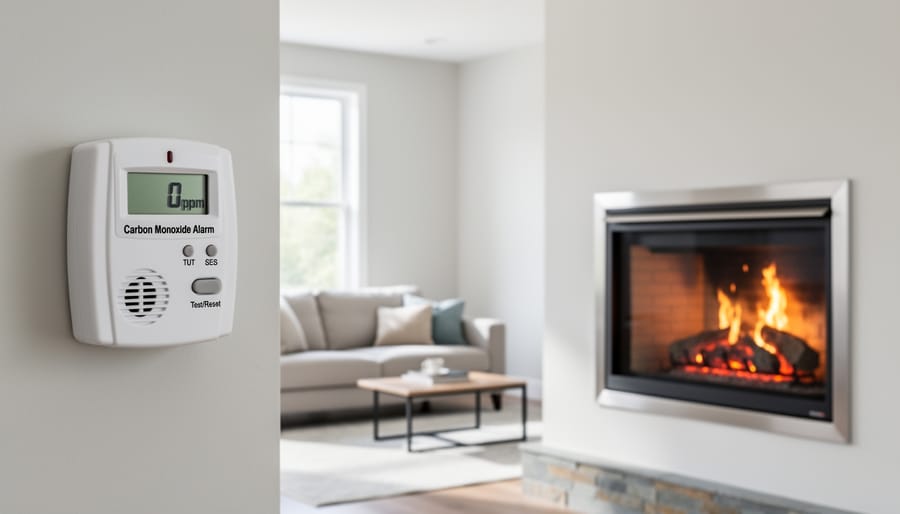
Let’s be crystal clear about this: carbon monoxide detectors aren’t optional when you have a B-vent gas fireplace insert, they’re essential safety equipment. While B-vent systems are designed to expel combustion gases through their vertical venting, any gas-burning appliance carries inherent CO risks. B-vent systems rely on natural draft, which means factors like downdrafts, blocked vents, or negative air pressure in your home can potentially allow colorless, odorless carbon monoxide to enter your living space.
For maximum protection, install CO detectors on every level of your home, especially within 15 feet of your fireplace room and near sleeping areas. Place them at knee height since carbon monoxide mixes with air rather than rising like smoke. Choose models with digital displays so you can monitor even low-level CO presence that might indicate your system needs professional attention.
Think of CO detectors as your invisible safety net, working silently in the background while you enjoy the warmth and ambiance of your fireplace. Test them monthly, replace batteries twice yearly, and replace the entire unit according to manufacturer recommendations, typically every five to seven years. This small investment protects what matters most: your family’s wellbeing.
Warning Signs Your B-Vent System Needs Attention
Your B-vent gas fireplace insert should operate smoothly and safely, but certain warning signs indicate it’s time to call a professional. Being alert to these red flags helps protect both your home’s comfort and your family’s safety.
Strange odors are among the first indicators something’s wrong. While a faint gas smell during initial startup is normal, persistent or strong odors suggest incomplete combustion or a possible gas leak requiring immediate attention. Similarly, excessive soot buildup around the fireplace opening or on the glass doors signals that your system isn’t burning fuel efficiently.
Watch for backdrafting issues, where smoke or fumes enter your living space instead of venting properly up the chimney. This not only affects your indoor air quality but can also expose you to harmful carbon monoxide.
Pay attention to your flame color too. A healthy gas flame burns mostly blue with perhaps a small yellow tip. If you notice predominantly yellow or orange flames, this indicates improper combustion and reduced efficiency.
Finally, visible rust or corrosion on the vent pipe, water stains near the chimney, or unusual sounds like rumbling or whistling all warrant professional inspection to maintain your system’s performance and safety.
Professional Installation: What You’re Really Paying For
Professional installation of your B-vent gas fireplace insert isn’t just about convenience—it’s an investment in safety and long-term performance. A certified technician ensures proper venting alignment, checks for adequate clearances from combustible materials, and verifies that all connections meet local installation code requirements. They’ll test for gas leaks, confirm proper draft operation, and ensure carbon monoxide doesn’t backdraft into your home. DIY attempts often result in improper venting angles, inadequate sealing, or incorrect gas line connections—mistakes that can lead to dangerous carbon monoxide exposure or fire hazards. Professional installers also handle necessary permits and inspections, giving you peace of mind that your new fireplace operates safely and efficiently from day one.
Maintaining Your B-Vent System for Peak Performance
Annual Maintenance Tasks You Can’t Skip
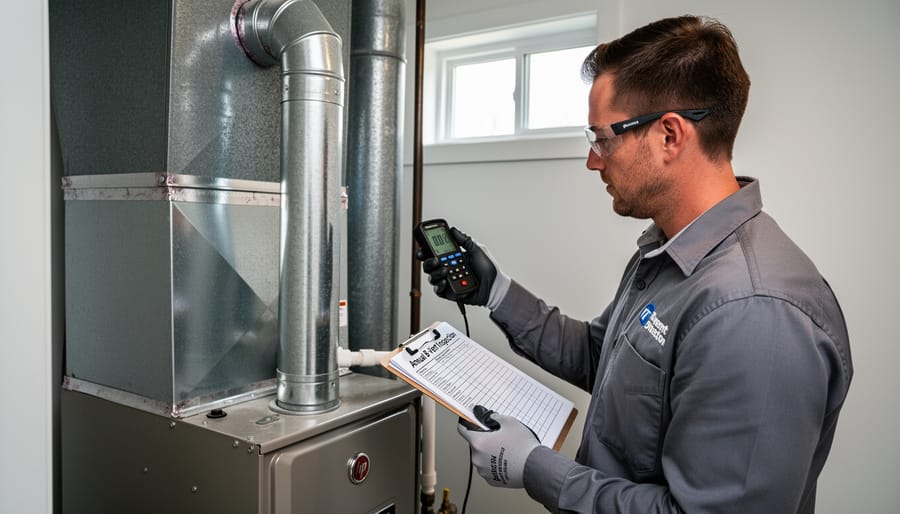
Your B-vent gas fireplace insert deserves a professional inspection once a year, ideally before the heating season begins. This isn’t just a suggestion—it’s essential for keeping your home safe and your fireplace running efficiently.
During the annual checkup, a certified technician should thoroughly examine the B-vent pipe system for any corrosion, gaps, or disconnections. They’ll inspect the burner assembly and clean any buildup that could affect performance or air quality. The technician will also test the pilot light and main burner to ensure proper ignition and flame pattern, which directly impacts both safety and efficiency.
Don’t overlook the thermocouple and safety sensors—these components should be tested to confirm they’re shutting off gas flow when needed. Your professional should also check for proper draft and ensure harmful gases are venting outdoors correctly, not leaking into your living space.
Finally, ask them to verify that all gas connections are secure and leak-free, inspect the glass doors and gaskets, and test the remote control or wall switch if applicable. This comprehensive inspection typically costs between $100-$200 but protects your family and helps maintain your fireplace’s efficiency throughout the season.
Simple Checks to Do Throughout the Heating Season
Between your annual professional inspections, staying observant can help you catch potential issues early and keep your B-vent gas fireplace insert running safely all season long. Think of these simple checks as getting to know your fireplace’s normal behavior, so you’ll notice when something seems off.
Start with a visual inspection of the flame pattern each time you use your insert. A healthy flame should burn mostly blue with perhaps small yellow tips. If you notice excessive yellow or orange flames, or if the flame appears lazy or irregular, this could indicate incomplete combustion or a ventilation issue that needs professional attention.
Take a moment to look at the glass front of your insert. While some light sooting is normal, heavy black buildup or streaking patterns can signal that your unit isn’t burning efficiently. A quick wipe with appropriate glass cleaner keeps your view clear and helps you monitor flame quality better.
Check around the fireplace for any unusual odors when the unit is operating. Your B-vent insert should burn cleanly without strong gas smells or smoky odors in your living space. Any persistent odors warrant a call to your technician.
Listen to your fireplace too. Unusual sounds like rumbling, whistling, or rattling may indicate issues with the burner or ventilation system. Finally, make sure the area around your insert stays clear of decorations, furniture, and holiday greenery. These simple awareness habits take just minutes but contribute significantly to your home’s safety and your fireplace’s reliable performance throughout the heating season.
Efficiency Tips That Lower Your Heating Bills
Balancing Warmth with Energy Efficiency
Your B-vent gas fireplace insert can be a smart partner in your home’s overall heating strategy when used thoughtfully. Rather than cranking up your central heating system to warm the entire house, consider zone heating by turning down your thermostat a few degrees and letting your fireplace heat the spaces where your family spends most of their time. This approach can significantly reduce your energy bills while keeping everyone cozy.
Think of your fireplace as your primary heat source for those chilly evenings in the living room or family room. Set your thermostat to around 65-68 degrees and let the insert handle the heavy lifting in your main gathering spaces. This creates comfortable warmth where you need it most without wasting energy heating empty bedrooms or unused areas.
The beauty of modern B-vent inserts is their efficiency compared to older open fireplaces. While they do use natural gas or propane as fuel, they deliver consistent, controllable heat that complements your existing HVAC system rather than competing with it. Many homeowners find they can reduce their overall heating costs by 10-25 percent through strategic fireplace use during the heating season, making it both an eco-friendly and wallet-friendly choice for sustainable home comfort.
Small Upgrades That Make a Big Difference
You don’t need a complete overhaul to significantly improve your B-vent gas fireplace insert’s performance. Adding a blower fan is one of the most impactful upgrades, circulating warm air throughout your room more efficiently and reducing energy waste. This simple addition can help you heat your space faster while keeping utility costs down. Installing a programmable thermostat gives you precise control over your fireplace’s operation, allowing you to schedule heating around your lifestyle and avoid unnecessary fuel consumption. Understanding proper damper use is equally important—keeping your damper correctly positioned ensures optimal draft and prevents heat loss when your fireplace isn’t in use. These modest investments enhance both comfort and efficiency, making your fireplace work smarter for your home.
Your B-vent gas fireplace insert can be more than just a heating appliance—it’s a centerpiece that transforms your living space into a warm, inviting retreat where memories are made. But to truly enjoy these lifestyle benefits, proper ventilation and regular maintenance aren’t optional; they’re essential. The safety and efficiency of your B-vent system directly impact your family’s wellbeing and your home’s comfort level.
Taking action now means peace of mind later. Whether it’s scheduling that annual inspection you’ve been putting off, checking your venting system for signs of wear, or finally calling a certified professional to address those nagging concerns, these steps protect your investment and your loved ones. Remember, B-vent systems require adequate vertical rise and proper clearances to function safely—details that only a trained eye can fully assess.
The good news is that a well-maintained B-vent gas fireplace insert rewards you in multiple ways. You’ll enjoy consistent, reliable heat that helps reduce your overall energy consumption, making it an eco-friendly choice for conscious homeowners. The gentle warmth creates that cozy atmosphere perfect for family gatherings, quiet evenings with a book, or simply unwinding after a long day. Plus, you’ll have confidence knowing your system is operating exactly as it should, with exhaust gases safely vented outside your home.
Don’t wait for problems to arise. Take the initiative to review your system’s condition, consult with professionals about any questions, and commit to regular maintenance schedules. Your fireplace isn’t just about staying warm—it’s about creating a lifestyle of comfort, safety, and sustainable home heating that you and your family can enjoy for years to come.