

Consider your outdoor space’s square footage first—propane heaters deliver 40,000 BTUs that effectively warm 800-1,000 square feet, making them ideal for patios, decks, and open-air gathering areas where electric heating falls short. Match the heater type to your lifestyle: freestanding patio heaters create ambient warmth for dinner parties, tabletop models suit intimate conversations, and wall-mounted units maximize floor space in compact areas.
Propane transforms chilly evenings into comfortable outdoor experiences without the smoke, ash, or wood-hauling hassles of traditional fire features. You’ll enjoy instant heat at the turn of a dial, clean-burning flames that won’t stain your furniture or irritate guests with respiratory sensitivities, and the freedom to position warmth exactly where you need it. Unlike hardwired electric systems, propane heaters move with your entertaining needs—from poolside gatherings to garden celebrations.
This eco-conscious heating solution produces fewer emissions than wood-burning alternatives while delivering consistent, controllable warmth throughout fall and winter months. Modern propane technology includes automatic shut-off valves, tip-over protection, and oxygen depletion sensors that make outdoor heating safer than ever. Whether you’re extending your outdoor season by weeks or creating a year-round entertainment space, propane heaters offer the perfect balance of performance, convenience, and environmental responsibility. Understanding the options, safety features, and selection criteria ensures you’ll invest in the right heating solution that keeps your outdoor lifestyle thriving when temperatures drop.
What Makes Propane the Gold Standard for Outdoor Heating

The Heat Output You Actually Need
Understanding BTU ratings doesn’t have to be complicated. Think of BTUs (British Thermal Units) as the measure of heat energy your propane heater produces—the higher the number, the more warmth it delivers. Most outdoor propane heaters range from 10,000 to 48,000 BTUs, and choosing the right output makes all the difference between a cozy evening and an energy-wasting disappointment.
Here’s a simple rule of thumb: you’ll need approximately 20-30 BTUs per square foot for open outdoor areas. A small patio measuring 10×10 feet needs around 2,000-3,000 BTUs minimum, while a larger 20×20 foot space requires 8,000-12,000 BTUs. Keep in mind that windy locations, higher elevations, and extremely cold climates demand more heating power. If your outdoor space has overhead coverage or windbreaks, you can often get away with lower BTU ratings since you’re not fighting the elements as much.
What makes propane particularly reliable for outdoor heating is its consistent performance across varying temperatures. Unlike electric heaters that can struggle in cold weather or natural gas systems that may experience pressure drops, propane maintains steady output even when the mercury dips. This dependable heat delivery means you’re getting the warmth you paid for, every time you fire up your heater. Plus, propane burns cleanly and efficiently, making it an eco-friendly choice that doesn’t compromise on performance—perfect for creating that inviting outdoor atmosphere while being mindful of your environmental impact.
Cost Reality: What You’ll Actually Spend
Let’s talk real numbers, because understanding the true cost of outdoor propane heating helps you budget wisely and enjoy your outdoor space without financial surprises.
A standard 20-pound propane tank, the kind you’d use for your grill, typically costs between $15 and $25 to refill at most locations. If you’re purchasing a tank exchange at a retail store, expect to pay slightly more—around $20 to $30. The good news? These tanks provide substantial heating time, making propane surprisingly economical for occasional use.
Operating costs depend on your heater’s BTU output. A typical 40,000 BTU patio heater burns roughly one pound of propane per hour, meaning that 20-pound tank gives you approximately 20 hours of warmth. At current propane prices, you’re looking at about $1 to $1.50 per hour of operation—less than your daily coffee run.
Comparing this to electric outdoor heaters reveals interesting insights. While electric options eliminate fuel costs, they can significantly increase your electricity bill, especially with higher-wattage models. Electric heaters drawing 1,500 watts cost approximately $0.15 to $0.30 per hour depending on your local rates. However, propane offers superior portability and often delivers more robust heat output, making it ideal for larger spaces or areas without convenient electrical access.
For eco-conscious homeowners, modern propane burns cleaner than you might expect, producing fewer greenhouse gas emissions than many alternatives. When you factor in the versatility, warmth quality, and reasonable operating costs, propane heating becomes an attractive investment in your outdoor lifestyle.
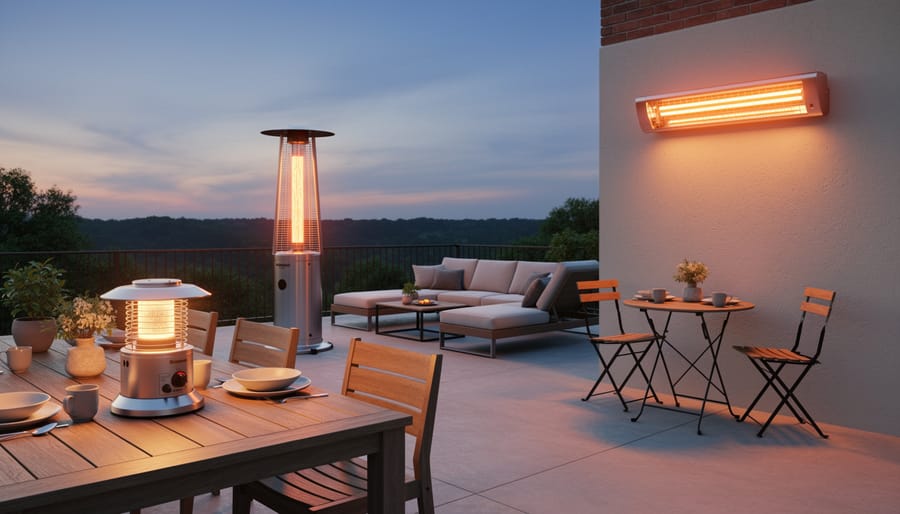
Types of Outdoor Propane Heaters That Actually Work
Patio Heaters: The Classic Crowd Warmer
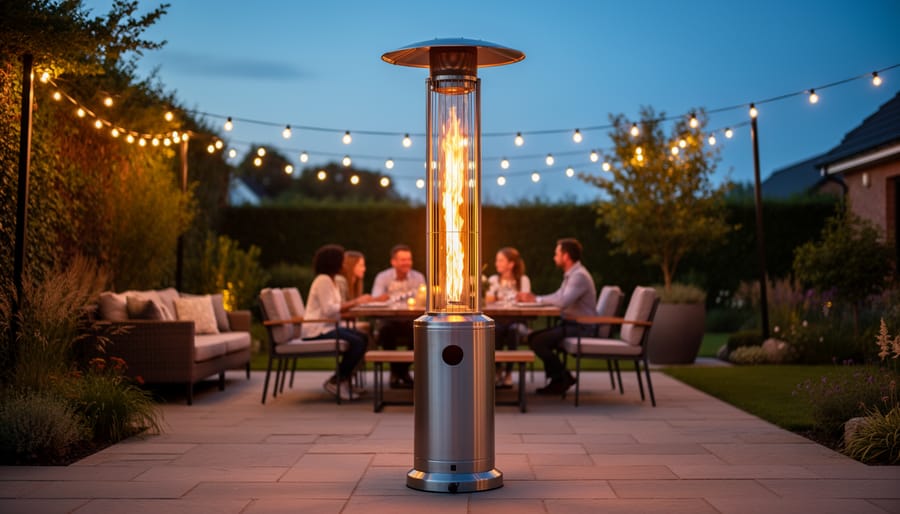
When you picture outdoor heating, chances are the tall, elegant tower of a patio heater comes to mind. These freestanding classics are the go-to solution for warming outdoor gatherings, and for good reason. Standing between six and eight feet tall, they create a comfortable heating radius of about 10 to 15 feet in diameter, making them perfect for anchoring your outdoor seating areas.
The beauty of tower-style patio heaters lies in their versatility. Position one near your dining table for extended evening meals, or place a couple strategically around your deck to create overlapping zones of warmth. They work best in semi-protected spaces where wind won’t steal away the heat. Think covered patios, screened porches, or areas nestled against your home’s exterior.
These propane-powered warmers truly shine during shoulder seasons when the air is crisp but not freezing, extending your outdoor living months by weeks or even months. They’re ideal for gatherings of four to eight people clustered around a single unit. Many models feature adjustable heat settings and automatic shut-off mechanisms for peace of mind, combining efficient propane fuel with safety-conscious design. For homeowners seeking that perfect balance of ambiance and functionality, patio heaters deliver reliable warmth that keeps conversations flowing long after sunset.
Tabletop Heaters: Intimate Warmth for Small Gatherings
When you’re looking to add warmth to a cozy corner of your patio or want to keep your outdoor dining table comfortable without dominating the space, tabletop propane heaters are your perfect companion. These compact beauties typically stand between 12 to 18 inches tall and sit right on your table, creating an intimate circle of warmth that brings everyone closer together.
Think of tabletop heaters as the candles of the propane world—they provide ambient warmth rather than full-scale heating, making them ideal for milder evenings or smaller gatherings. Most models use standard one-pound propane cylinders, which means they’re incredibly portable and easy to set up wherever conversation flows. You can move them from the dining table to the coffee table to the garden bench without any hassle.
The trade-off for this convenience is heating capacity. These units typically produce between 9,000 and 11,000 BTUs, which effectively warms a radius of about 3 to 4 feet. They’re not designed to heat your entire patio, but that’s not their purpose. Instead, they excel at creating comfortable micro-environments where guests naturally gather.
Safety-wise, their stable, weighted bases and automatic shut-off features make them reliable choices for families. Plus, their fuel efficiency means you’ll enjoy several hours of warmth from a single cylinder, making them both economical and environmentally conscious for smaller outdoor moments.
Wall-Mounted and Hanging Options: Space Savers
When you’re looking to maximize your outdoor living space without sacrificing floor area, wall-mounted and hanging propane heaters offer an elegant solution. These permanent installations work beautifully for covered patios and pergolas, creating a cozy atmosphere while keeping walkways clear.
Wall-mounted units typically install at heights between 7 and 9 feet, directing radiant heat downward across seating areas. They’re perfect for dining spaces where you want consistent warmth without any obstruction. Most models feature adjustable heat settings and some include infrared technology for efficient, wind-resistant heating.
Before installation, consider your mounting surface carefully. These heaters require secure attachment to solid structures like walls, posts, or overhead beams. Always verify that your chosen location meets the manufacturer’s clearance requirements, typically 3 feet from combustible materials. Professional installation ensures proper ventilation and gas line connections, essential for safe operation.
Ceiling-mounted options distribute heat more evenly across larger areas, making them ideal for spacious outdoor rooms. While they represent a higher upfront investment, these space-saving solutions add both function and ambiance, transforming your outdoor space into a year-round gathering spot that feels like a natural extension of your home.
Fire Pit Tables: Ambiance Meets Function
When you want to create a natural gathering spot in your backyard, propane fire pit tables offer the perfect blend of form and function. These versatile pieces serve double duty as both a stylish centerpiece and a reliable heat source, transforming your patio into an inviting outdoor living room that extends your entertaining season well into cooler months.
Unlike standalone heaters, fire pit tables create an intimate focal point that draws people together naturally. Picture family and friends circling around the warm glow, drinks resting on the surrounding tabletop while conversation flows freely. The dancing flames provide ambient lighting and cozy warmth without the smoke and ash of traditional wood-burning options, making them cleaner and more convenient for regular use.
Available in various sizes, styles, and materials from sleek modern designs to rustic stone finishes, these tables adapt to any outdoor aesthetic. Many models include glass wind guards for flame protection and decorative fire glass or lava rocks that enhance the visual appeal. Best of all, propane fuel means instant ignition and easy temperature control, letting you focus on enjoying your outdoor space rather than tending a fire.
Choosing the Right Propane Heater for Your Space
Size Your Space Correctly
Getting the right size heater for your outdoor space makes all the difference between cozy comfort and wasted energy. Start by measuring your area’s square footage—length times width gives you a solid baseline. For most covered patios and semi-enclosed spaces, you’ll need about 20-30 BTUs per square foot. A 200-square-foot patio, for example, typically requires a heater producing 4,000-6,000 BTUs.
Wind exposure changes everything, though. If your space is completely open or frequently breezy, bump up your BTU requirements by 30-50 percent to compensate for heat loss. Partial walls, overhead coverage, and windbreaks all help your heater work more efficiently, meaning you can choose a lower BTU model and still stay warm.
Consider ceiling height too—heat rises, so taller spaces need more power to maintain comfortable temperatures at ground level. For spaces above ten feet, increase your BTU calculation accordingly. Remember, it’s better to have slightly more heating capacity than you need. You can always dial down a powerful heater, but an undersized unit will constantly run at maximum capacity, burning through propane faster while leaving everyone chilly.
Consider Your Climate and Season
Your regional climate plays a crucial role in choosing the right propane heater for your outdoor space. If you live in milder regions where temperatures hover in the 50s and 60s, a smaller patio heater or tabletop model might provide all the warmth you need for comfortable evening gatherings. However, those in colder climates facing temperatures in the 30s and 40s will want to consider more powerful freestanding models with higher BTU outputs to effectively combat the chill.
Think about how you’ll use your outdoor space throughout the year. Are you an occasional entertainer who hosts a handful of gatherings during spring and fall? A portable, easy-to-store heater might suit your needs perfectly. On the other hand, if you’re committed to extending your outdoor season from early spring through late fall, investing in a permanent or semi-permanent heating solution with greater efficiency makes practical sense.
Consider too that propane offers an eco-friendly advantage over electric heaters in many regions, especially where electricity comes from non-renewable sources. This efficient fuel burns cleanly while delivering consistent warmth, making it an excellent choice for environmentally conscious homeowners who refuse to let cooler weather limit their outdoor lifestyle.
Features That Matter (And Ones That Don’t)
When shopping for outdoor propane heaters, focus on features that genuinely enhance safety and performance rather than getting distracted by flashy extras. Essential features include tip-over protection, which automatically shuts off your heater if it gets knocked over—crucial for busy outdoor gatherings or windy evenings. Wind guards are equally important, shielding the flame from gusts that can waste fuel and reduce heat output.
Look for adjustable heat settings that let you control both comfort and fuel consumption, making your propane supply last longer while creating the perfect ambiance. A reliable ignition system, whether push-button or electronic, matters more than you might think on chilly evenings when you want instant warmth.
What about those bells and whistles? Features like decorative tabletop designs or built-in Bluetooth speakers might seem appealing, but they rarely justify significant price increases. Similarly, elaborate LED lighting packages often add cost without improving heating performance. Focus your budget on solid construction, quality burners, and proven safety mechanisms instead. A straightforward, well-built heater with essential safety features will serve your outdoor lifestyle better than a gadget-heavy model that compromises on core functionality.
Safety First: Using Propane Heaters Without the Worry
Clearance and Placement Rules You Must Follow
Creating a safe and comfortable outdoor space means understanding the essential clearance requirements for your propane heater. These guidelines aren’t just suggestions—they’re critical for protecting your home and loved ones while you enjoy the warmth.
Most propane outdoor heaters require a minimum clearance of 3 feet from walls, overhangs, and any combustible materials like wooden furniture or fabric cushions. Ceiling clearance is equally important, typically requiring at least 7 feet of vertical space to prevent heat buildup and potential fire hazards. If you’re placing your heater on a covered patio, ensure adequate ventilation on at least two sides to allow proper airflow and prevent carbon monoxide accumulation.
Position your heater away from high-traffic areas where it might be bumped or knocked over, and never place it near curtains, umbrellas, or overhanging plants. Keep a clear zone around the unit—think of it as giving your heater room to breathe safely. Always place heaters on stable, level, non-combustible surfaces like concrete or stone pavers rather than wood decking.
Remember, these clearances aren’t about limiting your design choices—they’re about creating a warm, inviting outdoor retreat where safety and comfort coexist beautifully.

Tank Storage and Connection Best Practices
Proper propane tank storage keeps your outdoor heating experience safe and enjoyable. Always store tanks upright in a well-ventilated outdoor area, never in enclosed spaces like garages or sheds where gas could accumulate. Keep them away from direct sunlight and heat sources, and position them on a stable, level surface to prevent tipping.
Regular connection checks are essential for worry-free operation. Before each use, perform a simple leak test by mixing equal parts dish soap and water, then applying it to all connection points. If bubbles form, you’ve found a leak that needs addressing before lighting your heater. Tighten connections gently or replace faulty parts immediately.
Tank replacement timing matters for both safety and performance. Most propane tanks have an expiration date stamped on the collar—typically 12 years from manufacture. Even if your tank looks fine, honor this deadline. Replace hoses every three to five years, or sooner if you notice cracks, brittleness, or wear. These simple practices ensure your outdoor gathering space remains a safe, cozy haven for family and friends while supporting responsible propane use that’s both efficient and environmentally conscious.
What to Do When Things Go Wrong
Even the best propane heaters occasionally need attention, and knowing what to do keeps your outdoor gatherings safe and comfortable. If you smell gas—that distinctive rotten egg odor—take immediate action. Turn off the propane tank valve, don’t light any flames or switches, and move away from the area. Only reconnect once the smell has completely dissipated and you’ve checked all connections.
Common issues like a heater that won’t ignite often stem from simple fixes. Check that your propane tank isn’t empty and ensure the valve is fully open. Clean the burner ports gently with a soft brush if the flame appears weak or uneven. Yellow or orange flames instead of blue indicate incomplete combustion—this usually means your heater needs professional servicing or better ventilation.
For pilot lights that won’t stay lit, debris in the thermocouple or low gas pressure are typical culprits. Regular maintenance prevents most problems, but don’t hesitate to contact a qualified technician for persistent issues. Your safety and comfort matter more than a DIY repair attempt. Keep your manufacturer’s troubleshooting guide handy and always prioritize proper ventilation to ensure your outdoor heating remains the cozy, worry-free experience you deserve.
Propane Tank Basics: Size, Refills, and Efficiency
Which Tank Size Makes Sense
Choosing the right propane tank size can make or break your outdoor heating experience. The standard 20-pound tank is the go-to choice for most homeowners, offering excellent portability and easy availability at hardware stores and refill stations. You’ll typically get 8-10 hours of burn time from a 20 lb tank when running a medium-sized patio heater on a moderate setting, perfect for several cozy evenings under the stars.
If you’re hosting frequent gatherings or prefer not to worry about refills mid-season, larger 30 or 40-pound tanks extend your heating time considerably. These bigger options work beautifully if you have a dedicated outdoor living space and don’t need to move your heater around often.
For those creating a truly permanent outdoor room, consider connecting to a 100-pound stationary tank. While this requires professional installation, it eliminates the refill shuffle entirely and supports multiple heating units simultaneously.
Think about your lifestyle and usage patterns. Weekend entertainers might love the convenience of a 20 lb tank, while daily outdoor enthusiasts benefit from upgrading to larger capacity. The beauty of propane is its flexibility—you can always start small and expand as your outdoor heating needs grow.
Refill vs. Exchange: The Smart Choice
When it’s time to replenish your propane supply, you’ll face a choice: refill your existing tank or swap it at an exchange station. Understanding the difference can save you money and hassle.
Refilling your tank at a propane supplier typically costs 30-40% less per gallon than exchange programs. You’re paying only for the propane you receive, usually getting a completely full tank rather than the 15 pounds most exchange programs provide in a 20-pound tank. This makes refilling the economically smarter choice for regular users who rely on propane for outdoor heating throughout the cooler months.
However, exchange programs offer unmatched convenience. Available at countless retail locations, you can swap an empty tank in minutes without waiting for a refill. This works beautifully for occasional users or when you need propane quickly for an impromptu gathering.
Consider refilling if you’re establishing propane as part of your sustainable outdoor lifestyle, especially for consistent heating needs. The cost savings add up significantly over time. Choose exchange programs for their grab-and-go simplicity when convenience outweighs cost considerations. Many homeowners keep one tank for regular refills and maintain a backup for emergency exchanges.
The Eco-Friendly Side of Propane Heating
When you’re considering outdoor heating options, it’s natural to think about your environmental footprint alongside your comfort. The good news? Propane heating offers a surprisingly eco-friendly solution for your outdoor spaces, especially when compared to traditional alternatives like wood-burning fires.
Propane burns exceptionally clean, producing significantly fewer emissions than wood or charcoal. While crackling wood fires certainly have their rustic charm, they release substantial amounts of particulate matter, carbon monoxide, and other pollutants into the air. Propane, by contrast, produces minimal smoke and particulates, making it a cleaner choice for both your immediate environment and the broader atmosphere. This cleaner combustion means you can enjoy your outdoor gatherings without the lingering smell of smoke on your clothes or concerns about air quality affecting your family and neighbors.
Beyond its cleaner-burning properties, propane is also a highly efficient fuel source. You get more heat per unit of fuel compared to many alternatives, which means less waste and better resource utilization. Modern propane heaters are designed with efficiency in mind, converting nearly all the fuel into usable heat rather than losing energy through inefficient combustion.
To maximize the eco-friendly benefits of your propane heating system, consider a few sustainable practices. Regular maintenance ensures your heater operates at peak efficiency, preventing fuel waste. Using programmable or thermostat-controlled models helps you heat only when needed, reducing unnecessary consumption. And because propane tanks are refillable and reusable, you’re avoiding the single-use waste associated with other heating methods.
By choosing propane for your outdoor heating needs, you’re making a responsible environmental choice that doesn’t compromise on warmth, ambiance, or the quality of your outdoor living experience.
Making Your Propane Heater Last: Maintenance That Matters
Your propane heater is an investment in outdoor comfort, and like any valued part of your home’s lifestyle elements, it deserves regular care to keep it performing beautifully year after year. The good news? Maintaining your outdoor propane heater is surprisingly straightforward and takes minimal time.
Start each heating season with a thorough inspection. Check all connections for tightness and examine hoses for cracks, wear, or brittleness. A simple soap-and-water solution brushed onto connections will reveal any gas leaks through bubbling. Replace any questionable components immediately rather than risking safety issues down the road.
Before each use, take a moment to clean the burner and emitter screens. Dust, spider webs, and outdoor debris can accumulate in these areas, reducing efficiency and creating uneven heating patterns. A soft brush or compressed air works wonders for clearing these spaces without causing damage.
Throughout the season, wipe down your heater’s exterior regularly to prevent buildup of pollen, dirt, and moisture that can lead to corrosion. This simple habit keeps your heater looking attractive while protecting its finish.
When winter winds down, proper storage makes all the difference. Disconnect and store propane tanks upright in a well-ventilated outdoor area away from your home. Cover your heater with a weather-resistant cover designed for outdoor equipment, ensuring it’s completely cool first. If possible, store portable units in a dry garage or shed.
Keep a maintenance log noting inspection dates, part replacements, and any issues you’ve addressed. This record helps you track your heater’s condition and anticipate when components might need replacement. With consistent care, your propane heater will provide reliable warmth and ambiance for countless outdoor gatherings to come.
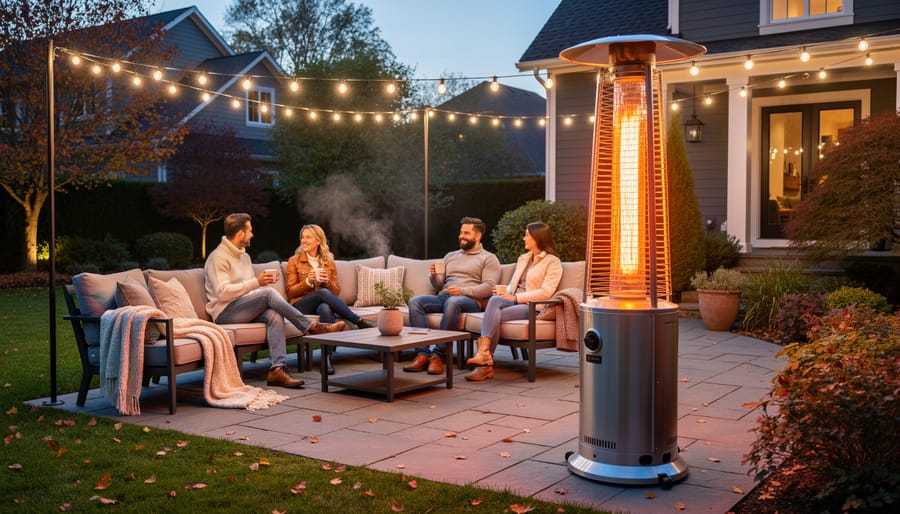
Investing in outdoor propane heating is more than just a purchase—it’s a lifestyle choice that transforms how you experience your home throughout the seasons. By choosing propane, you’re selecting a clean-burning, eco-friendly solution that delivers instant warmth without the mess of wood or the limitations of electric heaters. Whether you’re gathering around a cozy fire pit on a crisp autumn evening or extending your patio season well into winter, propane heating gives you the flexibility to enjoy your outdoor spaces whenever the mood strikes.
The beauty of propane heating lies in its versatility. From portable units that travel with you to permanent fixtures that become stunning focal points in your landscape, there’s a solution perfectly suited to your space and needs. Take the time to assess your outdoor area, consider your entertaining habits, and choose a system that aligns with both your practical requirements and your vision for outdoor living.
Year-round outdoor comfort is no longer a luxury reserved for warmer climates—it’s an achievable reality for any homeowner willing to invest in the right heating solution. Embrace the opportunity to create lasting memories under the stars, surrounded by warmth and ambiance, regardless of the temperature.