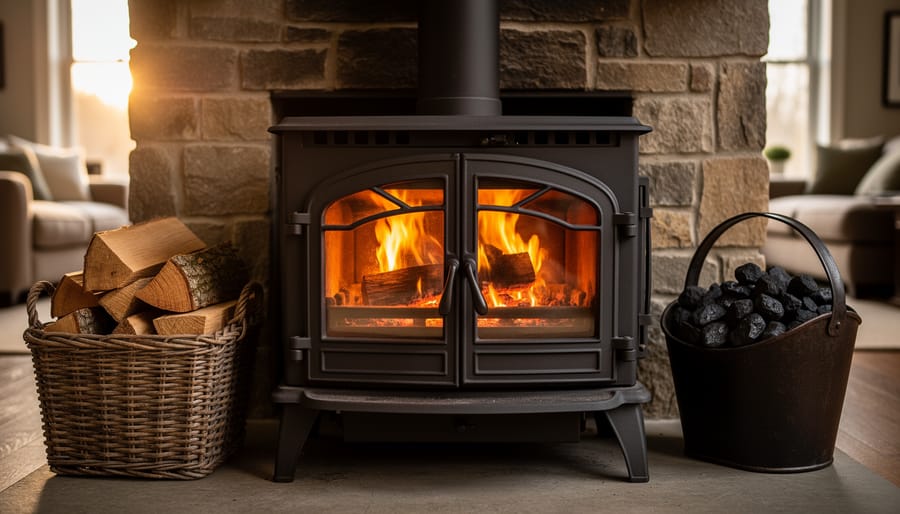


A dual fuel stove burns both wood and coal, giving you flexibility to choose whichever fuel is more available, affordable, or convenient for your heating needs. Unlike traditional wood-only stoves, these versatile units feature specialized grate systems and air control mechanisms designed to accommodate coal’s higher burning temperatures and different combustion requirements while still handling wood effectively.
This dual capability matters most when fuel prices fluctuate, supply chains shift, or you simply want options for different situations—wood for ambiance during cozy evenings, coal for overnight burns that maintain steady heat while you sleep. The technology centers on adjustable grates that either allow ash to fall through for coal burning or create a solid platform for wood, paired with air intake controls that manage each fuel’s distinct oxygen needs.
Understanding whether you actually need this versatility depends on your location, fuel access, and heating goals. If you live where both fuels are readily available and you value operational flexibility, a dual fuel stove represents smart investment. However, if you’ll realistically only burn one fuel type, a specialized single-fuel model often performs better and costs less upfront.
What Does Dual Fuel Stove Actually Mean?
If you’ve been shopping for a heating stove and come across the term “dual fuel,” you’re probably wondering what sets these stoves apart from the rest. Simply put, a dual fuel stove is designed to burn two different types of solid fuel efficiently, giving you flexibility in how you heat your home.
The most common dual fuel combination is wood and coal. These stoves feature specially designed fireboxes and grate systems that can handle the different burning characteristics of each fuel type. Wood burns best with air flowing from above, while coal needs air from below to maintain its characteristic glowing heat. A true dual fuel stove accommodates both requirements, often with adjustable grates or air control systems that let you switch between fuels as needed.
You might also encounter dual fuel stoves designed for wood and pellets, though this combination is less common. These models typically include features that make feeding and burning compressed wood pellets practical alongside traditional logs.
It’s worth noting that dual fuel stoves are different from multi-fuel stoves, even though the terms sometimes get used interchangeably. Multi-fuel stoves can typically burn three or more fuel types, including smokeless fuels and various biomass options, offering even broader versatility.
Why does this matter for your home? The dual fuel capability means you’re not locked into one fuel source. If wood becomes scarce or expensive in your area, you can switch to coal. If you prefer the ambiance of a crackling wood fire on weekends but want the longer, steadier heat of coal during the workweek, a dual fuel stove gives you that freedom. This flexibility can be both economical and practical, especially in areas where fuel availability varies seasonally.
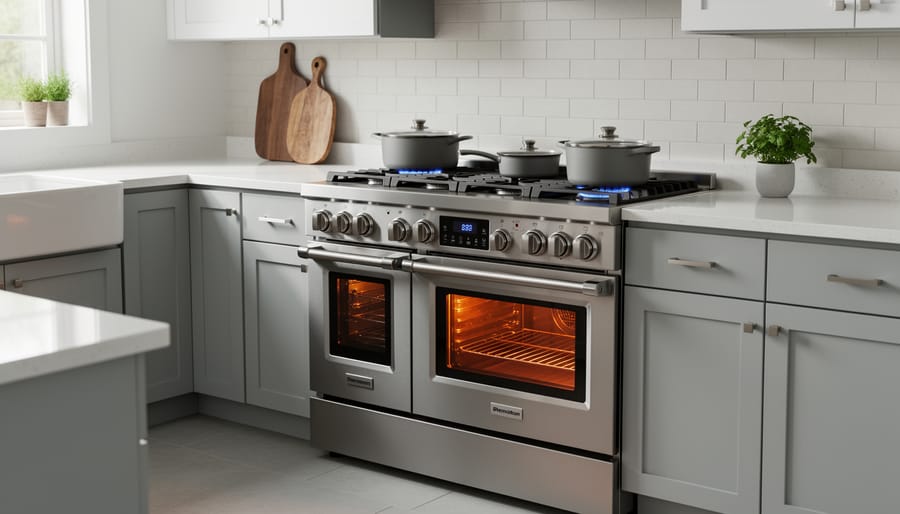
How Dual Fuel Differs from Multi-Fuel Stoves
When you’re shopping for a stove, you’ll encounter terms that sound similar but mean different things. Understanding the distinction between dual fuel and multi-fuel options helps you find exactly what you need for your home.
A dual fuel stove runs on two specific types of fuel. Most commonly, these stoves burn wood and coal, though some models pair wood with another single alternative. The key word here is “dual,” meaning two. These stoves are designed with specific engineering to handle the combustion characteristics of exactly two fuel types, optimizing performance for each.
Multi-fuel stoves, on the other hand, accommodate three or more fuel options. They typically burn wood, coal, peat, and sometimes biomass pellets or other alternatives. These models feature more versatile grate systems and airflow controls to handle the varying burn patterns of multiple fuel types.
Why does this matter for your purchase? If you know you’ll primarily use wood with occasional coal burning, a dual fuel model gives you targeted efficiency without paying for versatility you won’t use. However, if you want maximum flexibility or live where fuel availability changes seasonally, a multi-fuel option might serve you better.
The marketplace sometimes uses these terms interchangeably, creating confusion. When shopping, always check the manufacturer’s specifications to confirm which specific fuels the stove accommodates. This clarity ensures you’re investing in a heating solution that truly matches your lifestyle and fuel preferences.
The Real-World Benefits of Dual Fuel Flexibility
Fuel Availability and Local Resources
One of the most practical advantages of dual fuel stoves is their flexibility when it comes to fuel sourcing. If you live in an area where firewood is abundant and affordable, you can lean heavily on wood burning during those months. But when wood supplies run low or prices spike, simply switch to pellets without missing a beat of warmth in your home.
This adaptability becomes especially valuable during seasonal changes. Many homeowners find that pellets are easier to store and handle during wet winter months, while wood might be their preferred choice during drier seasons when splitting and stacking is more enjoyable. Regional availability also plays a role. Rural areas often have better access to cord wood, while suburban homeowners might find pellet delivery more convenient and consistent.
The beauty of dual fuel capability means you’re never held hostage by supply chain issues or regional shortages. You can take advantage of bulk wood purchases when prices drop or stock up on pellets during off-season sales, giving you true control over your heating budget and fuel management throughout the year.
Cost Control Through Fuel Choice
One of the most practical advantages of owning a dual fuel stove is the money-saving flexibility it offers. Energy prices can be unpredictable, with natural gas, propane, and wood costs fluctuating throughout the year based on market conditions, weather patterns, and regional availability. With a dual fuel system, you’re not locked into a single fuel source when prices spike. If natural gas rates climb during a particularly cold winter, you can switch to burning wood you’ve sourced affordably or already have stockpiled. Conversely, when wood is scarce or expensive in your area, you can rely on gas for convenient, cost-effective heating. This adaptability puts you in control of your heating budget, allowing you to make smart choices based on current market conditions rather than being at the mercy of a single fuel provider. Over time, these strategic switches can add up to significant savings while keeping your home comfortably warm.
Heating Performance for Different Needs
Different fuels bring distinct advantages to your home heating experience, and dual fuel stoves let you choose the right option for each situation. Wood creates that classic crackling ambiance perfect for cozy evenings, filling your space with the nostalgic scent and visual warmth that makes a house feel like home. When you need sustained heat through the night or during bitter cold snaps, coal burns longer and hotter, maintaining consistent temperatures without constant refueling. This flexibility means you’re not locked into one heating approach. Maybe you prefer wood on weekends when you’re home to tend the fire and enjoy the experience, then switch to coal during the workweek for reliable all-day warmth. The ability to adapt your fuel choice to match your lifestyle, weather conditions, and heating goals makes dual fuel stoves particularly practical for homeowners seeking both ambiance and efficient heating performance.
Common Dual Fuel Combinations Explained
Wood and Coal: The Traditional Pairing
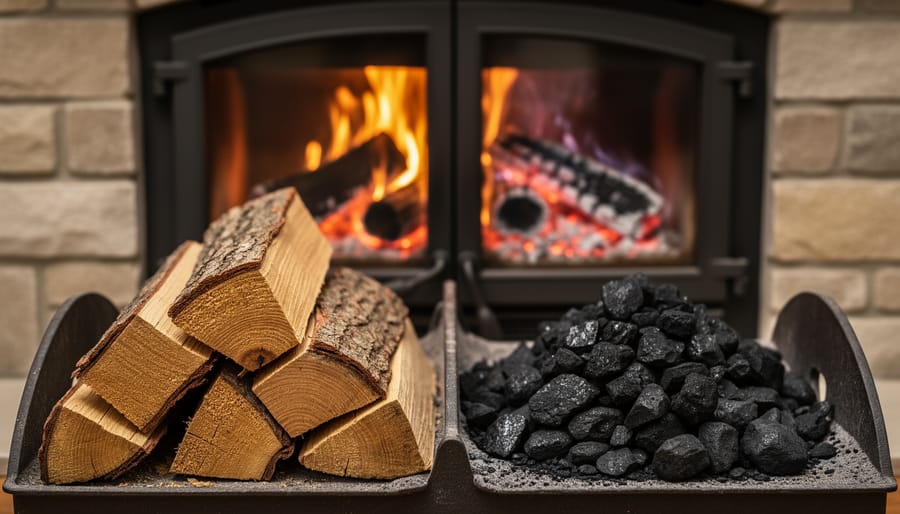
The wood and coal pairing represents the original dual fuel concept, and it continues to be the most popular combination for good reason. These two fuels naturally complement each other in ways that create a more versatile heating experience. Wood ignites quickly and produces those beautiful dancing flames we all love, making it perfect for getting your fire started and enjoying the visual ambiance. Coal, on the other hand, burns slower and hotter, providing sustained heat that keeps your home comfortable through cold nights without constant refueling.
This classic combination gives you the best of both worlds. Use wood when you want a cozy, atmospheric fire for an evening at home, then switch to coal when you need serious, long-lasting heat during winter’s coldest stretches. However, it’s essential to understand that not all wood stoves can handle coal safely. The higher burning temperature of coal requires specific grate designs and air control systems. Before attempting burning coal in wood stoves, verify your appliance is genuinely rated for dual fuel use. When shopping for a wood-coal dual fuel stove, look for models with riddling grates that allow ash to fall away while keeping coal elevated for proper airflow.
Wood and Smokeless Fuel: The Clean-Burning Option
This popular pairing offers a clever solution if you live in a smoke control zone or simply want to minimize your environmental footprint. Wood provides that authentic crackling fire experience we all love, while smokeless fuels like anthracite or manufactured briquettes burn cleaner and comply with local air quality regulations. When restrictions kick in or you want a longer, low-maintenance burn overnight, you simply switch to approved smokeless fuel. The beauty of this combination lies in its flexibility—you’re not locked into one fuel type based on weather, regulations, or your mood. Many eco-conscious homeowners appreciate having options that reduce emissions without sacrificing the warmth and ambiance of a real fire. It’s particularly practical for urban and suburban settings where clean air initiatives are becoming increasingly common, giving you peace of mind that your cozy evenings by the fire aren’t compromising your community’s air quality.
Wood and Pellets: Modern Convenience Meets Tradition
Moving beyond the traditional gas-and-wood combination, today’s dual fuel market includes an exciting option that marries old-world charm with modern efficiency: wood and pellet stoves. These innovative systems let you enjoy the crackle and ambiance of real wood logs while having the option to switch to convenient, automated pellet fuel when life gets busy.
What makes this pairing special? Wood pellets are compressed sawdust nuggets that burn cleaner than traditional logs and can be automatically fed into your stove from a hopper, meaning you can maintain consistent heat for hours without tending the fire. When you want that authentic fireplace experience on a cozy weekend evening, simply switch to traditional wood. This flexibility gives you control over both your heating experience and your environmental footprint, since pellets are typically made from recycled wood waste. For homeowners seeking the romance of wood burning without sacrificing the convenience of set-it-and-forget-it heating, this dual fuel approach offers the best of both worlds.
What Makes a Stove Truly Dual Fuel Capable?
Grate Systems and Air Control
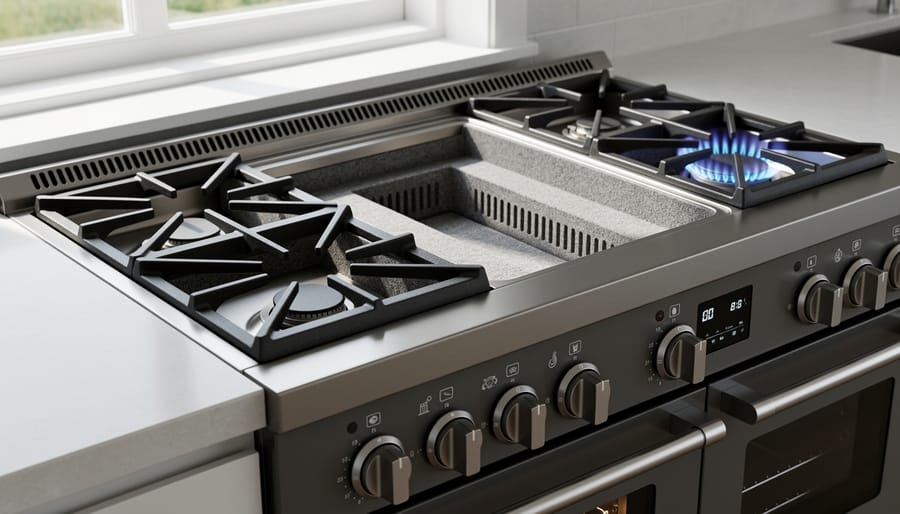
The beauty of dual fuel stoves lies in their intelligent design features that make burning different fuels not just possible, but genuinely practical. Think of the grate system as the heart of this versatility—most dual fuel models feature adjustable or removable grates that can be configured based on your fuel choice. When burning wood, you’ll want a raised grate that allows airflow underneath for complete combustion. Switch to coal, and you might lower the grate or use a different configuration that supports the slower, more intense burn this fuel requires.
Equally important are the air control systems, which regulate oxygen flow to match your fuel’s needs. Wood requires more air initially to catch and burn cleanly, while coal needs sustained, controlled airflow for its longer burn time. Quality dual fuel stoves incorporate primary and secondary air controls that let you fine-tune the burn rate, maximizing efficiency while minimizing smoke and emissions. This thoughtful engineering transforms a simple firebox into an adaptable heating solution that truly works with your lifestyle and fuel availability.
Material and Construction Requirements
When you’re investing in a dual fuel stove, the quality of materials matters significantly because these versatile units must handle the distinct demands of multiple fuel types. Understanding how wood stoves work helps explain why construction quality is so important.
The firebox needs heat-resistant steel or cast iron that can withstand the intense, prolonged heat from wood burning while also accommodating the cleaner, more controlled burn of manufactured fuels. Look for stoves with thick steel construction, typically 3-5mm, or heavy cast iron components that distribute heat evenly and maintain structural integrity over years of use.
Quality dual fuel stoves feature removable grates designed specifically for switching between fuel types. The ash pan should be robust and easy to access, since different fuels produce varying amounts of ash. Firebrick linings protect the firebox walls and improve efficiency, creating an eco-friendly heating solution that maximizes every fuel source. Durable door seals and reliable hinges ensure proper airflow control, which is essential for optimizing performance with either fuel type.
Safety Considerations When Burning Multiple Fuels
While dual fuel stoves offer wonderful flexibility for your home heating needs, understanding the safety considerations is essential before you start switching between wood and coal. Think of it like learning to drive both an automatic and manual transmission—each fuel type has its own requirements that deserve your attention and respect.
First and foremost, never mix fuels in the firebox at the same time. While it might seem efficient to burn wood and coal together, this practice creates unpredictable burning patterns and can produce dangerous creosote buildup or release harmful gases. Always let one fuel burn down completely and clear out the ash before switching to another fuel type. This isn’t just good practice—it’s crucial for maintaining safe combustion temperatures and proper airflow.
Your chimney system plays a vital role in dual fuel safety. Different fuels produce varying amounts and types of creosote and residue. Coal, for instance, creates different deposits than wood, which means your chimney requires more frequent inspection and cleaning—ideally twice per year when burning multiple fuel types. A qualified chimney sweep can identify any buildup that might restrict airflow or create fire hazards specific to your fuel choices.
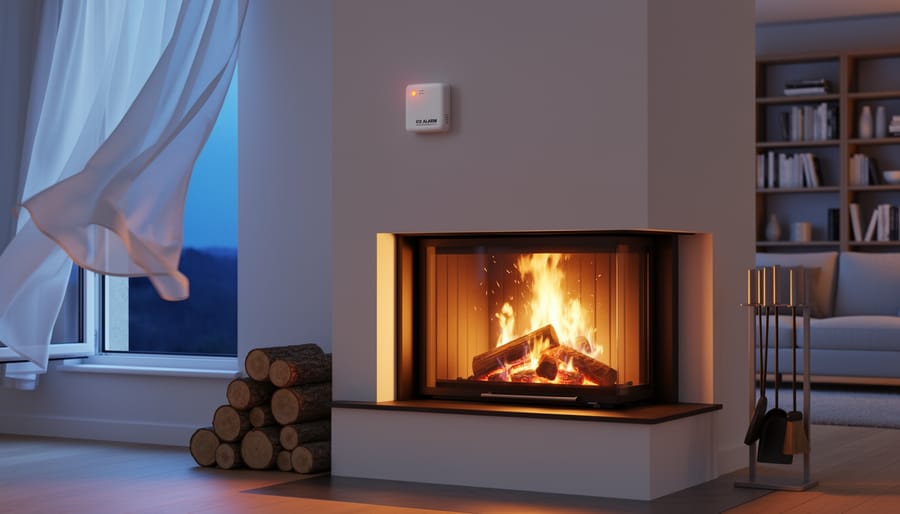
Ventilation becomes even more important with dual fuel capability. Each fuel burns at different temperatures and requires specific air intake settings. Wood typically needs more air for complete combustion, while coal burns hotter with less air. Always consult your stove’s manual for the recommended damper and air control settings for each fuel type. Using incorrect settings can lead to incomplete combustion, producing dangerous carbon monoxide.
Regular maintenance takes on added importance with dual fuel stoves. The grates, firebricks, and door seals experience different types of wear depending on which fuel you’re burning. Inspect these components monthly and replace worn parts promptly. This proactive approach ensures your stove continues operating safely while providing the cozy, eco-friendly warmth that makes these versatile heating solutions so appealing for modern homes.
Is a Dual Fuel Stove Right for Your Home?
When Dual Fuel Makes Perfect Sense
Dual fuel stoves shine brightest when flexibility matters most in your home heating strategy. If you live in an area where one fuel type is more readily available or affordable than another, the ability to switch fuels gives you energy independence you’ll truly appreciate. Homeowners in rural locations often find dual fuel particularly valuable, where propane or gas lines may not always be reliable, but wood supplies are abundant.
The dual fuel option also makes tremendous sense if you’re committed to eco-friendly heating solutions but want backup options during extreme weather. You can prioritize wood burning for its renewable, carbon-neutral qualities during mild cold snaps, then switch to gas when convenience becomes paramount during busy weeks or when you’re away from home for extended periods.
Budget-conscious homeowners benefit too. When fuel prices fluctuate seasonally, you can choose whichever option is more economical at any given time, turning your stove into a smart financial investment that adapts to market conditions.
When Single Fuel Might Be Better
Let’s be honest—not everyone needs the flexibility of dual fuel. If you’ve got a reliable natural gas line and don’t experience frequent outages, a standard gas stove might serve you perfectly well without the added complexity. Similarly, if you prefer the simplicity and eco-friendly appeal of burning wood exclusively, a traditional wood-burning stove could be your best match.
Dual fuel stoves typically cost more upfront and require additional setup considerations, like ensuring proper ventilation for both fuel types. If budget is a concern and you’re confident in your primary fuel source, that extra investment might not make sense for your lifestyle. For occasional users or those in mild climates who don’t rely heavily on their stove for primary heating, the added versatility simply won’t get enough use to justify the expense. Consider your actual heating needs, your home’s infrastructure, and how often you’d realistically switch between fuels before committing to this feature.
Eco-Friendly Dual Fuel Strategies
Choosing a dual fuel stove opens doors to environmentally conscious heating that can significantly reduce your carbon footprint when approached thoughtfully. The flexibility of burning different fuel types gives you unique opportunities to make greener choices based on availability and sustainability in your region.
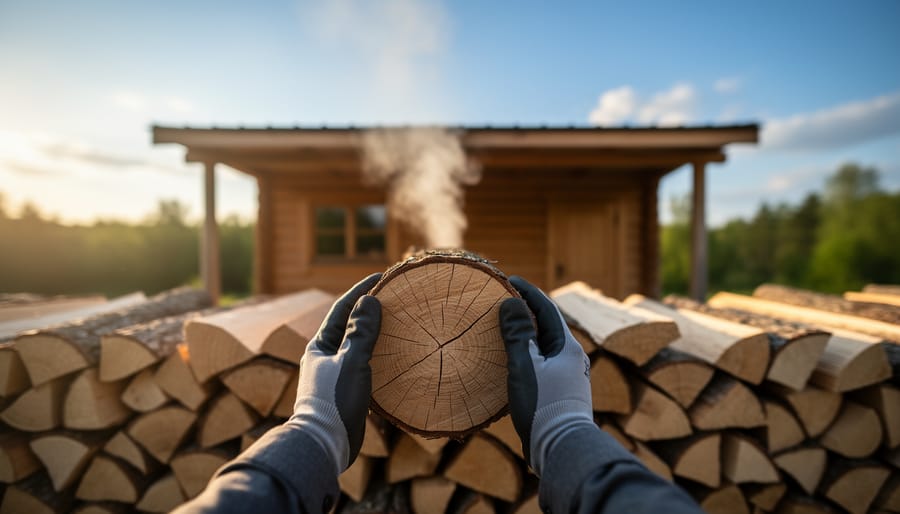
Start by sourcing locally harvested wood whenever possible. Wood that travels fewer miles means lower transportation emissions, and purchasing from responsible forestry operations ensures forests remain healthy for future generations. Look for suppliers who practice selective harvesting and replanting programs. Many communities have local firewood cooperatives that make sustainable sourcing surprisingly accessible.
Maximize efficiency by selecting the cleanest-burning fuel option available. Modern coal varieties like anthracite produce fewer emissions than traditional bituminous coal, though sustainably sourced dry hardwood often represents the most eco-friendly choice. The key is moisture content—wood should be seasoned for at least six months with moisture levels below 20 percent. Wet wood creates excessive smoke and wastes energy through evaporation.
Smart fuel switching also reduces environmental impact. Use cleaner-burning options during temperature inversions or poor air quality days when emissions linger close to ground level. Monitor local air quality alerts and adjust your fuel choices accordingly.
Regular maintenance plays a surprisingly significant role in eco-friendly operation. Clean your stove’s combustion chamber monthly and inspect door seals annually. Even small air leaks reduce efficiency by up to 30 percent, meaning you’ll burn more fuel for the same warmth. A well-maintained dual fuel stove burns cleaner, uses less fuel, and keeps your home comfortable while honoring your commitment to environmental stewardship.
Choosing a dual fuel stove ultimately comes down to embracing flexibility and control in your home heating journey. The beauty of these versatile appliances lies in their ability to adapt to your changing needs, whether you’re maximizing cost savings, ensuring warmth during unexpected supply challenges, or simply enjoying the ambiance of different fuel types throughout the seasons. As you consider your heating options, take time to honestly assess your lifestyle, fuel availability in your area, and what matters most to you in creating a comfortable living space. Are you drawn to the romance of wood fires on quiet winter evenings, yet appreciate the convenience of switching to coal when life gets busy? Understanding your unique situation will guide you toward the right decision. Remember, investing in a dual fuel stove isn’t just about heating your home efficiently—it’s about creating a sustainable, cozy sanctuary that works harmoniously with your life, giving you peace of mind knowing you’re prepared for whatever comes your way while keeping your family warm and comfortable.