

Understand that B-vent chimneys offer a budget-friendly, natural-draft solution for venting gas appliances, but they work best in specific situations where installation conditions align with their limitations. Before committing to this system, verify your gas appliance is specifically rated for B-vent use—modern high-efficiency units typically require direct-vent systems instead, making B-vent primarily suitable for standard-efficiency gas fireplaces and furnaces.
Plan your venting route to rise vertically through conditioned living spaces rather than along exterior walls, since B-vents rely on warm air rising naturally to create draft. Cold outdoor temperatures can reverse this flow and cause dangerous backdrafting. Measure carefully to ensure your total vertical rise meets manufacturer minimums, typically 10-15 feet, and account for every elbow and horizontal offset, which significantly reduces draft strength.
Calculate your routing before purchasing materials by sketching potential paths from your appliance location to the roof exit point. Each 90-degree elbow reduces venting capacity equivalent to several feet of vertical pipe, so minimize directional changes whenever possible. Check local building codes early in your planning process, as some jurisdictions restrict or prohibit B-vent installations due to safety concerns about carbon monoxide risks.
Recognize that B-vent systems lack the sealed combustion chamber of direct-vent alternatives, meaning they draw combustion air from inside your home and can compete with kitchen exhausts, bathroom fans, and other appliances for available air. This interconnection makes proper planning essential for both safety and system performance, particularly in tightly-sealed modern homes where negative pressure issues commonly arise.
What Makes B-Vent Different from Other Chimney Systems
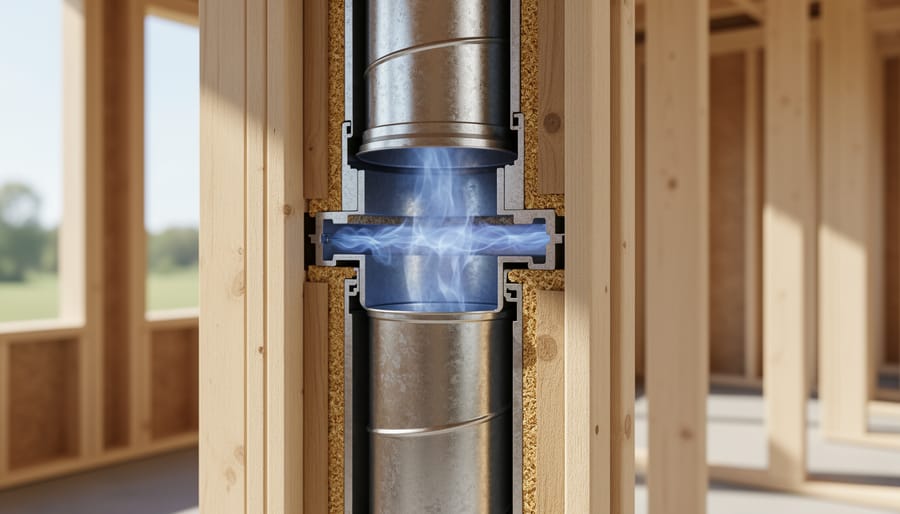
The Natural Draft Advantage
One of the most appealing features of a B-vent chimney system is its elegantly simple approach to venting. Unlike direct-vent systems that require fans and electricity, B-vent relies entirely on natural draft, the time-tested principle where warm air naturally rises and creates its own upward flow. This means your gas fireplace or heating appliance operates quietly, without mechanical noise or the need for electrical connections at the vent termination.
This natural convection offers real benefits for your home. You’ll enjoy whisper-quiet operation that enhances the peaceful ambiance of a flickering fire, and there’s one less component to maintain or potentially repair. The simplicity also means lower initial installation costs in many cases, making B-vent an attractive option for homeowners seeking an eco-friendly heating solution without complex mechanical systems.
However, understanding the limitations helps you plan effectively. Because B-vent depends on natural draft, it requires a vertical run with minimal bends to function properly. The system draws combustion air from inside your home, which means it won’t work in extremely tight, modern construction without adequate air supply. Additionally, natural draft can be affected by weather conditions, home pressure, and competing exhaust systems. These factors don’t make B-vent unsuitable, but they do require thoughtful planning during your installation design.
When B-Vent Is (and Isn’t) Your Best Choice
B-vent works beautifully for specific applications, but it’s not a one-size-fits-all solution. Understanding when it’s the right choice can save you time, money, and potential headaches down the road.
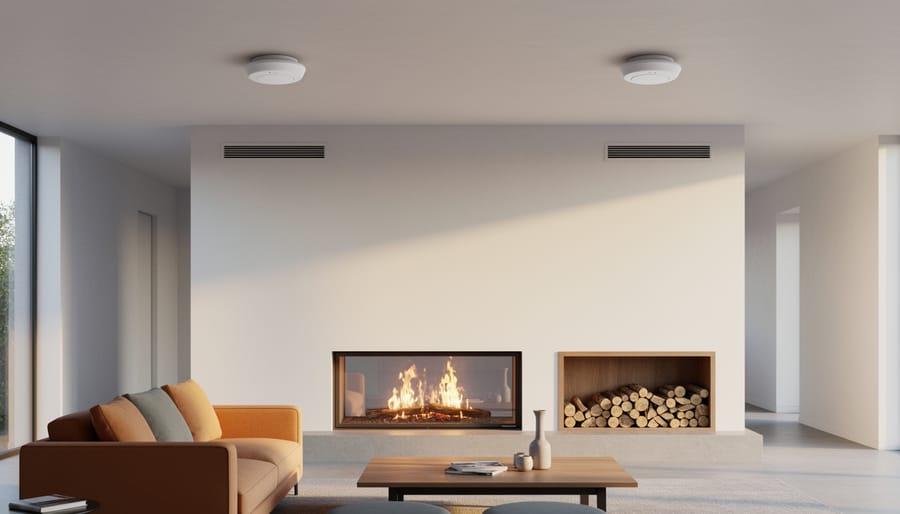
B-vent is designed specifically for natural draft gas appliances, including traditional gas fireplaces, furnaces, and water heaters. If you’re installing a conventional gas fireplace that draws combustion air from inside your home and relies on natural buoyancy to vent exhaust gases, B-vent is likely your match. These systems work wonderfully in homes with adequate indoor air quality and proper makeup air.
However, B-vent isn’t suitable for high-efficiency appliances. Modern direct vent fireplaces and condensing furnaces require different venting systems because they operate at lower temperatures and produce condensation that B-vent can’t handle safely. Direct vent systems are also your only option in tightly sealed, energy-efficient homes where drawing indoor air for combustion could create negative pressure issues.
Wood-burning fireplaces and stoves need traditional masonry chimneys or Class A chimney systems, never B-vent. The materials simply can’t withstand the high temperatures and corrosive byproducts of wood combustion.
Consider your home’s layout too. B-vent requires a vertical run with minimal offsets, making it ideal for straightforward installations but challenging in homes with complex rooflines or limited vertical space. If your installation requires extensive horizontal runs or multiple turns, direct vent with its flexible routing options might serve you better while still providing that cozy ambiance you’re seeking.
Planning Your B-Vent Route: The Foundation of Safety
Vertical Rise Requirements That Actually Matter
Your B-vent system needs adequate vertical rise to function safely and efficiently, and this isn’t just a suggestion—it’s a fundamental requirement that directly impacts how your fireplace performs. Most manufacturers and building codes require a minimum of 5 feet of vertical rise from the appliance collar to where the vent terminates above your roofline. This height requirement exists for a very practical reason: creating sufficient draft.
Think of draft as the engine that makes your venting system work. As exhaust gases heat up inside the vent pipe, they naturally want to rise. The taller your vertical run, the stronger this upward pull becomes, effectively drawing combustion byproducts out of your home and bringing fresh air in for complete combustion. When you skimp on vertical height, you’re essentially creating a weak engine that struggles to do its job.
Insufficient vertical rise leads to several concerning problems. First, you’ll likely experience poor combustion, which means your appliance won’t burn cleanly or efficiently. You might notice sooting around the fireplace, increased fuel consumption, or even the pilot light going out unexpectedly. More seriously, inadequate draft can cause dangerous combustion gases to spill back into your living space rather than venting safely outside.
Beyond the minimum 5-foot requirement, you’ll also need to ensure your vent extends at least 2 feet above any roof penetration and rises higher than anything within 10 feet horizontally. These aren’t arbitrary numbers—they prevent wind currents and roof obstacles from creating downdrafts that push exhaust back down your chimney, undermining the natural draft you’ve worked to establish.
Dealing with Offsets and Horizontal Runs
When planning your B-vent chimney system, understanding how to properly route horizontal sections is essential for both safety and performance. While B-vent systems are remarkably flexible compared to other venting options, they do have specific requirements when it comes to horizontal runs that you’ll need to follow carefully.
The good news for homeowners is that B-vent systems do allow horizontal sections, which gives you more flexibility in routing your vent around obstacles or through different areas of your home. However, these horizontal runs must maintain a minimum upward slope of one-quarter inch per foot. This gentle rise ensures that any condensation formed inside the vent pipe can drain back toward the appliance rather than pooling in the pipe, which could lead to corrosion or blockages.
Think of it like your home’s plumbing – just as drain pipes need proper slope to function correctly, your B-vent system needs that upward angle to maintain healthy airflow and prevent moisture problems. This is particularly important because B-vent systems operate at relatively low temperatures compared to other venting options.
Most manufacturers and building codes limit horizontal runs to no more than 75% of the total vertical height of your system. For example, if you have 10 feet of vertical vent pipe, you could potentially have up to 7.5 feet of horizontal sections. However, it’s wise to minimize horizontal runs whenever possible – each foot of horizontal venting slightly reduces the natural draft that makes your system work efficiently.
When planning your installation, remember that every elbow or offset you add creates a bit of resistance to the flowing exhaust gases. While a few strategic turns are perfectly acceptable and often necessary, excessive horizontal runs or too many direction changes can compromise your system’s performance and your home’s comfort.
Common B-Vent Routing Mistakes (That Cost Homeowners Thousands)
The Attic Access Problem Nobody Talks About
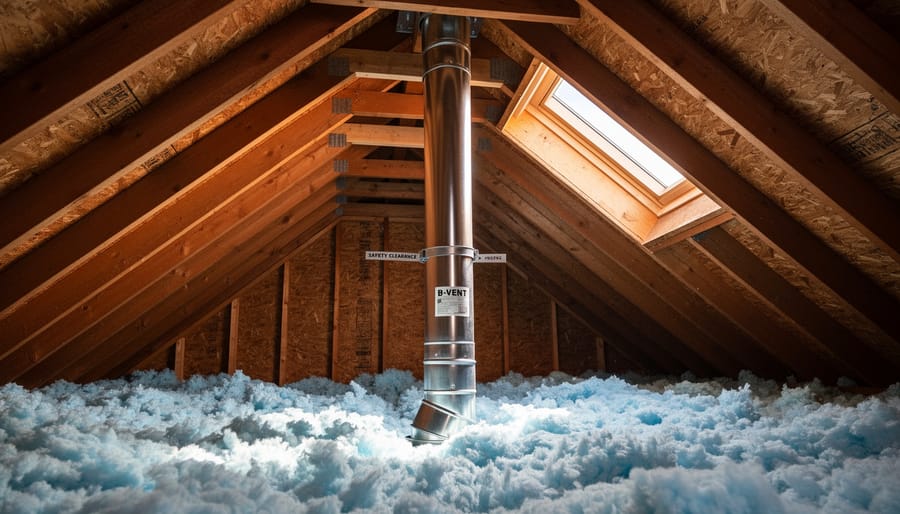
Here’s something most installers won’t mention until it’s too late: what happens when your B-vent pipe runs through fifteen feet of attic space and needs inspection or repair in five years? You’re not dealing with a simple chimney you can access from the roof. B-vent systems often snake through tight crawl spaces, tucked between joists and insulation, making future access a genuine headache.
When planning your route, think beyond just getting the pipe to daylight. Consider adding access panels at key points, especially where the pipe changes direction or connects to elbows. A small attic hatch positioned near your B-vent route isn’t just convenient, it’s your future self’s best friend. You’ll thank yourself when a technician can actually reach the system without tearing into finished ceilings.
Another overlooked issue is clearance maintenance. That two-inch clearance from combustibles you maintain today can disappear when someone adds extra insulation during an energy upgrade, unknowingly burying your B-vent in fiberglass batts. Mark your B-vent routing clearly in the attic with permanent tags, and photograph the installation. This simple step protects both your safety and your investment in creating a warm, inviting living space centered around your fireplace.
Termination Troubles: Why Location Is Everything
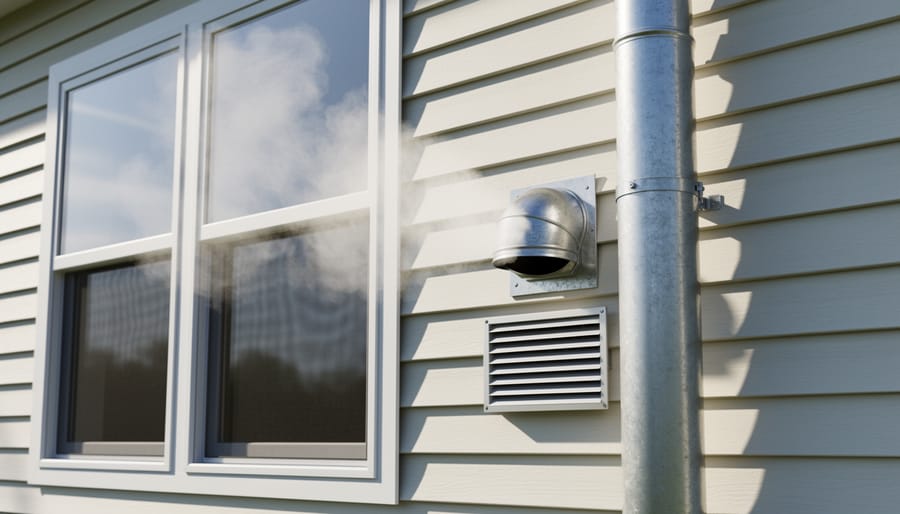
Where your B-vent chimney terminates might seem like a minor detail, but it’s actually one of the most critical safety considerations in your entire installation. Getting the location wrong can create dangerous situations, code violations, and compromise the efficiency of your heating system.
The golden rule is simple: your B-vent termination needs breathing room. Building codes are very specific about clearances, and for good reason. Imagine your chimney terminating just a foot away from an operable window. When combustion gases exit the vent, they could easily be drawn back into your home through that window, bringing carbon monoxide and other harmful gases with them. That’s why codes typically require at least four feet of clearance from any window, door, or other opening that could allow gases to re-enter your living space.
Air intake vents for your HVAC system present a similar concern. Your heating system needs fresh air to operate safely, not recycled combustion gases. Picture your furnace’s fresh air intake positioned near your B-vent termination. Every time your fireplace runs, your furnace could be pulling in those exhaust gases, reducing efficiency and creating a hazardous situation.
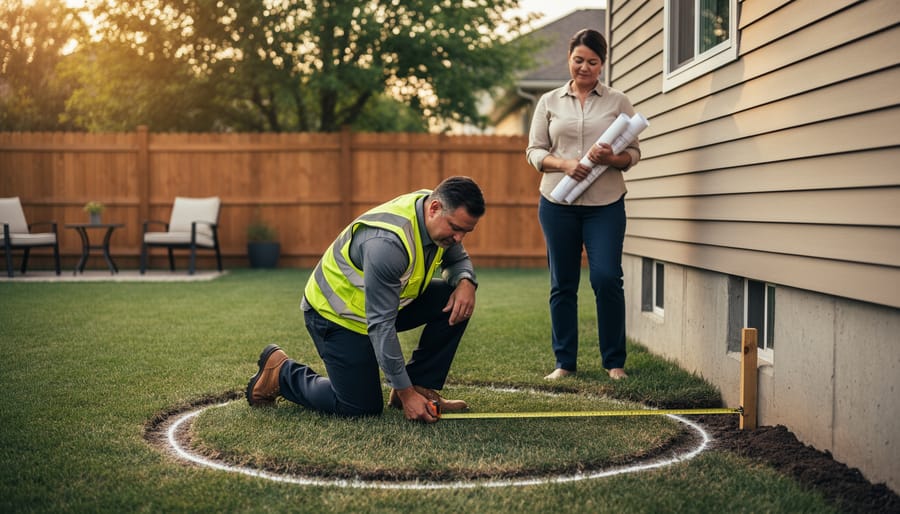
Property lines matter too, especially if you’re working with a smaller lot. Your neighbor’s windows and air intakes deserve the same consideration as your own. Most codes require maintaining clearances from property lines, typically ranging from three to ten feet depending on your local regulations.
The sweet spot for B-vent termination is usually above the roofline, extending at least two feet higher than any structure within ten feet horizontally. This placement ensures proper draft and keeps exhaust gases well away from any potential entry points. When planning your installation, sketch out these clearances early. It might mean adjusting your fireplace location or choosing a different venting route, but getting it right from the start saves headaches and keeps your family safe.
Working Around Your Home’s Unique Layout
Multi-Story Homes and Chase Planning
Planning a B-vent chimney chase through multiple floors requires thoughtful preparation to ensure safety, code compliance, and future accessibility. Whether you’re adding a cozy fireplace to your living room or installing a new heating appliance, understanding how to route your chase properly makes all the difference in your project’s success.
The chase essentially creates a protected vertical pathway for your B-vent pipe as it travels from your appliance through each floor and ultimately through the roof. In multi-story homes, this means coordinating the chase location across different levels, which can be trickier than it sounds. You’ll want to choose a path that minimizes disruption to your home’s structure while avoiding obstacles like joists, electrical wiring, and plumbing.
Building codes typically require specific clearances around the chase, usually 1 to 2 inches of airspace between the B-vent pipe and any combustible materials. This gap allows heat to dissipate safely and prevents fire hazards. When framing your chase through floors and ceilings, use fire-rated materials and proper firestops at each floor penetration to contain potential flames and smoke.
Accessibility is another crucial consideration. You’ll need access points for inspection and maintenance, as B-vent systems should be checked annually for proper operation and any signs of deterioration. Planning access panels in inconspicuous locations, like closets or utility areas, keeps your home looking great while maintaining safety.
Remember that attic spaces present unique challenges, as insulation must be kept away from the chase to prevent overheating. Consider working with a professional installer who can navigate these complexities while ensuring your multi-story B-vent installation meets all safety standards and creates the warm, inviting atmosphere you’re seeking.
Tight Spaces and Creative Solutions
Working with tight spaces doesn’t mean compromising on your dream of a cozy fireplace. B-vent chimneys offer remarkable flexibility for homes where routing options feel limited, but you’ll need to balance creativity with essential safety clearances.
The beauty of B-vent systems lies in their reduced clearance requirements compared to traditional chimneys. Most B-vent pipe needs just one inch of clearance from combustible materials, making it possible to route through closets, walls, and compact vertical chases. This opens up installation possibilities in townhomes, condos, and rooms where you thought a fireplace simply wouldn’t work.
When planning your route, think vertically first. The straightest path with minimal offsets delivers the best draft and efficiency. If you must navigate around obstacles like roof trusses or second-floor framing, strategic offset elbows can guide your vent pipe while maintaining proper rise ratios. Just remember that each turn slightly impacts performance, so keep angles gradual and runs as direct as possible.
Consider enlisting a professional for the planning phase, even if you’re handy with DIY projects. They can spot creative routing solutions you might miss and ensure every clearance meets code requirements. Sometimes the difference between “it won’t fit” and “perfect installation” is simply knowing which wall cavity or chase offers the cleanest path upward.
Materials and Components: Building Your System Smart
The Essential Components Checklist
Planning your B-vent chimney system means gathering the right components to create a safe, code-compliant pathway for combustion gases. Think of it as building blocks that work together to protect your home while your fireplace creates that cozy ambiance you’re after.
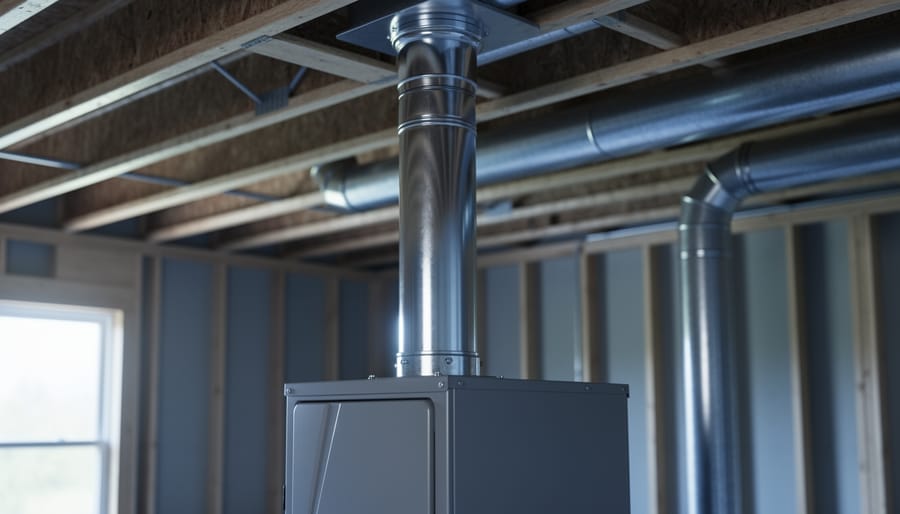
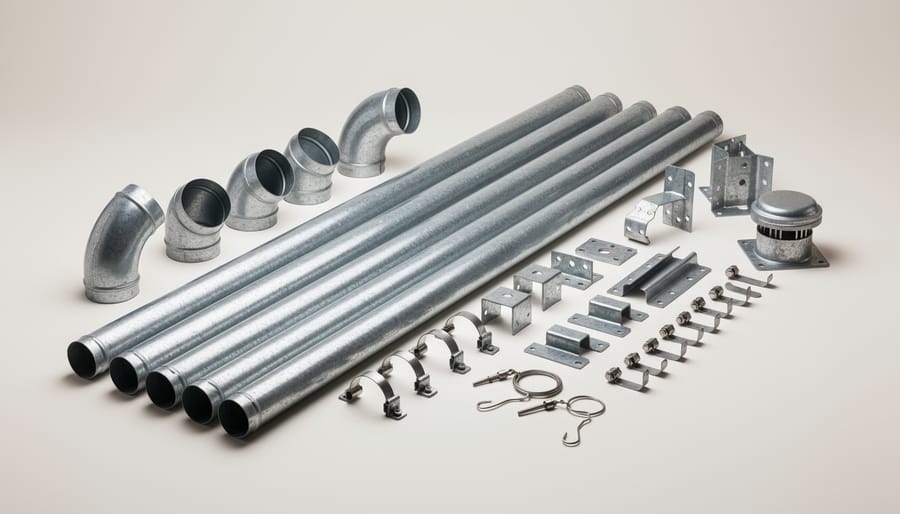
Start with straight pipe sections, which form the vertical runs of your system. These come in various lengths, typically ranging from 6 to 48 inches, allowing you to customize the height needed to reach proper termination above your roofline. You’ll connect these sections as you build upward from your appliance.
Elbows become necessary when your chimney route needs to navigate around obstacles like joists or when offsetting the vent path. Most B-vent systems limit the number and degree of elbows allowed, so plan your route carefully to minimize these directional changes while maintaining proper clearances.
Support brackets secure your chimney system at regular intervals, preventing movement and maintaining proper alignment. Building codes typically require support every 8 feet of vertical run, though you may need additional support points depending on your specific configuration.
Firestops serve double duty as structural support and fire barriers where your B-vent passes through floors or ceilings. These essential components maintain required clearances from combustible materials while preventing fire spread between levels of your home.
Finally, the termination cap crowns your system at the roofline. This weather-resistant component prevents rain and debris from entering while allowing exhaust gases to safely disperse. Proper cap installation ensures your eco-friendly heating solution operates efficiently season after season.
Quality Matters: What to Look For
When selecting B-vent materials for your home’s heating system, quality should never be negotiable. Look for products that carry UL certification, which ensures they’ve met rigorous safety standards. The double-wall construction should feel substantial, with secure connections that fit together smoothly without gaps or wobbling. Quality B-vent pipes feature precisely manufactured joints that create airtight seals, preventing dangerous combustion gases from entering your living space.
Pay attention to the gauge of the metal used. Thicker materials last longer and resist corrosion better, especially in climates with temperature extremes. Premium manufacturers also apply protective finishes that enhance durability without compromising the venting system’s performance.
Cutting corners on B-vent materials might save a few dollars initially, but it’s a gamble with your family’s safety and comfort. Inferior products can deteriorate faster, leading to leaks, reduced efficiency, and potentially hazardous conditions. They may also void your appliance warranty and create headaches during inspections. Remember, your B-vent system is a critical safety component that quietly protects your home every time you enjoy the warmth of your fireplace. Investing in quality materials means peace of mind for years to come.
Code Requirements and Professional Considerations
When to Call in the Pros
While B-vent systems might seem straightforward, certain situations absolutely require professional expertise. If your installation involves running vent pipes through multiple stories, complex roof penetrations, or tight clearance spaces, bring in a certified installer. They understand local building codes and manufacturer specifications that protect your home and family.
Consider professional help when you’re connecting to older chimney systems or dealing with unusual architectural features. A pro can assess whether your existing structure can safely accommodate B-vent requirements. They’ll also spot potential problems like inadequate clearances or improper termination heights that might not be obvious to first-time installers.
Investment protection matters too. Many appliance warranties require professional installation, and incorrect DIY work can void these guarantees. Professional installers carry liability insurance and typically guarantee their work, giving you peace of mind that extends beyond the installation day.
Think of professional installation as an investment in your home’s comfort and safety rather than an expense. A properly installed B-vent system becomes a reliable, eco-friendly heating solution that serves your family for decades. When safety, structural modifications, or warranty protection are involved, calling the pros isn’t admitting defeat—it’s making the smart choice for your home’s long-term wellbeing.
Inspection Points That Protect Your Family
Whether you’re tackling the installation yourself or working with a professional, knowing the essential inspection criteria helps ensure your B-vent system protects your family properly.
Start at the termination cap outside your home. It should extend at least two feet above any roof surface within ten feet horizontally, keeping exhaust gases safely away from windows, doors, and air intakes. Check that the cap sits securely and shows no gaps or rust damage.
Inside, verify that every joint fits snugly with proper connectors. B-vent sections should slide together smoothly without forcing, and all connections need securing with provided fasteners. Look for consistent clearances from combustible materials throughout the entire run, typically one inch minimum, though your specific system may require more.
Examine the base connection where vent meets appliance. This critical junction should feel solid and show no signs of melting, discoloration, or soot buildup, which could indicate improper sizing or backdrafting issues.
Finally, ensure proper pitch throughout vertical and horizontal sections. B-vent requires a slight upward slope to encourage natural draft, preventing condensation pooling that could corrode the system over time. These verification points give you confidence your family’s heating system operates safely and efficiently.
Planning your B-vent chimney system might feel overwhelming at first, but remember that you’re investing in more than just a heating appliance. You’re creating a focal point for gatherings, a source of reliable warmth on cold evenings, and a centerpiece that defines your home’s character. Every consideration you make during the planning phase, from proper routing to clearance requirements, contributes to a system that will serve your family safely for decades to come.
The beauty of taking time with your B-vent planning is that it pays dividends in both performance and peace of mind. When you understand how your system works, when you’ve carefully mapped the route from appliance to termination, and when you’ve accounted for all the clearances and safety requirements, you’re not just following codes. You’re creating a heating solution that works harmoniously with your home’s design while protecting what matters most.
Whether you’re working with a professional installer or tackling aspects of the planning yourself, the knowledge you’ve gained empowers you to make informed decisions. You can ask the right questions, understand the recommendations you receive, and ensure that your installation meets both safety standards and your lifestyle needs. This isn’t about settling for adequate heat; it’s about creating an efficient, eco-conscious system that enhances your daily life.
As you move forward with your hearth project, carry this confidence with you. A properly planned B-vent system delivers consistent warmth without compromise, operating quietly in the background while you enjoy the ambiance and comfort it provides. That’s the reward for thoughtful planning: a home filled with lasting warmth and the assurance that comes from doing things right.