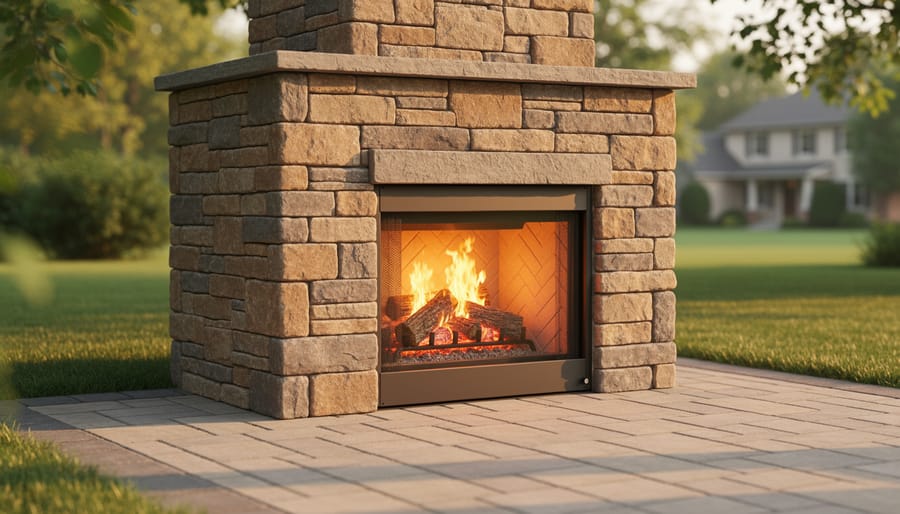
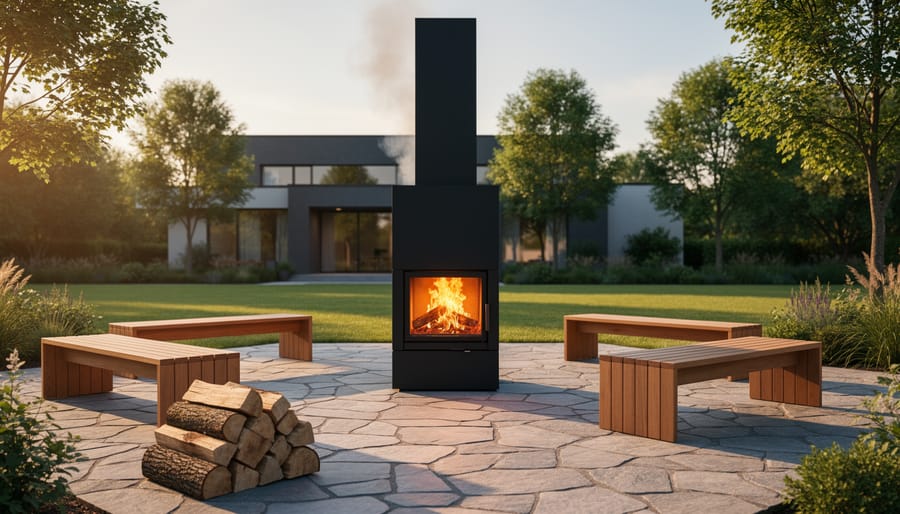


Position your freestanding outdoor fireplace with chimney at least 10 feet from structures and overhanging branches to maximize safety while minimizing smoke impact on your living spaces. The chimney design naturally channels emissions upward and away, creating a cleaner breathing zone for guests compared to open fire pits that spread smoke horizontally.
Choose models constructed from recycled steel or sustainably sourced cast iron, which offer decades of durability without requiring replacement. These materials retain heat efficiently, meaning you’ll burn less fuel while enjoying the same warmth and ambiance. Look for powder-coated finishes free from volatile organic compounds, protecting both air quality and your family’s health.
Select seasoned hardwoods or wood pellets certified by the Forest Stewardship Council as your primary fuel source. These burn cleaner and hotter than softwoods or treated lumber, producing significantly less particulate matter and creosote buildup. Well-dried wood with moisture content below 20 percent generates up to 25 percent more heat while releasing fewer harmful emissions into your outdoor environment.
Install your fireplace on a non-combustible base like natural stone pavers or recycled concrete, which absorbs and radiates heat long after flames die down. This thermal mass effect extends your comfort hours without additional fuel consumption, making each fire session more efficient.
The marriage of classic outdoor charm with environmental mindfulness transforms your backyard into a gathering space that respects both tradition and our planet’s future. Understanding these eco-conscious choices ensures your investment enhances countless evenings without compromising the air quality your family breathes.
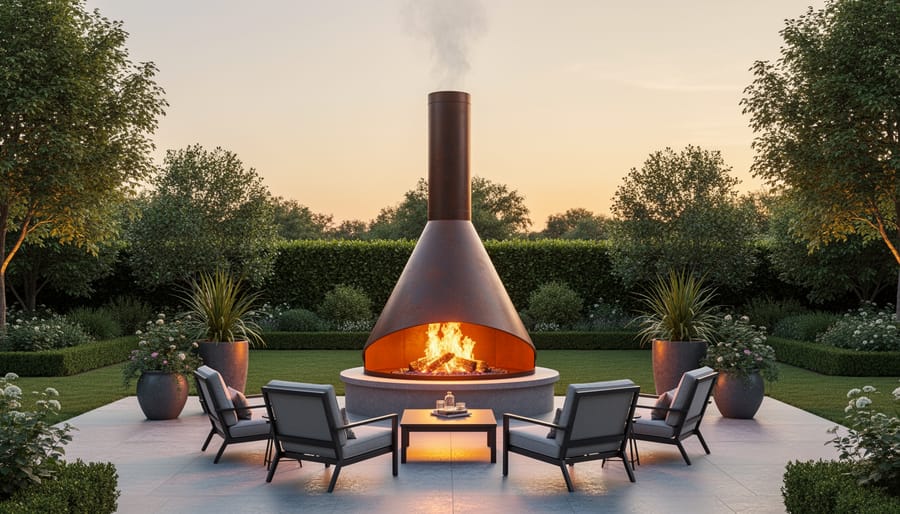
What Makes a Freestanding Outdoor Fireplace Different (And Better for the Planet)
The Science Behind Cleaner Burns
When you light a fire in a freestanding outdoor fireplace with a properly designed chimney, something remarkable happens that sets it apart from simpler fire features like chimineas or open fire pits. The chimney creates what’s called a draft, which is essentially a powerful upward pull of air caused by hot gases rising through the flue. This natural vacuum effect does more than just send smoke skyward—it fundamentally changes how your fire burns.
The draft pulls fresh oxygen into the firebox at a steady rate, feeding the flames exactly what they need for complete combustion. When wood burns with adequate oxygen, it converts more thoroughly into heat, water vapor, and carbon dioxide, leaving behind much less of the nasty stuff—those tiny particles of unburned carbon that create visible smoke and air pollution. Think of it like the difference between a car engine running smoothly versus one that’s sputtering and belching black exhaust.
This matters tremendously for your neighborhood’s air quality. Incomplete combustion from poorly ventilated fires releases particulate matter that can drift into nearby homes, triggering respiratory issues and creating that acrid smell we all associate with smoky fires. A well-designed chimney system can reduce these emissions by up to 70 percent compared to open-air burning.
For you, this means enjoying longer, cleaner fires that are genuinely neighbor-friendly—transforming outdoor heating from a potential nuisance into a sustainable lifestyle choice everyone can appreciate.
Built-In vs. Freestanding: The Eco Impact
When weighing the environmental impact of your outdoor fireplace choice, the installation process and materials tell an important story. Built-in fireplaces typically require extensive excavation, concrete foundations, and heavy masonry work. This construction demands significant energy, generates waste, and leaves a permanent mark on your landscape. In contrast, freestanding units arrive ready to use with minimal site preparation, dramatically reducing construction-related emissions and material consumption.
The sustainability advantages extend beyond installation. Freestanding models often incorporate recycled metals and sustainable materials, while their modular design means individual components can be replaced rather than demolishing an entire structure. This repair-versus-replace approach keeps materials out of landfills and conserves resources over time.
Long-term flexibility also matters for eco-conscious homeowners. As your lifestyle changes or you relocate, a freestanding fireplace moves with you, maximizing its useful life. Built-in structures become abandoned infrastructure, representing wasted embodied energy. Additionally, freestanding units allow you to optimize placement seasonally, positioning them where they’ll provide maximum warmth efficiency and reducing supplemental heating needs. This adaptability makes them a greener choice for homeowners who value both environmental responsibility and lifestyle flexibility.
Eco-Friendly Fuel Options for Your Outdoor Fireplace
Seasoned Hardwood: The Traditional Green Choice
When it comes to sustainable fuel choices for your freestanding outdoor fireplace, seasoned hardwood stands the test of time as an environmentally responsible option. The key word here is “seasoned”—wood that’s been properly dried for at least six months reduces smoke emissions and burns more efficiently than green or wet wood.
Hardwoods like oak, maple, and ash offer the best burn quality, producing more heat with less creosote buildup in your chimney. This means you’ll use less fuel overall while enjoying longer-lasting fires that create that perfect outdoor ambiance we all crave.
Supporting local wood suppliers creates a smaller carbon footprint than purchasing wood shipped from distant locations. Look for vendors who source from responsibly managed forests or tree removal services that repurpose fallen trees. Many communities have local sawmills or tree care companies that offer seasoned firewood at reasonable prices.
Consider storing wood properly at home to ensure optimal burning. Stack it in a covered, well-ventilated area off the ground, allowing air circulation to complete the drying process. When wood burns cleanly and efficiently, you’re not just creating warmth—you’re making a choice that honors both tradition and environmental stewardship.
Wood Pellets and Compressed Logs
If you’re looking to maximize efficiency while minimizing your environmental footprint, wood pellets and compressed logs deserve serious consideration for your freestanding outdoor fireplace. These manufactured wood products represent a clever solution that transforms sawdust, wood shavings, and other wood waste into high-performance fuel that would otherwise end up in landfills.
Wood pellets offer impressive advantages over traditional firewood. Because they’re compressed under high pressure, they contain less moisture and burn more consistently, producing significantly more heat per pound. This density translates to cleaner combustion with fewer particulate emissions, making them a friendlier choice for both your local air quality and your chimney maintenance schedule. You’ll notice less creosote buildup, which means safer operation and less frequent cleaning.
Compressed logs follow a similar principle, using recycled wood fiber pressed into convenient log shapes. They typically produce 80% less carbon monoxide and 75% less particulate matter compared to conventional firewood. The uniform composition ensures predictable burn times and heat output, eliminating the guesswork that comes with varying wood species and moisture levels.
Both options support the circular economy by giving new purpose to wood industry byproducts. While they may cost slightly more upfront than splitting your own firewood, the efficiency gains and reduced emissions make them worthwhile investments for eco-conscious homeowners who value both ambiance and environmental responsibility.
Bioethanol and Gas Options
Beyond traditional wood-burning options, today’s freestanding outdoor fireplaces offer cleaner-burning alternatives that might better suit your environmental values and lifestyle needs.
Bioethanol fireplaces have emerged as a genuinely eco-friendly choice for outdoor living spaces. This renewable fuel, derived from plant materials like corn and sugarcane, burns remarkably clean—producing no smoke, ash, or harmful emissions. You’ll appreciate how bioethanol units require no chimney for venting, though many designs incorporate decorative chimney elements for aesthetic appeal. The flames provide authentic warmth and ambiance without contributing to air pollution, making them ideal for urban environments with strict emissions regulations. The convenience factor is undeniable: simply pour in the fuel, light it, and enjoy. No chopping wood, no gas line installations, and minimal maintenance required.
Natural gas and propane options deliver consistent heat at the flip of a switch while producing fewer particulates than wood smoke. These units burn cleaner than traditional fireplaces and offer precise temperature control. From an environmental standpoint, they make the most sense when you’re already connected to natural gas infrastructure, avoiding the carbon footprint of propane delivery trucks. They’re particularly practical for those who want reliable outdoor heating without the physical demands of wood handling or the ongoing cost of bioethanol refills.
When choosing alternative fuels, consider your usage patterns, local fuel availability, and long-term sustainability goals to find the option that aligns best with your environmental commitments.
Material Matters: Choosing Sustainable Fireplace Construction
Steel vs. Cast Iron vs. Clay
Choosing the right material for your freestanding outdoor fireplace impacts both its environmental footprint and how long it’ll serve your backyard gatherings. Let’s explore how the three most popular options stack up from an eco-conscious perspective.
Steel fireplaces are remarkably recyclable, with about 90% of steel being recovered and repurposed at the end of its life cycle. This makes it a sustainable choice that keeps material out of landfills. Modern steel production has become increasingly efficient, though it still requires significant energy. The durability factor is where steel really shines for the environment – a well-maintained steel fireplace can last 15-20 years outdoors, meaning fewer replacements and less waste over time. Look for powder-coated finishes that resist rust without harmful chemicals.
Cast iron offers exceptional longevity, often lasting 30 years or more, which translates to a smaller environmental impact over its lifetime. While the initial production process is energy-intensive, cast iron is completely recyclable and can be melted down and reformed indefinitely without losing quality. This material retains heat beautifully, meaning your fireplace stays warm longer and requires less fuel throughout the evening. The trade-off is weight – transporting heavy cast iron units increases carbon emissions during shipping.
Clay and ceramic options deserve special mention for their natural composition and minimal processing requirements. Traditional clay fireplaces, like chimineas, use earth-based materials that return harmlessly to the environment. However, they’re more fragile and may need replacement every 5-10 years depending on climate conditions. The frequent replacement cycle can offset their natural material benefits.
Consider your local climate, intended usage frequency, and long-term commitment when selecting materials. A durable option that lasts decades often proves more environmentally friendly than choosing the greenest material that requires frequent replacement.
Powder-Coated Finishes and Non-Toxic Treatments
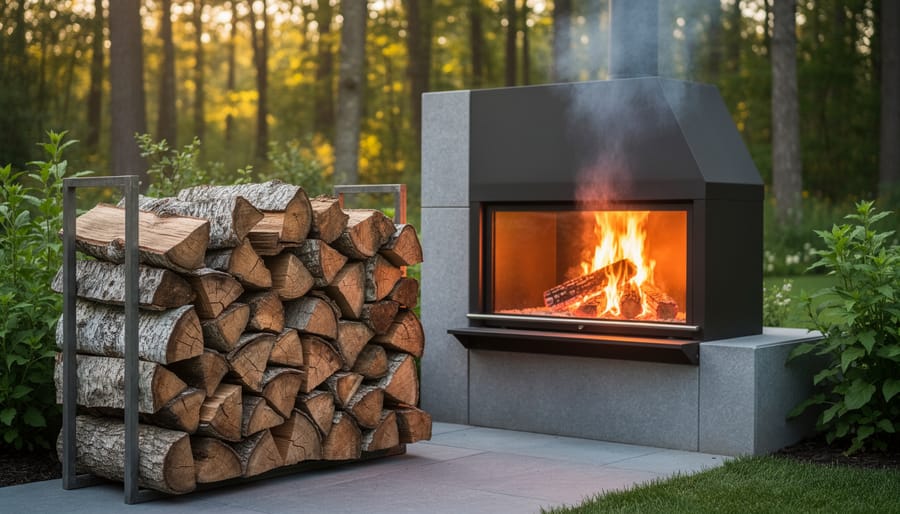
When shopping for a freestanding outdoor fireplace, the finish matters more than you might think. High-quality powder-coated finishes offer excellent protection against the elements while remaining environmentally conscious. Unlike traditional paints that can emit volatile organic compounds, powder coating applies a dry finishing process that releases minimal environmental pollutants and creates a durable, long-lasting surface.
Look for finishes specifically rated for high-temperature applications. These specialized coatings won’t break down or release harmful fumes when your fireplace heats up, keeping the air around your outdoor gathering space clean and safe. Many reputable manufacturers now use low-VOC or zero-VOC treatments that meet strict environmental standards.
Beyond the finish itself, consider how the metal was treated before coating. The best eco-friendly options use non-toxic primers and preparation methods that avoid harsh chemicals. Some manufacturers embrace water-based treatments or mechanical preparation techniques instead of chemical etching. Just as proper preparation ensures the longevity of clay fireplaces, quality surface treatments protect metal chimneys while keeping your outdoor environment healthy.
Check product specifications for certifications like GREENGUARD or similar environmental standards. These indicate the manufacturer has prioritized both safety and sustainability in their finishing process, giving you peace of mind as you enjoy your outdoor fireplace for years to come.
Real-World Benefits: How These Fireplaces Reduce Your Carbon Footprint
Extended Outdoor Living Without Heating the Indoors
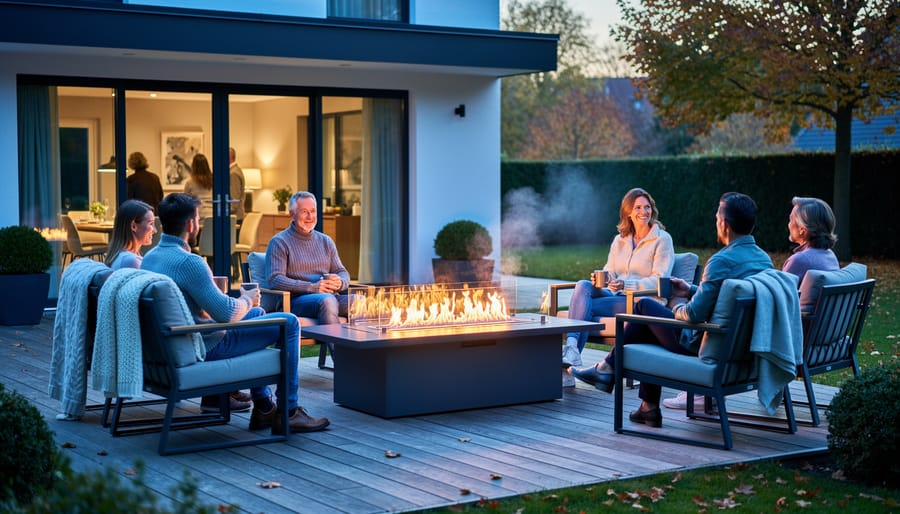
One of the most practical benefits of a freestanding outdoor fireplace with chimney is how it transforms your outdoor spaces into cozy retreats during shoulder seasons and mild winter days. Instead of cranking up the thermostat when temperatures dip, you can simply light your outdoor fireplace and enjoy your patio or deck comfortably. This approach can genuinely reduce your reliance on indoor heating systems, potentially lowering your energy bills in the process.
Think about those crisp autumn evenings or early spring afternoons when it’s a bit too chilly to sit outside without a heat source, but not quite cold enough to justify heating your entire home. An outdoor fireplace creates a warm microclimate on your deck or patio, allowing you to gather outdoors rather than retreating inside. Many homeowners find they delay turning on their furnaces in fall and can switch them off earlier in spring, all while maintaining an active outdoor lifestyle.
The energy savings can be particularly noticeable if you’re using sustainable wood from your property or local sources, essentially heating your outdoor space with a renewable resource instead of fossil fuels. This outdoor-first approach aligns perfectly with eco-friendly living principles, as you’re consuming energy only where you need it rather than heating unused indoor rooms. Plus, the memories made around that outdoor fire often feel more special than another evening on the couch with the central heating running.

Less Smoke, Happier Neighbors
A well-designed freestanding outdoor fireplace with a chimney does more than create ambiance for your backyard gatherings. It’s actually a considerate choice that keeps the peace with your neighbors while doing right by the environment. Think of the chimney as your fireplace’s good manners, channeling smoke upward and away from outdoor living spaces instead of letting it drift lazily through the neighborhood.
Modern chimney systems work surprisingly hard behind the scenes. They create proper draft that pulls smoke up and out efficiently, reducing the amount of particulate matter that hangs around at ground level. This means less eye irritation during your evening gatherings and fewer complaints from next door. When combustion is more complete thanks to good airflow, you’re also releasing fewer harmful pollutants into the air everyone shares.
The height and design of your chimney matter significantly. A taller chimney disperses smoke higher into the atmosphere where it dissipates naturally, rather than settling into your neighbor’s yard or drifting through open windows. Paired with seasoned hardwood or eco-friendly fuel alternatives, you’ll notice remarkably cleaner burns with minimal visible smoke. It’s a simple equation: better airflow equals more complete combustion, which means happier neighbors and cleaner air for your entire community. Your outdoor fireplace becomes a responsible lifestyle choice that everyone can appreciate.
Longevity and Reduced Waste
When you invest in a quality freestanding outdoor fireplace with chimney, you’re making a choice that benefits both your outdoor living space and the environment for years to come. Well-constructed units built from durable materials like cast iron, heavy-gauge steel, or reinforced ceramic can easily last a decade or more with proper maintenance. This longevity means you won’t be replacing your fireplace every few seasons, which directly reduces manufacturing demand and keeps bulky materials out of landfills.
Think of it as the difference between disposable and lasting. Lower-quality fire pits and cheap outdoor heating options often deteriorate quickly from weather exposure and temperature fluctuations, leading to rust, cracks, and structural failures. These units end up contributing to our growing waste problem. In contrast, a robust freestanding fireplace with a properly designed chimney system is built to withstand the elements season after season.
The environmental math is simple: one quality unit that serves you for fifteen years has a significantly smaller carbon footprint than three or four cheaper replacements over the same period. You’re saving the resources, energy, and emissions associated with manufacturing, packaging, and shipping multiple units. Plus, many premium manufacturers design their products with replaceable parts, so you can swap out a worn grate or repair a section rather than discarding the entire structure.
Smart Features That Make Outdoor Fireplaces Even Greener
Adjustable Vents and Air Controls
One of the most valuable features you’ll find on quality freestanding outdoor fireplaces is adjustable vents and air controls. These simple mechanisms make a remarkable difference in how efficiently your fireplace burns, directly impacting both the environment and your fuel costs.
Think of adjustable vents as the breathing system for your fire. When you control the airflow entering the combustion chamber, you’re essentially determining how hot and how completely your fuel burns. A fire that gets just the right amount of oxygen burns cleaner and hotter, producing more warmth while creating less smoke and ash. Too much air cools the flames and wastes fuel, while too little creates incomplete combustion that releases more particulates and harmful emissions into the air.
Modern adjustable air controls let you fine-tune your fire for different conditions and fuel types. Starting a fire requires more oxygen, so you’ll open the vents wider initially. Once established, you can dial back the airflow to maintain a steady, efficient burn that maximizes heat output while minimizing waste. This level of control transforms your outdoor fireplace from a simple fire pit into a sophisticated heating appliance that respects both your budget and the environment, perfectly balancing cozy ambiance with responsible outdoor living.
Spark Arrestors and Safety Screens
One of the most important safety features on a freestanding outdoor fireplace is the spark arrestor, a mesh screen or cap fitted at the top of the chimney. Think of it as your fireplace’s guardian angel, catching those wayward embers before they can drift onto your roof, deck, or nearby vegetation. These unassuming devices are essential for preventing fire hazards, especially on breezy evenings when sparks can travel surprising distances.
Most quality outdoor fireplaces come with built-in spark arrestors made from stainless steel or heavy-gauge metal mesh. The openings are sized carefully, small enough to trap burning embers while still allowing smoke to escape freely. Beyond protecting your property, spark arrestors are often required by local fire codes and insurance policies, making them both a practical and legal necessity.
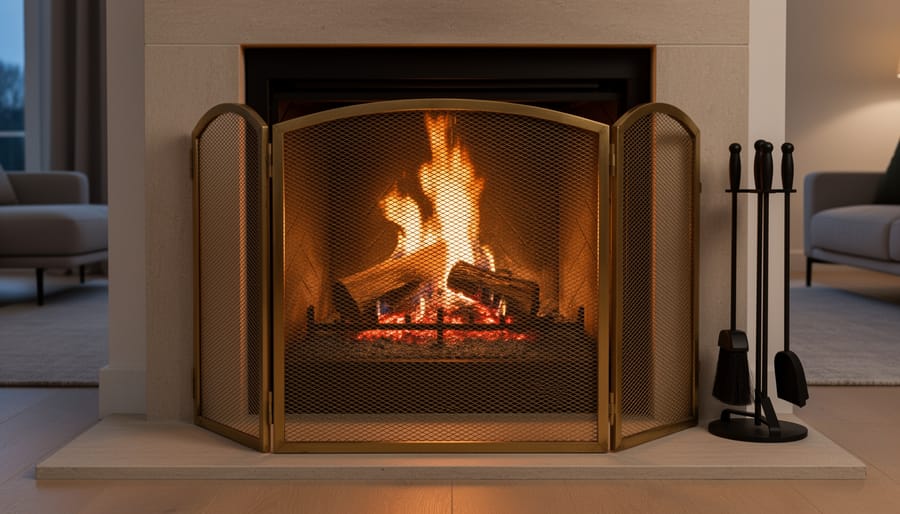
Safety screens positioned around the firebox opening provide another layer of protection, preventing accidental contact with flames while still allowing you to enjoy the fire’s warmth and glow. These screens are particularly valuable if you have children or pets nearby. From an environmental perspective, spark arrestors contribute to responsible outdoor burning by containing combustion materials within your fireplace system, reducing the risk of unintended wildfires that can devastate local ecosystems.
Maintaining Your Fireplace for Maximum Efficiency and Minimal Impact
Chimney Cleaning and Creosote Management
Think of your freestanding outdoor fireplace’s chimney as the lungs of your outdoor living space. Just as we need clean air to breathe properly, your fireplace needs a clean chimney to burn efficiently and responsibly. Regular cleaning isn’t just about safety—it’s a key factor in reducing emissions and maximizing your unit’s eco-friendly performance.
Creosote, that dark, tarry buildup inside your chimney, is the primary villain here. When wood burns incompletely, it releases gases that cool and condense on chimney walls, forming creosote. This buildup restricts airflow, forcing your fireplace to work harder and burn less cleanly. The result? More smoke, more pollution, and wasted fuel. By keeping your chimney clean, you’re allowing optimal air circulation, which means hotter, more complete combustion with fewer harmful emissions.
Following regular maintenance schedules doesn’t have to be complicated. For occasional users, an annual professional inspection and cleaning before the burning season begins is typically sufficient. If you use your outdoor fireplace weekly or burn softer woods that produce more creosote, consider bi-annual cleanings. Between professional services, perform simple visual checks—shine a flashlight up the chimney to spot obvious buildup.
This proactive approach keeps your fireplace burning beautifully while honoring your commitment to cleaner outdoor living.
Ash Disposal and Garden Uses
One of the delightful bonuses of enjoying your freestanding outdoor fireplace is the wood ash it produces, which can become a valuable resource for your garden rather than waste. Before repurposing ash, always ensure it’s completely cooled for at least 48 hours and comes only from untreated, natural wood. Never use ash from treated lumber, painted wood, or materials with chemical additives.
Wood ash is naturally rich in potassium and calcium carbonate, making it an excellent soil amendment for acid-loving gardens. Sprinkle cooled ash lightly around plants like tomatoes, roses, and fruit trees to provide these beneficial nutrients. A little goes a long way, though. Use no more than a thin dusting, as too much can alter your soil’s pH balance significantly.
For composting enthusiasts, adding small amounts of wood ash to your compost pile can help neutralize acidity and speed up decomposition. Mix approximately one shovel of ash per six inches of compost material. This creates nutrient-rich compost that will feed your garden beautifully throughout the growing season.
Wood ash also works as a natural pest deterrent. Sprinkle a light barrier around vulnerable plants to discourage slugs and snails, though you’ll need to reapply after rain. This eco-friendly approach keeps your outdoor living space connected to sustainable gardening practices, turning every cozy fire into an opportunity to nurture your landscape naturally.
What to Look For When Shopping: An Eco-Conscious Buyer’s Checklist
Ready to make your eco-conscious purchase? Let’s walk through the essential features and certifications that separate truly sustainable outdoor fireplaces from those simply painted green for marketing purposes.
Start by looking for EPA certification or compliance with local air quality standards. These certifications aren’t just bureaucratic stamps—they verify that your fireplace meets strict emissions standards and burns fuel efficiently. If you’re considering a wood-burning model, seek out units that achieve at least 75% combustion efficiency. Gas-powered options should display clear BTU ratings and efficiency percentages, with modern eco-friendly models reaching 85% or higher.
Material selection matters tremendously for both sustainability and longevity. Prioritize fireplaces constructed from recycled steel or cast iron sourced from responsible suppliers. Ask manufacturers about their production processes—companies committed to sustainability will happily share details about their recycled content percentages and carbon-neutral manufacturing practices. Stainless steel chimneys with proper insulation last decades longer than cheaper alternatives, reducing replacement waste.
Examine the chimney design carefully. Look for features like spark arrestors that prevent ember escape and double-wall construction that maximizes heat efficiency while minimizing outdoor air pollution. A well-designed chimney system draws smoke upward cleanly, ensuring complete combustion and reducing particulate matter release.
Consider fuel flexibility as a green feature. Some innovative models accommodate multiple fuel types, allowing you to switch between sustainably sourced wood pellets, bioethanol, or natural gas depending on availability and environmental conditions. This adaptability means you’re not locked into one fuel source if better options emerge.
Finally, request information about the manufacturer’s warranty and replacement parts availability. A company standing behind their product with a substantial warranty demonstrates confidence in durability—the ultimate eco-friendly feature. Products designed to last twenty years instead of five dramatically reduce environmental impact through decreased manufacturing demands and landfill waste. Don’t hesitate to ask pointed questions about carbon footprint, sustainable sourcing, and end-of-life recycling programs before making your investment.
Choosing a freestanding outdoor fireplace with chimney is more than just an aesthetic decision—it’s an opportunity to create a beautiful gathering space while making a positive environmental choice. Throughout this guide, we’ve explored how these thoughtfully designed features combine the warmth and ambiance you crave with the eco-conscious approach our planet deserves.
The beauty of a well-designed chimney system lies in its ability to efficiently direct smoke and emissions upward, keeping your outdoor air cleaner while maximizing heat output. When you pair this smart design with sustainable fuel choices like seasoned hardwood, bioethanol, or natural gas, you’re creating an outdoor experience that feels indulgent yet responsible. It’s the perfect balance between enjoying life’s simple pleasures and honoring our commitment to environmental stewardship.
Beyond the green benefits, these outdoor fireplaces transform ordinary evenings into extraordinary memories. They extend your outdoor season, create natural gathering spots for family and friends, and add undeniable value to your property. The gentle crackle of burning wood, the dancing flames against a starlit sky, and the comforting warmth on cool evenings—these experiences connect us to something timeless and essential.
As you consider adding a freestanding outdoor fireplace to your space, remember that every sustainable choice matters. Select quality materials, choose cleaner-burning fuels, and maintain your fireplace properly to maximize both its environmental benefits and lifespan. You’re not just investing in an outdoor feature; you’re investing in countless cozy moments and a healthier planet.
Ready to create your own sustainable outdoor sanctuary? Your journey toward warmer gatherings and greener living starts today.