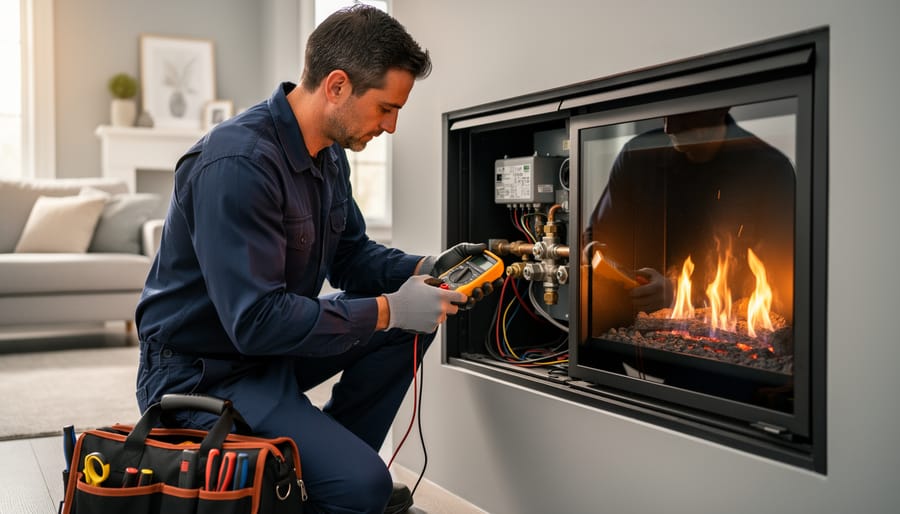


Request quotes from at least three licensed technicians before committing to any gas fireplace repair, ensuring each quote breaks down labor and parts separately so you can spot inflated pricing. Most homeowners pay between $150 and $500 for common repairs like thermocouple replacements or pilot light fixes, while more complex issues involving gas valves or electronic ignition systems can reach $800 to $1,200.
Identify whether your fireplace issue requires professional intervention or falls within safe DIY territory. Cleaning glass doors, replacing batteries in remote controls, and adjusting flame height are homeowner-friendly tasks that cost under $50. However, anything involving gas line connections, valve replacements, or venting system modifications demands certified expertise due to carbon monoxide risks and local code requirements.
Calculate your total ownership costs by factoring in annual maintenance visits, which typically run $100 to $200 but prevent expensive emergency repairs down the line. A well-maintained gas fireplace not only operates more efficiently, reducing your heating bills by up to 20% in frequently used spaces, but also maintains proper combustion ratios that keep your home safe and your air quality healthy.
Time your repairs strategically during spring or summer when technicians offer lower rates and better availability compared to the winter rush. This approach gives you negotiating leverage and ensures your fireplace provides reliable warmth and ambiance when cold weather arrives, transforming your living space into the cozy retreat you envision without the financial stress of emergency service premiums.
How Gas Fireplaces Work (The Basics You Need to Know)
The Key Components That Most Often Need Repair
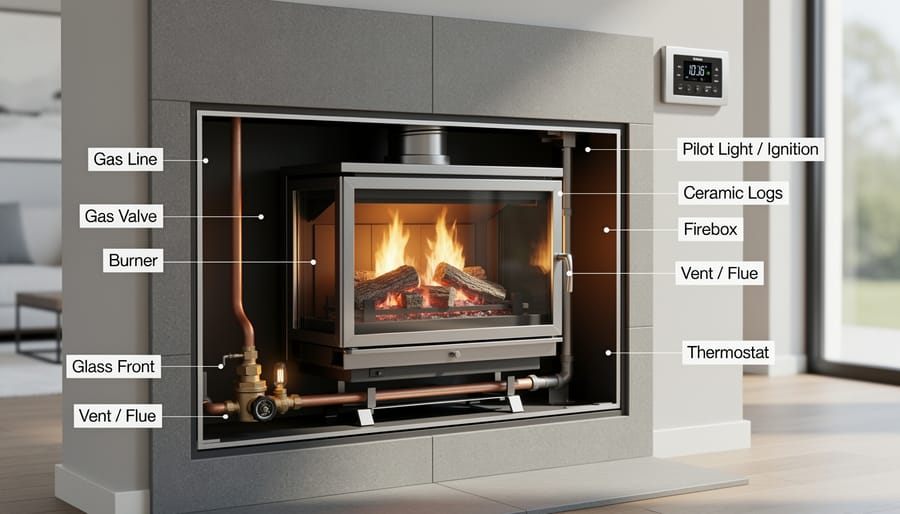
Understanding which components commonly fail in your gas fireplace helps you anticipate repair needs and budget accordingly. While gas fireplaces are generally reliable, certain parts work harder than others and naturally wear down over time.
The thermocouple is often the first culprit when your fireplace won’t stay lit. This small sensor acts as a safety device, detecting whether your pilot light is burning and allowing gas to flow only when it senses heat. When thermocouples fail—typically after years of continuous heating and cooling—your fireplace simply won’t operate. The good news? This is usually one of the more affordable repairs.
Gas valves control the flow of fuel to your fireplace, functioning like a gateway that opens and closes on demand. When these valves malfunction, you might notice weak flames, difficulty starting your fire, or gas flow issues. Since they’re critical safety components, gas valve problems always require professional attention.
Pilot lights and igniters work together to create the initial flame that warms your space. Traditional pilot lights burn continuously, while electronic igniters spark on demand—a more eco-friendly heating solution that reduces fuel waste. When either system fails, your fireplace won’t start at all.
Finally, blower fans circulate warm air throughout your room, maximizing your fireplace’s efficiency as both a lifestyle element and practical heat source. While not essential for operation, a failing blower significantly reduces your fireplace’s effectiveness. These motors can wear out from regular use, especially during heavy heating seasons, and may produce rattling sounds before they stop working completely.
What Drives Gas Fireplace Repair Costs
Understanding what influences your gas fireplace repair bill helps you navigate quotes with confidence and ensures you’re making informed decisions about your home’s cozy centerpiece.
Labor rates typically form the foundation of your repair costs, ranging from $75 to $150 per hour depending on your location and the technician’s expertise. Urban areas with higher living costs generally see steeper rates, while rural regions may offer more modest pricing. The complexity of your repair also matters—a straightforward thermocouple replacement might take 30 minutes, while diagnosing intermittent ignition issues could require several hours of troubleshooting.
Part costs vary dramatically based on your fireplace model and the component needing replacement. Generic parts like thermocouples run $20 to $50, but proprietary control boards for specific brands can exceed $400. Older or discontinued models often command premium prices for parts, sometimes requiring special orders that add both cost and wait time.
Accessibility plays a surprising role in pricing. If your fireplace sits in an easy-to-reach location with clear service panels, technicians work efficiently. However, built-in units requiring furniture removal, tight crawl space access, or extensive disassembly to reach components can add hours to labor charges.
Regional variations extend beyond labor rates to licensing requirements and seasonal demand. Areas with harsh winters see higher prices during peak heating season when technicians are booked solid. Some states mandate specific certifications for gas work, which qualified professionals factor into their rates.
The age and condition of your fireplace also influence costs. Newer, well-maintained units with eco-friendly features often require simpler, less expensive repairs. Neglected systems may need multiple component replacements simultaneously, compounding expenses. Understanding these factors helps you evaluate quotes fairly and budget appropriately for keeping your fireplace functioning safely and efficiently.
Common Gas Fireplace Repairs and Their Real-World Costs
Thermocouple Replacement
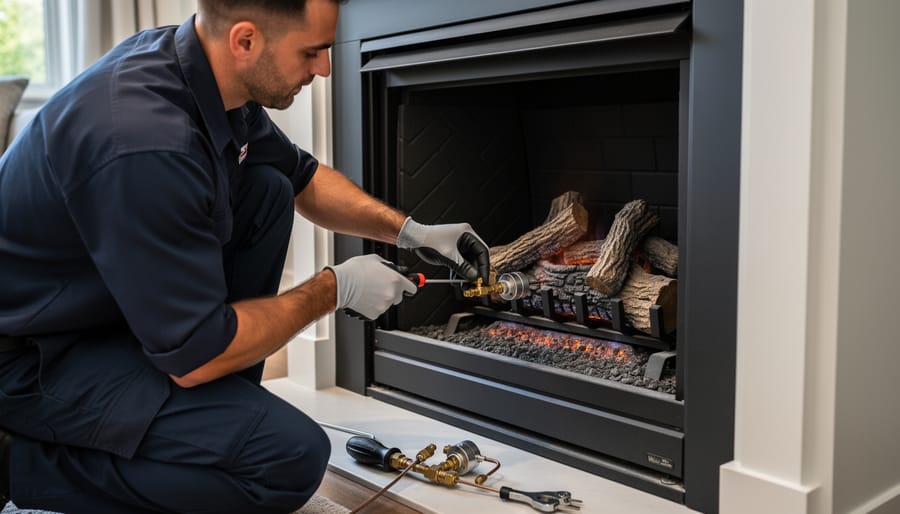
If your gas fireplace won’t ignite or keeps shutting off unexpectedly, a faulty thermocouple might be the culprit. This small but mighty component acts as a safety device, sensing whether your pilot light is burning. When it detects heat from the flame, it signals the gas valve to stay open. If the pilot light goes out, the thermocouple shuts off the gas supply to prevent dangerous leaks.
The good news? Thermocouple replacement is typically the most budget-friendly repair you’ll encounter, ranging from $150 to $250 when professionally installed. The part itself only costs $20 to $50, making this an accessible fix that won’t break the bank.
Watch for these telltale signs: your pilot light won’t stay lit even after multiple attempts, the flame appears weak or yellow instead of blue, or your fireplace shuts down shortly after ignition. These symptoms often point directly to thermocouple failure, usually caused by age, dust buildup, or simple wear and tear.
This repair’s affordability stems from its simplicity. The thermocouple is easily accessible and takes experienced technicians just 30 minutes to replace. It’s a straightforward swap that doesn’t require extensive disassembly, keeping labor costs low while restoring your fireplace’s safe operation and cozy ambiance.
Pilot Light Issues and Fixes
A pilot light that won’t stay lit is one of the most common fireplace frustrations, but the good news is that it’s often one of the more affordable repairs. If your pilot simply needs relighting due to a draft or accidental shutoff, this typically costs nothing if you’re comfortable doing it yourself following your manufacturer’s instructions. However, if you call a technician for a service visit, expect to pay between $75 and $150 for their time, even for this simple fix.
When the issue goes beyond a simple relight, costs increase based on the underlying problem. A dirty or clogged pilot assembly might need cleaning, running $100 to $200 including the service call. If the thermocouple—the safety device that senses whether your pilot is lit—has failed, replacement typically costs $150 to $300. Understanding how pilot light systems function helps you communicate effectively with repair professionals and catch potential issues early.
More complex problems like a faulty thermopile or gas valve can push costs to $250 to $500. Regular maintenance, including annual cleaning and inspection, prevents many pilot light issues and keeps your fireplace operating efficiently, reducing both repair costs and energy waste over time.
Gas Valve Replacement
Gas valve replacement ranks among the more substantial repairs you’ll encounter, typically ranging from $200 to $600 depending on your fireplace model and the valve type needed. This component acts as the gatekeeper for gas flow to your burner, making it essential for both safety and functionality.
Valves commonly fail due to sediment buildup in the gas line, corrosion from moisture exposure, or simply wear and tear after years of faithful service. You might notice symptoms like difficulty adjusting flame height, gas flow that won’t shut off completely, or a valve that’s become stiff and unresponsive. These aren’t issues to ignore, as they directly impact your home’s safety.
The replacement process requires a certified technician who’ll shut off your gas supply, disconnect the old valve, install the properly-sized replacement, and thoroughly test for leaks. Many homeowners are surprised to learn that labor often exceeds the part cost, since this work demands precision and safety protocols. While it’s an investment, a new valve restores reliable control over your fireplace and provides peace of mind, keeping your cozy hearth both safe and efficient for years to come.
Igniter or Ignition System Repair
Modern gas fireplaces rely on electronic ignition systems to create that comforting flame at the flip of a switch, making them wonderfully convenient until something goes wrong. When your fireplace won’t light, the igniter is often the culprit, and understanding repair costs helps you plan accordingly.
Most gas fireplaces use one of two systems: intermittent pilot ignition (IPI) or millivolt ignition. IPI systems are more energy-efficient since they only ignite when needed, while millivolt systems maintain a small standing pilot light. Replacing an igniter electrode typically costs between $150 and $300, including labor. If the entire ignition control module needs replacement, expect to pay $250 to $500.
Common ignition problems include a clicking sound without flame, which usually means the electrode has worn out or shifted position. Sometimes a simple adjustment fixes the issue for around $100 to $150 in service costs. Other times, corrosion or electrical component failure requires full replacement.
The good news is that ignition repairs are relatively straightforward for professionals and can extend your fireplace’s life by years. Since these systems contribute to both convenience and energy efficiency in your home’s heating strategy, addressing ignition problems promptly prevents more costly damage down the road while keeping your cozy atmosphere intact.
Blower Fan Repair or Replacement
When your gas fireplace blower stops circulating warm air efficiently, you’ll need to decide between repair and replacement. Blower fan repairs typically cost between $150 and $350, while a complete replacement ranges from $300 to $600 depending on the unit’s size and complexity.
Minor issues like cleaning accumulated dust from the motor or replacing worn bearings usually fall on the lower end of this spectrum. However, if the motor has burned out completely or the blower system components show significant wear, replacement becomes the smarter investment.
Consider replacement when your blower is over 10 years old or repair costs exceed 50 percent of a new unit’s price. A new blower not only restores that cozy warmth throughout your room but often operates more quietly and efficiently than older models, reducing energy consumption while maximizing comfort.
The blower significantly impacts your fireplace’s heating efficiency, circulating warmth up to 30 percent more effectively than radiant heat alone. This means a properly functioning blower extends your fireplace’s reach as an eco-friendly heating solution, potentially lowering your overall heating bills during those chilly months when gathering around the fire becomes a cherished family ritual.
Glass Replacement and Seal Repairs
When your gas fireplace glass cracks or the seals around the glass deteriorate, you’re looking at costs between $150 and $600 for professional replacement. The price varies based on the size of your viewing panel and whether you need ceramic or tempered glass. Standard glass panels typically run $150-$300, while custom-sized or specialty heat-resistant glass can push costs toward the upper range.
Damaged seals might seem like a minor issue, but they compromise both efficiency and safety. A seal replacement alone costs $100-$200, though most technicians recommend replacing the glass and seals together if either shows significant wear.
Here’s why this repair demands professional attention: gas fireplace glass withstands temperatures exceeding 1,000 degrees Fahrenheit, and improper installation creates serious hazards. Using incorrect glass types or inadequate sealing can lead to carbon monoxide leaks, glass shattering during operation, or incomplete combustion that releases harmful gases into your home. Professional technicians ensure proper gasket placement, correct glass specifications, and safe reassembly of all components.
Think of this investment as protecting your family’s safety while maintaining your fireplace as a beautiful, functional centerpiece. The expertise and peace of mind far outweigh any perceived DIY savings, especially considering the potential health risks involved.
DIY Repairs vs. Calling a Professional
The Repairs You Can Safely Handle
Before calling in the professionals, there are several maintenance tasks you can confidently handle yourself, helping you save on repair costs while keeping your fireplace running smoothly. Think of these as the friendly, accessible fixes that don’t require specialized training.
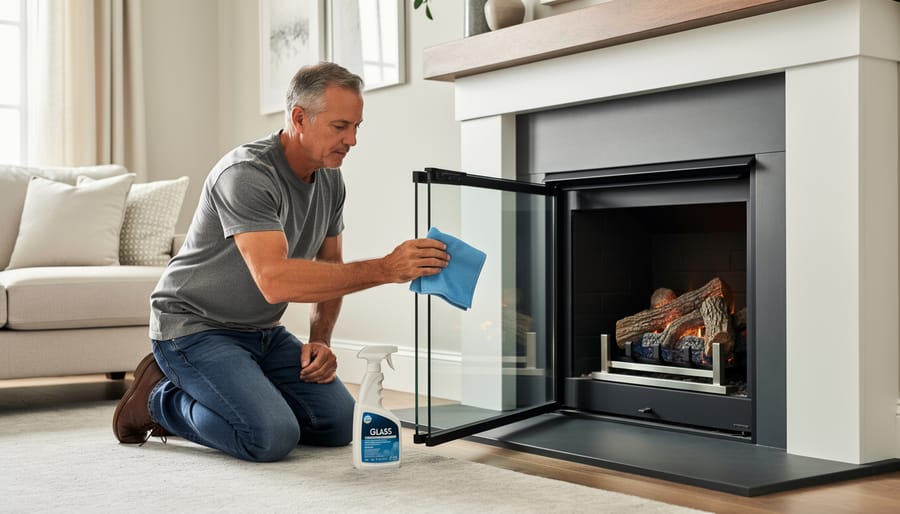
Cleaning the glass doors is perhaps the simplest task—just use a fireplace-specific cleaner to remove soot buildup and restore that beautiful view of the flames. Regular cleaning not only enhances your home’s ambiance but also helps you spot potential issues early.
Relighting the pilot light is another DIY-friendly task. If your flame goes out, simply follow the manufacturer’s instructions posted on your unit. It’s usually a straightforward process of turning the gas valve, pressing the igniter, and waiting for that reassuring blue flame.
Replacing batteries in your remote control or thermostat takes just minutes and costs only a few dollars. If your fireplace suddenly won’t respond, swap out those batteries before assuming something more serious is wrong.
Basic exterior cleaning around the fireplace and ensuring vents remain unobstructed also falls within the homeowner’s domain. These simple preventive measures support efficient, eco-friendly operation while keeping repair costs down. However, anything involving gas lines, internal components, or unusual sounds should always be left to certified professionals for safety reasons.
When to Call a Certified Technician (And Why)
While some gas fireplace issues make great weekend projects, certain repairs absolutely require a certified technician’s expertise. Understanding when to call in the pros isn’t just about convenience—it’s about protecting your home, your family, and your investment.
Gas line work tops the list of repairs you should never attempt yourself. Whether you’re dealing with leaks, connection issues, or line replacements, these tasks involve serious safety considerations that only licensed professionals should handle. The same goes for pilot assembly repairs, gas valve replacements, and any work involving the fireplace’s internal gas controls. These components are intricate, and improper installation can lead to carbon monoxide leaks or fire hazards.
Beyond safety, there’s also the warranty factor. Most manufacturers void warranties if unauthorized repairs are made, meaning a DIY attempt could cost you thousands in the long run. Professional technicians carry proper insurance and certifications, giving you peace of mind and legal protection.
If you smell gas, hear hissing sounds, notice yellow or orange flames instead of blue, or detect soot buildup, don’t hesitate—call a certified technician immediately. These red flags indicate potentially dangerous conditions that require immediate professional attention.
How to Keep Repair Costs Down
Keeping your gas fireplace repair costs manageable starts with one simple principle: prevention beats cure every time. Schedule an annual inspection before each heating season, typically in early fall. This modest investment of $100 to $150 can catch minor issues before they escalate into expensive repairs. Think of it as a wellness check for your fireplace—addressing a worn gasket today prevents a complete valve replacement tomorrow.
Pay attention to your fireplace’s subtle signals. If you notice the flames looking yellowish instead of their usual blue, or detect unusual odors, don’t wait. Addressing these warning signs early often means a simple cleaning or adjustment rather than component replacement. Many costly repairs result from homeowners ignoring small problems until they cascade into major failures.
When you do need service, timing matters. Book your repairs during the off-season, typically late spring through summer. Technicians often offer better rates when they’re not overwhelmed with emergency calls from shivering homeowners in January. You’ll also get more flexible scheduling and undivided attention to your repair.
Get multiple quotes for non-emergency repairs, but remember that the cheapest option isn’t always the wisest. A qualified technician who diagnoses the root problem saves you money long-term compared to someone who applies quick fixes. Ask if your repair includes a warranty on parts and labor.
Consider bundling services. If you need both cleaning and repair, having them done simultaneously eliminates duplicate service call fees. Similarly, if you have multiple gas appliances, some companies offer package deals.
Finally, keep your fireplace area clear and dust-free between professional visits. This simple housekeeping extends component life and reduces the frequency of repairs, keeping your cozy gathering spot both safe and budget-friendly for years to come.
Red Flags: When Your Repair Quote Seems Off
Getting multiple repair quotes is always smart, but knowing what to look for makes all the difference. A reasonable gas fireplace repair quote should clearly itemize parts and labor separately, typically ranging from $150 to $500 for common fixes. If a technician quotes significantly higher without explanation, that’s your first red flag.
Watch out for vague language like “complete system overhaul” without specifics about what actually needs replacing. Legitimate professionals will pinpoint the exact component causing trouble, whether it’s a thermocouple, gas valve, or pilot assembly. They’ll also explain why that part failed and what they’ll do to fix it.
Be wary of pressure tactics suggesting you need immediate, expensive replacements when your fireplace is still functioning. While safety concerns are valid, a trustworthy technician won’t use scare tactics. Similarly, if someone recommends replacing your entire unit when it’s less than 15 years old and showing minor issues, seek a second opinion.
Red flags also include refusing to provide written estimates, lack of proper licensing or insurance, or unwillingness to explain their diagnostic process. Quality repair professionals welcome your questions because they understand you’re protecting both your home’s comfort and your investment in eco-friendly heating solutions.
Ask about warranty coverage on parts and labor. Reputable companies stand behind their work with guarantees, typically 30 to 90 days minimum. If someone offers no warranty whatsoever, consider it a warning sign. Remember, your fireplace isn’t just a heating element but a lifestyle centerpiece deserving proper, honest care.
Making Your Gas Fireplace Last Longer
The best way to minimize gas fireplace repair costs is to prevent problems before they start. Think of your fireplace like your car—regular maintenance keeps it running smoothly and helps you avoid expensive repairs down the road.
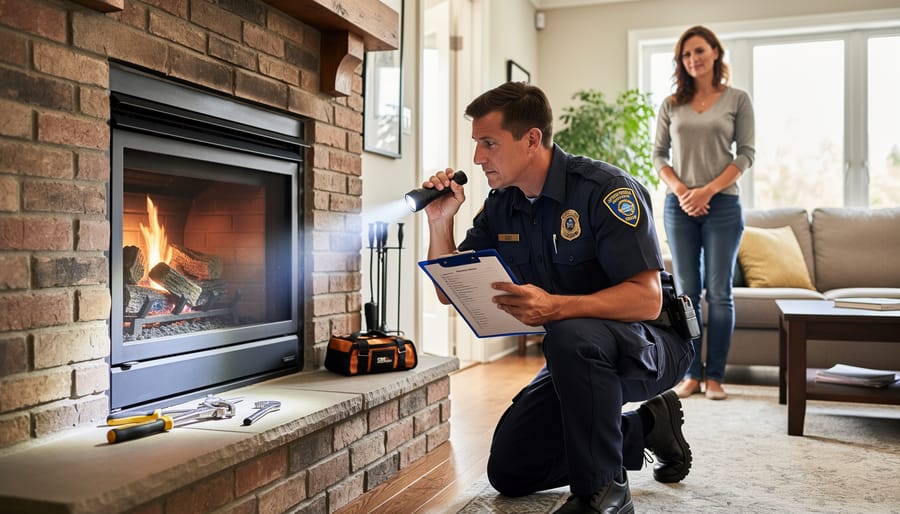
Schedule annual professional inspections before each heating season. A technician can spot worn components, clean critical parts, and make minor adjustments that prevent major breakdowns. This typically costs $100-$200 but can save you hundreds or thousands in emergency repairs. During these visits, professionals check for gas leaks, clean burners and pilot assemblies, inspect the venting system, and ensure all safety features work properly.
Between professional visits, practice smart usage habits. Always operate your fireplace with the glass doors closed to maintain proper airflow and combustion efficiency. Never burn anything except gas—no paper, wood, or decorative items that could damage components or create dangerous fumes. Keep the area around your fireplace clear to prevent overheating and ensure adequate ventilation.
Clean the glass regularly with approved cleaners to maintain efficiency and catch potential issues early. Dust and vacuum around the unit monthly to prevent buildup that can interfere with sensors and controls.
Consider extending component life by running your fireplace at moderate temperatures rather than maximum output constantly. This reduces stress on the ignition system, thermocouple, and other heat-sensitive parts. Operating your fireplace efficiently also means lower energy bills and a smaller environmental footprint—a win for your wallet and the planet.
Understanding gas fireplace repair costs empowers you to maintain one of your home’s most cherished features without breaking the bank. As we’ve explored, most repairs fall between $150 and $600, with routine maintenance being your best defense against expensive surprises. By recognizing common issues early and knowing when to call a professional versus tackling minor tasks yourself, you’re already ahead of the game.
Remember that your gas fireplace is more than just a heating source—it’s a lifestyle element that creates atmosphere, brings loved ones together, and provides eco-friendly warmth during chilly evenings. Regular annual inspections, typically costing $75 to $150, protect both your investment and your family’s safety while catching small problems before they escalate.
Whether you’re dealing with a pilot light that won’t stay lit or considering a thermocouple replacement, you now have the knowledge to ask the right questions and evaluate quotes confidently. By staying proactive with maintenance and understanding the mechanics behind your fireplace, you’ll enjoy countless cozy evenings knowing your system is running safely, efficiently, and affordably for years to come.