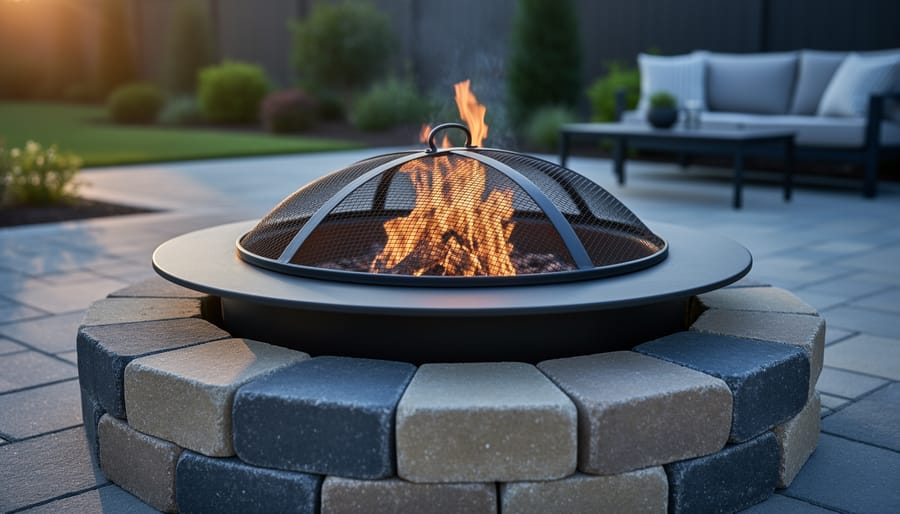


Control ventilation to manage fuel-limited non-structural fires effectively. When fuel sources are constrained—such as in fireplaces, fire pits, or outdoor heating systems—adjusting airflow becomes your primary control mechanism. Reducing oxygen supply by closing dampers, vents, or air intake controls will naturally slow combustion and help contain the fire safely.
Understand that fuel-limited fires differ fundamentally from ventilation-limited ones. In fuel-limited scenarios, you have a fixed amount of combustible material that will eventually burn out regardless of oxygen availability. Your role is managing the burn rate rather than extinguishing flames immediately. This approach proves particularly valuable for outdoor fire features and residential fireplaces where maintaining ambiance matters as much as safety.
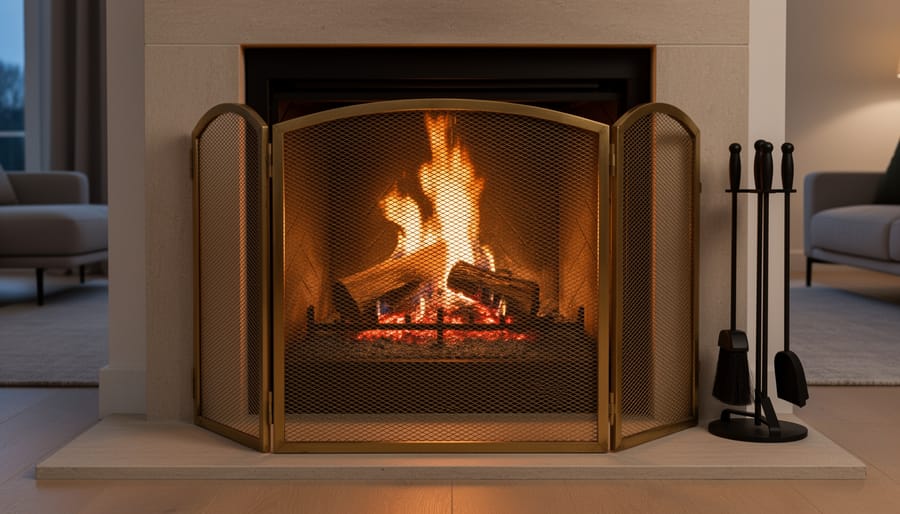
Position adjustable screens or partially close fireplace doors to restrict airflow without completely smothering the fire. This technique extends burn time while reducing flame intensity, making it ideal for those final moments of an evening gathering when you want warmth without adding more wood. For fire pits, strategically placing non-combustible barriers around the perimeter helps redirect wind patterns and moderate oxygen flow.
Never attempt this method if the fire shows signs of spreading beyond its designated area or if structural elements are involved. Fuel-limited fires in proper containment vessels offer the safest environment for ventilation control, transforming fire management from reactive emergency response into proactive, mindful stewardship of your home’s heating elements.
Understanding Fuel-Limited Fires in Outdoor Settings
What Makes a Fire Fuel-Limited?
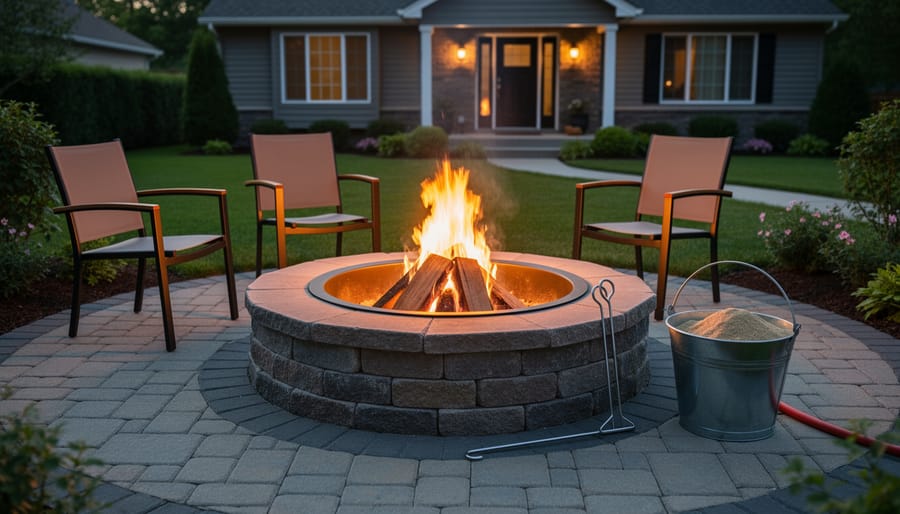
Think of a fuel-limited fire as the Goldilocks of outdoor heating—it has just the right balance. In this scenario, your fire has plenty of oxygen to breathe, but the amount of fuel (wood, logs, or other combustible materials) determines how hot and how long it burns. Picture a small campfire with a few logs in an open space. There’s abundant air circulating around it, but once those logs turn to ash, the fire naturally winds down.
This is actually the ideal type of fire for most home fireplace and outdoor heating situations. The fire’s intensity is directly tied to how much wood you add, making it predictable and manageable. You’ll notice the flames dance freely without appearing smothered or sluggish, and the wood burns cleanly with minimal smoke once properly established. Unlike a ventilation-limited fire that gasps for air in an enclosed space, a fuel-limited fire has room to breathe naturally.
For homeowners, recognizing this fire type is reassuring because it means you’re already working with a safer, more controllable setup. Your outdoor fire pit, chiminea, or open fireplace typically operates in this fuel-limited zone, where adding or removing wood gives you direct control over the heat output without worrying about dangerous oxygen depletion.
Common Outdoor Heating Scenarios
Outdoor heating fires naturally become fuel-limited in many everyday situations, making them perfect opportunities to practice safe fire management. Picture a cozy evening gathering around your backyard fire pit as the night winds down. You’ve enjoyed hours of warmth and ambiance, but now it’s time to head inside. Rather than adding more wood, you simply let the existing fuel burn down naturally, allowing the fire to extinguish itself gradually and safely.
Seasonal patio use presents another common scenario. During those transitional spring and fall evenings when temperatures drop, you might light a small fire in your outdoor fireplace for a few hours of comfort. By selecting safe fuel choices and limiting the initial fuel load, you create a controlled burn that provides just enough warmth for your gathering without requiring constant attention.
Weekend barbecues also frequently involve fuel-limited fires, especially when using chimineas or decorative outdoor fireplaces. You’re not looking for an all-night bonfire, just enough flame to create atmosphere while you’re entertaining. These situations perfectly demonstrate fuel-limited fires in action, where the fire’s duration matches your needs without excess fuel that could pose safety concerns.
Ventilation Control: Your Primary Safety Tool
How Ventilation Control Works
Think of your fire as needing to breathe, just like you do. When we talk about ventilation control, we’re essentially managing how much oxygen reaches the flames, which directly impacts how intensely your fire burns. It’s a beautifully simple concept that puts you in the driver’s seat without resorting to unsafe methods like adding accelerants or questionable materials.
Here’s how it works: every fire needs three elements to survive—fuel, heat, and oxygen. In a fuel-limited fire where you’re running low on wood or other burning material, the oxygen supply becomes your primary control mechanism. When you increase air flow by opening dampers, adjusting vents, or repositioning your fire pit cover, you’re essentially giving the fire permission to burn more vigorously with the fuel it has left. Conversely, reducing air flow by partially closing these openings helps the fire settle into a gentler, longer-lasting burn.
This relationship between oxygen and fire intensity is particularly valuable when you want to extend the life of your remaining fuel. By restricting airflow slightly, you create a more efficient burn that produces steady warmth rather than a quick, intense blaze that consumes everything rapidly. It’s an eco-friendly approach that maximizes your resources while maintaining a safe, controlled environment.
The beauty of ventilation control lies in its simplicity and safety. You’re not introducing any foreign substances or taking unnecessary risks—you’re simply working with the natural dynamics of combustion to achieve your desired result.
Why This Method is Safer Than Alternatives
When you’re dealing with a fuel-limited fire in your outdoor heating setup, you might be tempted to try other methods to manage the flames. Some people consider adding water to dampen the fire, while others think about using fire extinguishers or smothering techniques. However, controlling airflow through ventilation adjustment stands out as the safest and most practical approach for your outdoor fireplace or fire pit.
Unlike water-based methods, which can create dangerous steam clouds and cause rapid temperature changes that might crack fire bowls or damage stone surrounds, ventilation control works with the natural chemistry of combustion. You’re not introducing foreign elements that could create hazardous reactions or make cleanup more difficult. Plus, there’s no risk of spreading wet ash across your patio or creating a messy slurry that needs extensive cleanup.
Fire extinguishers, while essential for emergencies, aren’t designed for routine fire management. Using them regularly on your outdoor heating fires wastes expensive materials and can leave chemical residue on your cooking surfaces if you use your fire pit for grilling. They’re your safety backup, not your everyday control method.
Smothering with sand or dirt might seem like a natural solution, but it’s messy and impractical for fires you want to control rather than fully extinguish. It also makes relighting more difficult and can introduce moisture that creates smoke issues.
Ventilation control lets you gradually reduce the fire’s intensity while maintaining control, keeping your outdoor space comfortable and safe. It’s the method that respects both your investment in quality outdoor heating equipment and your family’s safety.
Practical Ventilation Control Techniques for Different Outdoor Heaters
Fire Pits and Outdoor Fire Bowls
Open fire pits and outdoor fire bowls present a wonderful opportunity to enjoy the ambiance of flames under the stars, but managing them requires thoughtful attention to airflow. Since these fires are exposed to the elements, your primary ventilation control comes from understanding wind patterns and strategically positioning your fire feature.
Start by placing your fire pit at least 10-15 feet away from structures, overhanging branches, or outdoor furniture. This spacing isn’t just about safety—it creates a natural ventilation zone that prevents smoke accumulation while allowing adequate oxygen flow. When winds pick up, they’ll naturally increase airflow to your fire, so adjust your fuel accordingly by reducing the amount of wood or charcoal you’re burning.
For calmer evenings when you want to moderate the flames, simple tools make all the difference. A fire screen or mesh cover acts as a windbreak while still permitting necessary oxygen circulation. You can also arrange decorative stones or heat-resistant barriers around the perimeter to deflect wind direction without completely blocking airflow.
Consider the eco-friendly aspect too—proper ventilation control means more complete combustion and less smoke, creating a cleaner burn that’s better for your environment and your guests’ comfort. By respecting these ventilation principles, you’ll master the art of maintaining that perfect, crackling fire that makes outdoor gatherings truly memorable.
Outdoor Fireplaces and Chimineas
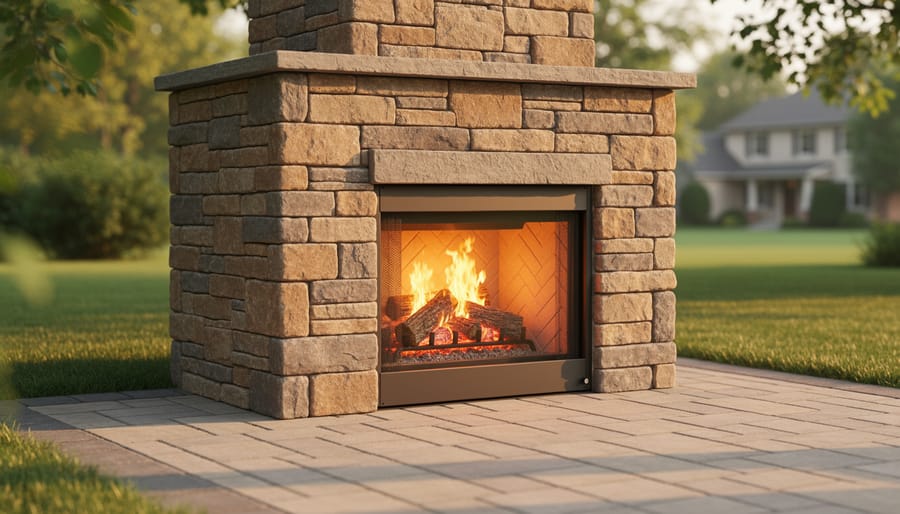
Enclosed outdoor heating structures like fire pits with screens, outdoor chimineas, and patio fireplaces offer wonderful warmth and ambiance while incorporating built-in safety features that make controlling fuel-limited fires straightforward and effective.
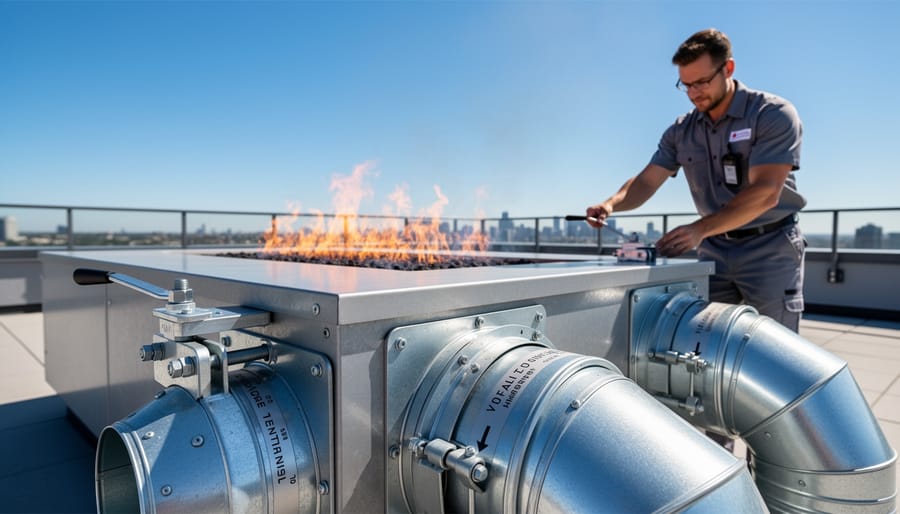
Most quality outdoor fireplaces come equipped with adjustable dampers or vents that allow you to precisely regulate airflow. When your fire is running low on fuel, simply adjust the damper to reduce oxygen intake, which naturally slows the burn rate and helps you maintain a controlled flame until the fuel is safely consumed. Chimineas typically feature a mouth opening that serves as the primary ventilation point, giving you natural control over combustion intensity.
For structures with doors or mesh screens, partially closing these barriers restricts airflow while still allowing proper ventilation for a clean burn. This approach is particularly effective for enclosed fire pits and fireboxes designed for outdoor use.
The beauty of these ventilation features is that they give you gentle, gradual control rather than sudden changes that could create safety hazards. Always ensure you’re working with properly installed equipment and never completely seal off ventilation, as adequate airflow prevents dangerous smoke buildup and ensures efficient combustion of remaining fuel.
Wood-Burning vs. Gas Outdoor Heaters
The fuel type powering your outdoor heater significantly affects how you’ll manage a fuel-limited fire safely. Understanding these differences helps you respond appropriately when flames need controlling.
Wood-burning outdoor heaters and fire pits require careful airflow management. When you need to slow down a wood fire, restrict the oxygen supply by partially closing vents or dampers if your unit has them. For open fire pits, carefully position a fire screen closer to the flames or use fireproof materials to reduce air circulation around the fire. Never completely smother a wood fire suddenly, as this can create dangerous smoke buildup and incomplete combustion. The eco-friendly advantage of wood is its renewable nature, though it does require more active monitoring.
Gas-powered patio heaters offer more precise control through their fuel valve systems. When managing a gas flame that’s burning through limited fuel, simply adjust the control knob to reduce gas flow. This gives you immediate, predictable results without the smoke concerns of wood. However, always ensure proper ventilation remains adequate, as gas heaters produce carbon monoxide even when burning cleanly.
Both types demand vigilance around combustible materials. Keep furniture, plants, and structures at safe distances, and never leave either heater type unattended when fuel is running low, as unpredictable flare-ups can occur during the final burn stages.
Essential Safety Guidelines for Outdoor Fire Control
Never Add These to a Fuel-Limited Fire
Safety should always be your top priority when managing any fire, especially when fuel is limited. Certain materials can transform a controlled, cozy fire into a dangerous situation in seconds, so let’s talk about what should never go near your flames.
First and foremost, never use gasoline, lighter fluid, or any petroleum-based accelerants on an active or smoldering fire. These substances create explosive flare-ups that can cause severe burns and damage to your fire feature. The vapors alone are extremely flammable and can ignite before you even pour the liquid. If you need to restart a dying fire, add proper kindling and use safe fire-starting methods instead.
Treated wood, painted materials, and pressure-treated lumber release toxic chemicals when burned. These emissions aren’t just harmful to your health—they’re dangerous for your family, pets, and the environment. Stick with natural, untreated firewood specifically sold for burning.
Plastics, rubber, and synthetic materials produce noxious fumes and can damage your fire feature with excessive heat or melting residues. Similarly, avoid burning trash, glossy magazines, or cardboard boxes with colored inks, as these contain chemicals that create harmful smoke.
Finally, never add excessive amounts of any fuel at once, even proper firewood. This defeats the purpose of fuel-limited fire control and can quickly overwhelm your carefully managed flames, creating an unsafe situation.
When to Let It Burn Out Naturally
Sometimes the wisest fire management decision is the simplest one: let it burn itself out naturally. When dealing with non-structural fires in outdoor fire pits, chimineas, or fire bowls, allowing the flames to consume the remaining fuel can actually be the safest approach under the right circumstances.
This passive control method works best when you have a small to moderate amount of fuel remaining and you can maintain continuous supervision. If your evening gathering is winding down and you notice just a few logs left crackling away, there’s no need to rush the process. The fire will naturally diminish as it exhausts its fuel supply, typically within 30 to 90 minutes depending on wood size and density.
The key is proper monitoring. Never leave a burning fire unattended, even in its final stages. Keep your fire extinguishing tools nearby, including a garden hose, fire extinguisher, or bucket of sand. This approach is particularly suitable when weather conditions are calm, with minimal wind that could carry embers, and when the fire is contained within a proper fire feature with adequate clearance from structures and vegetation.
Think of it as the fire’s natural lifecycle completing itself gracefully, much like allowing candles to burn down safely in their holders. It’s an eco-friendly option that doesn’t waste water or create unnecessary disturbance to the peaceful ambiance you’ve created.
Eco-Friendly Fuel Options That Burn Cleaner and Safer
Bioethanol and Clean-Burning Alternatives
When you’re looking to control fuel-limited fires while being mindful of the environment, bioethanol fuel stands out as a game-changing option. This clean-burning alcohol-based fuel produces virtually no smoke, minimal ash, and significantly fewer harmful emissions compared to traditional wood or charcoal. It’s an excellent choice for modern outdoor fire features and portable fire pits, giving you superior control over flame size and burn duration.
Bioethanol fires offer the unique advantage of being easily extinguished by simply cutting off the fuel supply or using a snuffer lid, making them ideal for those seeking precise fire management. The fuel burns completely without leaving behind the mess of traditional options, and you won’t need to worry about storing logs or dealing with creosote buildup.
Beyond bioethanol, other clean-burning alternatives like natural gas and propane provide exceptional control through adjustable valves, allowing you to dial your flame up or down instantly. These fuels integrate beautifully with contemporary eco-friendly outdoor heating designs while maintaining that cozy ambiance you love. The investment in these modern fuel options pays dividends in convenience, safety, and environmental responsibility.
Properly Seasoned Wood vs. Treated Materials
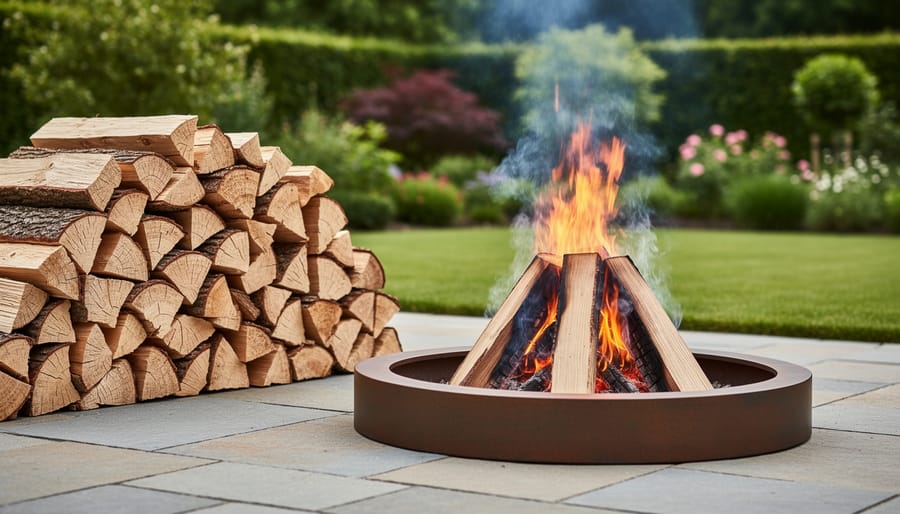
Choosing the right fuel makes all the difference when managing outdoor fires safely and responsibly. Properly seasoned wood burns cleaner and more predictably than green or treated materials, giving you better control over your fire’s intensity. Seasoned wood has been dried for at least six months, reducing moisture content to around 20 percent or less, which means it ignites more easily and produces less smoke.
Never burn pressure-treated lumber, painted wood, or construction scraps in your outdoor fire. These materials release toxic chemicals when burned, creating health hazards for you and your neighbors while damaging the environment. Treated wood can also produce unpredictable flames that are harder to control, defeating your safety goals.
For the best results and easiest fire management, stick with naturally dried hardwoods like oak, maple, or ash. They burn longer and hotter while producing minimal sparks and smoke, creating that perfect ambiance you want without compromising safety or air quality.
Managing fuel-limited outdoor fires doesn’t have to be complicated or risky. By embracing ventilation control as your primary safety strategy, you’re choosing the smartest, most reliable approach to creating a warm and inviting atmosphere for your family and friends. Remember that the key to successful outdoor fire management starts long before you strike that first match.
Taking time to prepare your fire area properly, selecting the right fuel, and understanding how airflow affects combustion makes all the difference between a pleasant evening and a potentially dangerous situation. Whether you’re gathering around a backyard fire pit, enjoying the glow of a chiminea, or relaxing beside your outdoor fireplace, these principles remain constant and essential.
The beauty of outdoor fires lies in their ability to bring people together while extending your living space into nature. By making safety your priority through proper ventilation control, you’re protecting what matters most while still enjoying every flicker and flame. Choose quality fuels, maintain clear airflow paths, and never rush the process. Your outdoor heating experience should be about creating cherished memories in a safe environment where warmth and peace of mind go hand in hand.