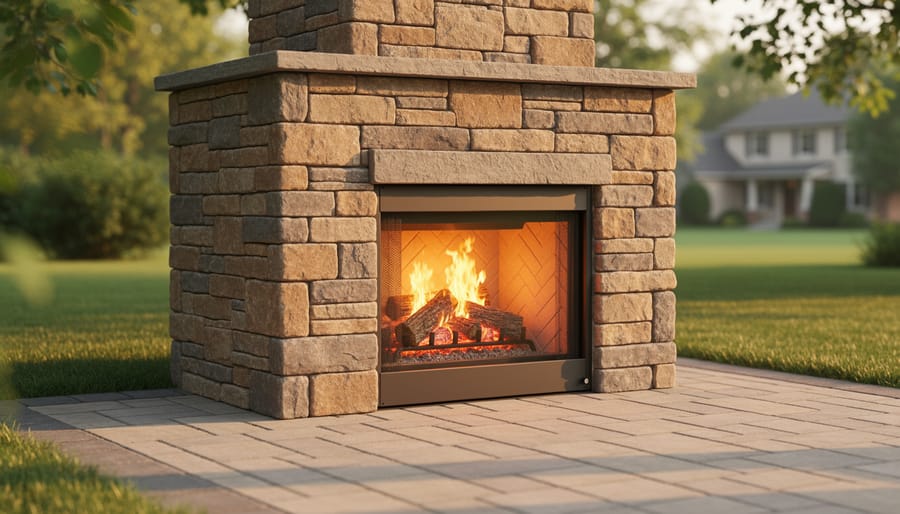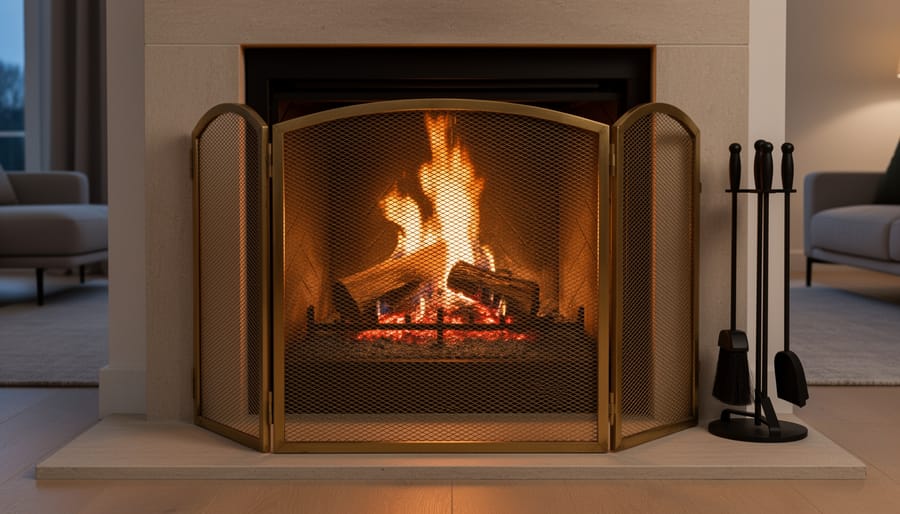
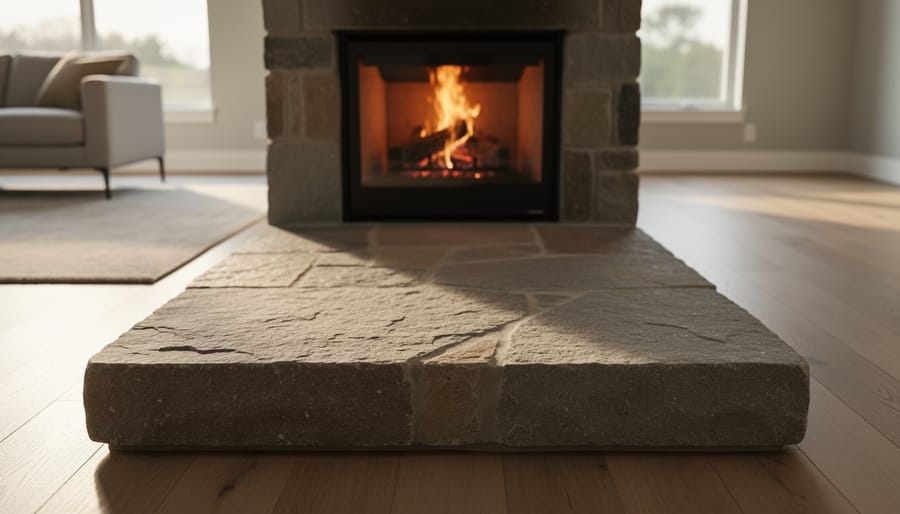


Measure the distance between your fireplace opening and any combustible materials like hardwood floors, area rugs, or furniture—this space, known as safety clearance, determines whether your hearth setup meets fire codes and protects your home from heat damage. For most wood-burning fireplaces, you’ll need a minimum of 16 inches of non-combustible hearth extension in front of the opening and 8 inches on each side, though these requirements increase significantly for larger fireboxes exceeding six square feet. Gas fireplaces typically require less clearance, often 12 inches in front, but always verify your specific model’s installation manual since manufacturers set their own minimums based on heat output testing.
Check your local building codes before finalizing any hearth project, as municipalities sometimes impose stricter requirements than national standards, and permit inspectors will verify these measurements before approving your installation. Non-combustible materials for proper clearance include natural stone, tile, brick, and cement board—never wood, laminate, or vinyl, regardless of how far they sit from the opening. For zero-clearance factory-built fireplaces, the term refers to the unit’s ability to be installed against combustible walls, but you still need appropriate floor protection extending outward from the firebox.
Understanding these measurements isn’t about memorizing complex regulations—it’s about creating a cozy gathering space where you can enjoy flickering flames without worry, knowing your family and home remain protected from ember pop-out, radiant heat damage, and potential fire hazards that proper clearances prevent.
What Exactly Is Safety Clearance (And Why It’s Non-Negotiable)
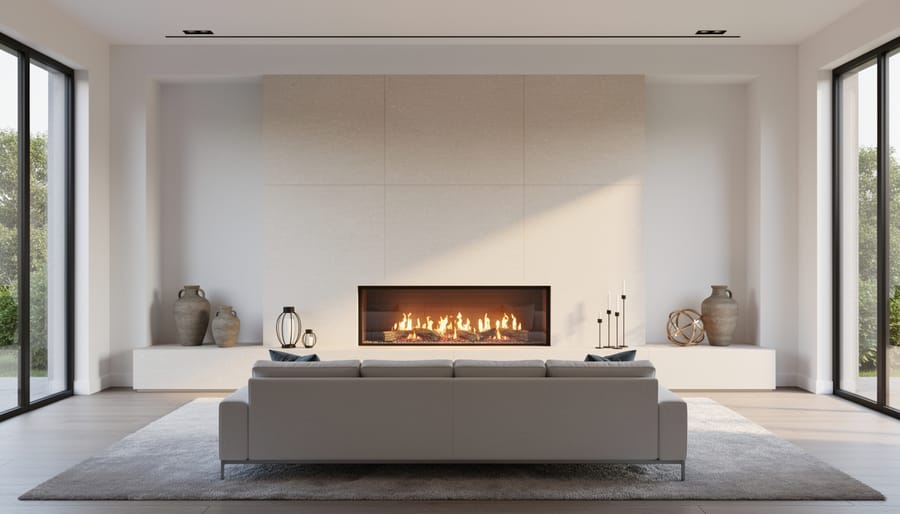
The Three Types of Clearance You Need to Know
Understanding fireplace clearances doesn’t have to be complicated. Let’s break down the three essential types you need to know to keep your home safe and cozy.
Clearance to combustibles is perhaps the most critical safety consideration. This refers to the distance between your fireplace or stove and any materials that can catch fire, like wood framing, drywall, furniture, or decorative elements. These materials can ignite or char when exposed to prolonged heat, even without direct flame contact. Different fireplace types require different clearances. For instance, a traditional wood-burning stove typically needs 36 inches from combustible walls, while modern zero-clearance gas fireplaces are engineered to sit directly against framing. Always check your manufacturer’s specifications, as these measurements aren’t suggestions but safety requirements.
Clearance to traffic areas ensures your fireplace fits comfortably within your living space without creating hazards. This includes maintaining adequate distance from doorways, hallways, and furniture pathways. You’ll want to consider how people move through the room, especially families with children or pets. A good rule of thumb is keeping at least 36 inches of open space in front of your fireplace for both safety and comfortable enjoyment.
Mantel and hearth clearances protect the decorative elements that make your fireplace a lifestyle centerpiece. Your mantel needs sufficient height above the firebox to prevent heat damage to treasured photos or decorations. Most building codes require 12 inches minimum, though deeper mantels may need more. Meanwhile, your hearth extends protection outward, catching stray sparks and providing a safety buffer zone.
Minimum Clearance Requirements for Different Fireplace Types
Wood-Burning Fireplaces and Stoves
Traditional wood-burning fireplaces and stoves bring that authentic crackling warmth we all love, but they generate significant heat that demands your respect and attention to clearances. These units operate at higher temperatures than their gas or electric counterparts, making proper spacing absolutely essential for your family’s safety.
For factory-built wood-burning fireplaces, you’ll typically need to maintain at least 6 inches of clearance from combustible materials on the sides and rear. However, always check your manufacturer’s specifications first, as some models may require more generous spacing. Many homeowners are surprised to learn that the clearance requirements extend beyond just the firebox itself.
Wood stoves generally require more substantial clearances, often 36 inches from unprotected combustible walls. The good news? You can reduce these distances by installing approved heat shields, which reflect heat away from walls and create a safer environment while maximizing your floor space.
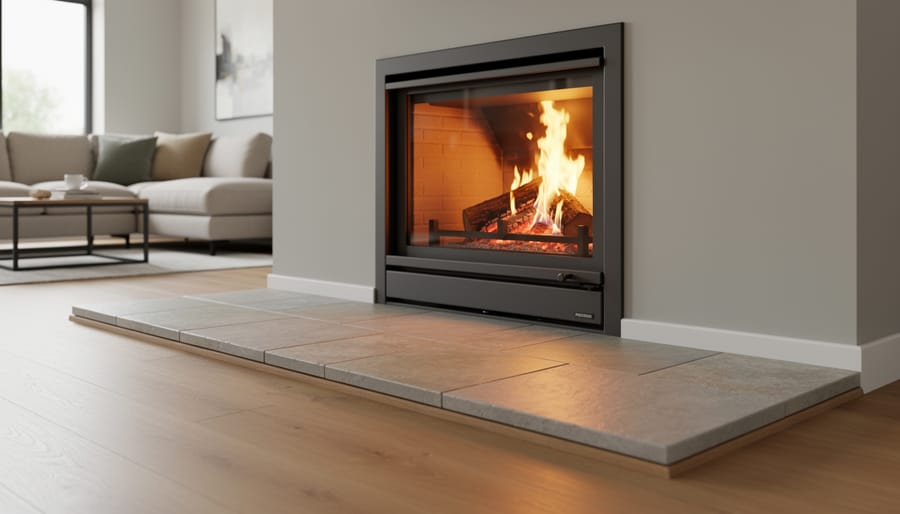
Your hearth extension deserves special attention too. Building codes typically mandate that the hearth extends at least 16 inches in front of the firebox opening and 8 inches on each side for smaller fireplace openings. Larger openings over 6 square feet require an 18-inch front extension and 12-inch side extensions. This non-combustible floor protection catches stray embers and protects your flooring from radiant heat.
Remember, these measurements represent minimum requirements. When in doubt, more clearance always beats less. Your local building inspector can provide specific guidance for your installation, ensuring your cozy wood-burning centerpiece enhances both your home’s warmth and safety for years to come.
Gas Fireplaces and Inserts
Gas fireplaces and inserts bring a wonderful combination of convenience and ambiance to your home, and the good news is that their clearance requirements are often more forgiving than their wood-burning cousins. However, understanding these standards is essential for creating a safe, code-compliant installation that you can enjoy with complete peace of mind.
Direct-vent gas fireplaces typically require minimal clearances because they’re engineered as sealed systems that don’t allow heat to escape into your living space the way traditional fireplaces do. Most direct-vent models need just 6 to 12 inches from combustible materials, though you should always verify the specific requirements in your manufacturer’s installation manual. These efficient units are fantastic eco-friendly heating solutions since they burn cleanly and waste very little energy.
Vent-free gas models operate differently and may have their own unique clearance specifications, generally ranging from 6 to 36 inches depending on the unit’s BTU output and design. While these offer excellent heating efficiency and flexible installation options, they do require adequate room ventilation to maintain healthy indoor air quality.
Gas inserts installed into existing fireplaces follow the clearance guidelines of the original fireplace opening, but the insert itself must maintain proper clearances from the fireplace walls as specified by the manufacturer. This typically means leaving several inches of air space around the unit for proper heat dissipation.
Remember that zero-clearance gas fireplaces, despite their name, still require specific distances from flooring materials, mantels, and side walls. Always consult both your local building codes and manufacturer specifications, as these requirements can vary significantly between models and may be more stringent than national standards in your area.
Bioethanol and Electric Fireplaces
If you’re drawn to contemporary design and eco-conscious living, bioethanol and electric fireplaces offer an exciting blend of style and sustainability. The good news? These modern marvels typically require less clearance than their wood-burning or gas counterparts, making them ideal for homes where space comes at a premium.
Electric fireplaces are the most flexible option when it comes to clearance requirements. Since they produce no actual flame or combustion gases, many models need minimal space around them. Most manufacturers recommend just 3 to 6 inches of clearance from combustible materials, though you’ll want to verify the specific requirements in your unit’s manual. Some electric models can even be recessed directly into walls or built into cabinetry, creating a seamless, sophisticated look that traditional fireplaces simply can’t match.
Bioethanol fireplaces occupy a middle ground. These stylish units burn clean bioethanol fuel, producing real flames without the smoke or soot. While they’re ventless and don’t require a chimney, they still generate heat from an actual flame. Typical clearance requirements range from 12 to 24 inches from combustible surfaces, depending on the model’s heat output and design. Wall-mounted bioethanol fireplaces usually need less clearance above than traditional options, but side and bottom clearances remain important for proper air circulation and safety.
Remember, even with these eco-friendly alternatives, following manufacturer specifications isn’t optional. These reduced clearances make installation easier, but respecting them ensures your modern fireplace remains both beautiful and safe.
Hearth Protection: Your First Line of Defense
Approved Hearth Materials That Keep You Safe
When it comes to protecting your home from the heat radiating from your fireplace, choosing the right hearth materials isn’t just about aesthetics—it’s about creating a safe barrier that can handle serious temperatures. The good news is you have several attractive options that meet safety standards while complementing your living space beautifully.
Stone, tile, brick, and concrete are your go-to non-combustible materials, each offering excellent heat resistance and durability. These materials have stood the test of time, both literally and figuratively, in homes around the world. Natural stone like granite, slate, or marble brings timeless elegance, while ceramic or porcelain tile offers endless design possibilities to match your décor.
Here’s what matters most: thickness and thermal protection. Most building codes require hearth materials to be at least 2 inches thick when placed directly over combustible flooring. However, you can often use thinner materials if you include a proper air space or insulating layer beneath. The key measurement to understand is R-value, which indicates thermal resistance. Many jurisdictions require a minimum R-value of 1.0 for hearth extensions, though some fireplace types need higher ratings.
Brick pavers laid over a concrete base create a robust, traditional hearth that easily meets code requirements. Concrete, whether poured or in decorative panels, provides excellent thermal mass that actually helps regulate your fireplace’s heat output—an eco-friendly bonus that improves heating efficiency.
Always verify your specific requirements with local building codes, as they can vary based on your fireplace type and regional standards.
How Far Should Your Hearth Extend?
Getting the hearth extension measurements right is essential for creating a safe and code-compliant fireplace setup. Think of your hearth as a protective landing zone that catches any stray sparks or embers before they can reach your flooring.
For standard wood-burning fireplaces, your hearth should extend at least 16 inches in front of the fireplace opening. However, if your fireplace opening is larger than 6 square feet, you’ll need to increase that front extension to 20 inches. This extra distance accounts for the increased volume of sparks and embers that larger fireboxes can produce.
The side clearances are equally important. Your hearth should extend a minimum of 8 inches beyond each side of the fireplace opening. Picture drawing an imaginary rectangle around your fireplace opening, then adding this protective buffer zone all the way around the front and sides.
For gas fireplaces, requirements can vary based on the specific model and manufacturer specifications. Some modern gas units may require less hearth extension, but you should always verify with your local building codes and the manufacturer’s installation manual. These guidelines exist because they’ve been refined over decades of real-world experience.
When measuring, always start from the actual fireplace opening, not from any decorative trim or surround. Use a tape measure to confirm your hearth meets these minimums. Remember, these are baseline requirements, and going slightly larger provides additional peace of mind while complementing your home’s aesthetic. Your hearth isn’t just a safety feature; it’s an integral part of your fireplace’s visual appeal and your home’s cozy atmosphere.
Code Compliance: What Inspectors Are Looking For
When You Need a Permit (And Why You Shouldn’t Skip It)
Installing or modifying a fireplace isn’t like hanging a picture frame. Most jurisdictions require permits for fireplace installation, major modifications, or changes to your hearth protection setup. This isn’t bureaucratic red tape—it’s about protecting your home and loved ones.
Building permits trigger inspections that verify your fireplace meets all safety clearance requirements and local fire codes. An inspector checks that combustible materials are properly distanced, hearth extensions are correctly sized, and ventilation systems work as designed. Think of it as having an expert give your installation a safety seal of approval.
Skipping permits might seem like a shortcut, but it creates serious headaches down the road. Unpermitted work can void your homeowner’s insurance, meaning you’re on your own if a fire occurs. When selling your home, unpermitted fireplaces must be disclosed and can derail sales or slash your home’s value. You might even face fines or be required to remove the fireplace entirely.
The permit process typically takes a few weeks and costs a few hundred dollars—a small investment for peace of mind and protection. Check with your local building department before starting any fireplace project. They’ll guide you through requirements specific to your area, ensuring your cozy gathering spot remains safe for years to come.
The Clearance Reducers That Actually Work
Good news: you don’t always have to stick with those generous factory clearances. There are approved methods to bring your fireplace or stove closer to walls, and they’re easier to implement than you might think.
The most common solution is installing a heat shield with an air gap behind it. This creates a ventilated barrier that dramatically reduces the amount of heat reaching your walls. Think of it as giving your wall its own cooling system. The air gap, typically one inch, allows hot air to rise naturally behind the shield, carrying heat away before it can transfer to combustible materials. This simple setup can often reduce required clearances by 50% or more.
Heat shields come in various materials, with non-combustible options like steel, cement board, or specialized ceramic tiles being the most popular. The key is ensuring proper installation. The shield must be mounted with non-combustible spacers that maintain that crucial air gap all the way around. Many homeowners make the mistake of mounting shields directly to the wall, which defeats the purpose entirely.
Another effective approach involves double-wall shields with a ventilated air space between each layer. This creates even more thermal protection and can reduce clearances by up to 66% in some cases. These systems work beautifully in smaller rooms where every inch counts.
Before you start mounting anything, check your appliance manual and local building codes. Not all manufacturers approve clearance reductions, and some require specific materials or installation methods. Your local building inspector can tell you exactly what’s permitted in your area.
When installing heat shields, remember that proper ventilation is essential. The bottom and top of the shield need openings to allow air circulation. Block those openings, and you’ve just created a heat trap rather than a heat shield. It’s also worth noting that while these solutions are effective, they’re best suited for permanent installations rather than temporary fixes. This is about creating a safe, lasting improvement to your hearth setup, not a quick workaround.
Common Clearance Mistakes Homeowners Make
Even the most well-intentioned homeowners can unknowingly create serious fire hazards around their fireplaces. Let’s walk through some of the most common clearance mistakes I see regularly, along with practical solutions to keep your home safe.
One of the most frequent violations involves mantels positioned dangerously close to the firebox opening. Picture this: Sarah installed a beautiful wooden mantel just 8 inches above her fireplace opening because it looked perfectly proportioned. Unfortunately, most building codes require at least 12 inches of clearance, and her mantel showed heat damage within months. The fix? She raised it to proper height and added a non-combustible barrier underneath for extra protection. Remember, the closer your mantel sits to the opening, the more distance you need, sometimes up to 18 inches for very low projections.
Another widespread issue is combustible walls positioned too close to fireplace sides. Many homeowners assume that because heat rises, the sides don’t matter as much. That’s a dangerous misconception. Standard wood-framed walls need at least 36 inches of clearance from traditional masonry fireplaces. If your fireplace is already built with inadequate side clearances, consider installing cement board or sheet metal barriers with proper air gaps. These heat shields can reduce required clearances significantly while adding a decorative element when finished properly.
Furniture placement creates sneaky hazards too. That cozy reading chair positioned 18 inches from your gas fireplace might seem fine, but manufacturers typically require 36 to 48 inches of clearance. Upholstered furniture can smolder from radiant heat long before flames appear, creating a slow-burning danger. Move seating back to recommended distances and angle chairs to create conversation areas that are both inviting and safe.
Decorative items present their own challenges. Homeowners love displaying family photos on mantels, but plastic frames can warp or melt. Dried flowers, holiday greenery, and fabric stockings become kindling when placed too close to heat sources. The solution is simple: keep all decorations at least 3 feet from the firebox opening during operation, and choose non-combustible materials like metal or ceramic for items that stay on the mantel year-round. Your fireplace can absolutely be a beautiful focal point without compromising your family’s safety.
Creating a Safe and Beautiful Fireplace Space
Here’s the wonderful news: safety clearances don’t have to limit your design vision. In fact, when you understand and embrace these guidelines, they can actually inspire creative solutions that make your fireplace space both stunning and secure.
Think of safety clearances as a framework for intentional design rather than restrictions. That required open space around your fireplace becomes an opportunity to create a dramatic focal point. Instead of pushing furniture right up against the hearth, use those clearance zones to establish a natural conversation area. Position your sofa and chairs at the proper distance, and you’ll find the heat distribution improves while creating an inviting gathering spot that draws people together.
When selecting materials for your fireplace surround and nearby surfaces, you’ll discover that many code-compliant options are also beautifully sustainable. Natural stone, ceramic tile, and tempered glass panels all meet safety requirements while offering eco-friendly credentials. These materials are durable, non-combustible, and often sourced responsibly. They add texture and visual interest while keeping your space protected for years to come.
Decorating within safety guidelines becomes an exercise in mindful curation. Rather than cluttering your mantel or hearth, choose a few meaningful pieces that won’t interfere with clearances. A single statement piece of artwork hung at the appropriate height creates more impact than overcrowding the space. Plants placed outside the heat zone add life and improve air quality while staying safely away from flames or high temperatures.
Consider using area rugs made from natural, fire-resistant materials like wool to define your fireplace zone while maintaining proper floor clearances. These choices blend safety with style seamlessly. Floor lamps positioned beyond clearance requirements can provide ambient lighting that enhances the fireplace glow without creating hazards.
The beauty of following clearance guidelines is that they naturally encourage breathing room in your design. This spaciousness allows the fireplace to truly shine as your home’s heart, creating a welcoming atmosphere where safety and style exist in perfect harmony.
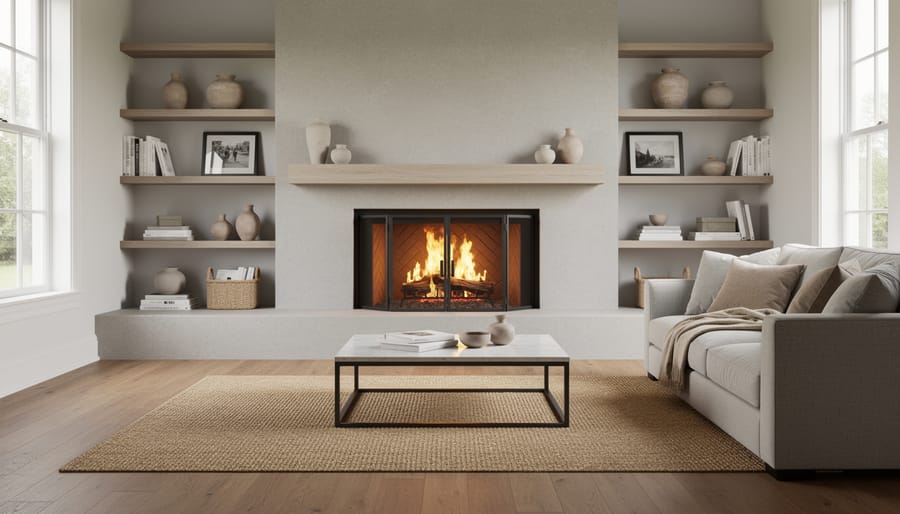
Getting your fireplace clearances right isn’t just about following rules—it’s about creating a space where you and your loved ones can gather safely for years to come. Throughout this guide, we’ve explored the essential measurements and guidelines that protect your home while maximizing the beauty and functionality of your hearth. Whether you’re installing a new fireplace or evaluating your current setup, understanding these clearances gives you the confidence to enjoy every crackling fire without worry.
Remember, the specific clearances you need depend on your fireplace type, the materials surrounding it, and your local building codes. When measurements fall into gray areas or you’re working with unique architectural features, there’s no substitute for professional guidance. A certified installer or building inspector can provide personalized recommendations that account for your home’s specific characteristics, ensuring both compliance and peace of mind.
Taking the time to get clearances right from the start saves you from costly modifications later and, more importantly, protects what matters most. As you plan your fireplace project, view proper clearances not as limitations but as the foundation for a safe, comfortable gathering spot that enhances your home’s warmth and character.
Your fireplace should be a source of joy and relaxation, not concern. By combining the practical knowledge you’ve gained here with professional expertise when needed, you’re well-equipped to create the perfect fireside experience—one where safety and comfort complement each other beautifully, making every moment by the fire truly memorable.