

A patio is one of the hardest-working surfaces in any outdoor space. It has to handle foot traffic, furniture, spills, direct sun, driving rain, and in some climates, extremes of both heat and cold – often within the same year. Choose the wrong material and you’ll be dealing with cracking, fading, surface erosion, or expensive repairs far sooner than you should. Choose well, and a good patio surface will look sharp and perform reliably for decades with minimal effort. For anyone planning apatio in Perth or any other climate that dishes out serious heat alongside seasonal downpours, material selection isn’t a cosmetic decision – it’s a structural and practical one that will shape how much you enjoy the space and how much it costs you over time.
This article runs through the most popular and proven patio surface materials, covering how each one performs in tough weather conditions, what its practical strengths and limitations are, and what kind of outdoor space it suits best. There’s no single right answer – the best material for your patio depends on a combination of climate, use, budget, and aesthetic preference – but understanding the options clearly makes that decision a lot easier.
One thing worth stating upfront: the quality of installation matters as much as the quality of the material. The best paving in the world will fail prematurely if the base preparation is poor, drainage is inadequate, or jointing is done badly. Material choice and quality workmanship go hand in hand.
Concrete Pavers: The Dependable All-Rounder
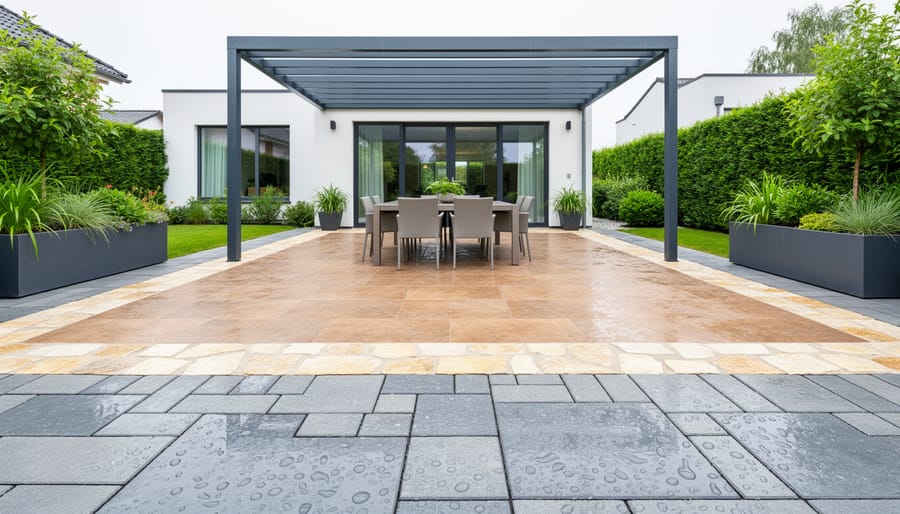
Concrete pavers are the most widely used patio surface material in residential settings, and the reasons are straightforward: they’re durable, widely available, relatively affordable, and they come in an enormous range of sizes, colours, textures, and profiles. From plain rectangular pavers to large-format slabs that mimic the look of stone or timber, the options available under the broad heading of ‘concrete pavers’ have expanded considerably in recent years.
In terms of weather performance, concrete pavers are solid. They handle UV exposure without significant fading when quality pigments are used, they cope well with heavy rain provided the base is properly laid and drainage is considered, and they don’t warp, rot, or corrode. In areas with extreme temperature swings, there is some risk of cracking over time – which is one reason why individual pavers rather than poured slabs are often preferred for outdoor use, since an individual paver can be replaced without disturbing the rest of the surface.
The main consideration with concrete pavers is surface finish. A smooth, polished finish looks sleek but can become slippery when wet – a real concern for an outdoor surface that will be wet regularly. A textured or exposed aggregate finish provides much better grip and is almost always the more practical choice for a patio, even if it requires a little more cleaning to keep looking its best.
Natural Stone: Timeless Performance in Demanding Conditions
Natural stone – granite, bluestone, sandstone, travertine, and slate among the most commonly used – is the premium end of the patio material spectrum. Each stone type has its own character, colour range, and performance profile, but as a category, natural stone offers exceptional durability, a genuinely distinctive appearance, and the kind of timeless quality that tends to look better rather than worse as it ages.
Granite is arguably the toughest of the common patio stones – extremely hard, highly resistant to scratching and staining, and almost impervious to weather. It handles heavy use and extreme temperatures without complaint. Bluestone is similarly tough and has a cool, sophisticated appearance that works well in contemporary and traditional garden settings alike. Both are dense enough that they don’t absorb significant amounts of water, which protects against frost damage in colder climates.
Sandstone and travertine are softer and more porous, which makes them warmer and more tactile underfoot but also more susceptible to staining and surface wear in high-traffic areas. In hot, dry climates they perform well and age beautifully; in wetter climates or areas with heavy use, they require more maintenance and periodic sealing to stay in good condition. Slate can be stunning but is prone to flaking and delamination in some forms, so the quality and source of the stone matters more than with denser types.
The premium cost of natural stone is the main barrier for many people, and it’s real – both the material and the skilled labour required to lay it well are expensive. But for a patio that will genuinely stand the test of time and add lasting value to the property, natural stone is hard to argue with.
Porcelain Tiles: Low Maintenance and Impressively Tough
Porcelain paving has become increasingly popular for outdoor use over the past decade, and the technology behind it has improved dramatically. Modern outdoor-rated porcelain tiles are dense, extremely hard-wearing, frost-resistant, and virtually non-porous – which means they don’t absorb water, resist staining naturally, and require very little maintenance beyond an occasional clean.
One of the most appealing things about porcelain for outdoor use is its dimensional consistency. Unlike natural stone, which varies in thickness and texture, porcelain is manufactured to precise tolerances, which makes it easier to lay flat and produces a very clean, contemporary finish. Large-format porcelain slabs – some as large as 1200mm x 600mm or bigger – have become a signature look in modern outdoor spaces, and the range of finishes available now includes convincing reproductions of natural stone, timber, and concrete.
The slip resistance of porcelain varies considerably between products, so it’s important to check the slip rating of any tile intended for outdoor use, particularly in an area that will get wet. Rectified edges and proper jointing also matter for longevity – this is a material that rewards careful installation. On a well-prepared base with quality jointing compound, a porcelain patio surface can last for many decades with minimal intervention.
Exposed Aggregate Concrete: Tough, Textured, and Practical
Exposed aggregate is a poured concrete surface in which the top layer of cement paste is washed away during the finishing process to reveal the aggregate – the pebbles, stones, or shells – within the mix. The result is a surface with a naturally textured finish that provides excellent grip underfoot, handles heavy use with ease, and has a relaxed, organic appearance that suits a wide range of garden styles.
Exposed aggregate is one of the most weather-resistant patio options available. The textured surface sheds water effectively, the aggregate itself is typically very hard-wearing, and the poured construction means there are no joints to move or crack. Expansion joints are incorporated at regular intervals to manage thermal movement, but these are part of the design rather than a weakness.
It’s also one of the more cost-effective options for large areas, since it’s poured in place rather than laid piece by piece. The colour and texture options vary depending on the aggregate selected – river pebbles, crushed granite, recycled glass, and coloured quartz are all used in different mixes – which gives more design flexibility than the name might suggest. Sealing is recommended to protect the surface and make cleaning easier, and a quality sealer reapplied every few years keeps the surface looking its best.
Timber and Composite Decking: Warmth and Comfort Underfoot
Timber decking brings a warmth and natural character to outdoor spaces that hard paving materials can’t replicate. For patios that are used as relaxed, barefoot spaces – particularly around pools or in garden settings where a softer aesthetic is the goal – the feel of timber underfoot is genuinely appealing.
In terms of weather performance, the picture is more nuanced. Hardwood timber decking, when properly selected and maintained, handles outdoor conditions well and develops a beautiful silver-grey patina over time if left untreated. But it does require periodic oiling or sealing to maintain its appearance and prevent surface checking, and in very wet or humid conditions, ongoing maintenance becomes more demanding. Softwood decking is more affordable but less durable and requires more frequent maintenance.
Composite decking – boards made from a blend of wood fibre and recycled plastic – addresses many of the maintenance concerns of natural timber. It doesn’t rot, doesn’t require sealing, handles UV exposure much better than natural timber, and has improved considerably in appearance and quality over the past decade. The initial cost is higher than timber, but the reduced maintenance requirement over the life of the deck often makes it the more economical choice in the long run.
The Foundation Beneath the Surface
Whatever surface material you choose, the performance of your patio over time is heavily influenced by what’s underneath it. A poorly prepared base will cause even the best paving to settle unevenly, crack, or develop drainage problems that make the surface wet and slippery.
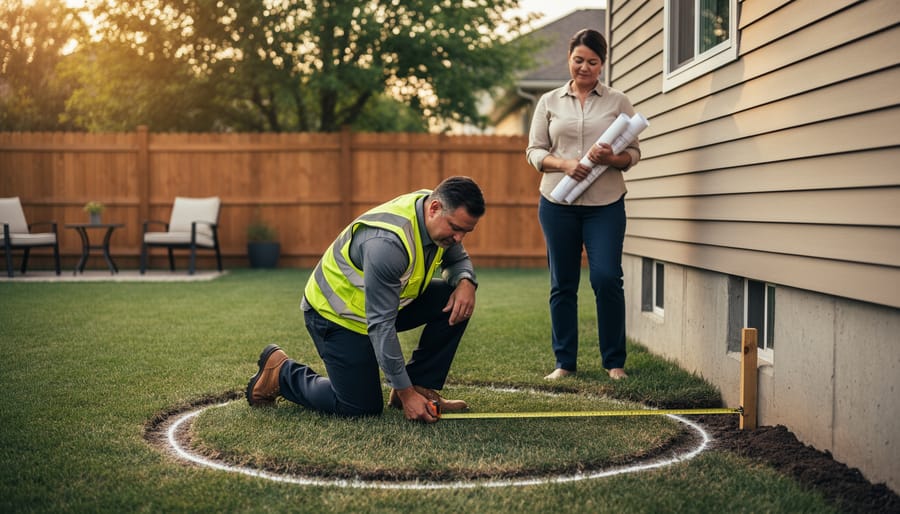
Proper base preparation involves excavating to the right depth, compacting the subgrade, laying a suitable base course of crushed rock or concrete, and ensuring that the whole area is graded correctly to direct water away from the house and off the patio surface. In areas with reactive or expansive soils, additional measures may be needed to manage ground movement.
This is the part of a patio project that’s invisible once it’s done, which means it’s also the part that’s easiest to cut corners on. It’s worth making sure any contractor you work with takes base preparation seriously – it’s the single biggest factor in determining how long your patio looks and performs the way it should.
Making the Right Call for Your Outdoor Space
The best patio material is the one that fits your climate, your budget, your aesthetic, and how you actually use the space. There’s no point investing in a premium natural stone surface if the budget would be better spent on a well-laid concrete paver patio with quality outdoor furniture. Equally, cutting costs on the surface material of a patio that will be the centrepiece of your outdoor living space tends to be a decision you regret.
Think about the conditions the surface will need to handle – direct sun, heavy rain, frequent wet feet, furniture legs, foot traffic levels – and let that drive the shortlist. Then consider appearance and budget within that shortlist rather than starting from aesthetics and working backwards.
Getting professional input on material selection and installation makes a real difference to the outcome. An experienced team who builds a patio or any other demanding climate regularly will know which materials perform best in local conditions, which products to trust, and how to prepare a base that gives the surface the best possible chance of lasting the way it should.