

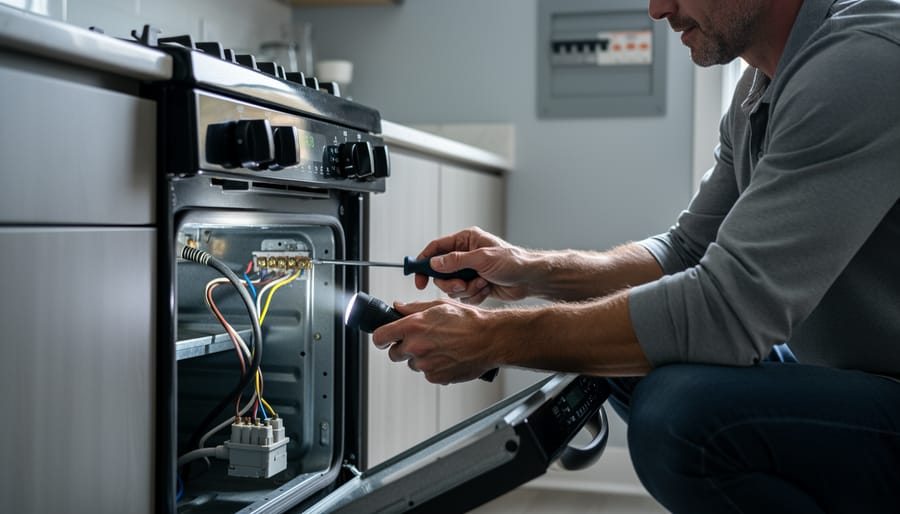
Check your circuit breaker or fuse box first—a tripped breaker is the most common culprit when an electric stove stops working suddenly. Flip the breaker completely off, then back on, ensuring it clicks firmly into place. If it trips again immediately, you likely have a more serious electrical issue requiring professional attention. Inspect the power ... Read more
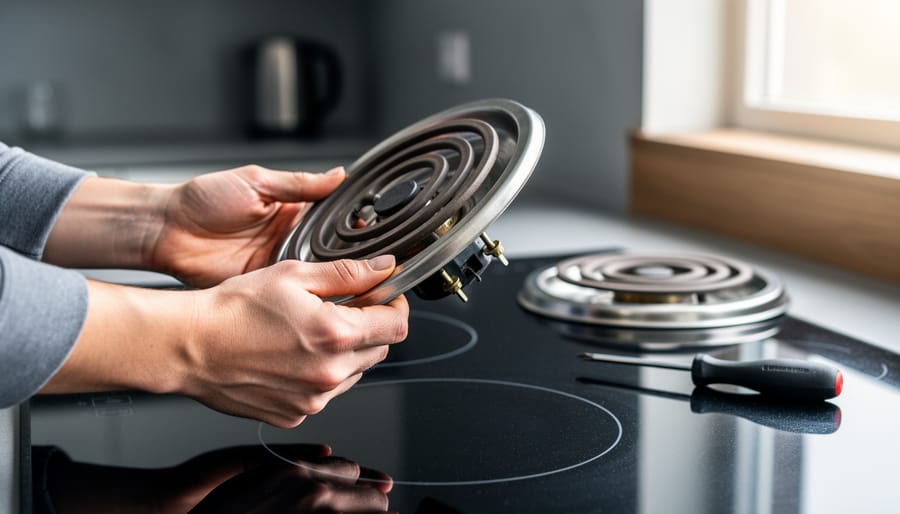
Identify your specific stovetop model by checking the manufacturer’s label underneath or inside the unit—this number is essential for ordering the correct replacement burner or entire cooktop surface. Remove power at the circuit breaker before attempting any inspection or removal, then lift the existing burner element by gently pulling it from its receptacle to assess ... Read more
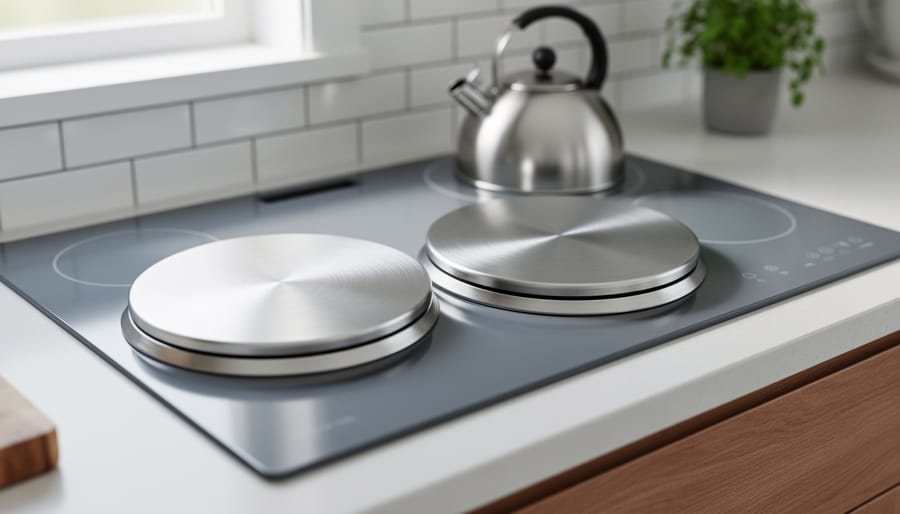
Transform your electric stove’s appearance instantly by placing stainless steel burner covers over coil elements when they’re cool and not in use. These sleek accessories create a seamless, modern surface that conceals worn coils and dated burner pans, giving your kitchen an immediate aesthetic upgrade without the cost of appliance replacement. Choose covers that match ... Read more
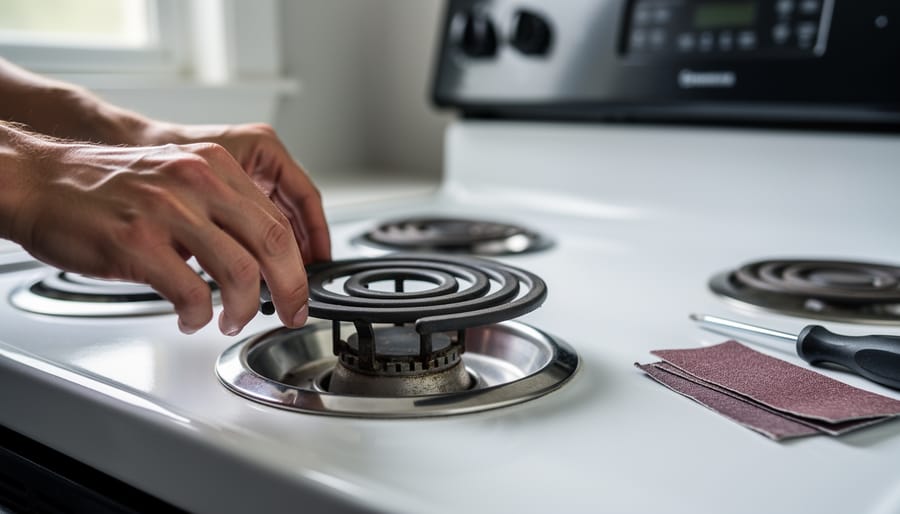
Turn off the power at your circuit breaker before touching any stove components—this single step prevents electrical shock and potential fire hazards. A malfunctioning electric stove burner doesn’t necessarily mean an expensive service call or appliance replacement. Most burner issues stem from simple problems you can diagnose and fix yourself in under thirty minutes with ... Read more
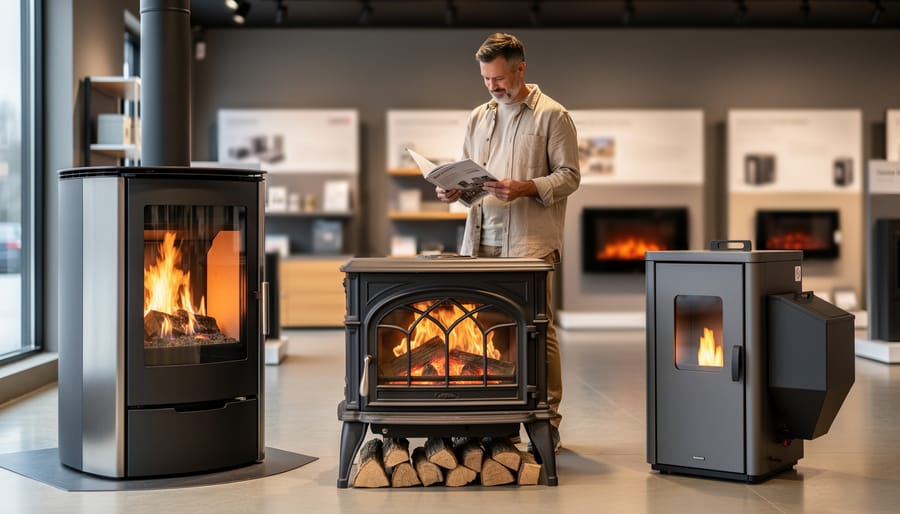
Choose your stove based on your home’s existing infrastructure and heating priorities. Gas stoves connect seamlessly if you already have natural gas lines, delivering instant heat control and consistent warmth even during power outages. Electric stoves require only a 240-volt outlet, making them the simplest installation in homes without gas access. Wood-burning stoves create unmatched ... Read more
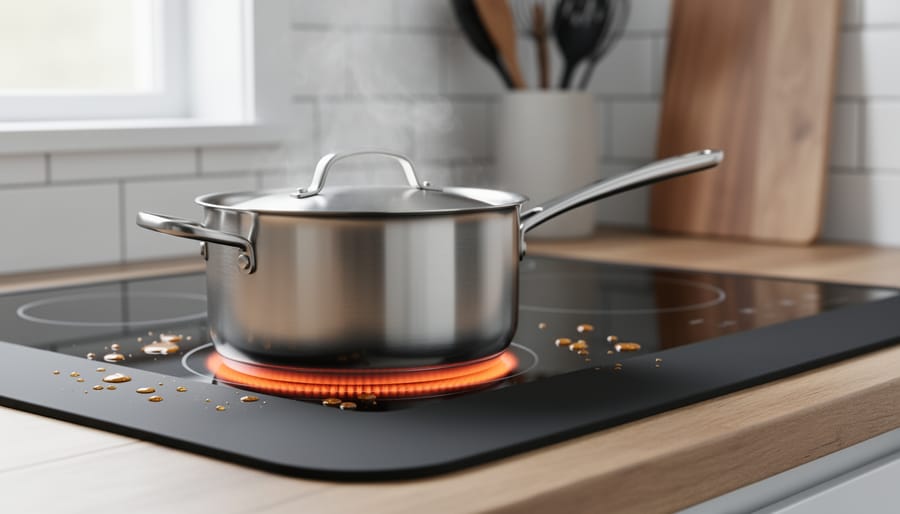
Electric stove mats transform your cooking experience by protecting your stovetop from spills, stains, and scratches while making cleanup remarkably simple. These heat-resistant barriers sit directly on your burners, catching drips and splatters before they bake onto your stove’s surface—a game-changer for anyone who’s spent hours scrubbing burnt-on food residue. Think of stove mats as ... Read more
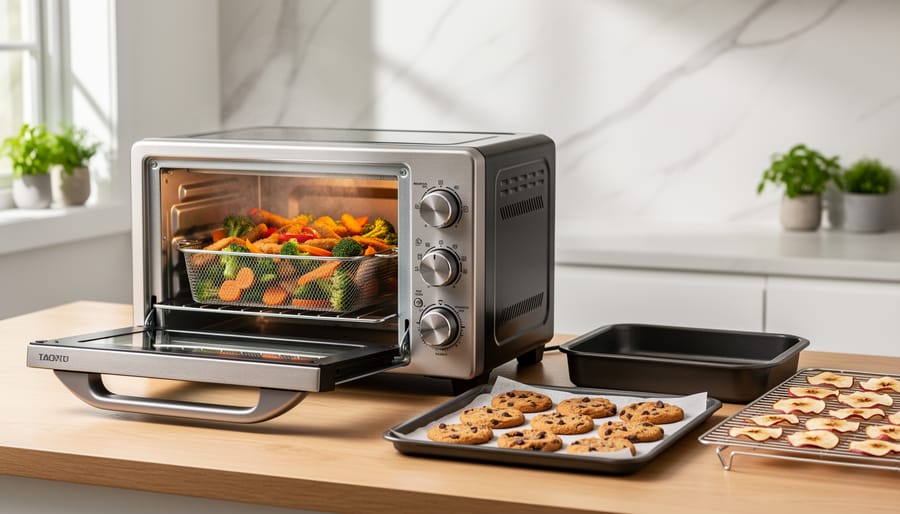
A 5-in-1 oven combines the functions of a convection oven, air fryer, toaster oven, broiler, and dehydrator into a single countertop appliance, offering versatile cooking solutions without consuming the energy of heating your full-sized kitchen oven. This compact powerhouse addresses a growing need among homeowners who want to prepare diverse meals efficiently while reducing their ... Read more
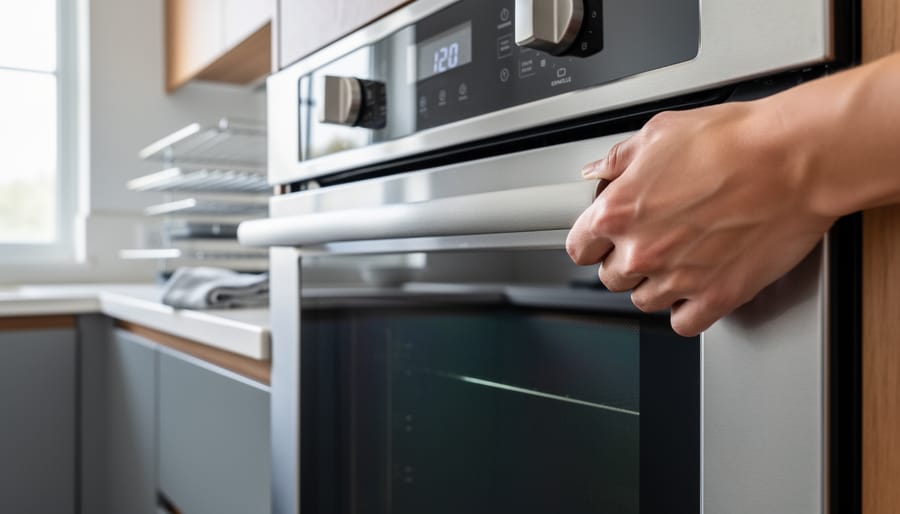
Press the self-clean button on your GE oven and hold for three seconds to initiate the cycle, ensuring you’ve first removed all racks, pans, and visible food debris from the oven interior. If the door won’t lock or the cycle won’t start, check that the oven door is completely closed and the latch mechanism moves ... Read more
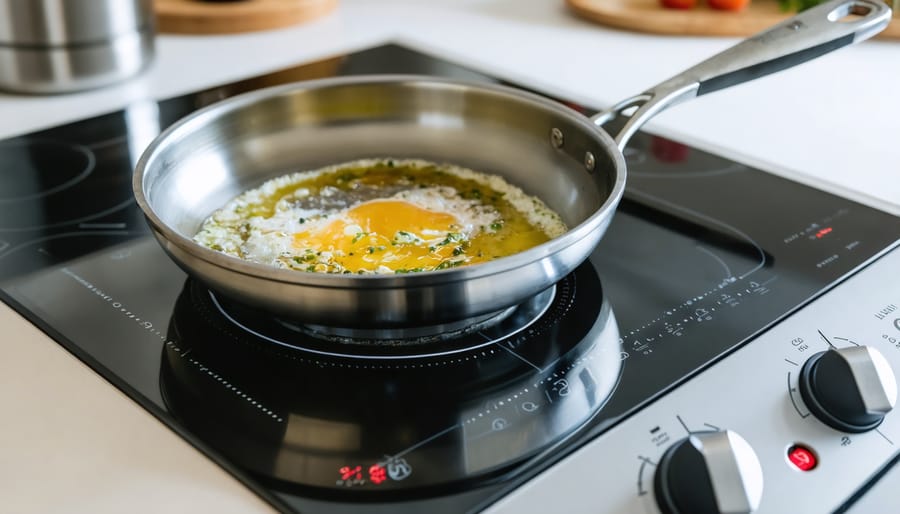
Your GE electric stove’s Sensi-Temp technology is constantly monitoring your cooktop temperature to prevent dangerous grease fires before they start. This federally-mandated safety feature automatically limits burner temperatures to 400°F, cutting power when cookware reaches unsafe levels and preventing the 158,000 cooking fires that occur in American homes each year. Think of Sensi-Temp as a ... Read more
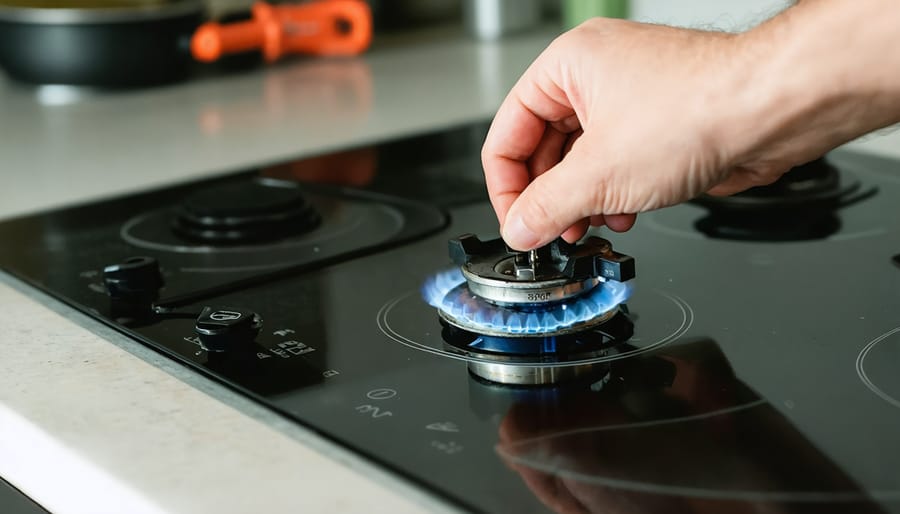
**Check your circuit breaker first**—flip it completely off, then back on, as electric stovetops often trip breakers during power surges or when multiple burners run simultaneously. If your stovetop powers on but burners won’t heat, test different burners to isolate whether you’re dealing with a single faulty element or a broader control issue. **Inspect the ... Read more



