
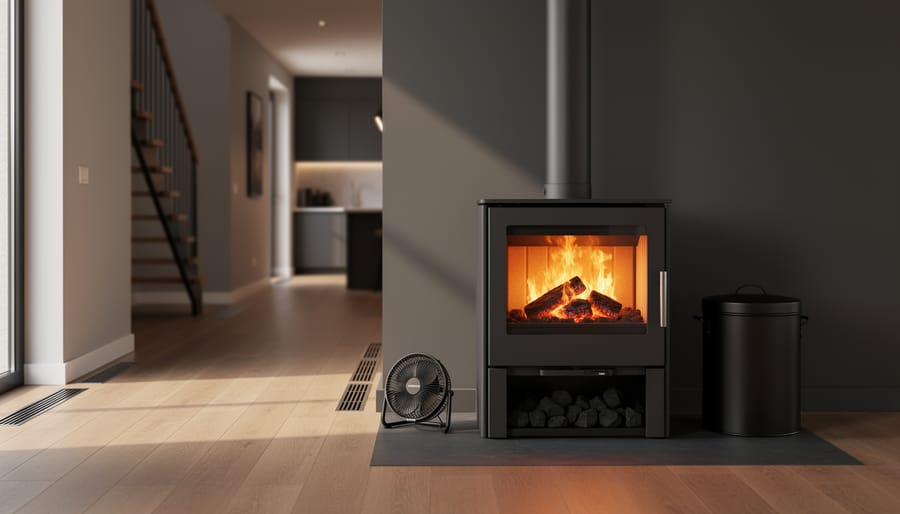
Consider coal stoves as a whole-home heating solution by understanding their impressive 70-80% efficiency ratings and 8-12 hour burn times that rival modern wood stoves while offering substantially lower fuel costs. A single ton of anthracite coal produces heat equivalent to approximately 1.5 cords of hardwood, making it an economically attractive option for homeowners seeking ... Read more
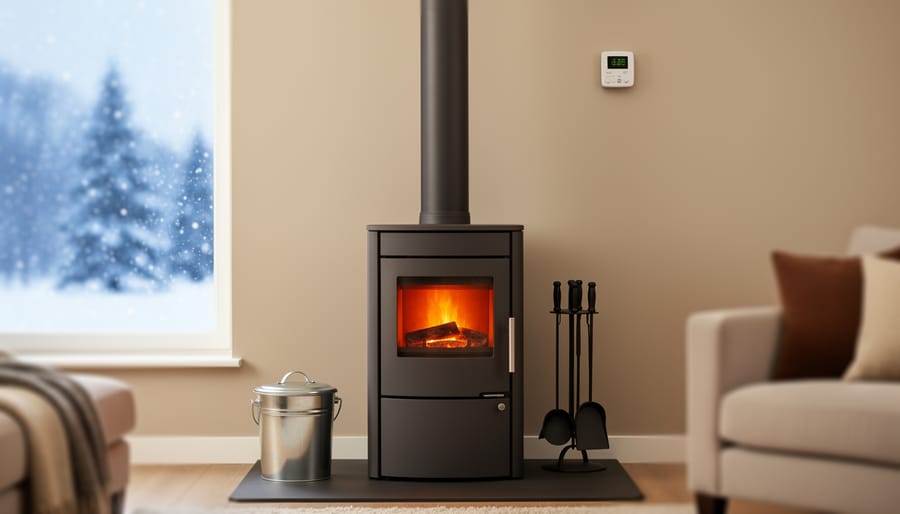
Schedule professional chimney inspections annually before heating season begins, ensuring your coal stove’s flue system remains clear of dangerous creosote buildup and structural damage that compromises both efficiency and safety. Install multiple carbon monoxide detectors on every floor of your home, testing them monthly and replacing batteries twice yearly, because coal combustion produces this odorless, ... Read more
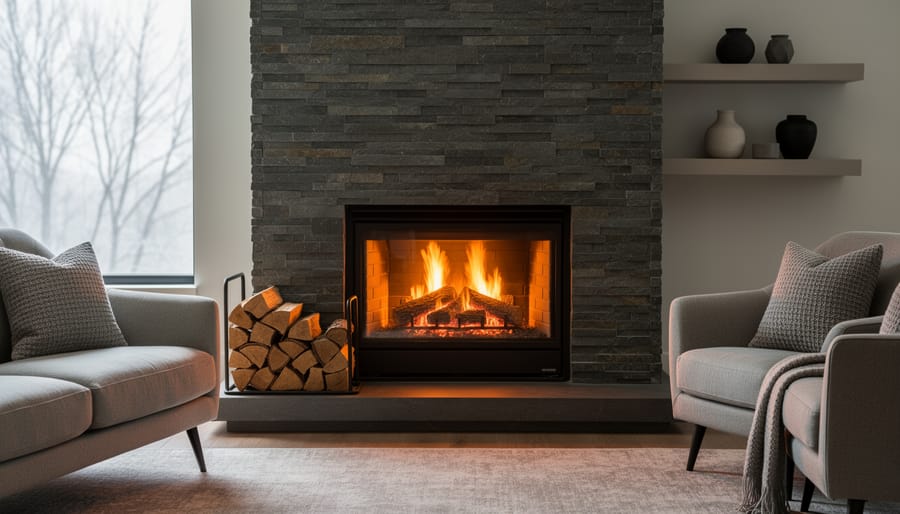
Consider flexibility your greatest asset when choosing between heating options. Dual fuel fireplace inserts let you switch between gas convenience and wood’s crackling authenticity based on your daily needs—gas for quick morning warmth before work, wood for cozy weekend evenings with family. This adaptability means you’re never locked into one fuel source during price fluctuations ... Read more
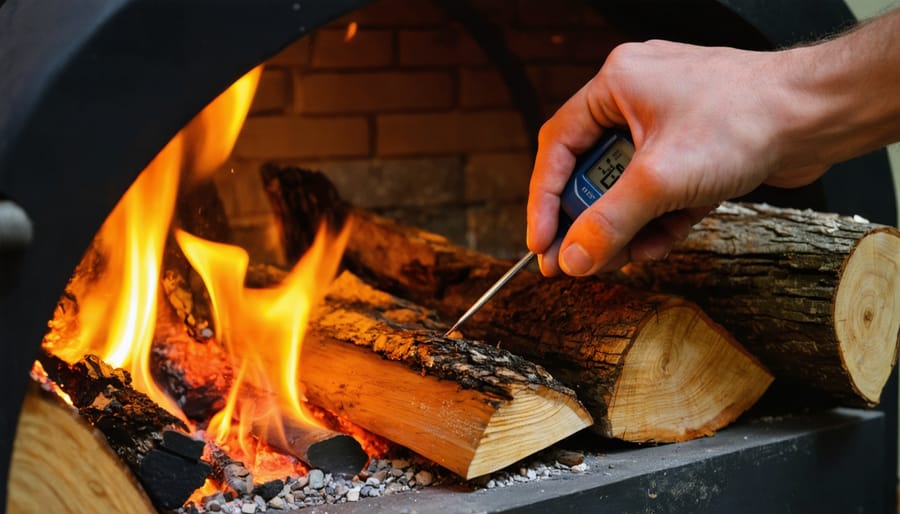
**Evaluate premium fireplace fuel against standard options by examining three critical performance factors: burn time, heat output, and ash production.** Premium fuels typically burn 30-50% longer and produce significantly less creosote buildup, directly impacting both your safety and maintenance costs. Calculate your cost-per-hour of burn rather than cost-per-bundle—this reveals whether you’re actually saving money with ... Read more
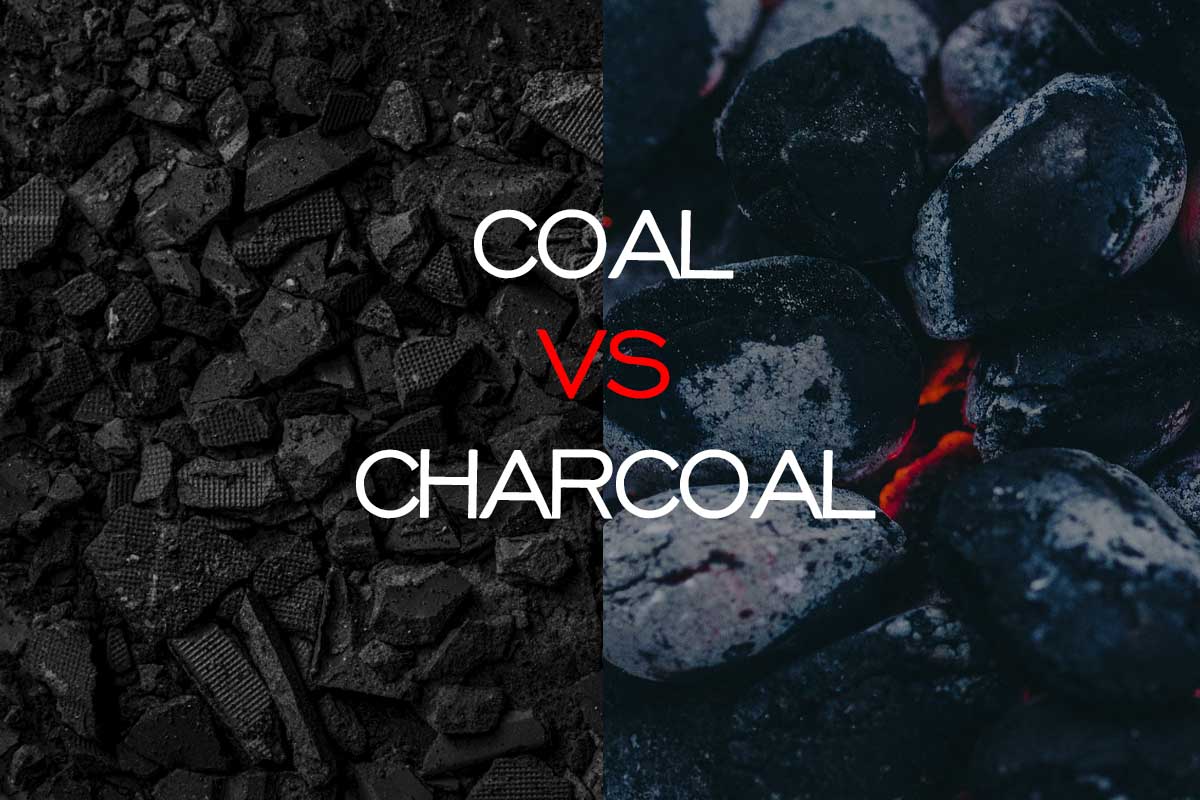
When it comes to creating a warm and inviting atmosphere in your home, understanding the main difference between coal and exploring the characteristics of various types is crucial. These types include anthracite coal, lignite coal, and brown coal. The type of fuel you choose for your fireplace plays a pivotal role in achieving the perfect ... Read more



