


Check each radiator in your home by placing your hand on the top and bottom surfaces—if there’s a noticeable temperature difference or some rooms feel chilly while others overheat, your heating system likely needs balancing. Measure the temperature difference across each radiator’s inlet and outlet pipes using an infrared thermometer or basic pipe thermometer, recording ... Read more
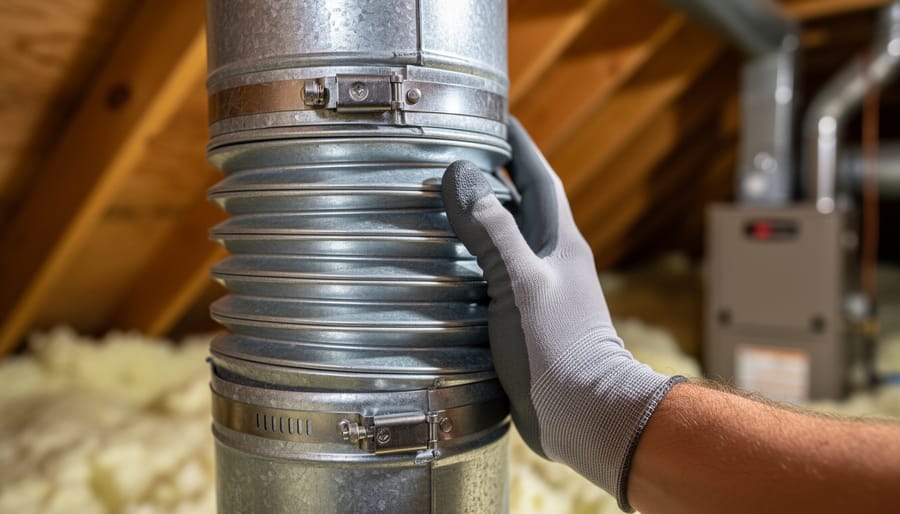
Inspect your ductwork connections where metal sections meet, looking for accordion-style flexible connectors that absorb thermal expansion and vibration—these are expansion joints, and they’re critical for maintaining efficient heat flow throughout your home. When these joints deteriorate or separate, you’ll notice certain rooms staying stubbornly cold while your heating system works overtime, driving up energy ... Read more
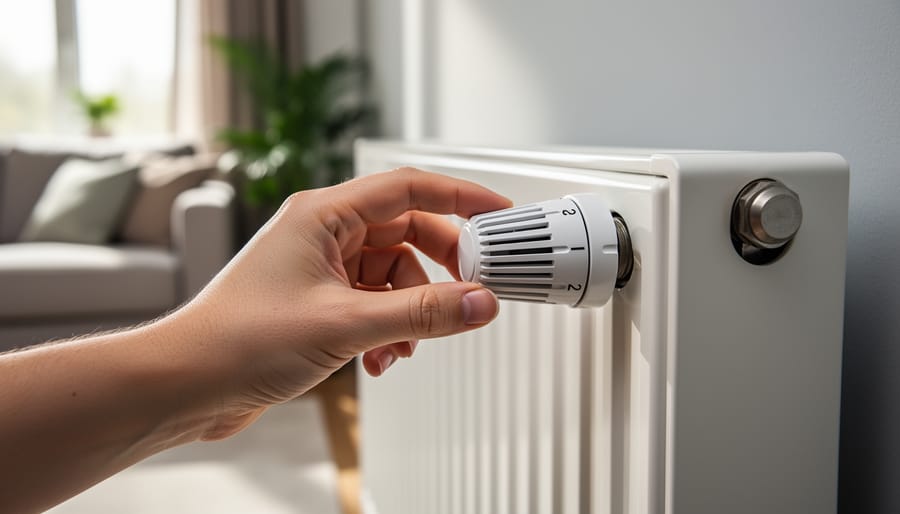
Turn your radiator’s thermostatic valve clockwise to reduce heat output or counterclockwise to increase it, testing the response over 30-60 minutes since these systems adjust gradually. Check if your knob displays numbers (typically 1-5) or symbols—each number represents roughly 4°F increments, with 3 usually maintaining around 68°F in most rooms. Balance multiple radiators by starting ... Read more
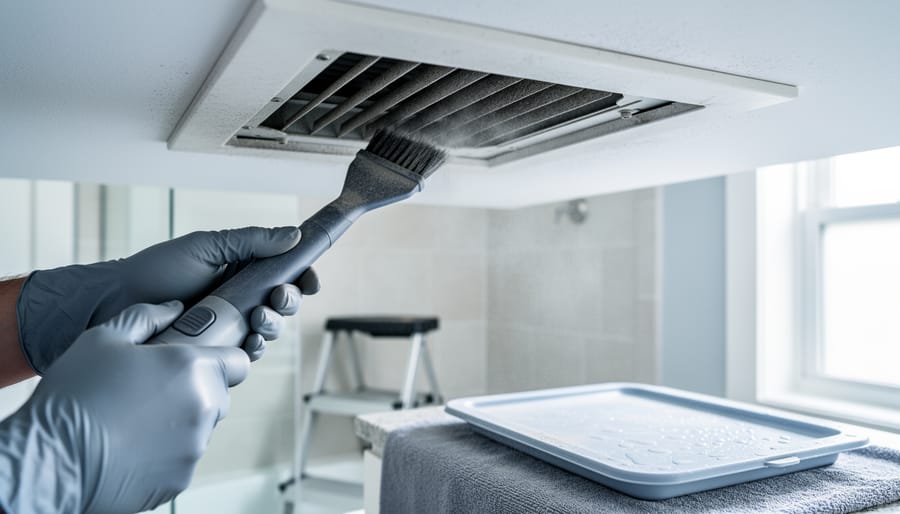
Turn off the power to your bathroom fan at the circuit breaker before attempting any maintenance work—this single safety step prevents electrical shock and protects you throughout the cleaning process. Remove the fan cover by gently squeezing the mounting clips or unscrewing fasteners, then vacuum away dust buildup from the fan blades, motor housing, and ... Read more
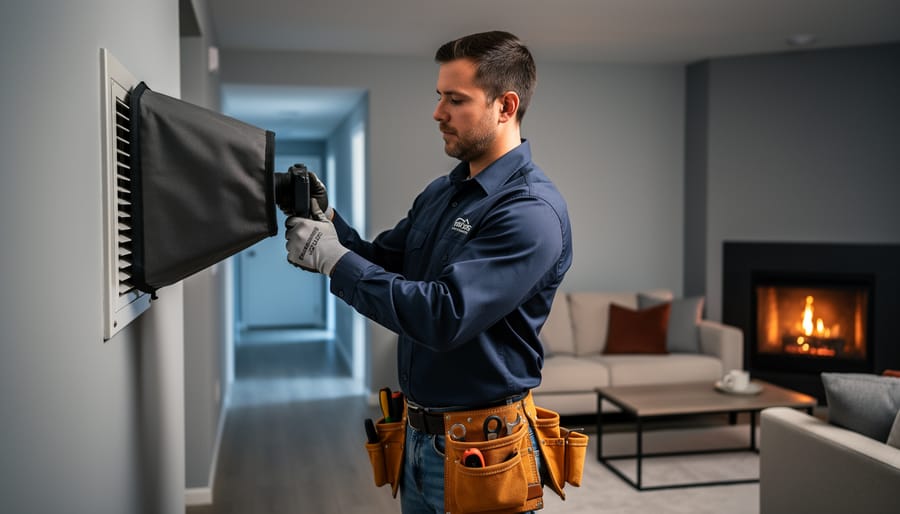
Walk through your home on a cold winter morning and notice which rooms feel like the Arctic while others stay toasty warm. That temperature difference isn’t just uncomfortable—it’s costing you money and forcing your heating system to work overtime. Ductwork balancing solves this frustrating problem by ensuring heated air flows evenly throughout every room, eliminating ... Read more

Clean your ceiling fan blades every two to three months using a pillowcase slipped over each blade to trap dust instead of sending it airborne throughout your room. Check and tighten all visible screws and mounting hardware twice yearly, as vibration from normal operation can gradually loosen connections that affect both performance and safety. Reverse ... Read more

Understanding how warm air moves through your space transforms a struggling fireplace into an efficient heating powerhouse. Air circulation diagrams reveal the invisible patterns that determine whether heat stays trapped near your ceiling or flows throughout your entire room, making the difference between shivering in corners and enjoying cozy comfort everywhere. These visual guides show ... Read more
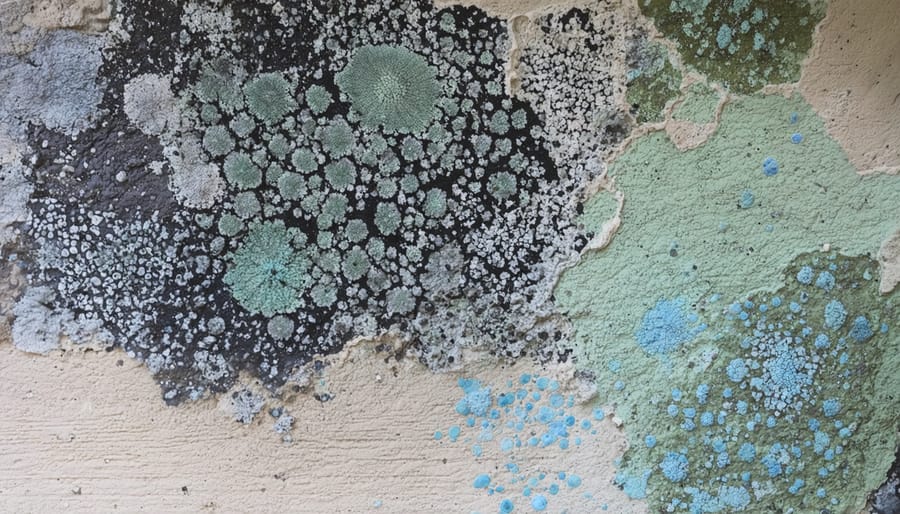
Identify basement mold types quickly by examining color, texture, and growth patterns – black, fuzzy colonies often indicate toxic Stachybotrys, while green-blue patches suggest Penicillium. Schedule professional basement mold removal immediately if you spot dark-colored or extensive growth, as these varieties pose serious health risks. Monitor relative humidity levels, keeping them below 60% to prevent ... Read more

Discovering yellow mold in your basement can be unsettling. This guide is crafted to help you identify and tackle yellow mold in basement walls effectively. Mold not only poses health risks but also compromises the integrity of your home. Yellow mold is especially notorious for its persistence. Understanding its characteristics is the first step towards ... Read more
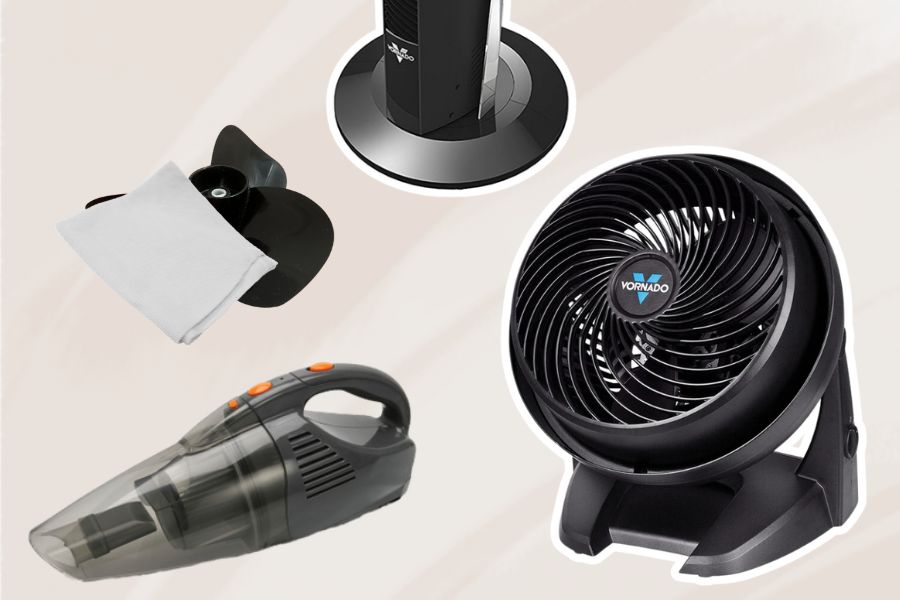
Welcome to the ultimate guide on how to clean Vornado! If you’re a proud owner of a Vornado fan, including a Vornado air circulator, tower fan, or a Vornado box fan, you understand the importance of keeping them dust-free for the best breeze. A clean Vornado fan means less maintenance, a dust-free environment, and efficient ... Read more



