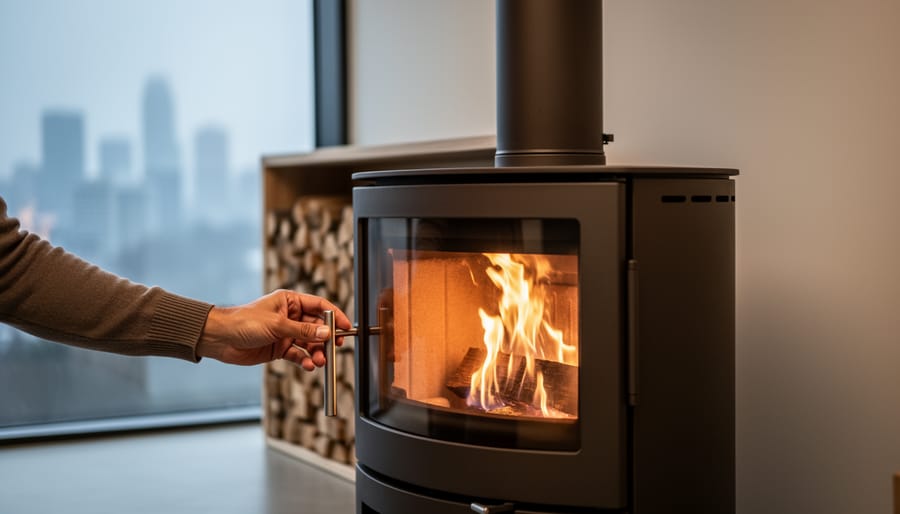


Check your local air quality district website before purchasing or installing a wood-burning fireplace, as many metropolitan areas now restrict or ban new installations entirely. Counties across California, Washington, Oregon, and Colorado have particularly strict rules, with some requiring EPA-certified models only or prohibiting wood burning altogether on poor air quality days.
Verify whether your existing fireplace requires retrofitting or replacement under current standards. Many jurisdictions mandate that pre-1990 fireplaces be upgraded to EPA Phase II certified models when homes are sold, requiring emissions-reducing technology that captures up to 90% more particulate matter than traditional open hearths. This isn’t just bureaucratic red tape—wood smoke contains fine particles that penetrate deep into lungs and drift into neighboring homes, creating legitimate health concerns that have prompted these protective measures.
Understand the difference between no-burn days and permanent restrictions in your area. During winter inversions or poor air quality alerts, temporary burn bans prohibit fireplace use completely, with violations carrying fines ranging from $50 to $1,000 depending on your location. Sign up for air quality alerts through your county’s notification system to avoid inadvertent violations.
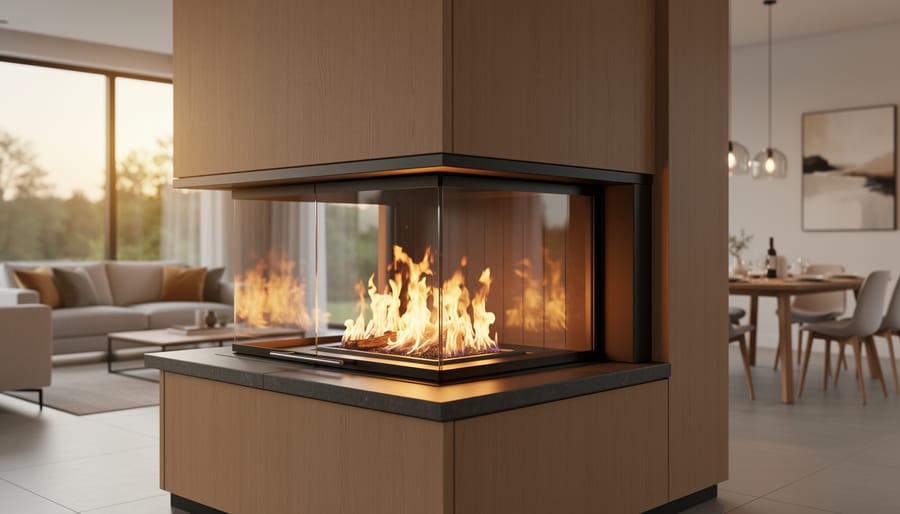
The good news: compliance doesn’t mean sacrificing the ambiance and warmth you love. Modern EPA-certified wood stoves and fireplace inserts actually burn hotter and more efficiently than traditional fireplaces, using less wood while producing more heat. Gas and electric options have evolved dramatically, offering realistic flames without emissions concerns. Understanding these regulations now protects your investment, keeps you compliant with evolving standards, and ensures your fireplace remains a source of comfort rather than costly citations.
Why Wood Burning Regulations Exist in the First Place
There’s nothing quite like gathering around a crackling wood fire on a cold evening—it’s a timeless experience that connects us to centuries of tradition. So why have governments stepped in to regulate something so naturally appealing? The answer lies in understanding the real impact wood smoke has on our communities and environment.
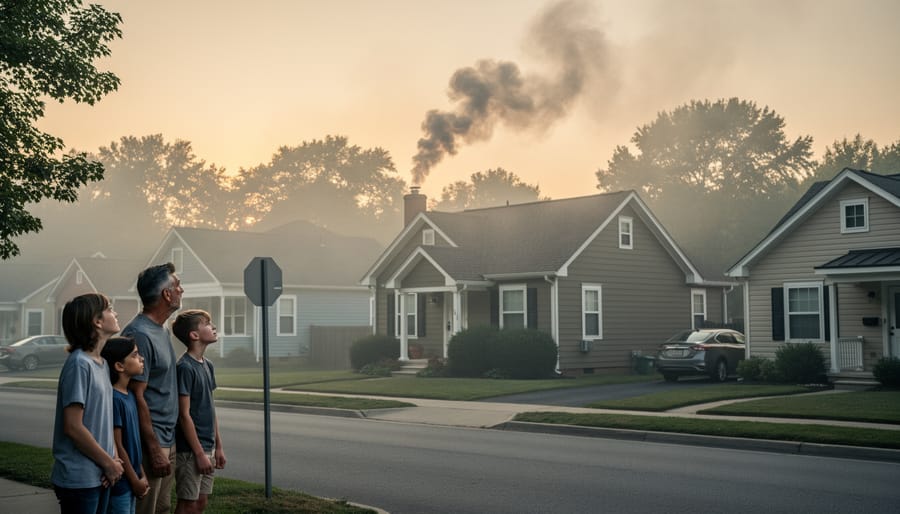
When wood burns, it releases tiny particles called PM2.5 (particulate matter 2.5 micrometers or smaller) into the air. These microscopic particles are small enough to penetrate deep into our lungs and even enter our bloodstream. For vulnerable populations—children, elderly folks, and those with respiratory conditions like asthma—exposure to wood smoke can trigger serious health problems. What drifts romantically from your chimney doesn’t just disappear; it settles into your neighborhood, affecting everyone who breathes that air.
The challenge becomes particularly acute in certain geographic and weather conditions. Valleys and basins can trap smoke close to ground level, especially during winter inversions when cold air gets trapped beneath warmer air. In these situations, multiple wood fires burning simultaneously can create hazardous air quality that persists for days. This isn’t just theoretical—many communities have documented significant spikes in emergency room visits during heavy wood burning periods.
Environmental concerns extend beyond immediate health impacts too. Wood smoke contributes to regional haze, reduces visibility, and adds carbon emissions to our atmosphere. While wood is technically renewable, inefficient burning releases far more pollutants than necessary.
Here’s the important part: regulations aren’t about taking away your fireplace experience. They’re designed to balance our love of wood fires with our responsibility to community health and environmental stewardship. Most rules focus on encouraging cleaner-burning technologies and limiting use during particularly problematic weather conditions. Understanding this context helps us appreciate why compliance matters and motivates us to seek solutions that let us enjoy our fireplaces while being good neighbors and environmental citizens.
Federal EPA Standards Every Homeowner Should Know
What EPA Certification Really Means for Your Fireplace
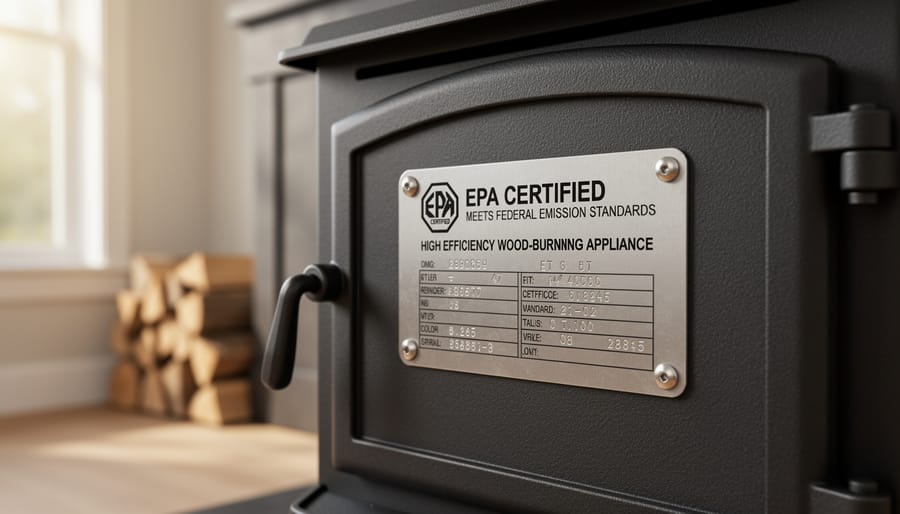
When you’re shopping for a new wood-burning fireplace or checking whether your existing one meets modern standards, you’ll encounter EPA certification labels prominently displayed on the unit. These labels aren’t just regulatory paperwork—they’re your assurance that your fireplace burns efficiently while minimizing environmental impact.
The most important number on an EPA certification label is the grams per hour (g/h) emission rating. This tells you how much particulate matter—essentially smoke and air pollutants—your fireplace releases during operation. Current EPA standards require wood-burning fireplaces to emit no more than 2.0 g/h as of May 2020. To put this in perspective, older uncertified fireplaces can emit 15 to 30 g/h, making certified models dramatically cleaner for both your home and your community.
You’ll also see the overall efficiency rating, typically expressed as a percentage. This indicates how much of your wood’s heat energy actually warms your home rather than escaping up the chimney. Higher efficiency means more warmth from less wood—better for your wallet and the environment.
Verifying certification is straightforward. Look for the permanent metal label affixed to your fireplace, usually inside the firebox or on the back. It should clearly state EPA certification and display the emission rate. If you’re buying used or can’t locate the label, you can search the EPA’s database of certified wood heaters using the manufacturer name and model number. This online resource ensures you’re making an informed decision about compliance and performance before installation.
Grandfathering Rules for Existing Fireplaces
Good news for those of you with older fireplaces: most regulations include grandfathering provisions that allow you to continue using your existing wood-burning fireplace, even if it doesn’t meet current EPA certification standards. This means your beloved hearth isn’t suddenly illegal just because new rules have come into effect.
However, there are some important nuances to understand. While you can generally keep using your existing fireplace, many jurisdictions restrict what you can do with it. For instance, if you remove or replace an uncertified fireplace, you’ll typically need to install an EPA-certified model rather than another older unit. Some areas also prohibit selling homes with non-compliant fireplaces unless they’re upgraded or removed first.
During mandatory burn bans or air quality alerts, grandfathered fireplaces aren’t exempt—everyone must follow temporary restrictions regardless of their fireplace’s age. Additionally, if your fireplace becomes a demonstrated source of excessive smoke or neighbor complaints, local authorities may require modifications or upgrades.
The silver lining? Upgrading to a newer, certified model often means better heating efficiency, lower fuel costs, and significantly reduced emissions. Many homeowners discover that modernizing their fireplace enhances both their home’s comfort and their commitment to eco-friendly heating solutions, making it a worthwhile investment rather than just a regulatory burden.
State and Local Regulations: Why Your Zip Code Matters
Burn Ban Days and Air Quality Alerts
Understanding when you can and can’t burn in your wood fireplace is crucial for staying compliant and being a responsible neighbor. Many regions implement mandatory no-burn days when air quality conditions make wood smoke particularly harmful to public health.
These burn bans typically kick in when the Air Quality Index reaches unhealthy levels, usually between 100-150 depending on your local regulations. During winter months when temperature inversions trap pollutants close to the ground, your cozy fire can contribute to dangerous particulate matter buildup that affects everyone in your community, especially children, seniors, and those with respiratory conditions.
The good news is that checking your local burn status has never been easier. Most air quality management districts offer free text alerts, smartphone apps, and dedicated hotlines that tell you whether burning is allowed each day. Many areas also use a simple color-coded system: green means burn freely, yellow indicates a voluntary curtailment day, and red signals a mandatory ban.
Penalties for violating burn bans aren’t just theoretical. Fines typically range from $50 for first offenses to several hundred dollars for repeat violations. Some jurisdictions issue warnings first, but enforcement has gotten stricter as air quality concerns grow.
Make checking burn status part of your routine, just like checking the weather forecast. Sign up for automatic alerts in your area, and when red days hit, embrace alternative heating methods or simply enjoy your fireplace’s aesthetic without lighting it. This small adjustment helps protect community health while preserving your right to enjoy wood burning on clear-air days.
Installation and Permit Requirements
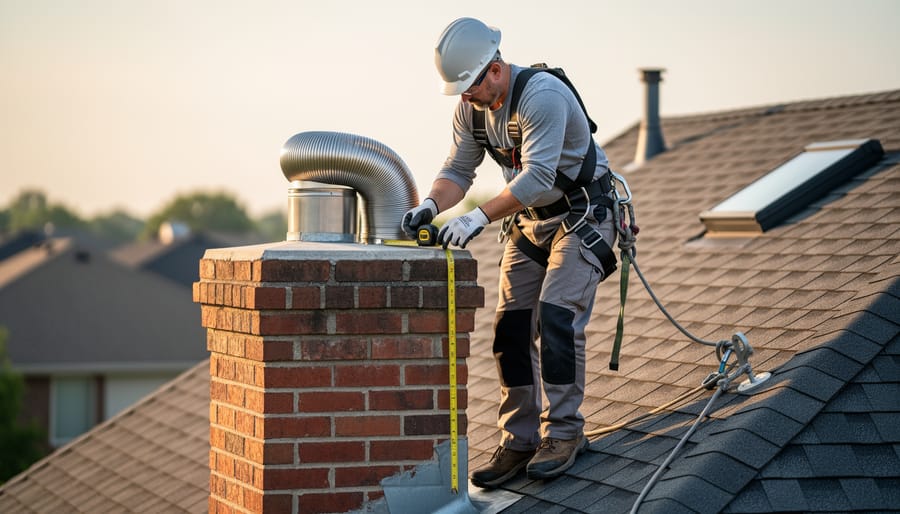
Whether you’re adding a wood-burning fireplace to bring new warmth into your home or upgrading an existing setup, understanding permit requirements upfront can save you headaches down the road. Most jurisdictions require building permits for new fireplace installations, chimney construction, or significant modifications to existing systems. This isn’t red tape for its own sake—these requirements exist to protect your home and family from fire hazards and carbon monoxide risks.
The permitting process typically begins before any construction starts. You’ll need to submit plans showing the fireplace location, chimney routing, clearances from combustible materials, and the specific appliance you’re installing. Local building departments review these plans to ensure compliance with fire codes and ventilation standards. Once approved, expect at least one inspection during installation and a final inspection before you light your first fire.
Working with certified installers makes this process considerably smoother. Look for professionals certified by organizations like the National Fireplace Institute or Hearth Education Foundation. These experts understand local codes inside and out, handle the paperwork efficiently, and know exactly what inspectors look for. They can also guide you toward EPA-certified models that meet current emissions standards, helping you embrace eco-friendly heating solutions from day one.
Even retrofits—like converting an open fireplace to an insert system—usually require permits. The investment in proper permitting and professional installation pays dividends through safer operation, better performance, and peace of mind knowing your beautiful new fireplace meets all legal requirements while keeping your household safe and warm.
What You Can and Cannot Burn Legally
Understanding what materials are safe to burn in your fireplace isn’t just about following the rules—it’s about protecting your health, your home, and the air quality in your community. Let’s break down what fuels work with regulations and which ones you should avoid entirely.
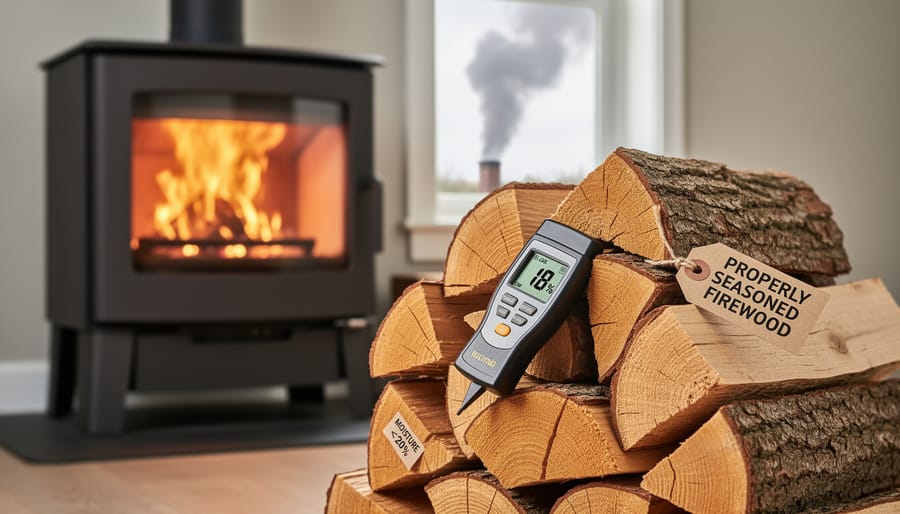
The gold standard for wood-burning fireplaces is properly seasoned hardwood. This means wood that’s been dried for at least six months to a year, reducing moisture content to around 20% or less. Oak, maple, ash, and birch are excellent choices that burn cleanly and efficiently. You’ll know wood is properly seasoned when it feels light for its size, has cracks in the ends, and makes a hollow sound when you knock two pieces together. Many regions actually require you to burn only seasoned wood, as wet or green wood creates excessive smoke and dangerous creosote buildup in your chimney.
Now for the definite no-burn list. Treated lumber, painted wood, and plywood release toxic chemicals when burned—substances that are harmful to breathe and can damage your fireplace system. The same goes for driftwood, which contains salt that corrodes metal components, and manufactured wood products like particle board or laminated materials. These items may seem like convenient fuel sources, but they’re both illegal to burn in most areas and genuinely dangerous.
Trash, plastics, cardboard with glossy finishes, and magazines are also strictly prohibited. The emissions from these materials contribute to air pollution and can create hazardous conditions in your home.
For those looking to embrace eco-friendly alternatives while staying compliant, manufactured fire logs made from compressed sawdust or recycled materials are excellent options. Many are specifically designed to burn cleaner than cordwood and meet EPA standards. Some regions also allow properly dried fruit and nut wood, which can add a pleasant aroma to your fire while staying within legal boundaries.
Modern Solutions That Keep You Compliant and Cozy
Upgrading Your Existing Fireplace Without Starting from Scratch
If your existing wood-burning fireplace doesn’t meet current regulations, you’re not necessarily facing an expensive tear-out and rebuild. Several practical upgrade options can transform your traditional fireplace into a compliant, eco-friendly heating solution while preserving the charm you love.
Fireplace inserts are one of the most effective retrofit solutions. These EPA-certified units fit directly into your existing fireplace opening, dramatically improving efficiency while reducing emissions by up to 70%. Modern inserts use advanced combustion technology to burn wood more completely, meaning you’ll enjoy more heat from less wood while meeting regulatory standards.
Another excellent option is adding a catalytic converter to your existing fireplace. Similar to those in cars, these devices facilitate cleaner combustion at lower temperatures, significantly reducing particulate emissions. They’re particularly effective for masonry fireplaces where a full insert might not be feasible.
For fireplaces with minor compliance issues, upgrading to a glass door system with adjustable air controls can improve combustion efficiency and reduce smoke output. Pairing this with a high-quality chimney liner ensures better draft and safer operation.
Before investing in any upgrade, check with your local air quality management district about available rebate programs. Many jurisdictions offer financial incentives for modernizing older fireplaces, sometimes covering 50% or more of upgrade costs. These improvements not only bring your fireplace into compliance but also enhance your home’s comfort and reduce heating costs, making it a win for both your family and the environment.
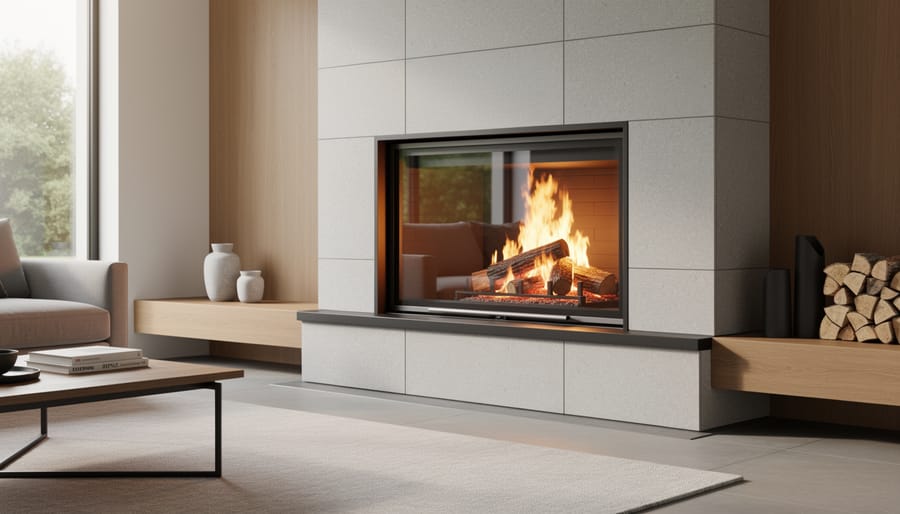
How to Stay Compliant Without Sacrificing Your Fireside Experience
Staying compliant with wood burning regulations doesn’t mean giving up the cozy ambiance you love. With a few smart habits and helpful tools, you can enjoy your fireplace responsibly while keeping both the air quality and regulators happy.
Start with the foundation: properly seasoned wood. Burning wood with 20% moisture content or less produces significantly less smoke and pollution. Invest in an inexpensive moisture meter to test your firewood. Well-seasoned hardwoods like oak, maple, or ash burn cleaner and hotter than softwoods or green wood, creating that perfect crackling fire while minimizing emissions.
Master the art of efficient burning by building smaller, hotter fires rather than large, smoldering ones. The top-down burning method, where you place larger logs on the bottom and kindling on top, creates less smoke during startup. Always ensure adequate airflow by keeping dampers open until the fire is well-established, and never let your fire smolder overnight.
Create a regular maintenance schedule that includes annual chimney inspections and cleanings. Proper maintenance isn’t just about compliance; it’s about safety and efficiency. Between professional visits, stay on top of cleaning fireplace ashes when they accumulate beyond an inch or two.
Technology makes compliance easier than ever. Download your local air quality district’s app to receive real-time burn ban notifications. Many regions offer free alert services that text or email you when no-burn days are declared. Some homeowners even use smart home devices to remind them to check burn status before lighting up.
Consider keeping a supply of EPA-certified fire logs as backup for no-burn days when only cleaner-burning alternatives are permitted. These eco-friendly options let you maintain your fireside tradition while respecting air quality concerns during temperature inversions or high pollution days.
Here’s the truth: wood burning fireplace regulations aren’t designed to take away your cozy winter evenings or that crackling fire you love. They’re actually your roadmap to enjoying your fireplace responsibly for years to come. Think of these rules as tools that protect both your investment and your community’s air quality, rather than obstacles standing between you and warmth.
When you understand and follow your local regulations, you can enjoy your wood fire completely guilt-free. You’ll know you’re burning efficiently, reducing unnecessary smoke, and being a considerate neighbor. There’s something deeply satisfying about gathering around a fire that not only warms your home but also aligns with your values as an environmental steward.
The best part? Compliance often leads to discovering better ways to enjoy your fireplace. Modern EPA-certified inserts burn cleaner and more efficiently, meaning you’ll use less wood while producing more heat. That’s good for your wallet and the planet.
Take action today by checking your local air quality district’s website for specific regulations in your area. If your current fireplace doesn’t meet standards, explore eco-friendly upgrades that can actually enhance your experience. Many communities offer rebate programs that make these improvements surprisingly affordable.
Remember, wood burning regulations exist so that everyone can enjoy their fireplaces sustainably. By staying informed and making thoughtful choices, you’re not giving anything up. You’re simply ensuring that the warmth and ambiance you cherish today will remain a cherished part of home life for generations to come.