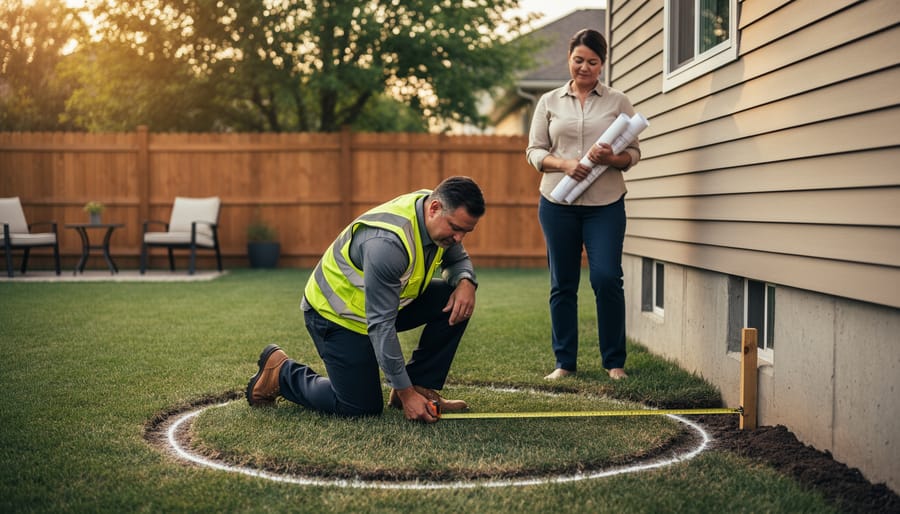


Check your local municipality’s zoning ordinances before purchasing any outdoor fireplace or chiminea, as setback requirements from property lines, structures, and combustible materials vary significantly between jurisdictions and can determine whether your dream fire feature is even feasible for your yard. Most cities require outdoor fire features to be positioned at least 10-25 feet from buildings, though some neighborhoods with strict fire codes prohibit them entirely.
Contact your building department to determine if your planned installation requires a permit. Permanent installations like built-in outdoor fireplaces, fire pits with gas lines, or structures with chimneys almost always need permits, while portable chimineas and freestanding fire pits typically don’t. The permit process, though sometimes tedious, protects your investment by ensuring proper installation and prevents issues during home sales or insurance claims.
Request a property survey or locate your existing survey documents to identify exact property boundaries and easements. Installing a fire feature too close to your neighbor’s fence or within a utility easement creates legal headaches and potentially costly relocations, even if you’ve already completed the installation.
Understanding these regulations isn’t about bureaucratic obstacles standing between you and cozy evenings by the fire. These requirements exist to protect your home, your family, and your neighbors while preserving your community’s character. Think of zoning and permitting as the foundation for years of safe, worry-free enjoyment rather than red tape to circumvent.
The good news? Once you navigate these initial steps, you’re free to focus on the exciting part: selecting the perfect fire feature that transforms your outdoor space into an inviting retreat. Compliance doesn’t limit your vision; it ensures that vision becomes a lasting reality you can enjoy with complete peace of mind.
Why Zoning Laws Care About Your Backyard Fire Feature
The Safety Story Behind the Rules
Behind every setback requirement and clearance measurement lies a story about keeping your family and home safe. These regulations aren’t arbitrary numbers dreamed up in government offices—they’re lessons learned from real incidents and decades of fire science research.
Fire safety distances exist because radiant heat travels farther than you might expect. That cozy chiminea radiates warmth in all directions, and when positioned too close to your wooden deck railing, vinyl siding, or overhanging eaves, it creates a genuine fire risk. Most jurisdictions require at least 10 feet of clearance from structures, though some materials demand even more distance. It’s the same principle as not standing directly beside a campfire—you enjoy the warmth from a respectful distance.
Overhead clearances protect you from a less obvious hazard. Tree branches, power lines, and roof overhangs can ignite from rising sparks and intense heat plumes. Even seemingly safe distances become dangerous on windy days when sparks travel unpredictably. Regulations typically mandate 15-20 feet of vertical clearance, creating a safety envelope that accounts for flying embers.
Property line setbacks serve a neighborly purpose too. Your outdoor fireplace shouldn’t send smoke billowing into your neighbor’s windows or create heat concerns near their structures. These rules maintain good relationships while preventing disputes.
Understanding these safety stories transforms compliance from a chore into common sense. When you know the reasoning behind each measurement, you’re not just following rules—you’re making informed decisions that protect your investment, your loved ones, and the warm, welcoming atmosphere you’re working to create.
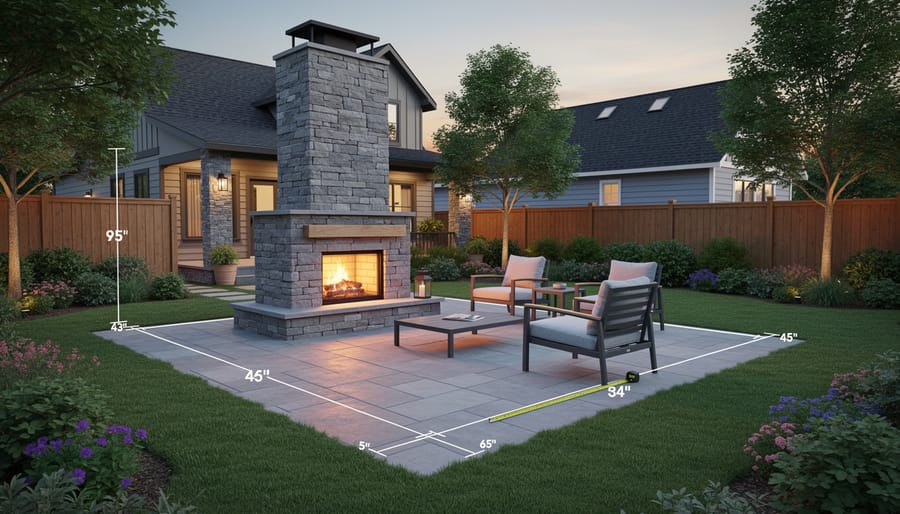
Your Neighbors and Property Lines
Understanding setback requirements is essential when planning your outdoor fireplace or chiminea. These regulations specify how far your fire feature must be from property lines, neighboring structures, and sometimes even tree canopies. While it might feel restrictive at first, these rules actually create a harmonious environment where everyone can enjoy their outdoor spaces safely.
Setbacks typically range from 10 to 25 feet depending on your local ordinances, and they’re designed with good reason. Smoke drift is a common concern among neighbors, especially when properties are close together. Nobody wants their evening dinner party interrupted by billowing smoke, and you certainly don’t want to strain neighborly relationships over what should be an enjoyable addition to your home.
Think of zoning as the invisible framework that protects your investment and your neighbors’ peace of mind. When everyone follows these guidelines, you create breathing room between properties that reduces fire hazards and smoke complaints. Many communities are increasingly mindful of air quality too, so choosing eco-friendly fuel options can demonstrate consideration for those around you. Before finalizing your plans, consider having a friendly conversation with adjacent neighbors about your project. This courtesy often prevents future conflicts and might even spark helpful insights about local conditions you hadn’t considered.
Understanding the Difference: When You Need a Permit (And When You Don’t)
Portable Chimineas and Fire Pits
Here’s some welcome news: portable chimineas and smaller fire pits often fly under the permit radar. Most municipalities classify truly movable fire features—those you can easily relocate without tools or structural modifications—as temporary installations that don’t require permits. These lifestyle-friendly options let you enjoy crackling flames without navigating bureaucratic hoops.
However, permit-exempt doesn’t mean restriction-free. Your local fire code still applies, typically requiring minimum distances from structures, often 10-25 feet depending on your area. You’ll still need to respect property line setbacks and avoid using these features during burn bans or high fire danger days. Some homeowner associations impose their own rules about fire features, even portable ones, so checking your HOA guidelines protects you from potential fines.
The key distinction is portability—if your unit requires assembly, connects to gas lines, or sits on a permanent base, it likely crosses into permit territory. When choosing a portable option, consider eco-friendly models with efficient combustion systems that minimize smoke and maximize warmth. Even without permits, responsible use means keeping a fire extinguisher nearby and never leaving flames unattended, ensuring your outdoor gatherings remain both legal and safe.
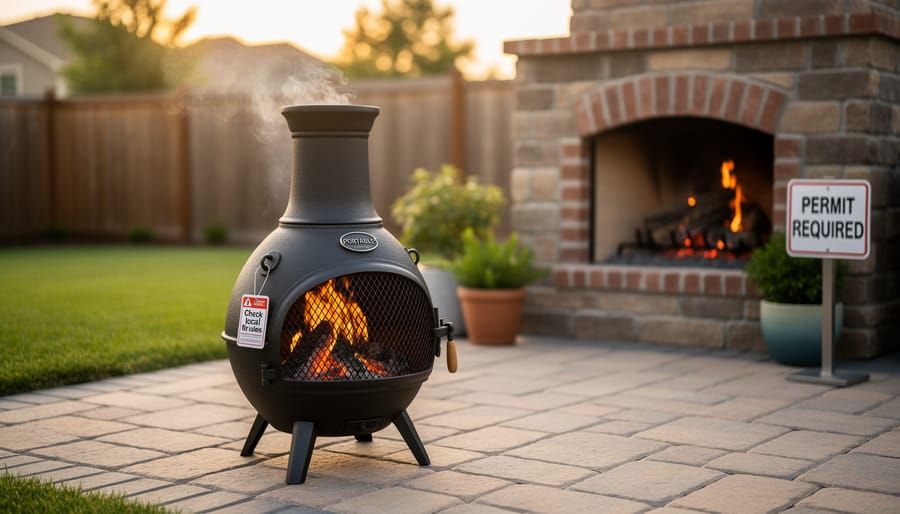
Built-In Outdoor Fireplaces
If you’re dreaming of a truly permanent outdoor fireplace that becomes an architectural centerpiece of your backyard, here’s what you need to know: permits are almost certainly required. Built-in outdoor fireplaces represent significant construction projects that involve multiple building systems, and local authorities want to ensure everything is done safely and correctly.
The foundation work alone typically triggers permit requirements. These structures are heavy, requiring substantial footings and proper drainage to prevent settling or damage over time. Your building department will want to verify that the foundation can support the weight and withstand weather conditions specific to your area.
Gas line installations add another layer of complexity and regulatory oversight. Running natural gas or propane to your outdoor fireplace involves specialized work that must meet strict safety codes. Licensed professionals need to handle these installations, and inspectors will verify proper connections, pressure levels, and shut-off valve placement.
The structural elements themselves—masonry work, chimney construction, and heat-resistant materials—must meet local building codes. These regulations exist to protect you, your family, and your neighbors from fire hazards and structural failures. While the permitting process might seem like a hurdle, it’s ultimately about creating a beautiful, safe gathering space you’ll enjoy for decades.
The Gray Areas That Trip People Up
The trickiest situations often involve features that blur the line between permanent and temporary. Many homeowners assume that because freestanding outdoor fireplaces can technically be moved, they’re exempt from permits. Not necessarily. If it’s connected to a gas line, sits on a foundation, or weighs several hundred pounds, your municipality likely considers it permanent. Prefab outdoor fireplaces create similar confusion since they arrive ready-made, leading some to believe they’re plug-and-play. In reality, installation still triggers permitting requirements. Another common stumbling block involves property line distances. That cozy fire feature tucked near your fence might feel perfect for ambiance, but setback rules exist for safety and your neighbor’s peace of mind. When in doubt, remember that anything involving fuel lines, electrical work, or substantial construction almost always requires approval, regardless of how simple the project seems.
Your Step-by-Step Permit Application Process
Finding Your Local Requirements
Navigating the permit process starts with knowing exactly who to talk to in your municipality. Begin by contacting your local building department—they’re your primary resource and can direct you to other relevant offices like the fire marshal or zoning department. Many communities now offer online permit portals where you can search requirements, download applications, and sometimes even see what permits your neighbors have filed, which can give you helpful real-world examples.
When reaching out, come prepared with specific questions. Ask about setback requirements (how far your fireplace must be from property lines, structures, and overhead obstacles), what materials are approved in your area, and whether there are seasonal burning restrictions or air quality regulations that might affect your enjoyment of your new fire feature. Inquire about inspection timelines and what documentation you’ll need to provide.
Don’t overlook your homeowners association if you have one—they often have their own rules that work alongside municipal requirements. Think of this research phase as laying a solid foundation for your project. The few hours you invest now in understanding the rules will save you from headaches later and ensure your outdoor fireplace becomes the cozy gathering spot you envision, not a source of stress or costly corrections.
Documents and Plans You’ll Need
When you head to your local building department, you’ll want to bring a complete application packet to avoid delays. Most municipalities require a detailed site plan showing your property boundaries, existing structures, and the proposed location of your outdoor fireplace or chiminea. Include accurate measurements of setbacks from property lines, your home, and any neighboring structures.
You’ll also need detailed specifications of your fire feature, including dimensions, materials, and manufacturer information. If you’re installing a custom-built fireplace, provide construction drawings that show the foundation, firebox, chimney height, and materials list. For prefabricated units, the manufacturer’s spec sheet usually suffices.
Don’t forget contractor information if you’re hiring professionals. Many jurisdictions require licensed contractors for certain installations, and you’ll need to provide their credentials, insurance certificates, and contact details.
Additionally, be prepared to submit information about fuel type, ventilation systems, and any safety features like spark arrestors or protective screens. Having professional photographs of your property and the proposed installation area can also be helpful. Being organized and thorough from the start demonstrates your commitment to safety and compliance, making the approval process smoother and faster.
Timeline and Costs to Expect
Expect permit processing to take anywhere from two to six weeks, though complex projects or busy seasons can extend this timeline. Typical permit fees range from $50 to $300 for residential outdoor fireplaces, depending on your location and project scope. Some municipalities charge based on project valuation, while others have flat rates for fire features.
To avoid frustrating delays, submit complete applications with all required documentation from the start. Missing paperwork is the most common reason for setbacks. Schedule your inspection well in advance, as inspectors often book weeks ahead during peak building season. Consider applying during winter months when departments are less busy.
Budget extra time if your property falls within special zones like historic districts or coastal areas, where additional approvals may be needed. Having a professional installer who knows your local requirements can streamline the entire process. Remember, investing time upfront in proper permitting protects your investment and ensures your outdoor living space becomes the safe, welcoming gathering place you envision.
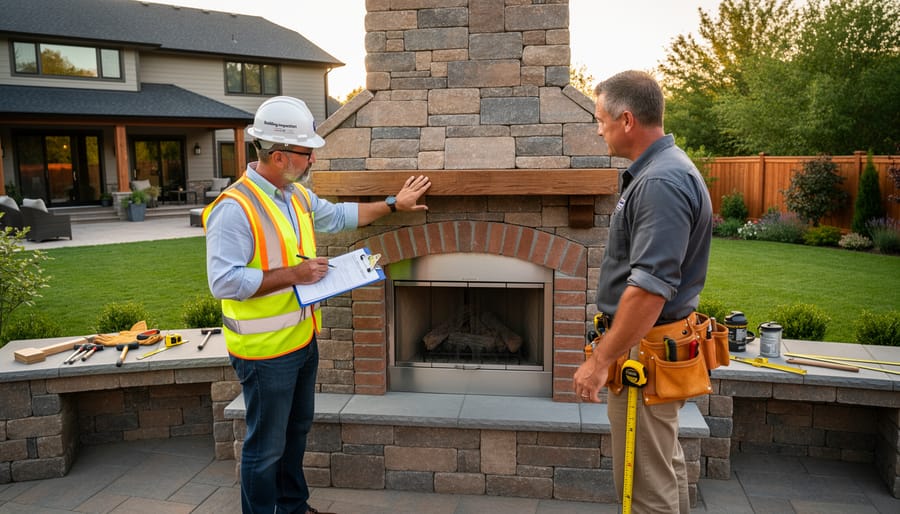
Working With Inspectors
Think of inspectors as partners in creating a safe, enjoyable outdoor living space. They’re checking that your fireplace installation meets safety standards, proper clearances from structures, and ventilation requirements. Before the inspection, walk through your installation yourself. Make sure everything is accessible, materials match your approved plans, and the area is clean and easy to navigate. Keep all documentation handy, including permits, product specifications, and installation manuals. Most inspectors appreciate when homeowners are present and engaged, asking questions that show you care about safety. If something doesn’t pass, don’t worry. Minor corrections are common and usually straightforward to fix. The goal is ensuring your new fire feature brings warmth and ambiance to your home for years to come, safely and legally.
Common Zoning Restrictions You Should Know About
Setback and Clearance Requirements
Understanding setback requirements is essential before you install your outdoor fireplace or chiminea. These regulations specify how far your fire feature must be from property boundaries, your home, and other structures. Think of setbacks as safety zones that protect both you and your neighbors from fire hazards while ensuring everyone can enjoy their outdoor spaces peacefully.
Most municipalities require outdoor fireplaces to be at least 10 to 25 feet from your house, garage, or shed. Property line setbacks typically range from 10 to 15 feet, though corner lots may have stricter requirements. Your fire feature should also maintain safe distances from wooden fences, often 10 feet minimum, and from overhanging tree branches, usually requiring at least 15 feet of clearance above the chimney or opening.
Here’s a practical example: if you’re planning a beautiful stone fireplace for cozy evening gatherings, you’ll need to measure from your back porch to ensure you meet the structure setback, then check the distance to your neighbor’s fence line. Don’t forget to look up and consider that oak tree’s branches. These requirements aren’t meant to discourage your outdoor living dreams; they’re designed to help you create a safe, enjoyable space that enhances your home’s ambiance for years to come while being a responsible neighbor and homeowner.
HOA and Covenant Restrictions
Beyond municipal zoning laws, your outdoor fireplace dreams might face another gatekeeper: your homeowners association. If you live in a planned community, HOA covenants often impose stricter rules than city codes, covering everything from fire feature placement to aesthetic requirements.
Start by requesting your community’s complete architectural guidelines and submitting detailed plans before purchasing any materials. Many HOAs require approval for structures, outdoor improvements, and anything that alters your property’s appearance. This process typically takes 30-60 days, so factor this timeline into your planning.
HOA restrictions might dictate specific styles, colors, or materials to maintain neighborhood aesthetics. Some communities prohibit wood-burning features entirely, steering residents toward gas or eco-friendly alternatives instead. Rather than fighting these rules, view them as design guidance that protects your property values while keeping your neighborhood harmonious.
If your HOA denies your initial proposal, ask for specific feedback and consider compromise solutions. Sometimes adjusting the location, reducing the feature’s height, or adding landscaping buffers can turn a rejection into approval. Documentation is essential throughout this process, so keep all correspondence and approvals in writing to protect your investment.
Air Quality and Burn Restrictions
Before lighting that first cozy fire, it’s essential to understand that many communities have strict air quality regulations affecting outdoor burning. These rules exist to protect everyone’s health and the environment we all share.
Many urban and suburban areas impose seasonal burn bans, particularly during summer months when air quality naturally deteriorates. Some regions prohibit wood-burning entirely on days when air quality reaches certain levels. You’ll want to check with your local air quality management district, as violations can result in significant fines.
The good news? There are plenty of compliant options that let you enjoy outdoor warmth without compromising air quality. Consider switching to cleaner fuel choices like natural gas or propane, which produce minimal emissions and aren’t subject to burn restrictions. Eco-friendly alternatives like bioethanol burners offer real flames without smoke or permits in most areas.
If you’re committed to wood-burning, look for EPA-certified chimineas and fire pits that meet emissions standards. These modern designs burn more efficiently, creating less smoke while providing the authentic crackling ambiance you love.
What Happens If You Skip the Permit
Let’s have an honest conversation about what happens if you decide to skip the permit process. We’re not here to scare you, but understanding the real consequences helps you make an informed decision.
First, there’s the financial reality. If code enforcement discovers an unpermitted fire feature, you’ll likely face fines that vary by municipality, often starting at several hundred dollars and increasing for each day the violation continues. More frustrating than the fine itself is what comes next: you’ll still need to get that permit retroactively, and some jurisdictions charge double or triple the original permit fee for after-the-fact applications.
Then there’s the possibility of removal. If your fire feature doesn’t meet setback requirements or violates local codes, you may be required to relocate or completely remove it. Imagine investing in your dream outdoor fireplace only to tear it down months later. That’s not just money lost, it’s the warm evenings and gatherings you’d planned for.
Insurance complications present another serious concern. If a fire-related incident occurs and your insurer discovers you have an unpermitted fire feature, they may deny your claim entirely. This applies whether the fireplace caused the problem or not. During home sales, unpermitted features become major obstacles. Savvy buyers and their inspectors will identify unpermitted work, potentially killing deals or forcing price reductions that far exceed what the original permit would have cost.
Here’s the truth: getting the permit upfront is genuinely the easier path. Yes, it requires some paperwork and patience, but it provides peace of mind, protects your investment, and lets you enjoy your fire feature without worry. Compliance isn’t just about following rules, it’s about protecting your home, your family, and the lifestyle enhancements you’re creating.
Smart Planning: Designing Your Fire Feature to Meet Regulations
Choosing the Right Location
Finding the perfect spot for your outdoor fireplace or chiminea involves balancing regulatory requirements with your vision for outdoor living. Start by reviewing your property survey to identify setback requirements from property lines, structures, and vegetation. These mandatory distances exist for safety, but they also create an opportunity to think creatively about your space.
Consider how prevailing winds move across your yard, as smoke direction significantly impacts enjoyment for both you and your neighbors. Position your fire feature where natural windbreaks like fencing or landscaping can help manage smoke flow while keeping flames away from overhanging branches or eaves.
Think about sight lines from your favorite indoor and outdoor spaces. A well-placed fire feature becomes a captivating focal point visible from your kitchen window or patio seating area, extending the ambiance throughout your property. Also factor in accessibility for bringing firewood and maintaining safe clearances around the unit.
Remember that compliance and comfort go hand-in-hand. The same setbacks that satisfy zoning codes often create the breathing room needed for safe, relaxing gatherings. By choosing a location that meets regulations while enhancing your lifestyle, you’re investing in years of worry-free enjoyment under the stars.
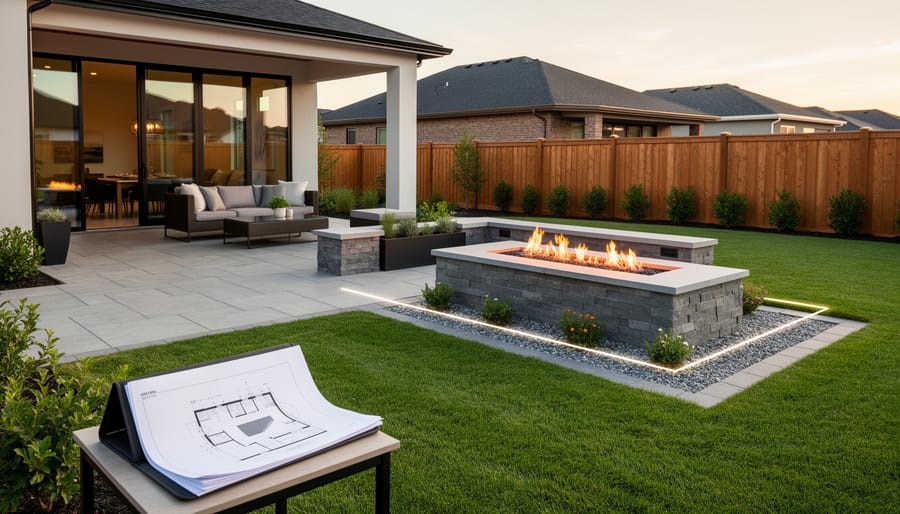
Selecting Compliant Materials and Designs
Choosing the right materials isn’t just about compliance—it’s about creating a fire feature that brings joy for years to come. Most municipalities require non-combustible materials like stone, brick, or steel for outdoor fireplace construction, which actually opens up beautiful design possibilities. Your hearth can feature gorgeous flagstone, classic brick patterns, or sleek modern metal finishes that complement your outdoor living space perfectly.
Spark arrestors are typically mandatory for chimneys and chimineas, but think of them as guardians of your peaceful evenings rather than a nuisance. These mesh screens prevent floating embers from reaching your roof or neighbor’s yard while being virtually invisible to the eye. Many contemporary designs integrate them seamlessly into the overall aesthetic.
When selecting your materials, bring your local code requirements to design consultations. Professional installers familiar with regional regulations can suggest eco-friendly options like heat-retaining masonry or sustainably sourced materials that meet all safety standards. The good news? Code-compliant doesn’t mean cookie-cutter—you’ll find countless approved materials and designs that reflect your personal style while keeping everyone safe and your installation legal.
Working With Qualified Professionals
Partnering with licensed contractors who know your local building codes can transform a daunting permit process into a smooth, stress-free experience. These professionals bring invaluable expertise, handling the paperwork, understanding setback requirements, and ensuring your outdoor fireplace meets all safety standards from the start. They’ll help you avoid costly mistakes and redesigns while potentially expediting approval timelines through established relationships with local authorities. Beyond installation, qualified contractors often provide guidance on maintaining your fire feature and can recommend eco-friendly fuel options that align with local air quality regulations. While hiring a professional represents an upfront investment, it protects your home’s value and gives you peace of mind that your cozy gathering space is both legally compliant and built to last.
Yes, the world of permits and zoning regulations can feel overwhelming at first glance. All those forms, regulations, and approval processes might seem like obstacles standing between you and those cozy evenings gathered around your outdoor fireplace. But here’s the encouraging truth: thousands of homeowners navigate this process successfully every year, and you can too.
Think of permits and zoning compliance not as roadblocks, but as the foundation that protects your investment and ensures your outdoor gathering space will bring joy for decades to come. When you’ve done things properly, you can relax completely, knowing your beautiful fireplace won’t come with future headaches, neighbor disputes, or insurance complications. That peace of mind is priceless.
The lifestyle you’re dreaming of—crisp autumn evenings wrapped in blankets, friends sharing stories as flames dance overhead, children roasting marshmallows under the stars—is absolutely within your reach. The permitting process is simply a few practical steps that stand between today and that vision becoming your reality.
Start small. Make that first phone call to your local zoning office. Ask questions. Most officials genuinely want to help homeowners succeed. You’ll likely discover the process is more straightforward than you imagined, and the support available is greater than you expected.
Your dream outdoor space isn’t just possible—it’s waiting for you. With the right knowledge and a bit of patience, you’ll soon be enjoying everything an outdoor fireplace adds to your home and lifestyle, knowing you’ve built something wonderful that’s completely safe, legal, and built to last.