

Measure your pellet stove’s exhaust outlet before purchasing any liner—most pellet stoves require a 3-inch or 4-inch diameter, and using the wrong size compromises both efficiency and safety. Check your manufacturer’s specifications to confirm the exact requirements, as installing an oversized or undersized liner can create dangerous draft issues and void your warranty.
Select stainless steel flexible liners rated for continuous pellet stove temperatures, typically around 570°F, rather than rigid aluminum options that may seem cheaper but often fail to meet modern building codes. Look for AL29-4C or 316Ti stainless steel grades specifically designed for pellet fuel applications, as these materials resist the corrosive condensation that pellet stoves produce.
Verify your chimney’s existing condition and measurements from top to bottom, including any bends or offsets that might require specialized fittings. A proper venting system ensures your pellet stove operates at peak efficiency while keeping harmful gases safely outside your home.
Plan for essential components beyond just the liner itself—you’ll need an insulation wrap for most installations, a cap with spark arrestor, connector pipe from stove to liner, and proper sealants rated for high-temperature applications. Budget accordingly, as a complete 4-inch pellet stove liner kit typically ranges from $300 to $800 depending on chimney height and installation complexity.
This guide walks you through everything you need to know about selecting, sizing, and installing the right 4-inch chimney liner for your pellet stove while maximizing both safety and heating performance.
Understanding Pellet Stove Venting Basics
Why Pellet Stoves Are Different
Pellet stoves operate quite differently from traditional wood-burning fireplaces, and understanding these differences is essential when selecting the right venting system. Unlike wood stoves that rely on natural draft to pull air through the firebox, pellet stoves use a sophisticated forced-air combustion system. This means a built-in fan actively pushes combustion gases through the venting system, allowing for smaller diameter exhaust pipes.
The magic of pellet stoves lies in their efficiency. Because compressed wood pellets burn so cleanly and completely, they produce significantly lower exhaust temperatures than traditional wood fires. Where a wood stove might generate flue gases exceeding 600 degrees Fahrenheit, pellet stoves typically operate between 200 and 400 degrees. This cooler exhaust is easier on your venting system and represents less wasted heat escaping up your chimney.
This unique combination of forced exhaust and lower temperatures makes pellet stoves an excellent eco-friendly heating solution for your home. The controlled burn means fewer emissions, better fuel efficiency, and more warmth staying where you want it – in your living space. These characteristics also explain why a 4 inch chimney liner is often perfectly adequate for pellet stove installations, whereas wood stoves typically require 6 inch or larger liners to handle their higher temperatures and natural draft requirements.
The Role of the Chimney Liner
Think of your chimney liner as a protective shield that keeps your home safe and your pellet stove running efficiently. This essential component serves multiple critical functions that directly impact both your comfort and safety.
First and foremost, the liner protects your chimney’s masonry structure from the corrosive byproducts of combustion. Pellet stoves produce acidic condensation that, without proper protection, can deteriorate brick and mortar over time, leading to costly repairs. A quality 4 inch liner creates a barrier between these harmful substances and your chimney walls.
Beyond protection, the liner significantly improves draft performance. Just like fireplace insert venting, proper chimney airflow is crucial for efficient operation. The smooth interior surface of a liner allows exhaust gases to flow freely upward, helping your pellet stove maintain optimal combustion and preventing dangerous backdrafts.
Perhaps most importantly for eco-conscious homeowners, a properly sized liner addresses condensation issues that commonly plague pellet stove installations. The 4 inch diameter maintains higher flue gas temperatures throughout the entire chimney length, reducing moisture buildup that can cause efficiency loss and potential hazards. This means your pellet stove burns cleaner and performs better, maximizing your investment in sustainable home heating.
Is a 4 Inch Liner Right for Your Pellet Stove?
Checking Your Stove’s Specifications
Before you start shopping for a 4 inch chimney liner, take a moment to locate your pellet stove’s owner’s manual. This document is your trusted guide and contains the exact exhaust diameter specifications your stove requires. Look for a section titled “Venting Requirements” or “Installation Specifications,” where you’ll find the recommended liner size clearly stated.
Here’s the thing: following these manufacturer specifications isn’t just a suggestion—it’s absolutely essential for both safety and performance. Using the wrong size liner can lead to dangerous backdrafting, inefficient combustion, and potentially void your warranty. Most pellet stoves do require a 4 inch liner, but some models may specify 3 inch or occasionally larger sizes, especially higher-output units.
Can’t find your manual? Don’t worry. Most manufacturers now provide digital versions on their websites, usually accessible through a simple model number search. You can also check the metal tag or label on your stove itself, which often lists basic venting requirements.
Remember, proper venting is the foundation of an eco-friendly heating system that runs efficiently and safely. Taking five minutes now to confirm your specifications will save you from costly mistakes and ensure your pellet stove keeps your home cozy all season long.
When to Use a 4 Inch vs. 3 Inch Liner
Here’s the thing about pellet stove liners: size really does matter, and choosing the wrong diameter can affect both your stove’s performance and your home’s safety.
Most pellet stoves require a 3 inch liner, while larger models and some multi-fuel stoves need a 4 inch diameter. Your stove’s manufacturer specifications will clearly state which size you need, and this information is typically found in your owner’s manual or on a label plate on the unit itself. Always check before purchasing.
Using a liner that’s too small creates excessive backpressure, forcing your pellet stove to work harder and potentially causing smoke spillage into your living space. Conversely, an oversized liner allows exhaust gases to cool too quickly, leading to creosote buildup and draft issues that can compromise both efficiency and safety.
The confusion often arises because some homeowners see their pellet stove’s smaller size compared to traditional wood stoves and assume they need the smallest liner available. However, pellet stoves generate different exhaust characteristics than wood-burning appliances, requiring precise venting specifications.
If you’re upgrading from a wood stove or installing in an existing chimney, you might find yourself needing to adapt the opening size. Never compromise on the manufacturer’s recommended liner diameter as a cost-saving measure. The right fit ensures optimal performance, fuel efficiency, and most importantly, keeps your family safe while enjoying eco-friendly warmth throughout the heating season.
Local Building Codes and Requirements
Before diving into your pellet stove liner project, take time to check your local building codes and regulations. These requirements exist to keep your home safe and your heating system running efficiently. Most areas require permits for chimney liner installations, similar to fireplace insert installation projects, and inspections ensure everything meets current safety standards.
Your local building department can provide specific guidelines about liner materials, clearances, and installation methods required in your area. These codes often reflect regional climate conditions and building practices, so what’s acceptable in one location might not be in another.
Working with a certified chimney professional or CSIA-certified installer isn’t just recommended—it’s often required. These experts understand local regulations and can navigate the permit process smoothly. They’ll ensure your 4 inch liner meets all safety requirements while optimizing your pellet stove’s performance. This investment in professional guidance protects your family, your home, and your long-term heating efficiency.
Types of 4 Inch Chimney Liners for Pellet Stoves
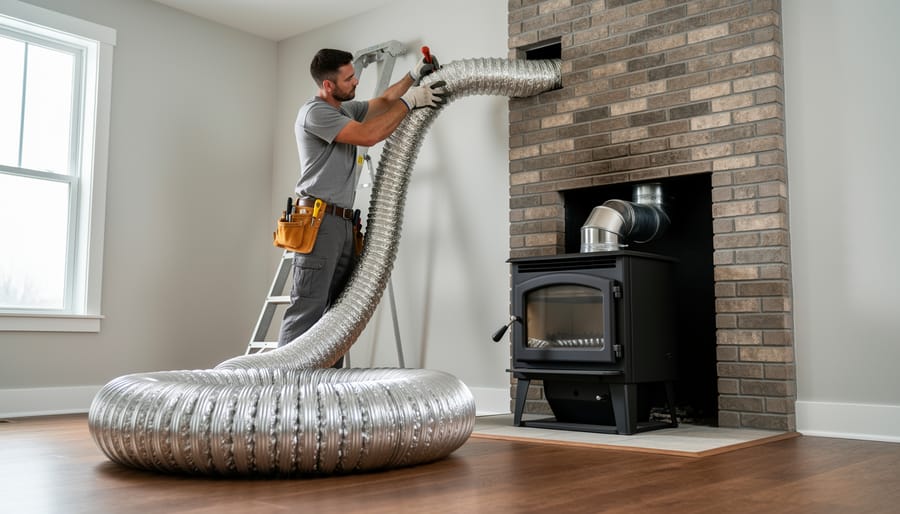
Stainless Steel Flexible Liners
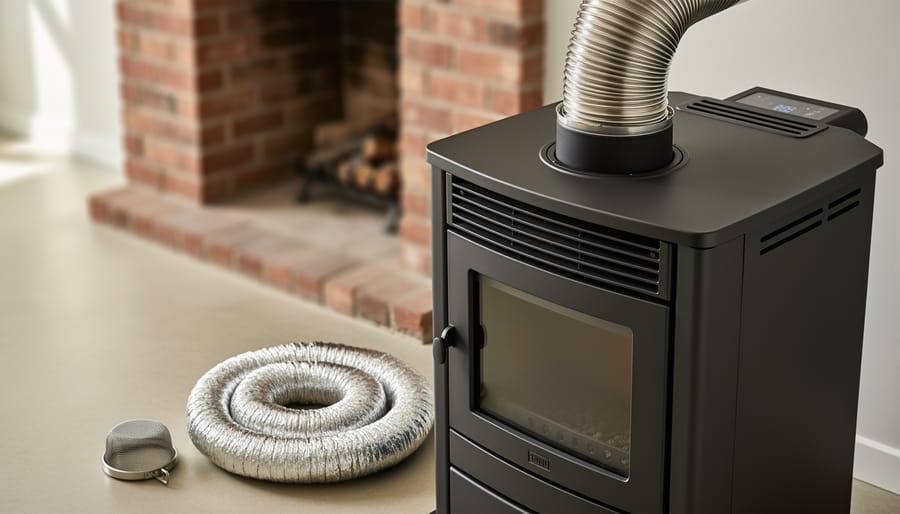
Flexible stainless steel liners are the go-to choice for most pellet stove installations, and for good reason. These adaptable workhorses can navigate the twists and turns of existing chimneys, making them perfect for retrofitting older homes where rigid liners simply won’t fit. If your chimney has bends or offsets, a flexible liner solves that challenge beautifully.
The primary benefit is installation ease. These liners can snake through challenging chimney configurations without requiring major structural modifications, which translates to lower installation costs and less disruption to your home. They’re also incredibly durable when properly installed, with quality stainless steel construction resisting the corrosive byproducts of pellet combustion.
The trade-off? Flexible liners can develop creosote buildup in their corrugated ridges more readily than smooth-wall alternatives, requiring diligent annual cleaning to maintain optimal performance and safety. They’re also slightly less efficient at draft than rigid options due to increased interior surface area.
These liners shine brightest in existing masonry chimneys with curves or offsets, making them an eco-friendly heating solution that breathes new life into traditional fireplaces. For straight chimney runs in new construction, you might consider rigid alternatives, but for most retrofit situations, flexible stainless steel delivers the perfect balance of practicality and performance.
Rigid Stainless Steel Liners
If you’re looking for exceptional durability and a permanent solution for your pellet stove, rigid stainless steel liners offer unmatched strength that can last for decades. These liners consist of solid, inflexible sections that connect together, creating a robust chimney system that stands up beautifully to high temperatures and the acidic condensation pellet stoves produce.
Rigid liners shine in specific situations, particularly when you have a straight chimney run without significant bends or offsets. They’re the go-to choice for new construction or when you’re working with a chimney that follows a direct vertical path. The trade-off for their superior durability is reduced flexibility during installation, which means they work best in straightforward configurations.
From an eco-friendly perspective, rigid stainless steel liners support efficient heating by maintaining consistent draft and requiring minimal replacement over their lifetime, reducing waste. While they typically cost more upfront than flexible options, many homeowners appreciate the peace of mind that comes with a virtually maintenance-free system. Professional installation is strongly recommended for rigid liners, as proper alignment and secure connections are essential for safe operation and optimal performance of your pellet stove.
Aluminum Liners: A Budget Option?
If you’re exploring options for your pellet stove chimney liner, you might wonder about aluminum liners as a budget-friendly alternative. Here’s what you need to know: aluminum liners can work for pellet stoves because these efficient heating systems produce relatively low exhaust temperatures, typically between 250-500°F. This makes aluminum a technically viable option where it wouldn’t be for wood-burning appliances.
However, before you jump at the lower price point, consider the trade-offs. Aluminum liners are more susceptible to corrosion, especially when exposed to the acidic condensation that pellet stoves create. This means you’ll likely be replacing your liner more frequently, which can offset those initial savings over time. Most aluminum liners also have thinner walls than stainless steel alternatives, making them less durable overall.
From an eco-friendly heating perspective, choosing a liner that lasts longer means less waste and fewer replacement costs down the road. While aluminum might save you money upfront, stainless steel typically offers better long-term value and reliability for your home’s heating system. Think of it as an investment in consistent, worry-free warmth for years to come rather than a quick fix.
Insulated vs. Uninsulated Liners
Choosing between insulated and uninsulated liners can significantly impact your pellet stove’s performance and longevity. Insulation becomes particularly important when your chimney runs along an exterior wall or through unheated spaces like attics, where temperature differences can create problems.
When exhaust gases cool too quickly traveling through an uninsulated liner, condensation forms on the interior walls. This moisture combines with combustion byproducts to create corrosive creosote deposits that can damage your liner and reduce airflow. Insulation maintains higher flue temperatures, keeping gases warm enough to exit smoothly without condensing.
For pellet stoves specifically, proper insulation delivers better heating efficiency by maintaining stronger draft throughout the chimney system. This steady draft ensures complete combustion and cleaner burns, reducing your fuel costs and environmental impact.
Most building codes require insulation for exterior chimneys or when the liner runs through cold spaces. Even if not mandated in your area, insulation serves as affordable insurance against moisture damage and performance issues. The upfront investment typically pays for itself through improved stove operation and extended liner life, making it a smart choice for most installations.
Installation Considerations and Best Practices
Measuring Your Chimney Properly
Getting the right measurements is crucial for a safe, efficient pellet stove setup. Start by measuring from the top of your stove collar to the top of your chimney cap. Use a weighted string or measuring tape, dropping it down from the chimney top to get an accurate height measurement. Add an extra foot to this measurement to account for the connection at your stove and any overhang at the chimney crown.
Don’t forget to measure the diameter of your stove’s flue outlet to confirm you need a 4-inch liner. While most pellet stoves use this standard size, it’s worth double-checking your owner’s manual. Consider any bends or offsets in your chimney too, as these may require additional length and specialized fittings. If your chimney has significant curves, you might need a flexible liner rather than a rigid one. Taking precise measurements now saves you from costly returns and ensures your eco-friendly pellet stove operates at peak efficiency, keeping your home cozy all winter long.
Essential Components Beyond the Liner
Installing your 4 inch liner is just the beginning. To create a safe, efficient pellet stove system, you’ll need several key accessories that work together to protect your home and maximize performance.
At the top of your chimney, a properly fitted top plate creates an essential seal where the liner meets the chimney crown. This prevents rain, debris, and critters from entering around the liner. Pair this with a quality rain cap designed specifically for 4 inch liners—this simple addition prevents water damage while maintaining proper draft.
Where your liner connects to the pellet stove, you’ll need a tee connector with a cleanout cap. This component allows you to safely inspect and clean accumulated ash, which is vital for maintaining efficiency and preventing dangerous buildup. Think of it as easy access for routine maintenance that keeps your eco-friendly heating solution running smoothly.
Don’t overlook the bottom support system. Your liner needs proper support at the base to prevent sagging and maintain proper alignment throughout its length. This typically includes mounting brackets or a support plate that distributes weight evenly.
Quality accessories aren’t just about compliance—they’re about creating a heating system that serves your home reliably for years. Investing in the right components now means fewer headaches and greater peace of mind as you enjoy the cozy warmth of your pellet stove.
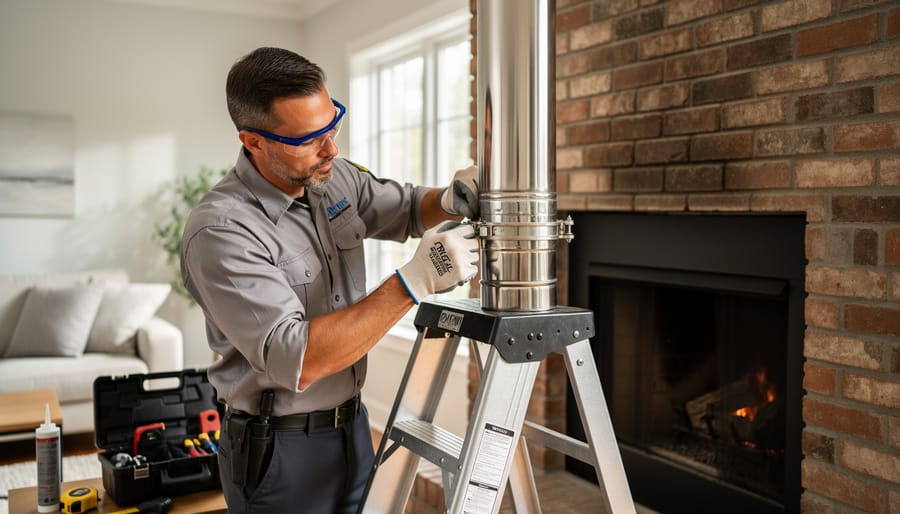
DIY vs. Professional Installation
Installing a 4-inch chimney liner for your pellet stove falls into a gray area between DIY-friendly and professional territory. If you’re comfortable working at heights, have proper safety equipment, and your chimney is straight and accessible, this might be a manageable weekend project. Many homeowners successfully install flexible liners with basic tools and careful attention to manufacturer instructions.
However, several situations absolutely call for professional installation. If your chimney has offsets, bends, or structural issues, a certified technician should handle the job. Complex installations involving rigid liner systems or homes with difficult roof access require expertise you shouldn’t skimp on. Remember, improperly installed liners create serious safety hazards including carbon monoxide leaks and potential fires.
Consider your local building codes too. Some jurisdictions require permitted work and final inspections, which often necessitate licensed professionals. Even if you’re handy, having a certified installer review your work provides invaluable peace of mind. Your family’s safety and your home’s efficiency depend on proper installation, making this one area where professional expertise often proves worth every penny.
Maintaining Your 4 Inch Pellet Stove Liner
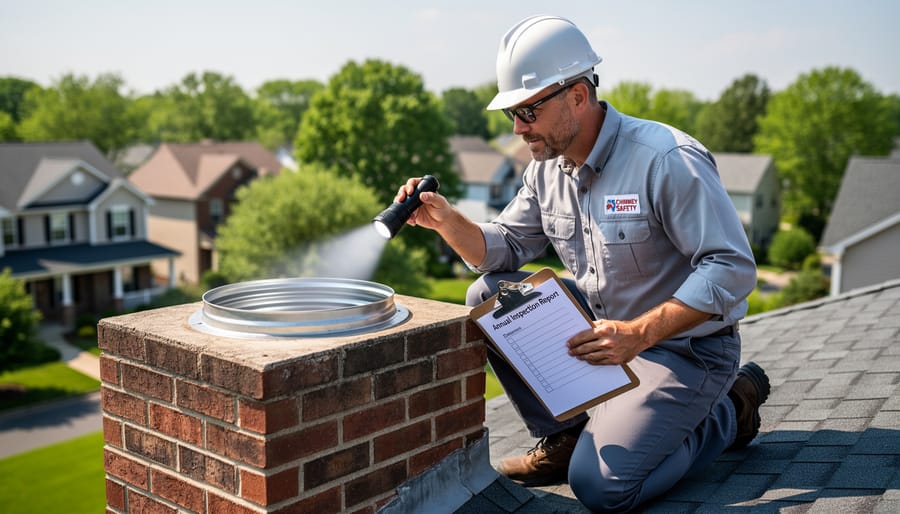
Annual Inspection and Cleaning Schedule
Even though pellet stoves burn cleaner than traditional wood-burning appliances, your 4 inch chimney liner still requires annual attention to keep your home safe and your heating system running efficiently. While pellet fuel produces less creosote buildup, it creates a fine, powdery ash that can accumulate inside your liner and restrict airflow over time.
Schedule a professional inspection each year, ideally before heating season begins. During the inspection, look for signs of corrosion or deterioration, especially at connection points where condensation tends to collect. Check for any blockages from ash buildup, bird nests, or debris. Examine the liner’s integrity throughout its length, watching for cracks, holes, or loose sections that could compromise safety.
Between professional visits, perform visual checks monthly during active use. This eco-friendly heating solution deserves proper care to maintain its efficiency and continue providing that cozy warmth your family enjoys. Regular maintenance not only extends your liner’s lifespan but also ensures optimal performance, keeping heating costs down while maintaining the comforting ambiance that makes your fireplace a centerpiece of home life.
Spotting Warning Signs of Problems
Your pellet stove’s chimney liner works hard to keep your home safe and warm, so staying alert to potential problems is essential. Regular visual inspections can help you catch issues before they become serious safety concerns.
Watch for water stains or white mineral deposits on the exterior of your liner, which signal condensation problems that can lead to corrosion and dangerous buildup. If you notice a decrease in your stove’s performance or weak draft, your liner may be experiencing blockages or deterioration that restricts airflow.
Pay attention to unusual odors, especially musty or smoky smells when your stove isn’t running. These often indicate cracks or gaps allowing combustion gases to escape into your home rather than venting safely outside. Similarly, visible rust, holes, or separated joints demand immediate professional attention.
Don’t ignore excessive creosote accumulation or soot buildup either. While pellet stoves typically produce less creosote than wood-burning systems, abnormal amounts suggest your eco-friendly heating solution isn’t operating efficiently. Addressing these warning signs promptly protects both your investment and your family’s wellbeing, ensuring your pellet stove continues providing reliable, sustainable warmth for years to come.
Cost Considerations and What to Expect
Material and Kit Costs
Understanding the investment in your pellet stove liner helps you budget wisely while ensuring safe, efficient operation. Stainless steel flexible liners typically range from $150 to $400 for a 25-foot section, depending on the grade—with 316Ti offering superior durability for pellet stoves compared to standard 304 stainless steel. Aluminum liners present a more budget-friendly option at $100 to $250, though they’re best suited for lower-temperature applications.
Complete installation kits, which bundle your liner with essential components like a termination cap, adapter, and fasteners, generally cost between $250 and $600. While these kits represent a higher upfront investment, they eliminate the guesswork of purchasing compatible parts separately and often provide better long-term value.
When budgeting, consider that higher-quality materials contribute to your home’s energy efficiency and safety while requiring fewer replacements over time. This eco-conscious approach to heating means investing in durable materials that serve your family for decades, not just seasons.
Professional Installation Fees
Professional installation of a 4-inch pellet stove liner typically ranges from $500 to $1,500, though costs can vary significantly based on your specific situation. Several factors influence this pricing, and understanding them helps you budget appropriately for this important home improvement.
The complexity of your chimney setup plays the largest role in determining cost. A straight, unobstructed chimney requires less labor than one with multiple bends or offsets. Height matters too—a two-story installation naturally costs more than a single-story due to additional materials and labor time. Your location also impacts pricing, as installation rates vary by region and local market conditions.
Many installers include a chimney inspection in their service, which is valuable for identifying potential issues before installation begins. Additional factors affecting price include whether your chimney needs cleaning beforehand, if you’re replacing an existing liner, and whether any masonry repairs are necessary. Some professionals charge extra for removing old liners or installing insulation wrap around your new liner for improved efficiency.
While DIY installation might seem budget-friendly, professional installation ensures proper draft, compliance with building codes, and most importantly, your family’s safety—making it a worthwhile investment in your home’s eco-friendly heating solution.
Choosing the right 4 inch chimney liner for your pellet stove is about more than just finding a product that fits—it’s about creating a heating solution that keeps your family safe while reducing your environmental footprint. The proper liner ensures efficient combustion, prevents dangerous creaks or gaps where creosote and carbon monoxide could escape, and maximizes the performance of your pellet stove for years to come.
As you’ve learned, selecting quality materials, following local building codes, and ensuring proper installation are non-negotiable aspects of this project. While the initial investment in a high-grade stainless steel liner and professional installation might seem significant, it pales in comparison to the peace of mind and long-term savings you’ll enjoy from a system that operates safely and efficiently.
If you’re ever uncertain about sizing, materials, or installation requirements, don’t hesitate to consult with a certified chimney professional or your local building inspector. These experts can assess your specific situation and ensure your pellet stove setup meets all safety standards. Your home’s warmth should never come at the cost of your family’s safety, and the right chimney liner is a cornerstone of responsible, eco-conscious heating.