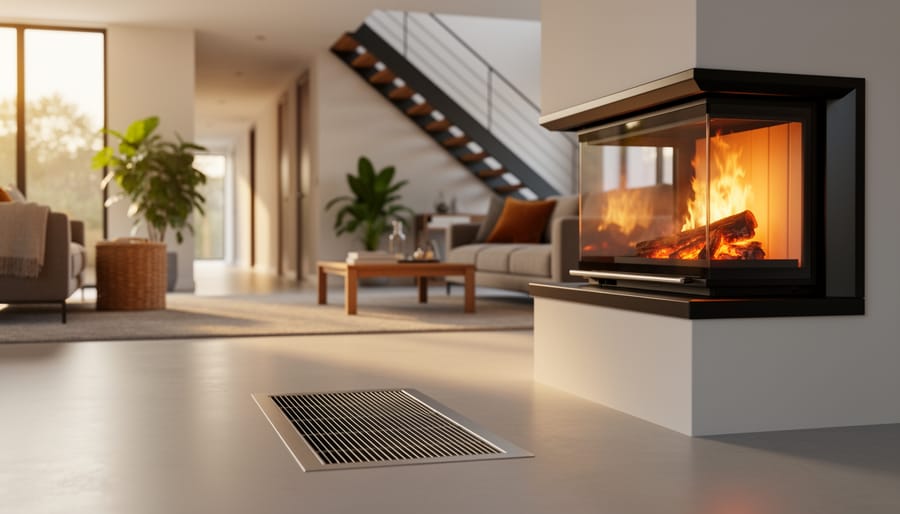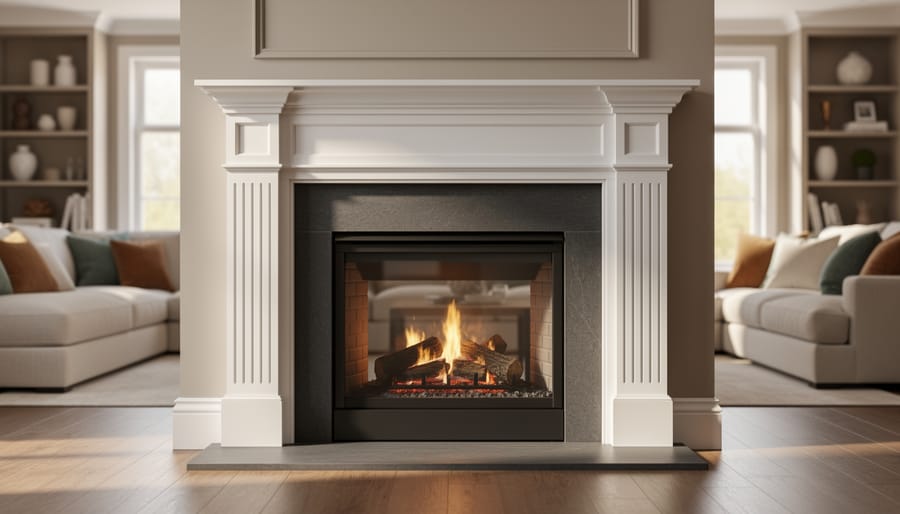
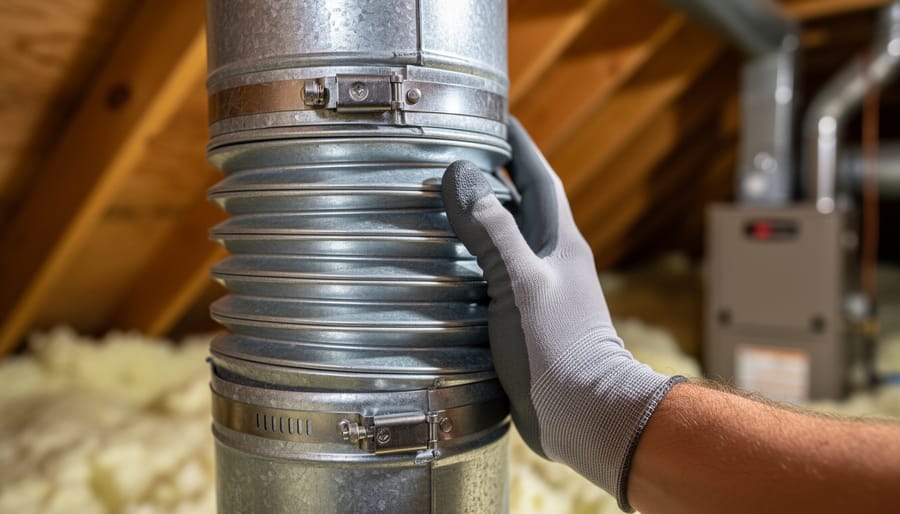


Inspect your ductwork connections where metal sections meet, looking for accordion-style flexible connectors that absorb thermal expansion and vibration—these are expansion joints, and they’re critical for maintaining efficient heat flow throughout your home. When these joints deteriorate or separate, you’ll notice certain rooms staying stubbornly cold while your heating system works overtime, driving up energy bills and reducing comfort.
Check for visible gaps, tears, or disconnections at these flexible sections, particularly in unconditioned spaces like attics, crawlspaces, and basements where temperature fluctuations are most extreme. Run your hand around joints while the system operates to feel for air leaks, or use incense smoke to reveal escaping airflow that’s robbing you of precious warmth.
Seal minor gaps with mastic sealant or high-temperature foil tape rated for HVAC use—never standard duct tape, which degrades quickly under heat cycling. For severely damaged expansion joints, replacement is the only effective solution, ensuring proper sizing to accommodate the duct diameter and expected temperature range your heating system produces.
Balance your system after repairs by adjusting dampers in branch lines, directing more conditioned air to previously underserved rooms. This restoration of proper airflow not only improves comfort but reduces the workload on your heating equipment, whether you’re running a furnace, heat pump, or relying on supplemental heating from a fireplace system.
Understanding these components transforms ductwork from mysterious infrastructure into manageable elements of your home’s heating ecosystem, empowering you to maintain consistent warmth and energy efficiency throughout every season.
What HVAC Duct Expansion Joints Actually Do
The Science Behind Metal Movement
Think about a metal fireplace chimney on a cold winter morning. As your heating system roars to life, that metal begins to warm, and here’s the fascinating part: it actually grows. Metal ductwork connected to your fireplace or furnace behaves exactly the same way.
When metal heats up, its molecules become more energetic and spread apart slightly, causing the material to expand. A 20-foot section of metal duct can grow nearly half an inch when temperatures shift from room temperature to the 140-degree heat flowing through your HVAC system. When the system cools down, the metal contracts back to its original size.
This constant expanding and contracting is like a slow-motion stretching exercise happening inside your walls. Without expansion joints to absorb this movement, your ductwork would be under tremendous stress. Picture trying to fit into jeans that are slightly too small – something’s got to give. In ductwork, that means gaps, cracks, and separated seams that allow your expensive heated air to escape into crawl spaces instead of warming your living room. Understanding this natural metal behavior helps explain why those mysterious cold spots appear in certain rooms while others feel perfectly toasty.
Types of Expansion Joints in Home Heating Systems
When it comes to keeping your home cozy and efficiently heated, understanding the types of expansion joints in your heating system can make a real difference. Think of these components as the flexible connectors that allow your ductwork to breathe as temperatures fluctuate throughout your home.
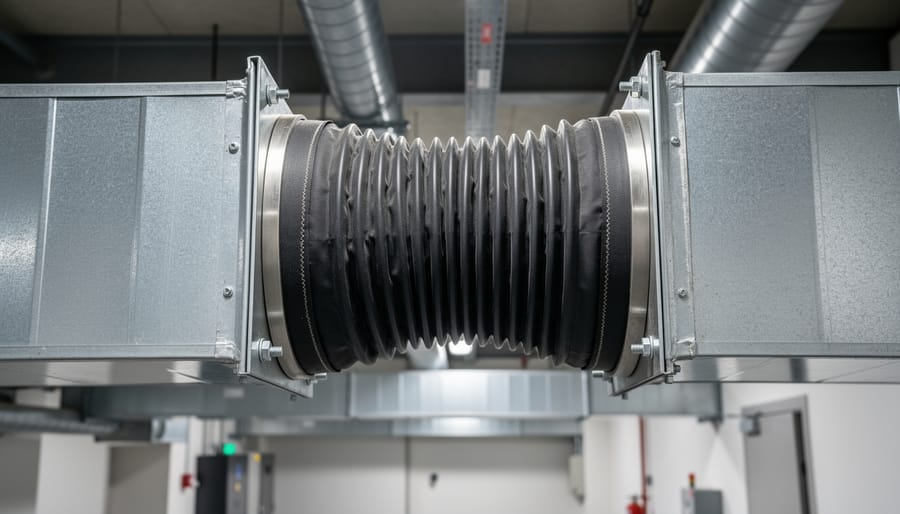
The most common type you’ll find in residential systems is the fabric expansion joint, made from layered materials like fiberglass or silicone-coated fabrics. These flexible connectors excel at handling the temperature swings near furnaces and fireplace inserts, allowing the metal ductwork to expand and contract without cracking or separating.
Metal bellows expansion joints are another option, featuring corrugated stainless steel that compresses and extends with temperature changes. While more durable, they’re typically reserved for commercial applications or high-temperature residential systems.
For homes with wood-burning fireplaces or pellet stoves integrated into their heating systems, rubber expansion joints sometimes appear in lower-temperature zones. These provide vibration dampening alongside thermal flexibility.
Each type serves the same essential purpose: protecting your ductwork from stress while maintaining proper airflow throughout your home. Choosing the right expansion joint depends on your specific heat source and the temperatures your system regularly encounters.
The Hidden Connection Between Expansion Joints and Cold Rooms
How Air Leaks Sabotage Your Heating Efforts
When your heating system works overtime but certain rooms remain stubbornly chilly, the culprit might be hiding in plain sight within your ductwork. Expansion joints, those flexible connectors between rigid duct sections, are designed to accommodate the natural movement of your HVAC system as it heats and cools. But when these joints deteriorate or weren’t properly sealed from the start, they become invisible thieves stealing your precious warm air.
Think of your duct system as a network of highways delivering warmth throughout your home. Compromised expansion joints create exit ramps where none should exist, allowing heated air to escape into attics, crawl spaces, and wall cavities instead of reaching its intended destination. This explains those uneven heating problems where your master bedroom feels arctic while the living room swelters.
The energy waste goes beyond comfort. Your furnace runs longer cycles trying to compensate for the lost air, burning through fuel and driving up utility bills. Meanwhile, rooms farthest from your heating system suffer most since the air meant for them leaked out miles earlier in the duct journey.
These leaks also create pressure imbalances that affect your entire HVAC system’s efficiency. When paired with eco-friendly heating solutions like a high-efficiency fireplace or heat pump, addressing expansion joint leaks becomes even more critical to maximize your investment in sustainable comfort.
Signs Your Expansion Joints Need Attention
Your HVAC system often tells you when something’s wrong, and expansion joints are no exception. If you’re noticing unusual popping, creaking, or banging sounds when your heating kicks on or shuts down, that’s your first clue that joints may be deteriorating or improperly installed. Visual inspection reveals even more: look for visible gaps where ductwork connects, torn or frayed fabric on flexible joints, or separation between metal sections.
Inside your home, dusty rooms despite regular cleaning suggest air is escaping through compromised joints, carrying particles with it. You might also feel temperature inconsistencies, with some rooms staying stubbornly cold while others overheat. Perhaps the most unwelcome sign appears on your energy bills. When expansion joints fail, your heating system works overtime to compensate for lost air, driving up costs unnecessarily.
Don’t ignore these warnings. Much like maintaining your fireplace for optimal warmth and efficiency, keeping expansion joints in good condition ensures your whole-home heating system operates as intended. Early attention to these symptoms prevents minor issues from becoming expensive repairs, keeping your household comfortable and your energy use responsible throughout the heating season.
Sealing Expansion Joints Without Destroying Their Purpose
Materials That Work (And Those That Don’t)
When it comes to sealing HVAC expansion joints, using the right materials makes all the difference between a long-lasting fix and a repair that fails within months. Let’s talk about what actually works in these high-temperature environments.
Standard gray duct tape might seem like the obvious choice, but here’s the truth: it’s completely unsuitable for expansion joints. The heat cycling in your ductwork causes the adhesive to dry out and lose its grip, while the backing material becomes brittle and cracks. Within weeks, you’ll likely see peeling edges and air leaks returning.
Instead, look for high-temperature foil tape rated for at least 250°F. These metallic tapes feature heat-resistant adhesive that maintains its bond through temperature fluctuations. Brands like 3M’s aluminum foil tape or Nashua’s 324A are excellent choices that professional HVAC technicians rely on.
For flexible sealing, high-temperature silicone or mastic sealants outperform regular caulk dramatically. Red RTV silicone withstands temperatures up to 500°F and remains flexible, allowing the expansion joint to move as designed while maintaining an airtight seal. Water-based duct mastic is another eco-friendly option that brushes on easily and creates a durable, flexible barrier.
When selecting materials, always check the temperature rating matches your system’s requirements. Furnace ducts typically reach 150-200°F, but areas near the heat source can get hotter. Investing in quality materials upfront saves you from repeated repairs and ensures your heating system distributes warmth efficiently throughout your home, keeping everyone comfortable while minimizing energy waste.
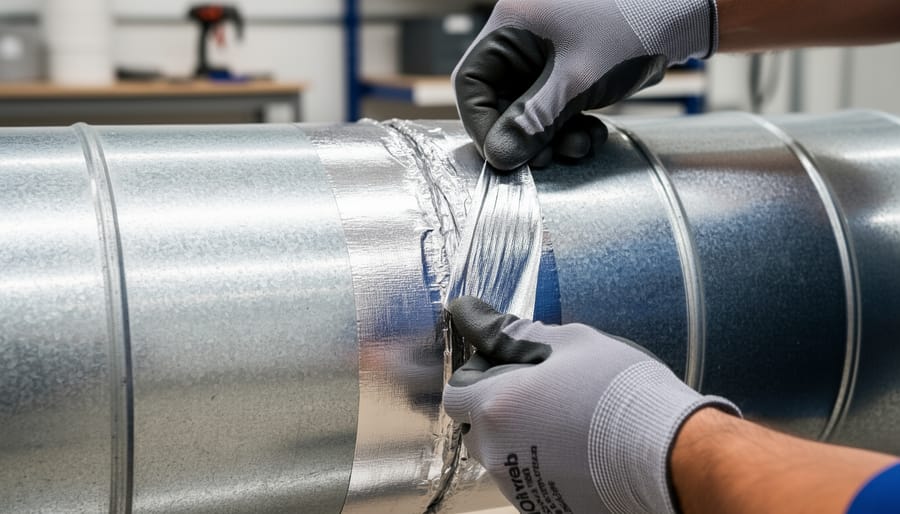
DIY Sealing Process for Homeowners
Before you grab your tools, let’s talk about what you can safely tackle yourself and when it’s time to call in the pros. Inspecting your HVAC duct expansion joints is something most homeowners can handle with a little confidence and the right approach.
Start by turning off your HVAC system completely—safety always comes first. Grab a flashlight and carefully examine any visible expansion joints in your ductwork, typically found near your furnace or where ducts change direction. Look for gaps, tears in the fabric, or signs of separation. If you spot minor gaps (less than a quarter-inch), you can use high-temperature mastic sealant or metal-backed foil tape specifically designed for HVAC systems. Regular duct tape won’t cut it here—it degrades quickly under temperature changes.
When applying sealant, work in a well-ventilated area and wear gloves. Clean the surface first, removing any dust or debris, then apply the mastic evenly across the gap. For small tears in fabric joints, HVAC-approved tape can provide a temporary fix.
However, some situations demand professional expertise. If you discover large separations, damaged metal components, or joints near gas lines, stop and call a qualified HVAC technician. Similarly, if expansion joints are located in hard-to-reach areas like crawl spaces or attics with limited clearance, professional help ensures both safety and proper repair. Remember, your home’s heating efficiency and your family’s comfort are worth the investment in expert service when the job exceeds DIY capabilities.
Balancing Your System After Sealing
Simple Balancing Techniques You Can Try
Getting your home’s temperature balanced doesn’t always require professional help. Start by adjusting your dampers, which are levers found on the ductwork itself. In rooms that run too warm, partially close the damper to redirect airflow elsewhere. For cooler spaces, open dampers fully to maximize heat delivery.
Next, fine-tune your registers, those grilles covering your floor or wall vents. Partially closing registers in overheated rooms while keeping them wide open in cooler areas helps redistribute warmth more evenly. This simple technique works wonderfully when you have a fireplace providing supplemental heat in one room, preventing that space from becoming uncomfortably hot while the rest of your home stays chilly.
Remember to improve air circulation throughout your home using fans or other methods. This helps blend the ambient heat from your fireplace or wood stove with your HVAC system’s output, creating a more consistent temperature from room to room. Make small adjustments gradually, waiting a day or two between changes to assess their impact. Keep notes about which settings work best during different seasons, creating your own personalized comfort map for efficient, eco-friendly heating year-round.
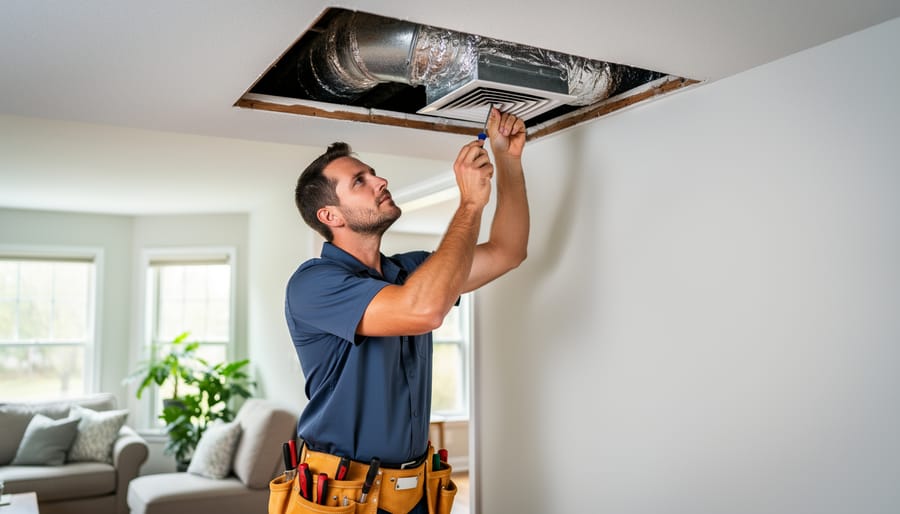
When Professional Balancing Makes Sense
Sometimes, despite your best DIY efforts, your home’s heating system needs expert attention. If you’ve sealed expansion joints and addressed visible ductwork issues but still experience significant temperature differences between rooms, it’s time to consider professional help. A qualified HVAC technician has specialized equipment to measure airflow, detect hidden leaks, and perform comprehensive duct balancing that goes beyond surface-level fixes.
Professional balancing makes particular sense if your home features complex ductwork, multiple heating zones, or if you’ve recently added rooms or renovated. These experts can identify issues with expansion joints that aren’t functioning properly, adjust dampers throughout your system, and ensure your heating investment delivers the comfort your family deserves. Think of it as an investment in your home’s overall warmth and efficiency, much like choosing the right fireplace for your living space. The result is more consistent temperatures, lower energy bills, and a cozier home environment that welcomes you in every room.
Special Considerations for Fireplace-Connected Systems
If your fireplace connects directly to your HVAC system, you’re enjoying one of the most efficient ways to spread that cozy warmth throughout your home. However, this integration brings some special expansion joint considerations that deserve your attention.
Fireplace-connected ductwork faces significantly higher temperatures than standard HVAC systems. While a typical furnace might heat air to around 120-140°F, fireplace-connected ducts can experience temperatures exceeding 200°F or more, especially near the firebox. This intense heat causes more dramatic expansion and contraction cycles, putting extra stress on your expansion joints.
The proximity to direct flame exposure creates another challenge. Traditional fabric expansion joints may not withstand these conditions, potentially leading to premature degradation or even safety hazards. For these high-temperature zones, you’ll need specialized expansion joints rated for elevated temperatures, often constructed with metallic materials or high-temperature silicone compounds designed specifically for fireplace applications.
Pay particular attention to the first few feet of ductwork leaving your fireplace. This is where temperatures peak and expansion is most pronounced. Installing properly rated expansion joints here prevents not only comfort problems but also potential fireplace airflow issues that could affect both heating efficiency and indoor air quality.
Consider this an investment in both safety and sustainability. Well-maintained expansion joints in fireplace systems ensure efficient heat distribution, reducing your reliance on fossil fuel-based heating alternatives. They also prevent air leaks that waste the renewable energy your wood or pellet fireplace produces.
Annual inspection becomes even more critical with fireplace-connected systems. Check expansion joints before each heating season, looking for signs of heat damage, brittleness, or separation that could compromise your system’s performance and your home’s comfort.
Maintaining Expansion Joints for Long-Term Comfort
Just like your favorite fireplace needs periodic care to burn efficiently, your HVAC expansion joints deserve attention to keep your home heating system running smoothly for years to come. Think of it as giving your ductwork the TLC it needs to maintain even, comfortable warmth throughout every season.
Start by incorporating expansion joint checks into your regular maintenance routine, ideally twice yearly—once before heating season and again before cooling begins. During these inspections, look for visible wear, cracks, or separation in the joint material. Listen for unusual whistling or rattling sounds when your system runs, which often signal deteriorating joints.
Keep the area around expansion joints clean and unobstructed. Dust and debris can settle into the flexible fabric, accelerating wear and reducing efficiency. A gentle vacuum with a soft brush attachment works wonders for removing buildup without damaging the joint material.
If you notice any issues early, addressing them promptly prevents small problems from becoming costly repairs. Small tears can often be patched, while completely worn joints need replacement to maintain your system’s eco-friendly efficiency.
Consider scheduling an annual professional inspection as well. HVAC technicians can spot subtle degradation you might miss and ensure your expansion joints—along with your entire duct system—support optimal energy efficiency. This proactive approach not only extends the life of your heating system but also reduces energy waste, keeping both your home comfortable and your environmental footprint smaller.
Taking care of your HVAC duct expansion joints might seem like a small technical detail, but it plays a surprisingly big role in creating the warm, comfortable home you deserve. When these flexible connectors work properly, they help ensure that heated air flows smoothly and evenly throughout every room, eliminating those frustrating cold spots that make parts of your house feel less inviting. Think of it as part of your home’s overall heating ecosystem, working alongside your fireplace and other heating sources to create that cozy atmosphere you’re after. Now that you understand what expansion joints do and why they matter, you can approach maintenance or repairs with confidence. Whether you tackle simple inspections yourself or call in a professional for more complex issues, you’re making a smart investment in your home’s comfort and energy efficiency. Your family will appreciate the difference when every corner of your living space feels just right.