

Upgrade your existing fireplace with a high-efficiency insert to reclaim up to 80% of heat that typically escapes through traditional open fireplaces, potentially cutting your heating costs by $500 or more annually. Install a programmable thermostat and zone heating strategy that keeps your main living areas at comfortable temperatures while reducing heat to unused spaces—fireplaces excel at this approach by warming the rooms you actually occupy. Seal air leaks around windows, doors, and ductwork before considering expensive equipment upgrades; this simple weatherization work can reduce heating bills by 15-20% and makes any heating system perform better. Switch to EPA-certified wood stoves or gas fireplace inserts that meet modern efficiency standards, delivering more warmth per BTU while producing fewer emissions than older models. Layer your heating approach by using your central system as a baseline and supplementing with zone-specific fireplace heat during peak usage times, creating comfort where you need it without heating your entire home constantly. Proper insulation in attics and crawl spaces works synergistically with efficient fireplaces, trapping the warmth you generate and preventing it from bleeding through your home’s envelope into the winter air outside.
Why Your Current Heating System Is Costing You More Than It Should
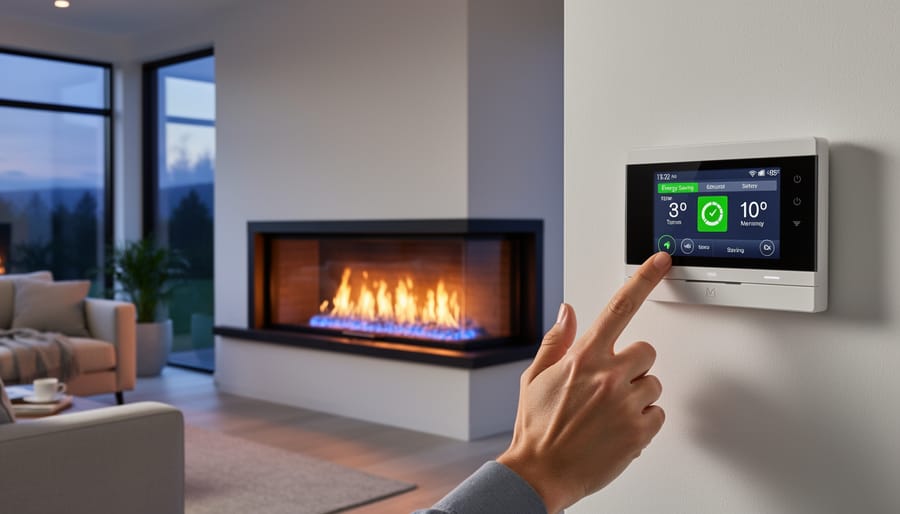
The Hidden Energy Drains in Every Home
Before you invest in efficient heating solutions, it’s worth identifying where your home is bleeding warmth and wasting money. Many homeowners don’t realize they’re fighting an uphill battle against invisible energy thieves.
Drafty windows and doors are among the worst offenders, allowing precious heated air to escape while inviting cold drafts inside. Even small gaps around window frames can waste up to 30% of your heating energy. Poor insulation in attics, walls, and basements creates similar problems, forcing your heating system to work overtime just to maintain comfort.
Your heating habits matter too. Cranking the thermostat when you’re cold creates temperature swings that waste energy, while heating unused rooms throws money out the window. Many people also overlook their fireplace damper, leaving it open when not in use and creating a direct chimney for warm air to escape.
Old, inefficient heating systems compound these issues, consuming excessive energy while delivering inconsistent warmth. The good news? Addressing these hidden drains makes any heating upgrade, including modern eco-friendly fireplaces, significantly more effective. Think of it as preparing your home’s foundation before building your efficient heating strategy.
How Modern Fireplaces Changed the Efficiency Game
Traditional wood-burning fireplaces might create a cozy ambiance, but they’re notoriously inefficient—losing up to 90% of their heat straight up the chimney while actually pulling warm air out of your home. It’s a hard truth that these charming fixtures often make your heating bills worse, not better.
The good news? Today’s fireplace technology has completely revolutionized the efficiency game. Modern gas fireplaces with sealed combustion systems can achieve efficiency ratings between 70-85%, meaning the vast majority of heat stays in your home where it belongs. These systems draw air from outside for combustion rather than pulling your already-heated indoor air up the flue.
Electric fireplaces have also joined the conversation as 100% efficient zone heating solutions—every bit of energy consumed converts directly to heat in your living space. While they won’t heat an entire home, they excel at warming the rooms you actually use.
Even if you love the authenticity of wood-burning fires, modern EPA-certified inserts can transform your old fireplace into an efficient heating source, achieving 70-80% efficiency while dramatically reducing emissions. These inserts essentially turn your fireplace into a contained, controlled heating appliance that circulates warmth throughout your room rather than sending it skyward. This evolution represents a genuine game-changer for homeowners seeking both ambiance and real heating performance.
The Most Efficient Fireplace Options for Real-World Heating
Gas Fireplaces: The Set-It-and-Forget-It Solution
Gas fireplaces offer remarkable convenience for today’s busy homeowners, delivering consistent warmth at the touch of a button—no wood splitting required. Modern units boast efficiency ratings between 70-85%, meaning most of the fuel you pay for actually heats your home rather than escaping up the chimney.
The real magic lies in zone heating capabilities. Instead of cranking up your central heating system to warm your entire house, you can heat the rooms you actually use. Place a gas fireplace in your family room or primary bedroom, and you’ll reduce thermostat settings elsewhere, potentially cutting heating bills by 20-30% during peak winter months.
Vented models draw combustion air from outside and exhaust through a chimney or direct vent, offering maximum safety and efficiency. Ventless options provide flexibility in placement and claim 99% efficiency since no heat escapes outdoors, though they require adequate room ventilation and aren’t legal everywhere.
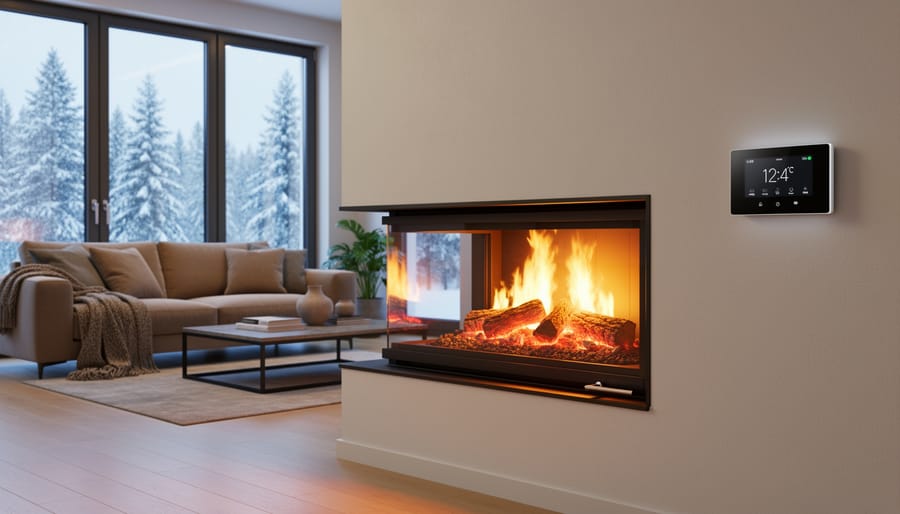
Programmable thermostat controls transform these units into true heating solutions. Set schedules that align with your lifestyle—warm mornings before you wake and cozy evenings when the family gathers. Many modern systems integrate with smart home technology for remote control convenience.
For families concerned about safety, exploring child-safe fireplace installation options ensures both efficiency and peace of mind. The combination of reliable heat output, minimal maintenance, and eco-friendly operation makes gas fireplaces an increasingly popular choice for sustainable home comfort.
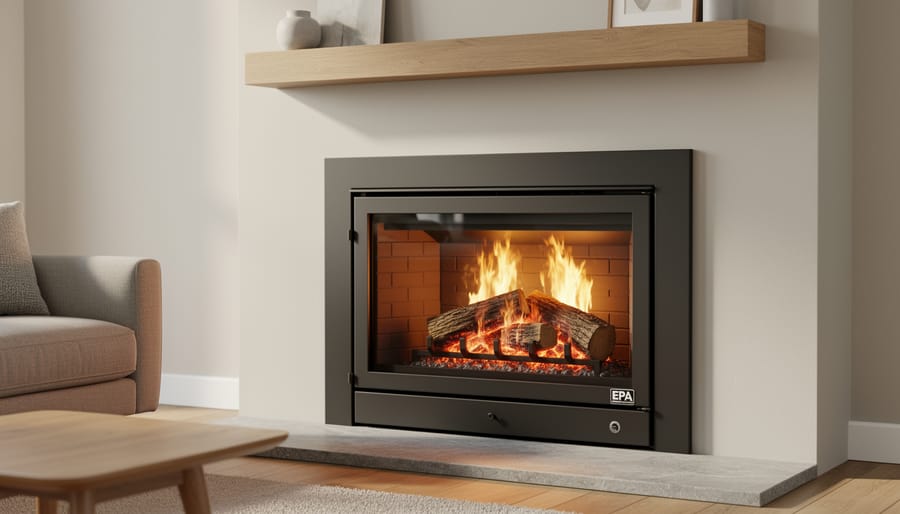
High-Efficiency Wood-Burning Inserts That Actually Heat Your Home
If you’ve got an old masonry fireplace that looks charming but barely warms the room, a wood-burning insert can completely transform its heating capability. These aren’t your grandmother’s fireboxes—EPA-certified inserts are engineered to squeeze maximum heat from every log while dramatically reducing smoke and emissions.
The technology centers on two combustion approaches. Catalytic inserts use a ceramic honeycomb component that ignites smoke and gases at lower temperatures, delivering longer, steadier burns and exceptional efficiency. Non-catalytic models rely on engineered airflow and insulated fireboxes to achieve secondary combustion, burning those gases without the catalyst. Both work beautifully, but catalytic units typically edge out slightly higher efficiency numbers while requiring periodic catalyst replacement.
Heat output ratings, measured in BTUs, tell you what square footage an insert can realistically warm. Most quality inserts range from 30,000 to 80,000 BTUs, heating anywhere from 1,000 to 3,000 square feet depending on your home’s layout and insulation. Unlike decorative fireplaces or zero clearance fireplaces designed primarily for ambiance, inserts feature blowers that actively circulate heated air into your living space.
The transformation is remarkable. That drafty fireplace that once pulled more heat out than it provided becomes a legitimate heating appliance, often reducing your reliance on central heating and cutting monthly energy bills substantially.
Bioethanol and Electric: The Eco-Friendly Alternatives
For homeowners seeking guilt-free warmth with minimal environmental impact, bioethanol and electric fireplaces offer compelling alternatives to traditional wood-burning options. These modern solutions shine in specific situations, though it’s important to understand their capabilities realistically.
Bioethanol fireplaces burn clean, producing no smoke, ash, or harmful emissions—just carbon dioxide and water vapor. They’re perfect for apartments, condos, or homes without chimneys, offering genuine flames without installation hassles. The dancing flames create authentic ambiance that makes them wonderful supplemental heat sources for small to medium rooms. However, their heating output typically ranges from 2,000 to 3,000 BTUs per hour, making them best suited for zones up to 300 square feet or as accent heating in larger spaces.
Electric fireplaces have evolved dramatically beyond their old-fashioned predecessors. Today’s models deliver impressive heat output—up to 5,000 BTUs—with near-perfect efficiency since all electricity converts directly to heat. They’re incredibly cost-effective to operate, averaging just pennies per hour, and offer unmatched convenience with thermostatic controls and remote operation. The flame effects, while simulated, have become remarkably realistic.
The environmental benefits are significant. Both options eliminate particulate emissions entirely, and electric fireplaces can be powered by renewable energy sources, making them genuinely carbon-neutral when paired with solar panels or green energy plans.
Set realistic expectations: these are supplemental heating solutions that excel at creating ambiance while taking the chill off specific rooms. They won’t replace your central heating system, but they’ll reduce reliance on it, lowering your overall carbon footprint while maintaining the cozy atmosphere that makes a house feel like home.
Smart Features That Multiply Your Heating Efficiency
Thermostats and Remote Controls That Save Money While You Sleep
Your heating system doesn’t need to work at full capacity while you’re tucked under the covers. Modern thermostats are game-changers for reducing energy waste, especially when paired with efficient heating sources like updated fireplaces and zone heating approaches.
Programmable thermostats let you automatically lower temperatures during sleep hours—typically dropping 7-10 degrees can save up to 10% annually on heating costs without affecting your comfort. Set your system to warm up about 30 minutes before you wake, so you’re greeted by cozy mornings rather than chilly ones.
Smart thermostats take this further by learning your routines and adjusting automatically. They can detect when rooms are unoccupied and redirect heat accordingly, which works beautifully when you’re using zone heating strategies. For instance, keep your living area with a fireplace warmer during evening hours while letting bedrooms stay cooler until needed.
Remote controls and smartphone apps mean you can adjust temperatures from anywhere—perfect for unexpected schedule changes or those times you forget to turn things down before leaving. This prevents your system from heating an empty home all day.
The key is consistency. Program your settings once and let automation handle the heavy lifting. You’ll sleep soundly knowing you’re not literally burning money overnight.
Blowers, Fans, and Heat Distribution Systems
Getting warm air to circulate effectively throughout your home can dramatically improve your heating efficiency and comfort. Even the most efficient fireplace or heating system won’t perform well if the warmth stays trapped in one room.
Built-in blower systems are game-changers for modern fireplaces and inserts. These quiet fans push heated air into your living space rather than letting it rise straight up the chimney. Many homeowners report cutting their heating costs by 20-30% simply by adding a blower to their existing fireplace. When shopping for a new unit, look for models with variable-speed settings so you can adjust airflow based on your needs.
Ceiling fans aren’t just for summer cooling. Running them on reverse (clockwise) at low speed gently pushes warm air down from the ceiling where it naturally collects. This simple trick helps maintain even temperatures throughout the room without creating uncomfortable drafts.
Strategic doorway placement and open floor plans naturally support heat distribution, but even in older homes with separated rooms, you can improve airflow. Keep interior doors open when heating, and consider adding return air vents or transfer grills to encourage circulation. For multi-story homes, opening stairway doors allows warm air to rise naturally to upper floors.
Small adjustments to how air moves through your home can mean the difference between one cozy room and whole-house comfort.
Variable Flame Technology and Modulating Burners
Gone are the days when your gas fireplace operated at only full blast or completely off. Modern variable flame technology has transformed how we experience fireplace heating, bringing a level of intelligence that saves you money while keeping your home perfectly comfortable.
Think of modulating burners as the cruise control for your fireplace. These smart systems continuously monitor your home’s temperature and automatically adjust the flame height and heat output to maintain your desired comfort level. Rather than cycling on and off like older models—which wastes energy and creates uncomfortable temperature swings—modulating burners fine-tune their performance throughout the day.
The benefits extend beyond comfort. By operating at lower outputs when less heat is needed, these systems can reduce your gas consumption by 25-40% compared to traditional single-stage burners. You’re not overheating rooms or throwing energy up the chimney during milder weather.
This technology also extends the life of your fireplace components since they’re not constantly starting and stopping under maximum stress. For homeowners seeking eco-friendly heating solutions that don’t sacrifice ambiance, variable flame technology represents the sweet spot where efficiency meets lifestyle. You’ll enjoy consistent warmth, lower utility bills, and reduced environmental impact—all while maintaining that beautiful, dancing flame that makes a fireplace so inviting.
Zone Heating: The Strategy That Slashes Bills Without Sacrifice
How to Set Up Your Home for Zone Heating Success
Zone heating works best when you’re strategic about which rooms receive the most warmth. Start by mapping out where your family actually spends time. Most households cluster in two or three main areas—typically the living room, kitchen, and perhaps a home office or bedroom.
Once you’ve identified these primary zones, you can reduce your central heating thermostat by 3-5 degrees and let your fireplace shoulder the heating load in your most-used space. This simple adjustment can slash your heating bills by 20-30% while keeping you just as comfortable.
Position your fireplace heating thoughtfully. If your fireplace sits in your main living area, you’re already set up for success. Open doorways between adjacent rooms allow radiant heat to flow naturally, extending your fireplace’s warming reach. For homes with fireplaces in less-central locations, consider using ceiling fans on low (running clockwise in winter) to circulate warm air throughout connected spaces.
Close vents and doors to rarely-used rooms—guest bedrooms, formal dining rooms, and storage areas don’t need to stay toasty. This concentrates heat where it matters and prevents your central system from working overtime heating empty spaces. Think of it as creating a cozy cocoon around your daily living patterns rather than heating your entire home uniformly.
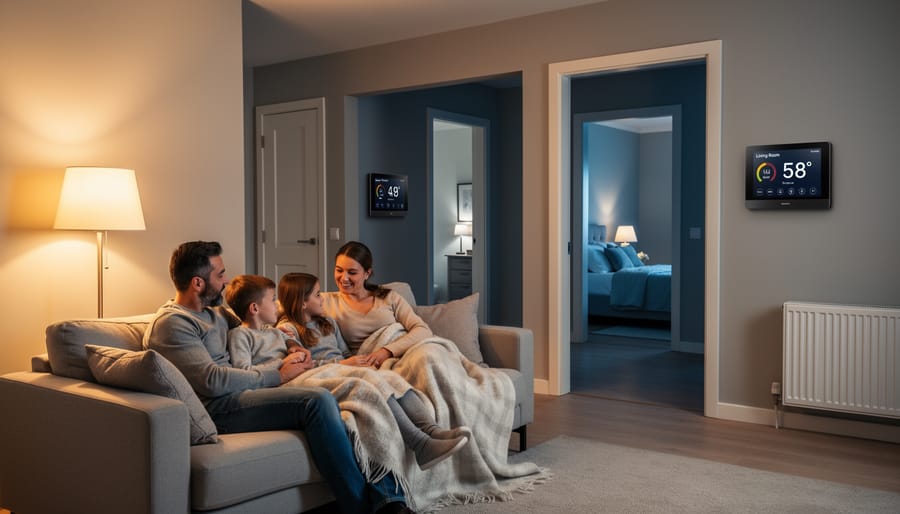
Combining Your Fireplace With Central Heating
The secret to maximizing your heating efficiency often lies in using your fireplace and central heating system together strategically, rather than choosing one or the other. During mild fall or spring evenings, your fireplace can handle the entire heating load in main living areas, allowing you to set your thermostat to a lower temperature or turn it off completely. This approach targets warmth exactly where your family gathers, eliminating the waste of heating empty bedrooms and unused spaces.
For optimal results, establish zone-based heating patterns. When you’re enjoying an evening in the living room, let your fireplace do the heavy lifting while setting your central heating to 62-65°F instead of the typical 68-72°F. Modern programmable thermostats make this approach effortless, automatically adjusting based on your schedule.
During harsh winter conditions, both systems working together create the most comfortable and cost-effective solution. Your central heating maintains baseline warmth throughout the home, preventing frozen pipes and eliminating cold spots, while your fireplace provides supplemental heat in high-traffic areas. This complementary strategy typically reduces central heating runtime by 25-40%, translating to noticeable savings on monthly bills.
Consider connecting fireplaces with boilers for homes with hydronic heating systems, creating an integrated approach that maximizes efficiency while maintaining consistent comfort throughout your entire home.
Maintenance Habits That Keep Efficiency High Year After Year
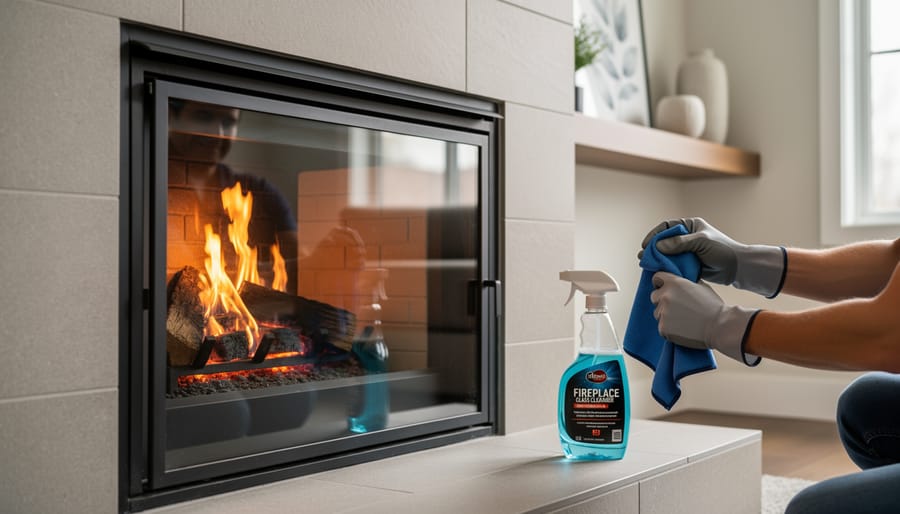
The Monthly 10-Minute Check That Prevents Thousands in Waste
Set aside just ten minutes each month for a simple inspection routine that can save you hundreds—even thousands—in heating costs. Start by checking your fireplace glass. A cloudy film reduces radiant heat transfer by up to 30%, so give it a thorough cleaning. Next, examine your fireplace glass doors and seals for gaps or worn gaskets that let warm air escape up the chimney. Walk around your home checking that furniture, curtains, or holiday decorations haven’t blocked heating vents, which forces your system to work harder. Peek at your air filter—a clogged one restricts airflow and drives up energy use. Finally, look for drafts around windows and doors using the simple candle test. These quick checks catch small problems before they become expensive ones, keeping your home cozy and your heating system running at peak efficiency all season long.
Annual Professional Service: What’s Actually Worth Paying For
Think of annual professional service like changing your car’s oil—it’s not optional if you want things to last. For gas fireplaces and furnaces, yearly inspections catch carbon monoxide risks and efficiency problems before they balloon into expensive repairs. A qualified technician will clean burners, check ventilation, and ensure everything’s burning cleanly, which directly impacts your heating bills.
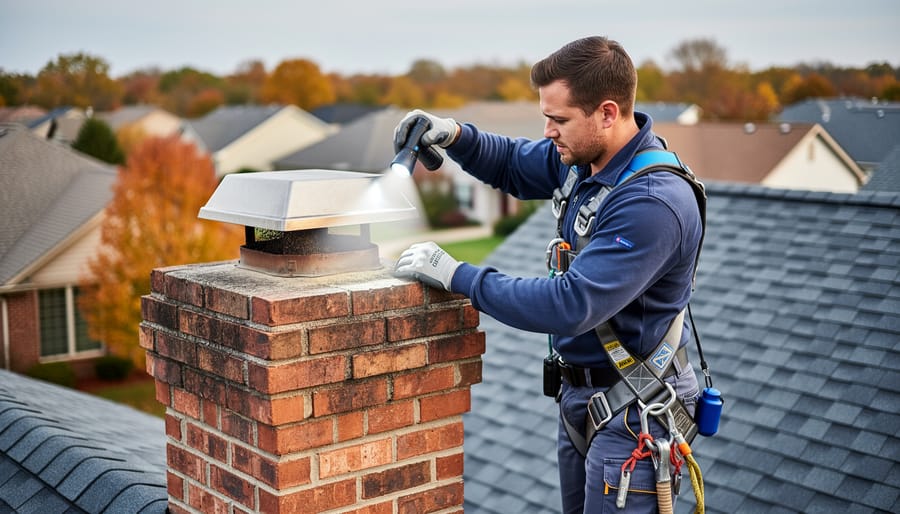
Wood-burning systems need chimney sweeping at least annually to prevent dangerous creosote buildup and maintain proper draft. This isn’t just safety theater—blocked chimneys waste heat and create fire hazards.
What’s actually worth the investment? Essential services include gas leak detection, carbon monoxide testing, and cleaning components that affect combustion efficiency. Optional add-ons like cosmetic touch-ups can usually wait.
Here’s the thing: a well-maintained heating system runs 15-20% more efficiently than a neglected one. That annual service call typically pays for itself through lower energy bills and prevents the nightmare scenario of your system failing during the coldest week of winter. Professional maintenance protects both your family’s safety and your long-term heating investment.
Making the Numbers Work: Real Costs and Savings
Let’s talk real numbers, because making smart heating decisions means understanding what you’ll actually spend and save.
A high-efficiency gas fireplace insert typically runs between $3,000 and $6,000 installed, depending on size and features. Yes, that’s a significant upfront investment, but here’s where it gets interesting. If you’re currently heating a 1,500 square foot home primarily with electric baseboard heaters, switching to zone heating with a gas fireplace can slash your monthly bills by $100 to $200 during winter months. That means you’re looking at a payback period of roughly 3-5 years, after which those savings go straight to your pocket.
For those considering gas fireplace installation, factor in annual maintenance costs of around $100-150 for professional inspections to keep everything running safely and efficiently.
Electric fireplaces offer a gentler entry point at $500 to $2,500, with zero installation complexity if you’re going with a plug-in model. While they won’t heat large spaces as effectively, they’re perfect for supplemental warmth in frequently used rooms. Operating costs run about $0.15 per hour at current electricity rates, making them economical for targeted heating.
Wood-burning options present a different equation. A quality EPA-certified wood stove costs $2,000 to $4,000 plus installation, but if you have access to affordable firewood, your fuel costs can drop dramatically. Budget $300-500 annually if purchasing seasoned wood, or invest sweat equity if you’re sourcing your own.
Pellet stoves fall somewhere in the middle at $2,500-5,000 installed, with pellet costs averaging $250 per ton. Most homes use 2-3 tons per heating season.
The honest truth? Your specific savings depend on your current heating system, home size, insulation quality, and local fuel costs. Request quotes from multiple installers, compare your current utility bills, and calculate realistic usage patterns. The most efficient system is one you’ll actually use consistently, creating comfortable warmth without financial stress.
Creating an efficiently heated home isn’t about bundling up indoors or sacrificing comfort—it’s simply about making smarter, more intentional choices. By combining the right fireplace technology with proper insulation, smart thermostats, and strategic heating zones, you can dramatically reduce your energy bills while keeping every room cozy and inviting. The beauty of modern efficient heating is that it enhances your lifestyle rather than limiting it. Imagine gathering around a crackling fire that’s actually reducing your heating costs, or programming your home to be perfectly warm when you arrive without wasting energy all day.
Your first step can be as simple as scheduling an energy audit to identify where you’re losing heat, or researching which fireplace solution best fits your home’s layout and your heating goals. Remember, efficient heating is an investment that pays dividends in lower bills, improved comfort, and reduced environmental impact. Every upgrade you make brings you closer to a home that’s not just warm, but sustainably and beautifully heated. Start with one change today, and you’ll wonder why you didn’t embrace efficient heating sooner.