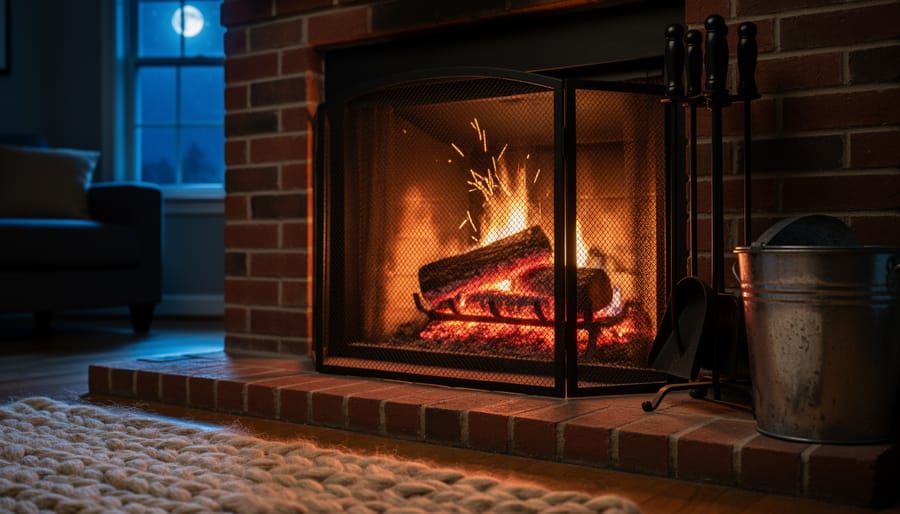


No, you should never leave a wood burning fireplace unattended overnight. While the crackling flames create an inviting atmosphere, an active fire poses serious risks including chimney fires, carbon monoxide buildup, and sparks escaping onto your floor or furnishings. The question isn’t whether you want overnight warmth—it’s how to achieve it safely.
The reality is that wood fires require constant supervision. As logs burn down, they shift and roll, potentially sending embers beyond your fireplace screen. Creosote buildup in your chimney can ignite when temperatures spike during overnight burns, creating a dangerous situation while you sleep. Even with modern safety features, an unmonitored fire creates unnecessary risk for you and your family.
However, wanting to extend your fire’s warmth into the evening hours is completely understandable. The good news is that proper fire banking techniques allow you to safely maintain heat without active flames. This age-old method involves arranging hot coals and covering them with ash to create a slow-burning ember bed that can be rekindled the next morning.
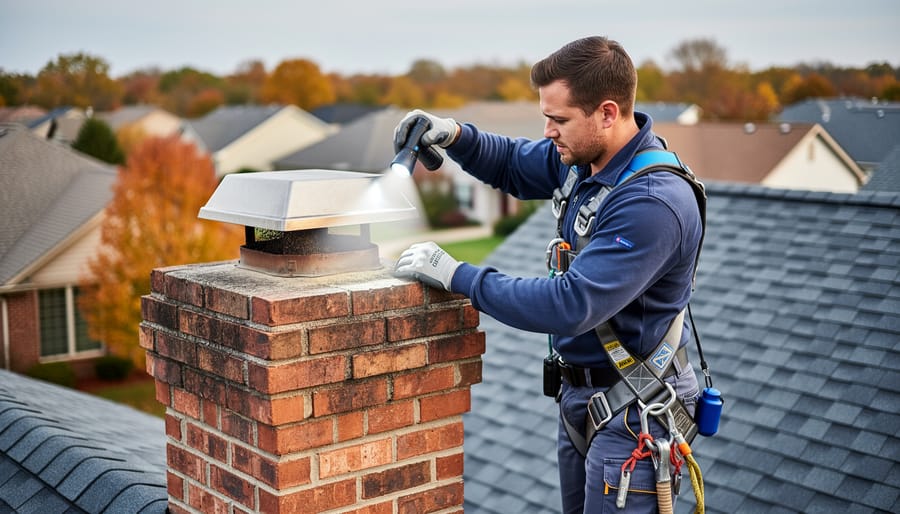
Before considering any extended burn, your fireplace must be properly maintained and your chimney professionally inspected. Understanding both the limitations and capabilities of your wood burning system ensures you can enjoy cozy winter evenings without compromising your home’s safety. Let’s explore how to maximize your fireplace’s warmth while keeping your household protected throughout the night.
The Real Dangers of Overnight Fires
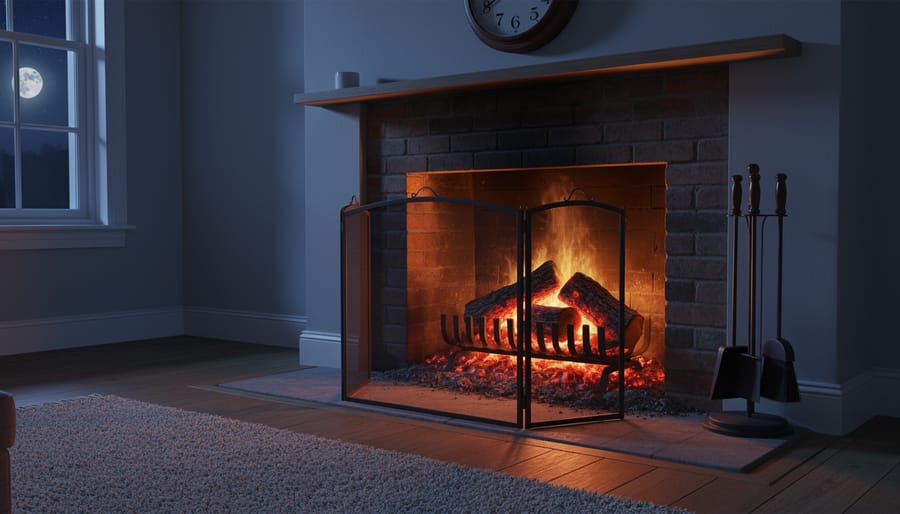
What Happens When You’re Asleep
When you drift off to sleep, your wood-burning fireplace doesn’t settle down for the night like you do. In fact, fires have a mind of their own, and that’s precisely what makes leaving them unattended so risky.
As wood continues to burn and break down, logs can shift unexpectedly. A seemingly stable stack might collapse hours into the night, sending burning pieces rolling toward your hearth edge or beyond the protective screen. These sudden movements happen as the wood’s structure weakens from the intense heat, and without anyone awake to notice and respond, a rolled log could quickly become a house fire.
Embers are equally unpredictable overnight companions. These glowing fragments can pop and fly several feet from the firebox, especially when pockets of moisture or sap heat up inside the wood. While your fireplace screen offers protection, determined embers sometimes find their way through small gaps or bounce off surfaces at just the right angle to escape containment.
Temperature fluctuations throughout the night create another concern. Drafts from windows or doors can suddenly intensify, feeding your dying fire with fresh oxygen and causing unexpected flare-ups. What seemed like a safely dwindling fire at bedtime might roar back to life at 3 AM, generating excessive heat and sparks.
The peaceful crackle that lulls you to sleep masks these very real dangers. Without your watchful presence, there’s simply no way to respond to these unpredictable fire behaviors before they escalate into genuine emergencies.
The Carbon Monoxide Threat
Carbon monoxide is often called the silent killer, and for good reason. This colorless, odorless gas poses a serious threat when wood fires burn overnight, especially when your household is asleep and unable to detect warning signs. As your fire consumes oxygen throughout the night, incomplete combustion can occur, releasing dangerous levels of CO into your living space.
The risk intensifies when airflow becomes restricted. A damper that’s partially closed to slow the burn, a chimney blocked by creosote buildup or animal nests, or simply a fire that’s been dampened down too aggressively can all create conditions where carbon monoxide accumulates instead of venting safely outdoors. Even homes with proper ventilation systems face heightened risk during overnight burns because reduced oxygen availability naturally increases CO production.
What makes this particularly dangerous is that sleeping households are most vulnerable. You won’t smell the smoke, feel drowsy from CO exposure, or notice subtle symptoms until it’s potentially too late. Carbon monoxide poisoning can cause headaches, dizziness, and confusion before leading to unconsciousness, and these symptoms are easily missed when you’re already asleep.
Modern wood burning regulations exist partly to address these very real dangers. Installing CO detectors on every level of your home, especially near sleeping areas, isn’t just recommended—it’s essential for anyone who enjoys the comfort of a wood-burning fireplace. These affordable devices serve as your vigilant guardian when you can’t stay awake to monitor your fire’s safety.
How Long Can a Wood Fire Safely Burn?
The Two-Hour Rule Before Bedtime
One of the most important habits for safe overnight fireplace enjoyment is implementing the two-hour rule. This simple practice involves stopping wood additions at least two hours before you plan to head to bed, giving your fire adequate time to naturally burn down to a bed of glowing embers.
Think of this as your fireplace’s wind-down routine, much like your own bedtime ritual. During these two hours, the larger logs break down into smaller pieces and coals, significantly reducing flame height and heat intensity. This gradual transition creates a much safer environment for overnight hours when you won’t be actively monitoring the fire.
The two-hour window isn’t arbitrary. Wood needs sufficient time to progress through its burning stages, moving from active flames to the more stable ember phase. These glowing coals produce less dramatic flames while still radiating gentle warmth into your space. This creates the cozy ambiance you love without the safety concerns of active flames.
As an eco-friendly bonus, allowing your fire to burn down completely means you’re extracting maximum heat from the wood you’ve already burned, making your heating practice more efficient and sustainable. It’s a small adjustment to your evening routine that makes a significant difference in overnight safety.
When Embers Become Dangerous
Not all embers pose the same level of risk. Small, glowing embers nestled in a thick bed of ash, producing minimal smoke and no visible flames, are generally entering their safe, final stages. These are the embers that can naturally extinguish themselves overnight with proper preparation.
However, certain conditions signal danger and require immediate attention. If you notice flames reigniting from what appeared to be dying embers, this indicates there’s still substantial fuel and oxygen feeding the fire. Large pieces of wood that remain structurally intact, even if charred, can suddenly flare up hours later as they continue to release combustible gases. Embers that produce significant smoke or create a draft strong enough to pull nearby papers or curtains indicate active combustion that hasn’t been properly contained.
Pay particular attention to popping or crackling sounds, which suggest wood is still actively burning and could eject sparks beyond your fireplace screen. If embers glow bright orange or red rather than the duller gray-orange of truly dying coals, they maintain enough heat to ignite creosote buildup in your chimney or nearby combustibles. When you observe these warning signs, it’s time to ensure proper ventilation, add no additional fuel, and monitor the situation rather than heading to bed.
Properly Banking a Fire for Overnight Warmth
What Banking Actually Means
Banking a fire is quite different from simply leaving it burning overnight. When you bank a fire, you’re intentionally creating conditions that allow the coals to smolder slowly rather than flame actively. Think of it as putting your fire into a gentle sleep mode rather than keeping it wide awake.
The banking process involves raking hot coals together into a compact pile, then covering them with a layer of ash to restrict oxygen flow. This controlled approach helps maintain warmth throughout the night while significantly reducing the risks associated with active flames. You’re essentially creating a small, contained heat source that burns at a much lower intensity.
This method has been used for generations as a practical way to keep homes warm during cold nights without constantly tending the fire. The key difference is control. While an unattended burning fire can unpredictably flare up, shift, or send sparks flying, a properly banked fire remains stable and contained. It’s an eco-friendly heating solution that maximizes the use of your wood while minimizing waste and risk. In the morning, you’ll find warm coals ready to restart with fresh kindling.
Step-by-Step Banking Instructions
Banking a fire is a time-honored technique that lets you maintain overnight warmth while dramatically reducing the risks associated with active flames. Think of it as gently putting your fire to sleep rather than keeping it fully awake. Here’s how to do it safely and effectively.
Start by letting your main fire burn down until you have a solid bed of hot coals, typically about two to three inches deep. This usually happens naturally as your evening fire winds down. Good ash management is essential here, as you’ll want that ash bed underneath your coals to act as insulation.
Next, use a fireplace poker to spread those glowing coals evenly across the firebox floor. This creates a consistent heat base that will radiate warmth for hours. Now comes the key step: place one or two large hardwood logs directly on top of the coal bed. Choose dense woods like oak or maple, as they burn slower and produce longer-lasting heat. Position them close together but not touching, allowing minimal airflow between them.
Once your logs are in place, gradually close the air intake damper to about one-quarter open. This restricts oxygen flow, slowing the burn rate significantly. You’ll notice the flames diminish or disappear entirely, which is exactly what you want. The coals beneath will continue producing heat without active combustion.
Finally, ensure your fireplace screen or glass doors are securely in place. This creates an additional safety barrier while still allowing some air circulation. A properly banked fire should smolder gently through the night, providing ambient warmth without flames, and leave you with easily rekindled coals come morning. This approach offers the comfort you’re seeking while maintaining the safety your home deserves.
When Banking Isn’t Safe
Even with proper banking techniques, some situations call for skipping overnight fires altogether. If your chimney hasn’t been professionally inspected and cleaned in the past year, the creosote buildup creates serious fire risks that worsen overnight. Fireplaces with damaged dampers or excessive drafts can’t maintain safe, controlled burns. Similarly, homes with structural concerns like cracked fireboxes or deteriorating mortar shouldn’t be operated overnight. When you notice smoke backing up into your home or unusual odors, these warning signs mean your system needs professional attention before any overnight use.
Essential Maintenance That Keeps Overnight Fires Safer
Chimney Cleaning and Creosote Buildup
Here’s the truth about overnight fires: the real danger often isn’t what’s happening in your firebox tonight—it’s what’s been building up in your chimney for months. Creosote, that dark, tar-like substance that accumulates inside your chimney, is the silent threat that transforms an overnight fire into a potential disaster.
When you burn wood, especially at lower temperatures overnight, creosote forms more rapidly on chimney walls. This highly flammable material can ignite from heat or sparks, causing a chimney fire that spreads faster than you can react. These fires burn extremely hot and can crack chimney liners or even spread to your home’s structure—a terrifying scenario, especially when you’re asleep.
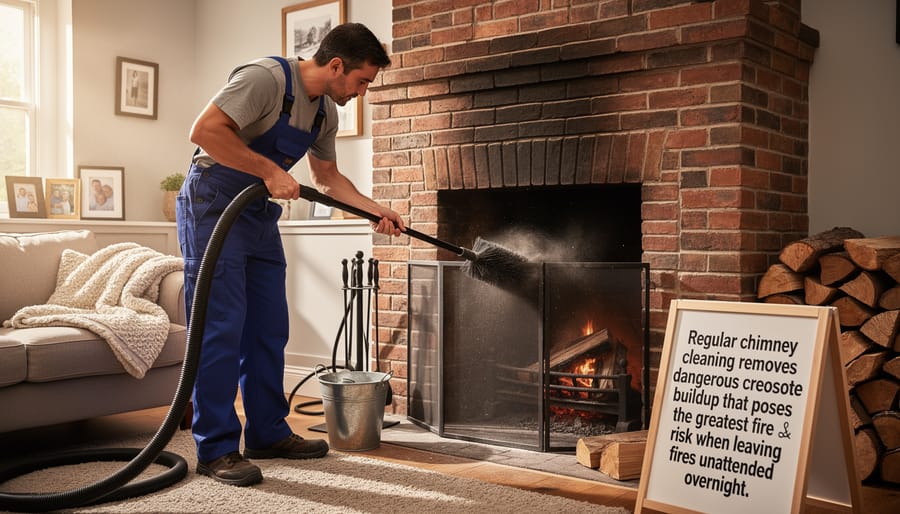
Regular chimney cleaning isn’t just maintenance; it’s your primary defense against this risk. The National Fire Protection Association recommends annual inspections, but if you use your fireplace frequently—particularly for those tempting overnight burns—you might need cleaning twice a year or even more often.
Think of it this way: maintaining a clean chimney lets you enjoy your fireplace as the cozy lifestyle element it should be, not a source of anxiety. Between professional cleanings, burn only seasoned hardwood, maintain hot fires when possible, and watch for warning signs like reduced draft or black deposits around your fireplace opening. This proactive approach keeps your family safe while preserving the warmth and ambiance you love about your wood-burning fireplace.
Inspecting Your Firebox and Damper
Before even thinking about leaving your fireplace unattended overnight, you need to understand the condition of your firebox and damper. These components are your first line of defense against potential hazards, and any weaknesses here can turn a cozy evening into a dangerous situation.
Start by examining your firebox walls with a flashlight. Look carefully for any cracks, crumbling mortar, or loose bricks. Even hairline cracks can allow heat to escape into surrounding walls, creating a fire risk that intensifies during extended burns. If you spot any damage, don’t use your fireplace until a professional addresses the issue. This isn’t just about overnight safety; it’s about protecting your home and family every time you light a fire.
Your damper deserves equal attention. Open and close it several times to ensure it moves smoothly and seals completely. A properly functioning damper is essential for controlling airflow and preventing dangerous creosote buildup. When closed, you shouldn’t see daylight or feel drafts around the edges. A stuck or warped damper can’t regulate combustion properly, which becomes especially problematic during those long overnight hours when you’re not monitoring the fire.
Check the damper’s throat area for excessive creosote deposits too. That black, tar-like substance is highly flammable and accumulates faster with improper burning practices. If you’re finding significant buildup, it’s a clear sign your fireplace needs professional cleaning before any extended use.
Safety Equipment That Protects You While You Sleep
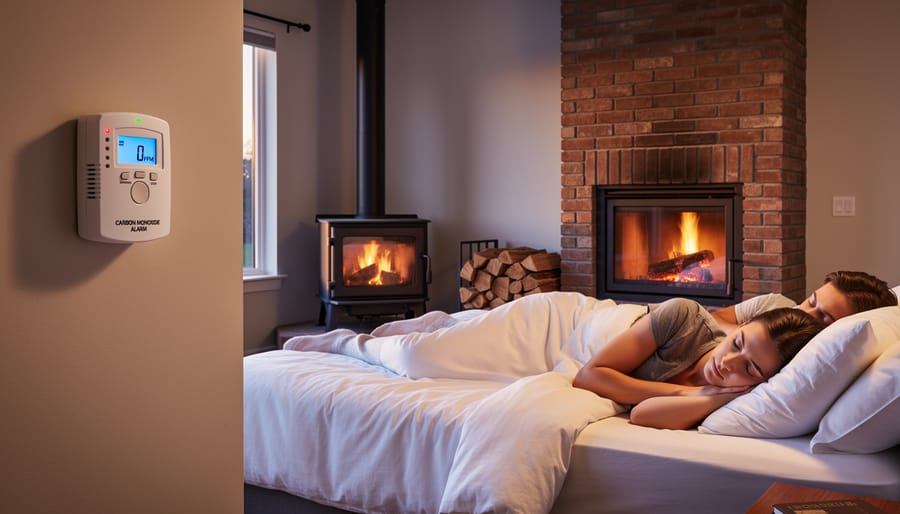
Carbon Monoxide Detectors: Your Overnight Guardian
Think of a carbon monoxide detector as your invisible safety companion, standing watch while you sleep. Since wood-burning fireplaces naturally produce carbon monoxide as part of the combustion process, having functioning CO detectors isn’t just recommended—it’s essential for your family’s safety.
Place CO detectors on every level of your home, especially near sleeping areas. The ideal spot is about fifteen feet from your fireplace to avoid false alarms while still providing adequate protection. Mount them at breathing height, either on the wall or ceiling, following the manufacturer’s guidelines. Many experts suggest having one detector in the same room as your fireplace, particularly if your home has an open floor plan.
Test your detectors monthly by pressing the test button, and replace batteries twice yearly—many people do this when changing clocks for daylight saving time. Replace the entire unit every five to seven years, as sensors lose sensitivity over time.
Remember, CO detectors are your backup system, not permission to leave fires unattended. They’re part of creating a lifestyle where you can enjoy your fireplace’s warmth and ambiance with complete peace of mind, knowing you’ve taken every precaution to protect what matters most.
Fire Screens and Spark Guards
Even if you’re planning to bank your fire rather than leave it actively burning, a quality fire screen or spark guard is your fireplace’s first line of defense. Think of it as a safety net that catches any wayward embers that might pop out during the night while you’re asleep.
A proper mesh screen creates a physical barrier between your fire and your living space, preventing sparks from landing on rugs, furniture, or nearby combustibles. For overnight situations, you’ll want a screen that covers the entire fireplace opening securely, not just a decorative panel. Glass doors offer even better protection, as they completely seal off the firebox while still allowing you to enjoy the glow of dying embers.
Before settling in for the night, always ensure your screen is properly positioned and stable. This simple barrier works hand-in-hand with other safety measures, giving you peace of mind as your fire burns down naturally. It’s a small investment that protects your home’s warmth and your family’s safety simultaneously.
Eco-Friendly Alternatives for Overnight Warmth
If you’re craving overnight warmth without the worry of traditional wood fires, you’ll be happy to know there are wonderful alternative heating solutions that blend safety, sustainability, and comfort beautifully.
Modern gas fireplaces with programmable thermostats offer the ambiance you love with built-in safety features designed for extended use. These systems can maintain consistent warmth throughout the night while automatically adjusting to your preferred temperature. Many models include oxygen depletion sensors and automatic shut-off features, giving you peace of mind while you sleep.
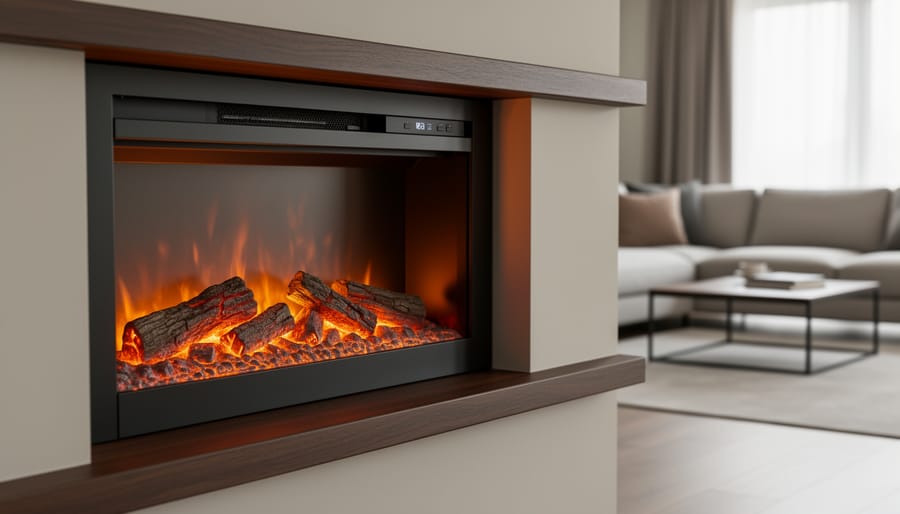
Electric fireplaces have come remarkably far in recent years, offering realistic flame effects that create that cozy atmosphere without any emissions. They’re incredibly efficient, converting nearly all their energy into heat, and you can operate them safely all night with simple timer controls. Plus, they require zero venting, making them perfect for bedrooms or spaces where traditional fireplaces aren’t practical.
For those committed to sustainability, pellet stoves deserve serious consideration. These eco-friendly champions burn compressed wood pellets made from recycled sawdust and wood waste, producing minimal emissions and maximum efficiency. Modern pellet stoves feature automatic feed systems and programmable controls, allowing you to set them before bed and wake up to a warm home.
You might also consider combining your existing fireplace with a whole-home heating system that uses a programmable thermostat. This approach lets you enjoy your wood-burning fireplace during evening hours when you’re awake to tend it, while your primary heating system takes over safely during the night.
The beauty of these alternatives is that they don’t ask you to choose between comfort and responsibility. They’re designed for the modern homeowner who values both the warmth of a crackling fire and the security of knowing their family is safe throughout the night.
The short answer is clear: never leave an active wood burning fireplace unattended overnight. While the allure of drifting off to sleep beside glowing embers is undeniably cozy, the risks far outweigh the comfort. Unattended fires can spark, shift, or send embers beyond the firebox, creating serious fire hazards while you sleep.
That said, you don’t have to choose between safety and warmth. Banking your fire properly allows you to enjoy residual heat through the night without active flames. By arranging hot coals and covering them with ash, you create a slow-burning heat source that’s significantly safer than leaving logs actively burning. For those chilly nights when you need more consistent warmth, consider pairing your fireplace with eco-friendly supplemental heating options like programmable thermostats or zone heating systems that work safely while you rest.
The foundation of all fireplace safety begins with proper maintenance. Regular chimney inspections, annual cleanings, and addressing any structural issues ensure your fireplace operates as safely as possible. When your fireplace is well-maintained and you follow responsible burning practices, it becomes a true lifestyle element that enhances your home’s atmosphere without compromising your family’s safety.
Your wood burning fireplace should be a source of joy and comfort, not worry. By embracing these safer practices and staying committed to maintenance, you’ll enjoy countless cozy evenings knowing you’re creating memories the right way. Stay warm, stay safe, and keep the fires burning responsibly.