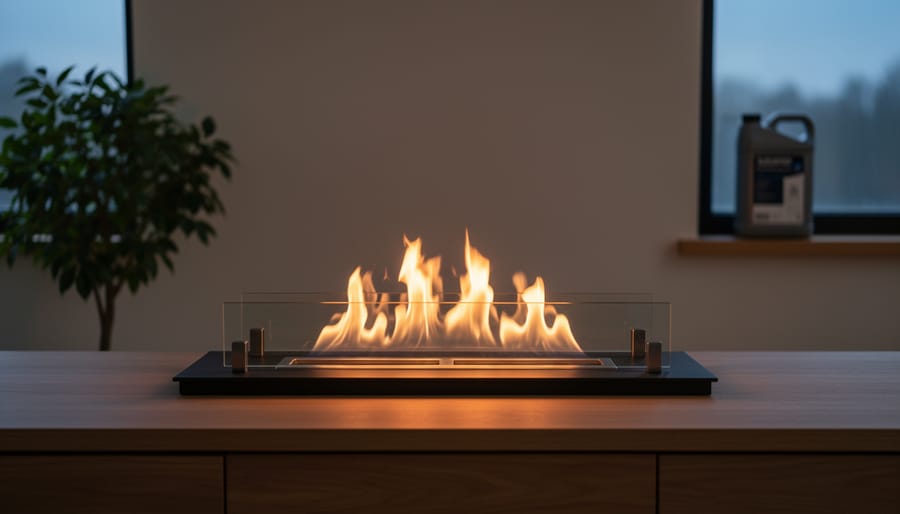


Choosing the right fuel for your ventless fireplace transforms both your home’s atmosphere and your environmental footprint. Bioethanol stands out as a clean-burning, renewable alternative that eliminates the smoke, ash, and chemical residue associated with traditional fuels. This plant-derived alcohol produces real flames without requiring a chimney or venting system, making it ideal for apartments, modern homes, and spaces where conventional fireplaces aren’t practical.
Understanding what separates bioethanol from other ventless options like gel fuel helps you make an informed decision that matches your lifestyle needs. Bioethanol burns cleaner, produces more heat output, and offers easier refueling compared to gel canisters. It generates water vapor and minimal carbon dioxide—roughly equivalent to burning a few candles—while creating the mesmerizing flame patterns that make a fireplace the heart of any room.
The choice between bioethanol and alternatives ultimately depends on your priorities: convenience, heat output, environmental impact, and long-term costs. Bioethanol typically costs more upfront but delivers superior performance and sustainability. It burns completely, leaving no cleanup, and its renewable sourcing from corn, sugarcane, or other crops aligns with eco-conscious living.
This guide breaks down everything you need to know about bioethanol as a fireplace fuel, compares it directly with gel fuel alternatives, and provides practical insights to help you select the option that best creates the warm, inviting atmosphere you envision for your home.
What Is Bioethanol Fuel and How Does It Work?
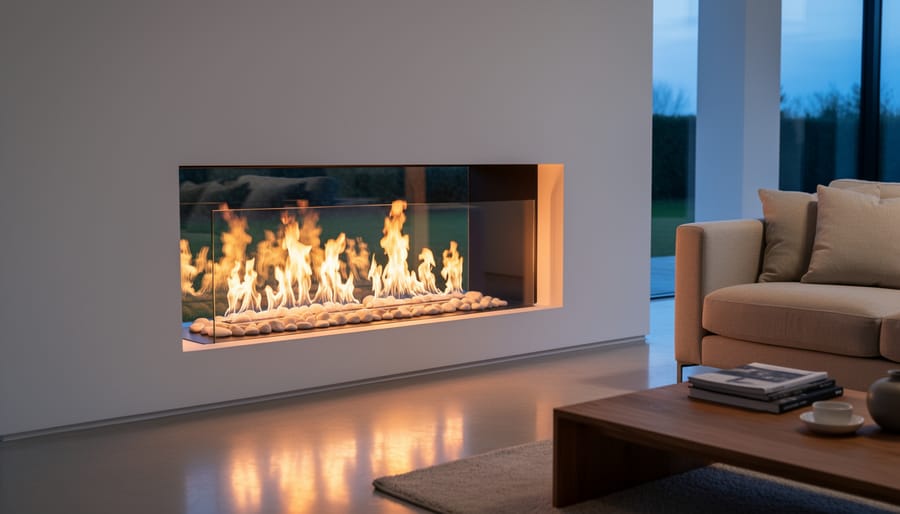
Where Bioethanol Comes From
Bioethanol is a renewable fuel that’s created through the fermentation of plant-based materials, making it a wonderfully eco-friendly choice for your home fireplace. The most common sources are agricultural crops like corn and sugarcane, which are processed to extract their natural sugars. These sugars then undergo fermentation, similar to how wine or beer is made, converting them into ethanol alcohol that burns cleanly and efficiently.
What makes bioethanol particularly appealing for environmentally conscious homeowners is its sustainable production cycle. The plants used to create this fuel absorb carbon dioxide as they grow, helping to offset the emissions produced when the fuel burns in your fireplace. Beyond traditional corn and sugarcane, bioethanol can also be produced from wheat, barley, and even agricultural waste products like corn stalks and wood chips. Some innovative producers are even exploring sustainable algae biofuel as a next-generation source.
This plant-to-fuel process means you’re choosing a heating solution that renews itself naturally, unlike fossil fuels that take millions of years to form. For fireplace enthusiasts looking to reduce their environmental footprint while enjoying cozy ambiance, bioethanol represents a perfect marriage of sustainability and comfort.
The Burning Process Explained Simply
Understanding how bioethanol burns can help you appreciate why it’s become such a popular choice for modern fireplaces. The process is actually quite fascinating and refreshingly clean.
When bioethanol ignites, it undergoes complete combustion, meaning the fuel burns efficiently with minimal waste. The alcohol-based fuel combines with oxygen in the air, creating a beautiful, dancing flame that’s remarkably similar to what you’d see from burning wood. The key difference? The chemistry behind it produces an incredibly clean burn.
The primary byproducts of burning bioethanol are water vapor and carbon dioxide, much like what we naturally exhale when we breathe. This is why bioethanol fireplaces don’t require chimneys or complex ventilation systems. There’s no smoke billowing into your living room, no black soot staining your walls or ceiling, and no lingering smell clinging to your furniture and curtains.
Think of it as the difference between burning clean paper versus burning plastic. Bioethanol’s molecular structure allows it to break down completely during combustion, leaving behind virtually no residue. This complete burn is what creates those mesmerizing, real flames without the traditional downsides of indoor fires.
The absence of smoke and soot isn’t just convenient for your home’s cleanliness. It also means better air quality and easier maintenance. You won’t need to worry about annual chimney cleanings or scrubbing fireplace glass. The flames you see are genuine fire, providing authentic warmth and ambiance while keeping your indoor environment fresh and clean.
What Is Gel Fuel and How Does It Compare?
How Gel Fuel Burns Differently
When you light gel fuel, you’ll notice it burns quite differently than bioethanol. Gel fuel creates a thicker, more gel-like flame that tends to flicker and dance with a yellowish-orange glow, closely resembling a traditional wood fire. This familiar appearance makes it particularly appealing if you’re seeking that classic campfire aesthetic in your living space.
The combustion process itself is slower and more controlled due to the gel’s thickened consistency. As it burns, gel fuel produces water vapor and carbon dioxide, similar to bioethanol, but may also release trace amounts of other compounds depending on the thickening agents used. The flame typically burns at a slightly lower temperature than bioethanol, which affects both heat output and burn time.
One notable difference you’ll experience is the residue. Gel fuel can leave behind a small amount of ash or soot, particularly near the end of its burn cycle. This means occasional cleanup of your fireplace insert or burner. The gel’s viscosity also means it won’t spill like liquid bioethanol if accidentally knocked over, offering an extra layer of safety that many homeowners appreciate when weighing their options.
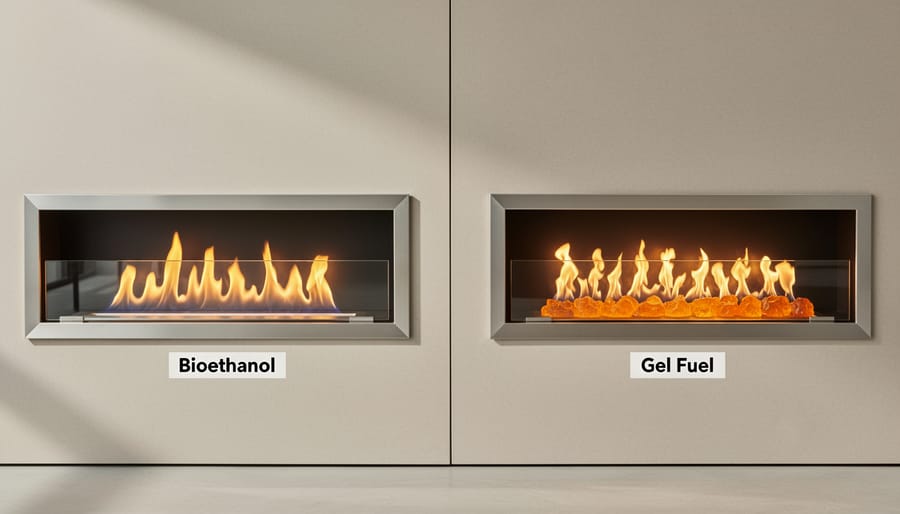
Bioethanol vs Gel Fuel: The Head-to-Head Comparison
Flame Quality and Ambiance
When it comes to creating that perfect fireside atmosphere, the quality of the flame makes all the difference. Both bioethanol and gel fuel produce real flames, but they deliver distinctly different visual experiences.
Bioethanol burns with a vibrant, dancing flame that closely mimics traditional wood-burning fires. The flames are typically taller and more dynamic, reaching heights of 6-12 inches depending on your burner settings. You’ll notice beautiful yellow and orange hues that create that classic, cozy firelight glow we all love. The flames move naturally, flickering and swaying just like a campfire, which adds authenticity to your living space.
Gel fuel, while producing genuine flames, tends to burn with shorter, more contained flames, usually around 3-6 inches high. The flame appearance is steadier and less animated, with a slightly different color profile that can appear more subdued. Some users describe gel fuel flames as having a bluer tint at the base.
For homeowners seeking that authentic fireside experience, bioethanol generally provides a more visually impressive and realistic fire. The lively flame movement and warm color palette create an inviting ambiance that transforms your space into a true gathering spot, perfectly blending aesthetics with eco-friendly heating solutions.
Heat Output and Warming Power
Let’s be straightforward about what you can realistically expect from these fuel alternatives. Both bioethanol and gel fuel produce less heat than traditional wood-burning or gas fireplaces, but they still create genuine warmth and ambiance for your living space.
Bioethanol typically generates between 8,000 to 12,000 BTUs per hour, depending on your burner size and model. This heating capability can effectively warm a room of 200-400 square feet, making it perfect for cozy living rooms, bedrooms, or dining areas. Gel fuel produces slightly less heat at around 3,000 to 9,000 BTUs per hour, which works well for smaller spaces or when you’re prioritizing atmosphere over heating power.
Think of these options as supplemental heat sources rather than primary heating solutions. They’re excellent for taking the chill off on cool evenings or creating that inviting warmth during gatherings. The real advantage? You’re getting instant, adjustable warmth without the infrastructure costs or installation hassles of traditional heating systems, all while enjoying a genuine dancing flame that brings life to your space.
Environmental Impact and Sustainability
When it comes to creating a cozy atmosphere while being mindful of our planet, understanding the environmental credentials of your fireplace fuel matters. Both bioethanol and gel fuel offer greener alternatives to traditional wood-burning, but there are important distinctions worth considering.
Bioethanol shines as a truly renewable resource, derived from plant materials like corn, sugarcane, and agricultural waste. When it burns, it releases carbon dioxide that was recently absorbed by these plants during their growth cycle, creating what’s essentially a closed carbon loop. This means your evening by the fire has a significantly lower environmental impact than burning fossil fuels. The combustion produces minimal emissions—primarily water vapor and small amounts of CO2—with no smoke, soot, or ash to clean up.
Gel fuel, while also producing cleaner emissions than wood, is typically petroleum-based, making it less eco-friendly from a sustainability standpoint. Some gel fuels now incorporate renewable additives, but they generally can’t match bioethanol’s renewable credentials.
For homeowners prioritizing environmental responsibility alongside ambiance, bioethanol represents the more sustainable choice, offering peace of mind that your comfort isn’t compromising the planet’s future.
Safety Considerations
When it comes to creating a safe, cozy atmosphere in your home, understanding the safety profile of your fireplace fuel is essential. Both bioethanol and gel fuel offer distinct advantages, though each requires specific handling practices.
Bioethanol burns cleanly with minimal smoke, but because it’s liquid alcohol, it demands careful pouring and storage. Always allow your burner to cool completely before refueling, and never add fuel to an active flame. Store bioethanol in its original container, away from heat sources and out of children’s reach. The good news? Bioethanol evaporates quickly if spilled, reducing long-term mess concerns.
Gel fuel, being thicker in consistency, presents less spillage risk during handling. However, its gel form can make accidental contact with skin more problematic, as it adheres rather than runs off. Both fuels require adequate ventilation, though bioethanol’s cleaner burn typically produces fewer irritants.
Whichever fuel you choose, following safe burning practices protects your household while maximizing your fireplace enjoyment. Keep a fire extinguisher nearby, ensure proper airflow, and never leave burning fuel unattended. With mindful handling, both options can safely enhance your home’s warmth and ambiance.
Cost and Availability
When comparing fireplace fuel costs, bioethanol typically burns for 3-5 hours per liter, costing between $3-$6 per hour of operation depending on flame settings. You’ll find bioethanol at home improvement stores, specialty fireplace retailers, and online marketplaces with prices ranging from $2-$4 per liter when buying in bulk. Gel fuel runs slightly cheaper at $2-$5 per hour but requires more frequent purchases due to smaller container sizes. While bioethanol has a higher upfront cost per container, its cleaner burn means no maintenance expenses or chimney cleaning bills, making it surprisingly economical long-term. Most homeowners discover that the convenience of ordering bioethanol in larger quantities online balances out the initial price difference, especially when you factor in the lifestyle benefits of hassle-free, eco-friendly ambiance without the mess of traditional fuels.
Ease of Use and Maintenance
When it comes to day-to-day convenience, bioethanol fuel really shines. You’ll appreciate how straightforward it is to store – most bioethanol comes in sealed bottles that sit safely in your garage or utility closet without special requirements. Pouring is a breeze, though you’ll want to use a steady hand and perhaps a small funnel to avoid spills.
Cleanup is where bioethanol truly wins hearts. Since it burns cleanly without producing soot or ash, there’s virtually no messy residue to deal with afterward. Compare this to gel fuel, which can leave sticky remnants that require scrubbing. With bioethanol, a simple wipe-down of your fireplace is usually all you need between refills. The fuel itself evaporates if spilled (though you should still clean it immediately), making accidental drips less of a headache. Overall, bioethanol offers a hassle-free experience that fits perfectly into busy lifestyles while maintaining that cozy ambiance you’re looking for.
When Bioethanol Is Your Best Choice
Bioethanol fuel truly shines in specific situations where its unique characteristics make it the clear winner for creating the perfect ambiance in your home.
If you live in an apartment or condo without chimney access, bioethanol is your gateway to enjoying real flames without the structural limitations that often come with traditional fireplaces. The clean-burning nature means no venting required, giving you freedom to place portable bioethanol fireplaces virtually anywhere you’d like to create a cozy focal point.
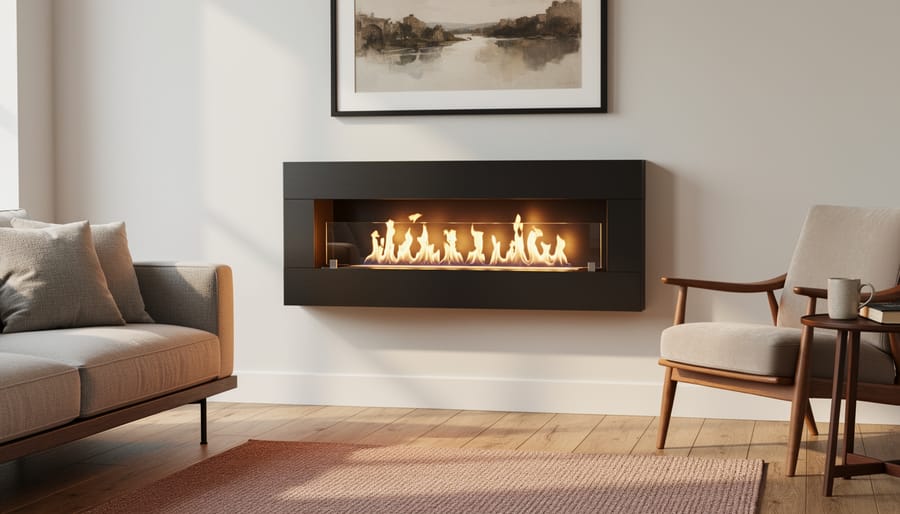
For design-conscious homeowners who view their fireplace as a lifestyle statement rather than just a heat source, bioethanol delivers unmatched aesthetic appeal. The dancing flames burn cleaner and more vibrantly than gel fuel, creating that authentic fire experience you’re craving. Picture a sleek, modern tabletop fireplace on your dining table during dinner parties, or a wall-mounted unit becoming the conversation piece in your living room.
Environmental responsibility matters to you? Bioethanol aligns perfectly with eco-friendly heating solutions. Made from renewable plant materials, it produces significantly less soot and residue than gel fuel, meaning less cleaning and a smaller carbon footprint for your household.
Bioethanol also excels for frequent users. If you plan to enjoy your fireplace regularly throughout the cooler months, the superior heat output and longer burn time make bioethanol more economical despite the slightly higher upfront cost. You’ll spend less time refueling and more time enjoying the warmth.
Finally, if you’re sensitive to odors or have respiratory concerns, bioethanol’s nearly odorless combustion creates a more comfortable atmosphere compared to gel fuel, which can sometimes produce noticeable scents. This makes it ideal for smaller spaces where air quality is paramount.
When You Might Choose Gel Fuel Instead
While bioethanol offers compelling advantages, gel fuel isn’t without its merits. Being honest with you, there are specific situations where gel fuel might actually be the better choice for your home.
If you’re drawn to truly portable heating, gel fuel takes the lead. Because it comes in sealed canisters that won’t spill, you can easily move gel fuel fireplaces from your patio to your living room without any concerns about liquid fuel sloshing around. This makes gel particularly appealing for renters or anyone who values maximum flexibility.
Gel fuel also wins points for convenience in certain households. Those individual cans are incredibly straightforward to use – simply pop one open, light it, and you’re done. There’s no measuring, no pouring, and no chance of overfilling. For homeowners who prioritize simplicity above all else, this foolproof approach has real appeal.
Storage can be another consideration. If you live in an area with temperature extremes, gel fuel’s thicker consistency remains stable in conditions that might affect liquid bioethanol. The sealed canisters also offer peace of mind if you have curious children or pets in the home, since they’re harder to access accidentally than bottled liquid fuel.
The bottom line? If portability, absolute simplicity, or specific storage concerns top your priority list, gel fuel deserves serious consideration. Different homes have different needs, and there’s no shame in choosing the option that fits your lifestyle best.
Making the Switch: What You Need to Know
Fireplace Compatibility
Bioethanol fuel works exclusively in ventless bioethanol fireplaces designed specifically for this liquid fuel. These contemporary units feature stainless steel burners with ceramic wool or porous stones that absorb and safely burn the ethanol. You cannot use bioethanol in traditional wood-burning fireplaces, gas fireplaces, or gel fuel fireplaces without proper conversion equipment, which typically isn’t practical or recommended.
Gel fuel requires gel fuel canisters placed in compatible fireplace units or decorative fire features. Like bioethanol, gel fuel won’t work in wood or gas fireplaces. However, many gel fuel fireplaces can accommodate bioethanol with the addition of a burner insert, offering flexibility as you explore modern fireplace options.
Converting between these ventless fuel types is simpler than switching from traditional fireplaces. If you’re considering a lifestyle upgrade that embraces eco-friendly heating solutions, choosing a bioethanol-ready fireplace from the start provides the most efficient burning and cleanest flames for your home’s ambiance.
First-Time Setup Tips
Ready to embrace the convenience and eco-friendly appeal of bioethanol fuel? Starting with this alternative is refreshingly simple. First, make sure you purchase only high-quality bioethanol fuel specifically designed for fireplaces. Look for products that are at least 95% pure ethanol, as lower-quality fuels can produce unpleasant odors or excessive soot. You’ll find bioethanol fuel at specialty fireplace retailers, home improvement stores, and online suppliers.
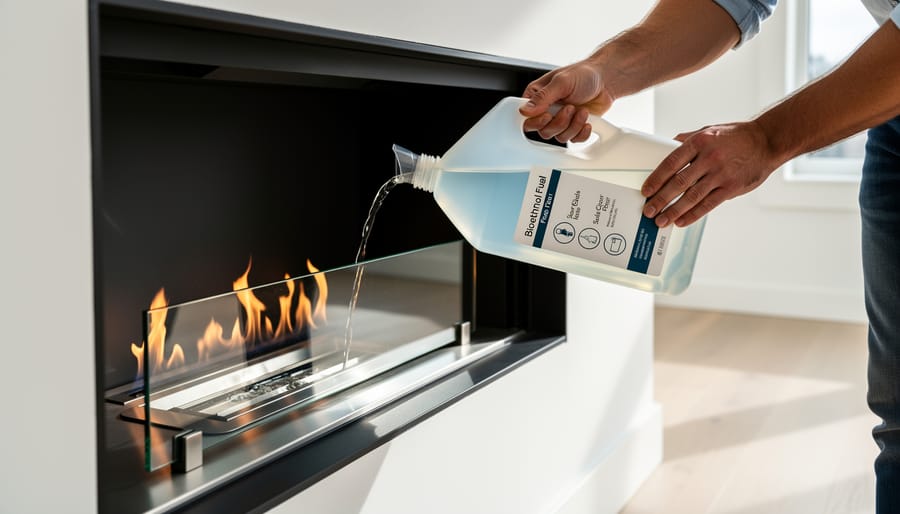
Before your first use, carefully read your fireplace manufacturer’s instructions. Never attempt to refill the burner while it’s lit or still hot. Always wait at least 15 minutes after the flame has been extinguished. When pouring fuel, use a funnel to avoid spills, and never overfill the burner beyond the indicated maximum line. Store your bioethanol bottles in a cool, dry place away from heat sources and direct sunlight.
Start with a modest amount of fuel to get comfortable with how long it burns and how to control the flame. Keep a fire extinguisher nearby as a safety precaution, and ensure your room has adequate ventilation. With these simple steps, you’ll be enjoying the clean, dancing flames of your bioethanol fireplace while creating a warm, inviting atmosphere in your home.
Choosing the right fuel for your fireplace ultimately comes down to understanding what matters most to you and your home. Both bioethanol and gel fuel have their place, but for the majority of modern homeowners, bioethanol emerges as the clear winner. It burns cleaner with virtually no emissions, requires less maintenance, provides superior heat output, and costs less in the long run. For those of you who prioritize eco-friendly living and want to reduce your environmental footprint while still enjoying beautiful flames, bioethanol is the natural choice.
That said, gel fuel still has value in certain situations, particularly for occasional use or portable setups where convenience trumps all other considerations. The key is matching your fuel choice to your lifestyle and priorities. Consider how often you’ll use your fireplace, your budget, your commitment to sustainability, and your willingness to handle maintenance tasks.
Whichever fuel you choose, remember that creating the perfect ambiance in your home is about more than just practicality. It’s about crafting a space that reflects your values and brings you joy. Whether you’re curling up with a book on a chilly evening or entertaining guests in a warm, inviting atmosphere, your fireplace should enhance those moments. Take the time to evaluate your needs, weigh your options thoughtfully, and select the solution that helps you create the cozy, welcoming home you’ve always envisioned.