

Understanding your chimney’s anatomy transforms you from a passive homeowner into an informed protector of your home’s heating system. Every component, from the visible crown at the rooftop to the hidden smoke chamber behind your firebox, plays a specific role in safely channeling smoke, preventing carbon monoxide buildup, and protecting your family from potential fire hazards. When you can identify a damaged flue liner or recognize a deteriorating chimney cap, you’re equipped to have meaningful conversations with chimney sweeps and make confident decisions about repairs before minor issues escalate into costly emergencies.
Most homeowners only think about their chimney when something goes wrong, but recognizing the essential parts empowers you to spot warning signs during your own visual inspections. The masonry, flashing, damper, and other components work together as an integrated system, and weakness in one area often creates problems elsewhere. Whether you’re preparing for your annual chimney inspection, troubleshooting a smoking fireplace, or simply want to maintain your home’s eco-friendly heating solution more effectively, knowing what lies beneath the surface helps you appreciate the engineering that keeps your family warm and safe.
This guided visual tour walks you from top to bottom through each critical component, explaining its purpose in straightforward language and highlighting the maintenance priorities that extend your chimney’s lifespan while keeping your heating experience both efficient and worry-free.
The Crown and Cap: Your Chimney’s First Line of Defense
Why Your Crown Cracks (And What Happens Next)
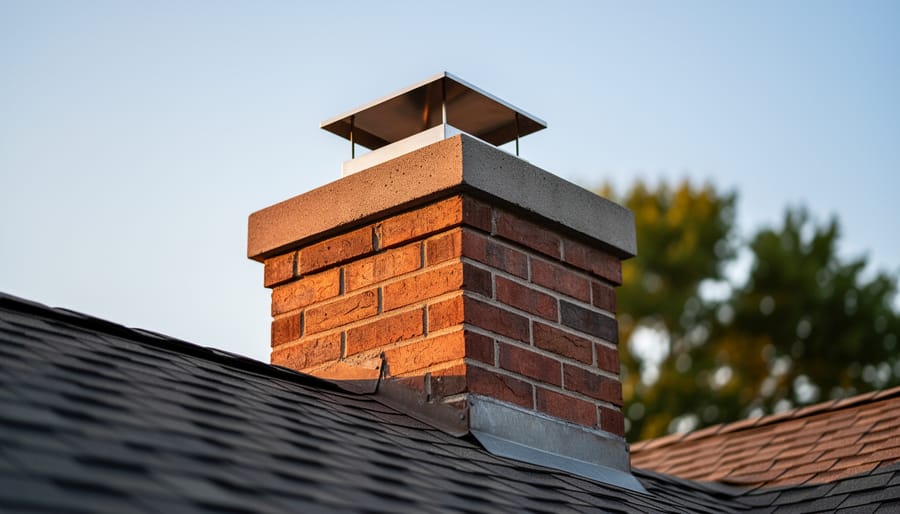
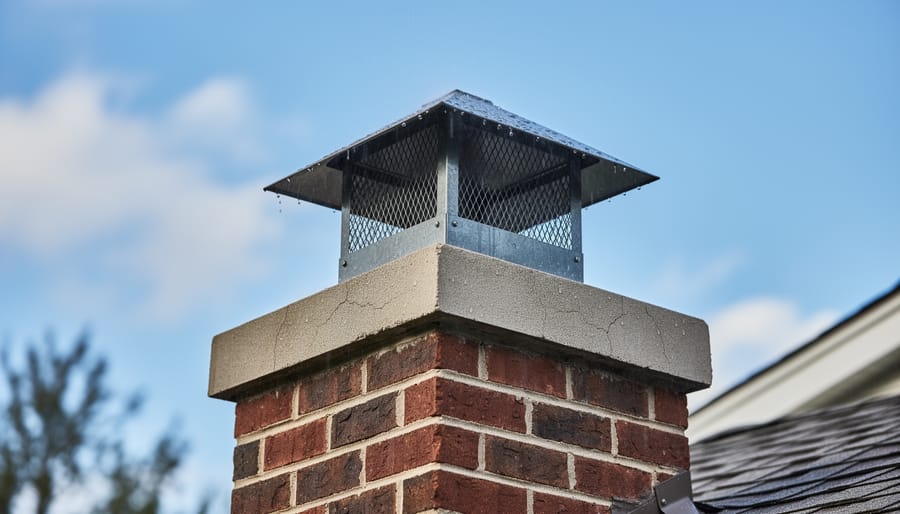
Your chimney crown takes a beating from Mother Nature year-round. Exposed to blazing summer sun, winter freezes, and everything in between, even well-constructed crowns eventually develop hairline cracks. These tiny fractures might seem harmless at first, but they’re actually your chimney’s cry for help.
Water is the real troublemaker here. Once those cracks appear, moisture seeps in during rain or snow. When temperatures drop below freezing, that water expands, widening the cracks further. It’s a relentless freeze-thaw cycle that turns small fissures into significant damage remarkably quickly.
What happens next? The problems cascade downward through your chimney system. Water infiltrates beneath the crown, reaching the brickwork and mortar joints below. This moisture can deteriorate the flue liner, damage the damper mechanism, and even create conditions for mold growth inside your home. Left unaddressed, a cracked crown can lead to thousands of dollars in repair costs.
The good news? Catching crown deterioration early makes repairs straightforward and affordable. Regular inspections help you spot trouble before it becomes a major headache, keeping your fireplace functioning safely and efficiently for cozy evenings ahead.
Choosing the Right Chimney Cap
Selecting the right chimney cap is like choosing a protective hat for your home’s most hardworking feature. This essential component shields your chimney from rain, snow, and unwanted visitors while keeping your heating system running efficiently.
When exploring chimney cap solutions, you’ll encounter three primary materials. Stainless steel offers excellent durability and rust resistance, making it ideal for coastal homes or areas with heavy precipitation. Copper caps develop a beautiful patina over time, adding character to your roofline while providing superior longevity. Galvanized steel presents a budget-friendly option that still delivers solid protection for most climates.
Pay special attention to key features that enhance safety and functionality. Spark arrestors prevent hot embers from escaping onto your roof, a crucial consideration for homes in wildfire-prone regions or those with wood shake roofing. Animal guards with proper mesh sizing keep raccoons, birds, and squirrels from nesting in your chimney while maintaining adequate airflow.
Consider your specific needs when choosing cap styles. Single-flue caps suit individual chimneys, while multi-flue models cover several openings at once. For homes experiencing wind-related noise or downdrafts, specialized directional caps can transform your fireplace experience from frustrating to enjoyable.
The Flue System: Where the Magic Happens
Clay vs. Stainless Steel: Which Liner Your Chimney Actually Needs
When it comes to choosing a chimney liner, understanding your fuel type is the first step toward making the right decision. Clay tile liners have been the traditional choice for decades, and they’re still ideal for many wood-burning fireplaces. These ceramic tiles handle high temperatures beautifully and offer excellent longevity when properly maintained. They’re also budget-friendly, making them attractive for traditional masonry chimneys burning seasoned wood.
However, clay has its limitations. If you’re heating with gas or oil, clay tiles aren’t your best friend. These fuels produce cooler, more acidic flue gases that can cause clay to deteriorate faster. The tiles can crack from thermal shock during rapid temperature changes, and because they’re installed in sections, the mortar joints between tiles can become weak points where dangerous gases might escape.
Stainless steel liners shine in versatility. They’re the go-to solution for gas appliances, oil furnaces, and modern high-efficiency heating systems. Steel liners are particularly brilliant for relining existing chimneys with damage or deterioration, fitting snugly inside the old flue to create a safe, code-compliant passage. They’re also lighter on your chimney’s structure and can handle the corrosive condensation that gas and oil produce.
For eco-conscious homeowners considering pellet stoves or other alternative heating solutions, stainless steel typically offers better compatibility and safety. While the upfront cost runs higher than clay, the flexibility and durability often justify the investment, especially in retrofit situations where your chimney configuration needs extra support.

The Smoke Chamber: Your Chimney’s Transition Zone
Between your firebox and flue sits a crucial but often overlooked space called the smoke chamber. Think of it as your chimney’s transition zone, where smoke and gases funnel upward from the wide opening of your firebox into the narrower flue above.
The smoke chamber’s job is elegant in its simplicity: it channels smoke smoothly upward while preventing turbulence that could send smoke back into your living space. When properly constructed, the walls should slope gradually inward, creating a streamlined pathway that encourages efficient draft.
Here’s where construction quality really matters. Older smoke chambers might have corbeled bricks creating rough, stepped surfaces that disrupt airflow and collect dangerous creosote deposits. Modern building codes require smooth surfaces, often achieved through a process called pargeting, where mortar creates a sleek finish that helps smoke flow freely and reduces buildup.
A poorly designed smoke chamber can lead to several problems: weak draft that won’t pull smoke up effectively, increased creosote accumulation that raises fire risk, and energy loss as your warm air escapes inefficiently. During chimney inspections, professionals pay close attention to cracks or deterioration in this area since it’s critical for both performance and safety. Understanding this hidden component helps you appreciate why professional chimney construction and regular maintenance protect your home’s warmth and your family’s wellbeing.
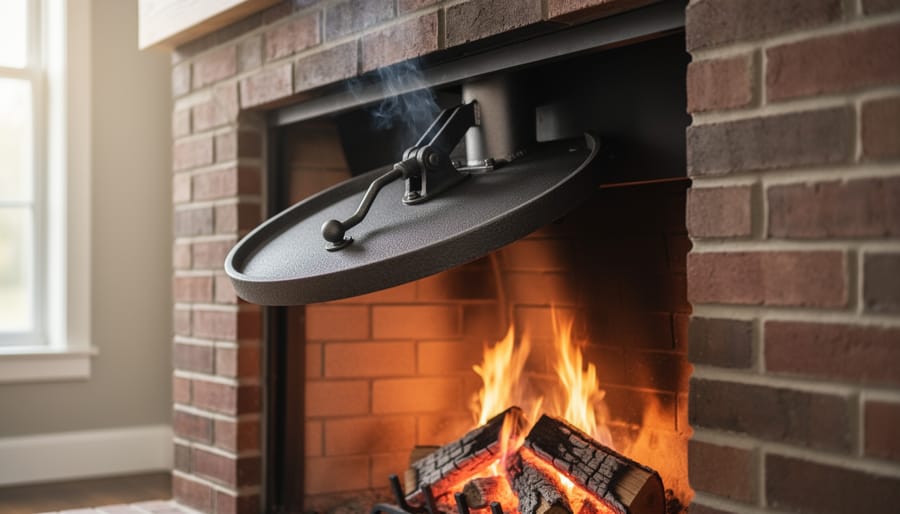
The Damper: Your Home’s Temperature Gate
Stop Heating the Outdoors: Modern Damper Solutions
If you’ve ever felt cold air rushing down your chimney or noticed your heating system working overtime, your damper might be the culprit. This humble component plays a massive role in your home’s energy efficiency, yet many older dampers don’t seal properly anymore.
Traditional throat dampers, while functional when new, can warp over time and leave gaps that send your heated air straight up the flue. Modern damper solutions offer a game-changing upgrade that can dramatically reduce heating bills while keeping your home cozy.
Top-sealing dampers mount at the chimney crown and create an airtight seal when closed, blocking drafts from both directions. These eco-friendly solutions often feature silicone rubber gaskets that maintain their integrity for years. Some homeowners report saving 20-30% on heating costs after installation.
Another excellent option is the lock-top damper, which doubles as a chimney cap, protecting against rain and wildlife while sealing tight. For fireplace enthusiasts who value both ambiance and efficiency, upgrading your damper is one of the smartest investments you can make in your home’s comfort and sustainability.
The Firebox and Hearth: Where Warmth Begins
Why Firebrick Matters More Than You Think
Think of firebrick as your fireplace’s unsung hero, quietly working behind the scenes to make your fires safer and more efficient. These specialized bricks line your firebox, reflecting heat back into your room rather than letting it escape through the chimney walls. This isn’t just about comfort—it’s about getting the most warmth from every log you burn, which means fewer trips to the woodpile and a cozier living space.
Beyond heat reflection, firebricks protect your chimney’s structural masonry from the intense temperatures that could otherwise cause cracking and deterioration. They’re engineered to withstand extreme heat that would damage regular bricks, making them essential for both wood-burning fireplaces and modern, eco-friendly heating solutions.
Keep an eye out for warning signs like crumbling edges, deep cracks, or pieces that have broken away completely. These indicate it’s time for replacement—damaged firebrick compromises both efficiency and safety. During your seasonal maintenance checks, inspect the firebox carefully. Healthy firebrick means better heat retention, lower heating costs, and a fireplace that’s safer for your family. It’s a small component that makes a significant difference in how well your entire chimney system performs.
The Chimney Chase and Masonry: Your Chimney’s Foundation
Reading the Warning Signs in Your Mortar
Your chimney’s mortar is like the glue holding your home’s heating heart together, and learning to read its condition is easier than you might think. Start by examining the joints between bricks during daylight hours. Healthy mortar should be firm and intact, while deteriorating joints often appear crumbly, recessed more than a quarter-inch from the brick face, or have visible cracks and gaps.
Spalling is another warning sign to watch for—this occurs when bricks begin flaking, cracking, or pieces pop off due to moisture penetration and freeze-thaw cycles. If you notice white staining (called efflorescence) on your bricks, that’s moisture working its way through the masonry, potentially signaling trouble ahead.
When mortar deterioration affects more than a few isolated spots, it’s time to consider tuckpointing—a restoration process where damaged mortar is carefully removed and replaced with fresh material. This isn’t just cosmetic; it’s essential for maintaining your chimney’s structural integrity and preventing water infiltration that can compromise your home’s warmth and safety. Generally, if you can easily scrape out mortar with a screwdriver or notice continuous deterioration along multiple joints, professional tuckpointing should be on your maintenance list soon.
The Supporting Cast: Flashing, Cleanout Doors, and More
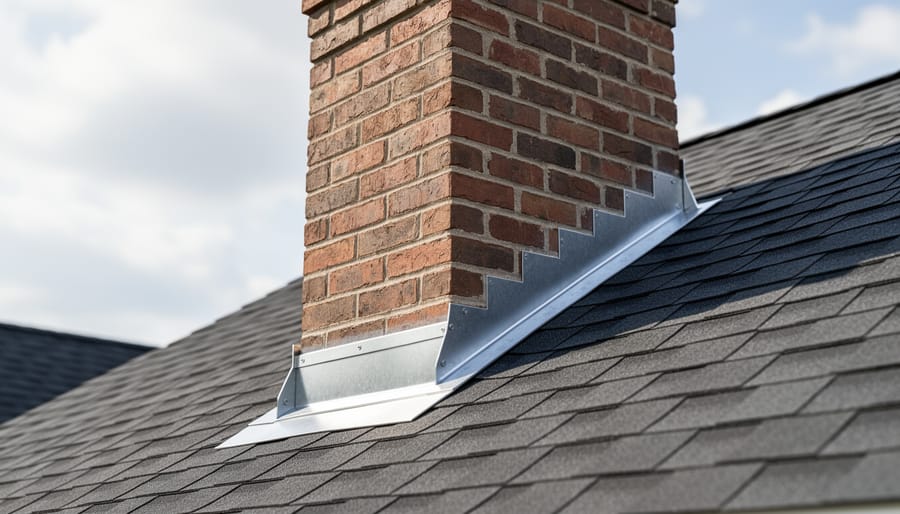
Flashing Failures: The Silent Leak You Don’t See Coming
Here’s a sobering truth: flashing failures account for nearly 90% of chimney leaks, yet most homeowners don’t even know what flashing is until water stains appear on their ceiling. This L-shaped metal barrier sits where your chimney meets your roof, creating a weatherproof seal that keeps rain and snow from sneaking into your home. When flashing deteriorates, rusts, or wasn’t properly installed in the first place, water finds its way in silently, causing damage to your roof deck, insulation, and even interior walls.
The tricky part? These leaks often show up far from the chimney itself, making diagnosis challenging. Keep an eye out for rust spots on the flashing, gaps between the metal and your chimney or roof, and any missing sealant. After heavy rains, check your attic near the chimney for moisture or discoloration. Catching flashing problems early can save you thousands in repairs and protect your home’s warmth and comfort for years to come. Think of properly maintained flashing as an invisible guardian, working quietly to keep your cozy fireplace experience worry-free.
How These Parts Work Together for Safe, Efficient Fires
Understanding how your chimney components work together transforms a collection of parts into an elegant system that keeps your home safe and warm. Think of it like a well-choreographed dance where each element plays a specific role in creating the perfect conditions for efficient heating.
The process begins with what’s called draft, which is simply the upward movement of smoke and gases. When you light a fire, the hot air naturally rises because it’s lighter than the cooler air around it. Your firebox contains the flames while the damper acts as a traffic controller, opening to let smoke escape and closing when your fireplace isn’t in use to prevent heat loss.
As smoke travels upward through the flue, the liner protects your chimney’s masonry from corrosive byproducts and extreme temperatures. The smoke chamber just above your firebox smoothly transitions the smoke from a wide opening to the narrower flue, preventing turbulence that could push smoke back into your room. Meanwhile, the chimney cap at the top keeps rain, animals, and debris out while allowing smoke to exit freely.
The crown seals the top of your masonry structure, directing water away from vulnerable areas, while flashing works at the roofline to create a waterproof barrier. Down at ground level, the cleanout door provides access for removing accumulated ash and creosote, that sticky, flammable residue that builds up over time.
Here’s the crucial insight: when one component fails, it affects the entire system. A damaged liner compromises safety. A missing cap invites water damage. A closed damper fills your home with smoke. This interconnectedness is precisely why regular maintenance of your complete chimney system isn’t optional but essential. Annual inspections catch small issues before they become expensive problems, ensuring your fireplace remains the cozy, eco-friendly heating solution that enhances your home’s warmth and lifestyle for years to come.
Now that you’re familiar with the essential components of your chimney system, you’re better equipped to be a proactive homeowner. Understanding the anatomy of your chimney transforms you from someone who simply enjoys a crackling fire into someone who can spot potential issues before they become costly problems.
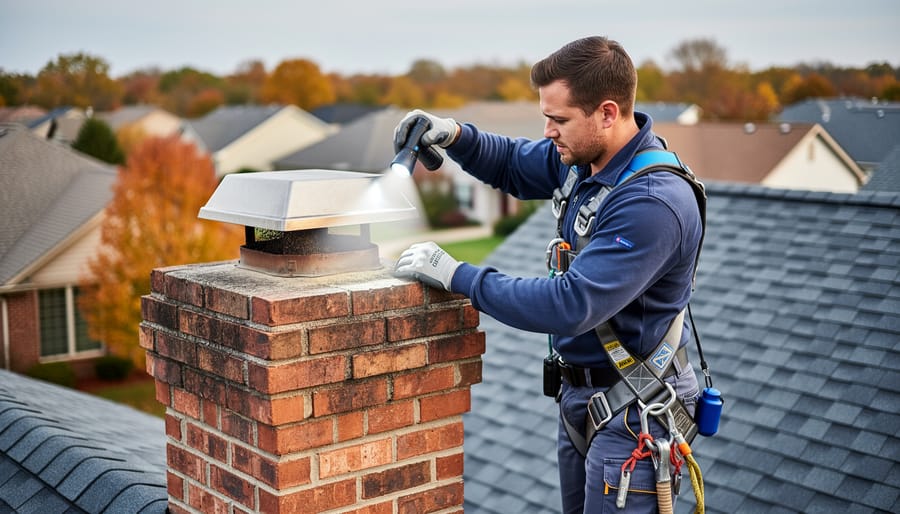
During your next chimney inspection, you’ll recognize what the professional is examining and why each component matters. You’ll know to ask about the condition of your flue liner, whether the crown needs sealing, and if your cap is properly protecting against moisture and wildlife. This knowledge helps you have meaningful conversations with chimney sweeps and make informed decisions about maintenance priorities.
Remember that while understanding your chimney’s parts is empowering, certain tasks should always be left to certified professionals. Schedule annual inspections before each heating season, and never hesitate to call an expert if you notice unusual odors, poor draft, or visible damage. These professionals have specialized tools and training to safely assess and repair your system.
A well-maintained chimney isn’t just about safety, though that’s certainly paramount. It’s about preserving the warmth and comfort that makes your house a home. When your chimney functions efficiently, you’re enjoying an eco-friendly heating solution that reduces energy costs while creating those memorable moments by the fire. By staying informed and proactive about maintenance, you’re protecting your investment and ensuring that cozy, inviting atmosphere continues warming your home for years to come.