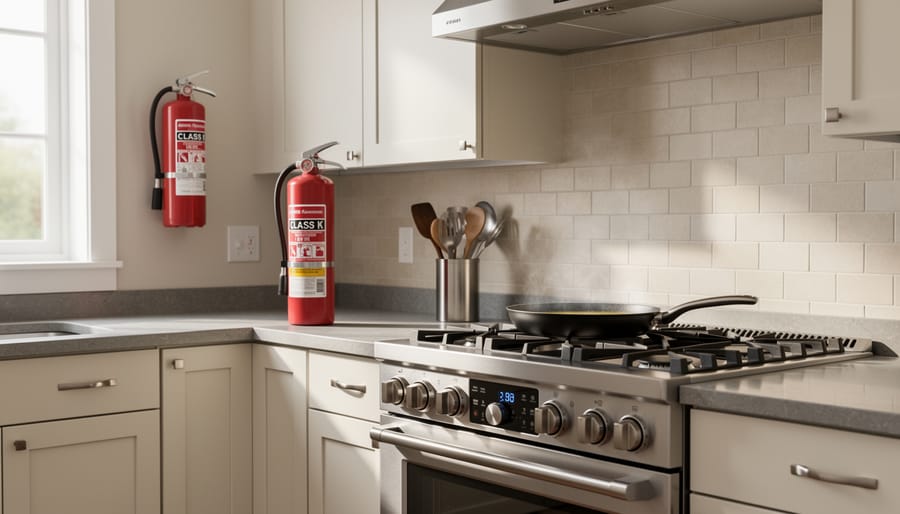


A grease fire erupts on your stovetop, flames dancing dangerously close to your cabinets. You reach for your standard fire extinguisher and spray – only to watch the fire spread as the pressurized agent scatters burning oil across your kitchen. This nightmare scenario happens because most home fire extinguishers simply aren’t designed for cooking fires involving oils, fats, and grease.
Class K fire extinguishers exist specifically to combat kitchen fires that standard ABC extinguishers can actually make worse. Unlike traditional extinguishers that rely on dry chemicals or carbon dioxide, Class K units discharge a wet chemical agent – typically potassium acetate – that creates a soapy foam blanket. This foam cools the burning oil below its ignition temperature while forming a barrier that prevents re-ignition, a critical feature since cooking oils can reignite even after flames disappear.
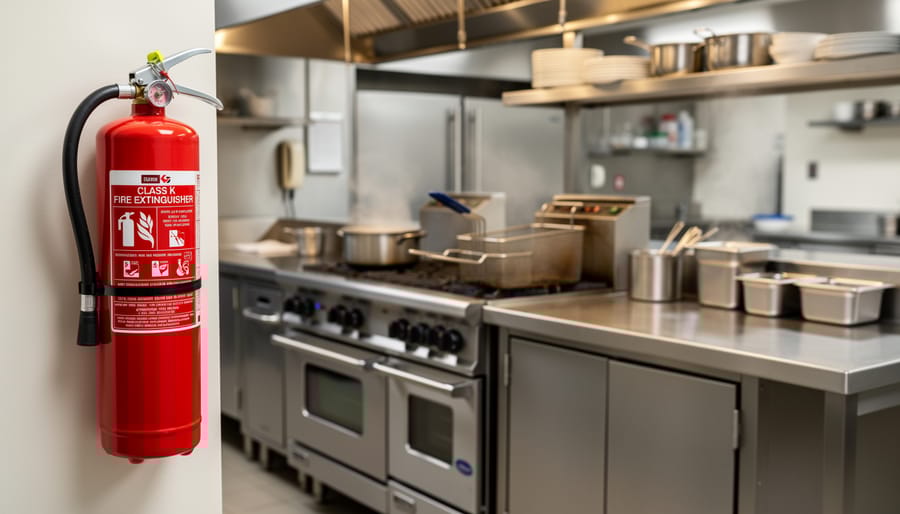
If you regularly cook with oils at high temperatures, deep fry foods, or maintain a wood-fired pizza oven or outdoor kitchen space as part of your home’s living environment, a Class K extinguisher deserves a place in your safety arsenal. Commercial kitchens have required them for decades, but residential awareness remains surprisingly low despite cooking being the leading cause of home fires.
Understanding the difference between fire extinguisher classes isn’t just technical knowledge – it’s potentially life-saving information that protects both your family and the warm, inviting spaces you’ve carefully created. The right extinguisher in the right situation makes all the difference, and Class K units represent specialized protection for one of your home’s most dangerous fire risks.
What Makes Class K Fire Extinguishers Different from the Rest
The Chemistry That Saves Your Kitchen
Understanding how a Class K fire extinguisher works helps you appreciate why it’s so effective at handling kitchen grease fires. Unlike traditional extinguishers that can actually make an oil fire worse, Class K units use a specially formulated wet chemical agent that tackles the problem through chemistry rather than force.
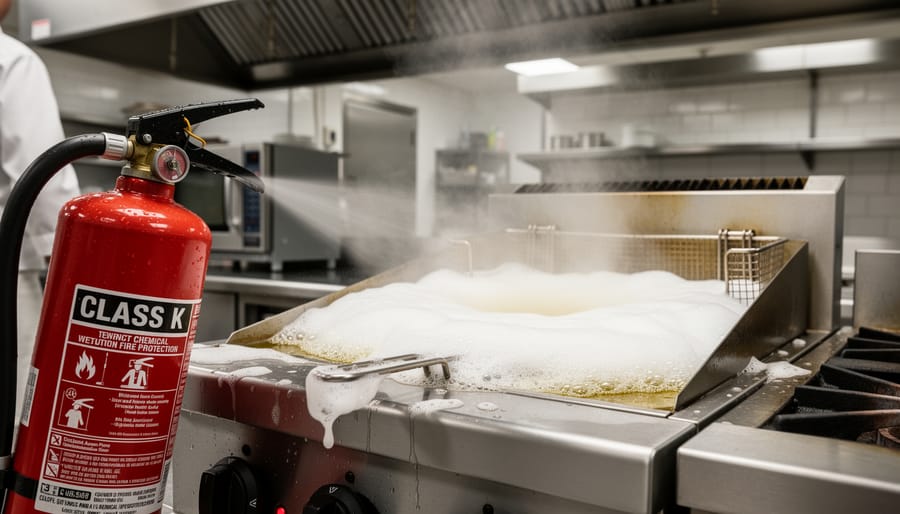
When you discharge a Class K extinguisher onto a burning pan of oil, something remarkable happens. The wet chemical agent, typically potassium acetate or potassium carbonate, reacts with the hot cooking oil to create a process called saponification. Think of it as creating soap right there in your pan. This chemical reaction produces a thick foam blanket that sits on top of the oil, effectively cutting off the fire’s oxygen supply. No oxygen means no flame.
But there’s more to the story. The wet chemical agent also works to rapidly cool the oil below its ignition temperature. This dual-action approach is crucial because grease fires are notorious for reigniting once the flames are initially suppressed. By cooling the oil while simultaneously creating that protective foam barrier, Class K extinguishers prevent the dangerous flashback that can occur when you think the fire is out.
The mist spray nozzle on these extinguishers delivers the agent gently, avoiding the forceful blast that could splash burning oil around your kitchen. This careful application method keeps you safer and prevents spreading the fire to nearby surfaces or your lovely cooking space.
When Water and Powder Extinguishers Become Your Enemy
Picture this scenario: a pan of oil catches fire on your stovetop, flames dancing dangerously high. Your instinct screams to grab the nearest fire extinguisher or douse it with water. Here’s the terrifying truth: that instinct could turn a manageable kitchen fire into a catastrophe.
When water meets burning grease, the results are explosive in the most literal sense. Water is denser than oil and immediately sinks below the burning surface. The extreme heat then flash-vaporizes that water, expanding to 1,700 times its original volume in seconds. This violent expansion launches burning oil into the air, creating a fireball that can spread across your kitchen and cause severe burns. Many home fires escalate precisely because well-meaning people reach for water first.
Standard powder extinguishers aren’t much better for grease fires. While they won’t cause the explosive reaction water does, the forceful discharge can scatter burning oil across surrounding surfaces, spreading the fire rather than containing it. The powder also fails to cool the oil adequately, meaning re-ignition often occurs once the powder settles.
This is exactly why Class K extinguishers exist. They’re specifically engineered to handle the unique chemistry of cooking fires, creating a protective barrier that both smothers flames and prevents dangerous flare-ups. Understanding this difference isn’t just technical knowledge; it’s potentially life-saving information for anyone who cooks with oil.
Do You Actually Need One in Your Home?
The Cooking Habits That Raise Your Risk
Not all home cooking is created equal when it comes to fire risk. If your kitchen routines involve certain high-risk methods, a Class K fire extinguisher becomes less of a luxury and more of a necessity for protecting your home and family.
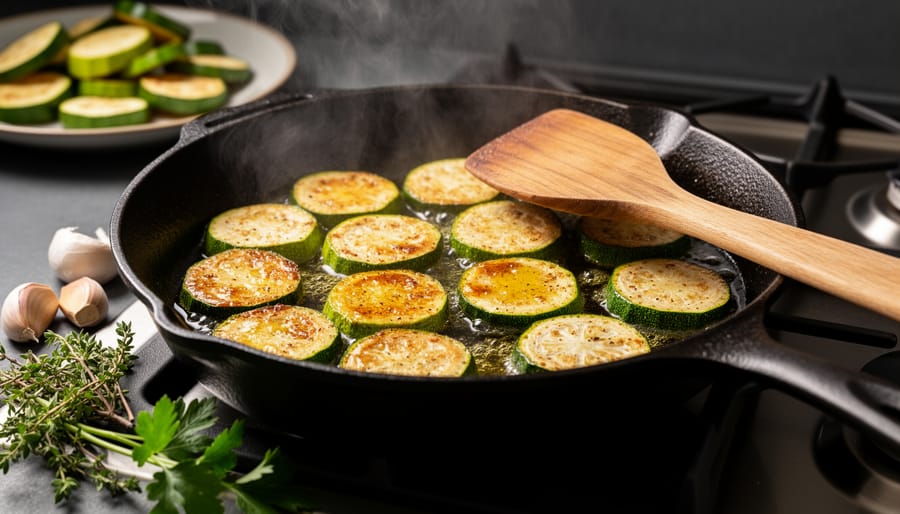
Deep frying is the most obvious culprit. Whether you’re making homemade donuts or perfectly crispy fried chicken, working with large quantities of oil heated to 350-375°F creates significant fire potential. Just a few degrees too hot, and that oil can ignite.
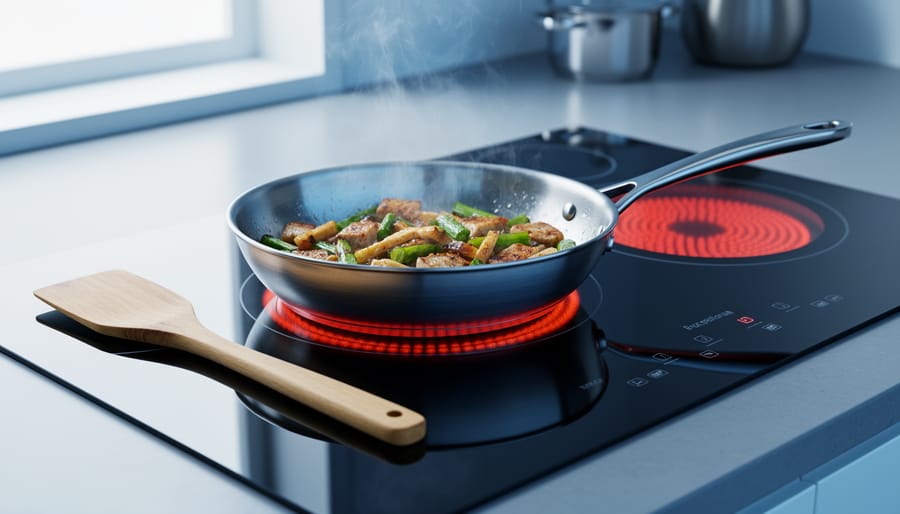
Wok cooking presents similar challenges. The traditional high-flame technique that makes stir-fries so delicious also means you’re working with high-heat cooking and oil splatter in combination. This authentic cooking method, while wonderful for flavor, increases your risk profile considerably.
Frequent searing and sautéing at maximum heat settings also deserves attention. If you regularly cook steaks, sear tuna, or blacken fish at temperatures that make your smoke detector sensitive, you’re in higher-risk territory.
Even holiday cooking counts. That Thanksgiving turkey deep fryer or fondue pot for special occasions still represents a fire hazard worth preparing for. Creating a warm, inviting home includes ensuring those cherished cooking traditions remain safe ones.
Why Fireplace Homes Have Special Considerations
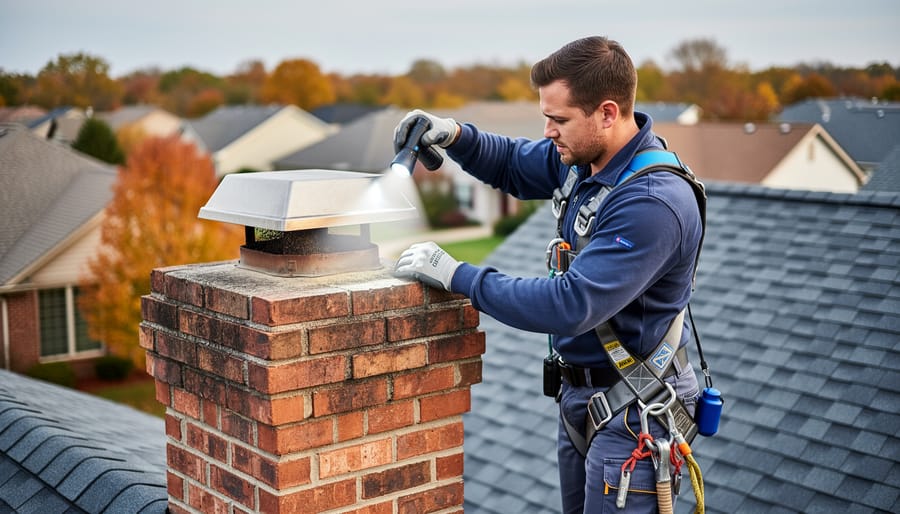
If you’re passionate about creating a warm, inviting home with fireplaces or wood stoves, you’re already embracing one of life’s most comforting lifestyle elements. However, these beautiful features that define your living space come with their own fire safety considerations that deserve attention.
Homes with fireplaces often incorporate diverse heating and cooking setups that extend beyond traditional kitchen appliances. Many fireplace enthusiasts use their hearths for cooking, from roasting marshmallows to preparing full meals over open flames. Others have wood stoves that double as cooking surfaces, or outdoor kitchen areas near fire features. These scenarios create unique fire risks that standard ABC extinguishers might not adequately address, particularly when grease or cooking oils are involved.
Understanding Class K extinguishers becomes part of your comprehensive approach to keeping fires safe while enjoying the ambiance and functionality your fireplace provides. By recognizing these special considerations, you’re not just protecting your property but safeguarding the heart of your home where memories are made around the flames.
Choosing the Right Class K Extinguisher for Your Space
Decoding the Size Ratings
Understanding UL ratings helps you choose the right-sized Class K extinguisher for your space. These ratings indicate how much cooking surface area the extinguisher can effectively cover. You’ll typically see ratings like 2-B:C or 1-A:K on the label, where the number represents the square footage of fire it can handle.
For a typical home kitchen with a standard range or cooktop, a 6-liter Class K extinguisher works beautifully for most situations. This size provides adequate coverage for your everyday cooking surfaces while remaining manageable enough to store under the sink or in a nearby cabinet. Think of it as right-sizing your safety equipment to match your lifestyle—no different than choosing the appropriate heating solution for each room in your home.
If you’re passionate about outdoor cooking with commercial-grade grills or multiple burners, consider stepping up to a larger unit. Outdoor kitchens with built-in ranges, deep fryers, or extensive cooking stations benefit from 9-liter or even larger extinguishers. The extra capacity gives you peace of mind when you’re entertaining and managing multiple heat sources simultaneously. Remember, having adequate fire protection lets you focus on creating those memorable gathering moments around warmth and good food.
Where to Place It (And Where Not To)
Finding the perfect spot for your Class K fire extinguisher is all about balancing quick access with smart safety practices. Think of it as a fire safety companion that needs to be close enough to help but far enough to stay protected.
The golden rule is placement near your cooking area but not directly adjacent to potential fire sources. Mount your extinguisher on the wall within 30 feet of your stove or cooktop, but not right beside it. This distance ensures you can grab it quickly without reaching over flames if a fire erupts. Many homeowners choose a spot just outside the kitchen entrance or along a nearby hallway wall, making it accessible while keeping it clear of the action.
Height matters too. Install it at eye level or slightly below, typically between three and five feet from the floor. This positioning makes it easy to spot during stressful moments and comfortable to lift off its mounting bracket.
Where should you avoid placing it? Never position a fire extinguisher directly above your stove or near other heat-generating appliances like wall-mounted heaters. Prolonged heat exposure can damage the internal pressure mechanism and reduce effectiveness when you need it most. Similarly, avoid tucking it inside cabinets or behind doors where it becomes an out-of-sight, out-of-mind safety tool.
Keep it visible and unobstructed. A fire extinguisher hidden behind decorative items or kitchen supplies defeats its purpose. Creating a warm, welcoming kitchen environment doesn’t mean sacrificing safety visibility. Consider it part of your responsible homeowner toolkit, displayed with pride and ready to protect your home’s heart.
How to Use a Class K Extinguisher When Seconds Count
The Pre-Fire Preparation That Makes All the Difference
Before you ever reach for that Class K fire extinguisher, a few crucial seconds of preparation can mean the difference between successfully managing a kitchen fire and making things worse. Your first move should always be turning off the heat source if it’s safe to do so. Switch off the burner, close the oven door, or shut down any cooking appliance that sparked the fire. This simple action removes the fuel source and prevents the fire from growing.
Next, take a moment to assess the situation honestly. If the fire is small and contained to a single pan or cooking surface, you’re likely in good territory to use your extinguisher. However, if flames are climbing walls, spreading rapidly, or producing thick smoke that makes breathing difficult, it’s time to evacuate immediately and call 911. There’s no shame in recognizing when a situation has exceeded your ability to control it safely.
Make sure everyone else knows to leave the area, creating a clear path to your exit. Stand several feet back from the flames with your back to an exit route. Remember, your safety and your family’s wellbeing always come first. A warm, inviting home is built on the foundation of smart, safe practices, not heroic gestures that put lives at risk.
The Proper Technique for Grease Fires
When a grease fire erupts in your kitchen, staying calm and using the right technique can make all the difference. Class K extinguishers are specifically designed to handle these frightening situations, but they work differently than other fire extinguishers you might be familiar with.
Start by positioning yourself about 6 to 8 feet away from the fire, always keeping an escape route behind you. This distance gives you a safe working range while ensuring the extinguishing agent reaches the flames effectively. Remember, your safety comes first, so if the fire is too large or spreading rapidly, evacuate immediately and call emergency services.
The spray pattern for Class K extinguishers creates a fine mist that gently blankets the burning oil. Use a slow, sweeping motion from side to side, starting at the nearest edge of the fire and gradually working your way across. Unlike the aggressive discharge of other extinguishers, the Class K’s gentle application prevents dangerous splashing of hot grease.
Coverage is key to success. Continue applying the agent even after flames disappear, as the cooling process takes time. The chemical reaction creates a soapy layer that seals off oxygen and cools the oil below its ignition temperature. This saponification process is what makes Class K extinguishers uniquely effective for your kitchen’s safety needs.
Maintaining Your Class K Extinguisher (It’s Easier Than You Think)
The 30-Second Monthly Check
Making safety checks feel like a chore is the fastest way to skip them, so we’ve stripped this down to bare essentials. Once a month, give your Class K extinguisher a quick once-over while you’re tidying up after cooking. Check that the pressure gauge needle sits in the green zone, confirming it’s ready for action. Look for any obvious damage to the canister, nozzle, or hose that might compromise performance when you need it most. Verify that the pull pin is intact and the tamper seal hasn’t been broken accidentally. Finally, ensure nothing’s blocking access to your extinguisher—this isn’t the time to discover it’s buried behind mixing bowls or cookbooks. These visual checks take less time than brewing your morning coffee but provide invaluable peace of mind. Think of it as similar to maintaining your cozy fireplace setup: small, regular attention keeps everything functioning safely and beautifully when it matters most.
When to Recharge or Replace
Maintaining your Class K fire extinguisher is essential for keeping your kitchen safe, especially if you’ve invested in creating a warm, inviting cooking space where family and friends gather. These specialized extinguishers need attention to remain effective when you need them most.
Most Class K extinguishers require professional servicing every year, regardless of whether they’ve been used. This inspection ensures the pressure remains at proper levels and the wet chemical agent hasn’t degraded. After any use, even a quick discharge, your extinguisher needs immediate recharging by a certified professional. Don’t try to refill it yourself, as the specific chemical composition is critical for safely handling kitchen fires.
Look for these warning signs that indicate your extinguisher needs attention: a pressure gauge reading in the red zone, visible damage to the canister or hose, broken tamper seals, or corrosion around the nozzle. The typical lifespan of a well-maintained Class K extinguisher ranges from 5 to 15 years, depending on the manufacturer and model.
Keep records of all inspections and services, either with a tag attached to the unit or in your home maintenance log. Think of this as part of your commitment to maintaining a safe, welcoming home environment. Regular maintenance costs far less than potential fire damage and gives you peace of mind while you’re creating culinary memories.
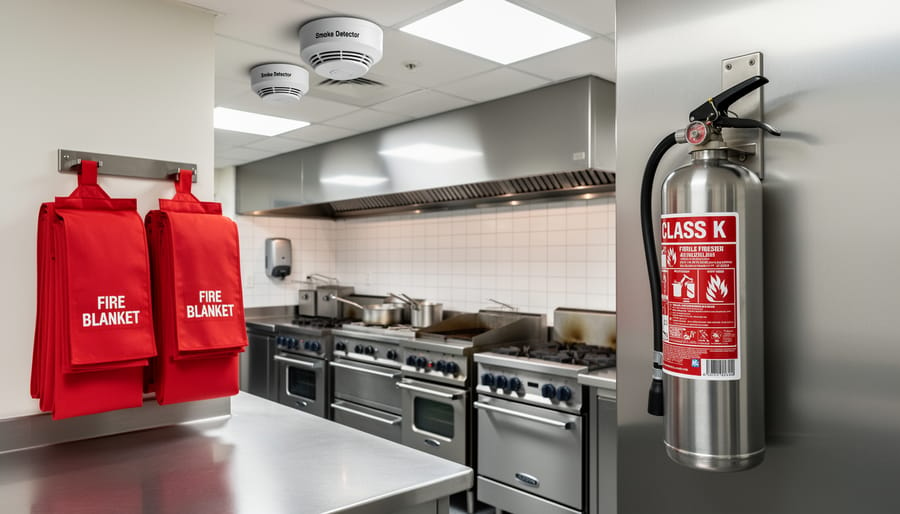
Building a Complete Kitchen Fire Safety Plan
While a Class K fire extinguisher is an essential component of kitchen safety, it works best as part of a comprehensive fire prevention strategy that protects your entire home. Think of it as one layer in your safety net, working alongside other important tools and practices to create a truly secure cooking environment.
Start by positioning your Class K extinguisher within easy reach of your cooking area, but not so close that a fire could block your access to it. Many homeowners mount it just outside the kitchen entrance or near the kitchen doorway. Complement this with a fire blanket stored in a nearby drawer or mounted on the wall. These blankets are excellent for smothering small grease fires and can even protect someone whose clothing catches fire.
Your smoke and heat detectors form another critical layer of protection. Install them near, but not directly above, your cooking surfaces to avoid false alarms while ensuring early fire detection. Test them monthly and replace batteries twice yearly. Many modern homes integrate these with carbon monoxide detectors for comprehensive monitoring, especially important if you enjoy gathering around your fireplace during cooler months.
Prevention remains your strongest defense. Adopting safe cooking practices means never leaving cooking unattended, keeping flammable items away from heat sources, and maintaining clean cooking surfaces free of grease buildup. If you cook near or use your fireplace while preparing meals, ensure adequate clearance between open flames and any combustible materials.
Regular maintenance matters too. Schedule annual inspections of your Class K extinguisher, clean your range hood filters monthly, and have your chimney professionally cleaned if you use a fireplace regularly. This holistic approach creates a warm, welcoming home where safety and comfort coexist beautifully.
There’s something deeply satisfying about knowing your home is truly prepared for whatever comes your way. Understanding Class K fire extinguishers and whether you need one is just one piece of that puzzle, but it’s an important one that deserves your attention. Whether you’ve decided to add a Class K extinguisher to your kitchen or confirmed that your existing ABC extinguisher meets your needs, you’ve taken a meaningful step toward protecting the spaces where your family gathers.
Fire safety doesn’t have to feel overwhelming or intimidating. It’s simply part of creating warm, safe environments where memories are made, meals are shared, and life unfolds comfortably. The same care you put into selecting the perfect firewood or maintaining your fireplace should extend to having the right safety equipment within reach.
Remember that the best fire is one that never starts unexpectedly. Simple habits like staying present while cooking, keeping your kitchen tidy, and maintaining your appliances go hand in hand with having proper extinguishers available. Prevention and preparedness work together to give you the confidence to enjoy your home fully.
Take a moment this week to check your extinguishers, review their locations with family members, and ensure everyone knows the basics. These small actions create a foundation of safety that lets you focus on what really matters: enjoying the warmth, comfort, and joy of your home.