

Gas fireplaces bring undeniable comfort to your living space, but they can silently compromise your indoor air quality and health when not properly maintained or ventilated. Carbon monoxide poisoning, nitrogen dioxide exposure, and particulate matter accumulation represent the most serious threats, particularly in tightly sealed modern homes where fresh air circulation is limited.
Every year, thousands of households experience symptoms ranging from persistent headaches and dizziness to respiratory irritation and flu-like fatigue, often without connecting these issues to their gas fireplace. Children, elderly family members, and anyone with asthma or cardiovascular conditions face heightened vulnerability to these invisible dangers.
The good news? Understanding these risks empowers you to enjoy your fireplace safely. Most health hazards stem from preventable issues like incomplete combustion, inadequate ventilation, or deferred maintenance rather than inherent design flaws. By recognizing warning signs early and implementing straightforward safety measures, you can maintain the cozy ambiance you love while protecting your family’s wellbeing.
This guide breaks down the specific health risks associated with gas fireplaces, helps you identify symptoms that shouldn’t be ignored, and provides practical strategies for creating a safer heating environment. Whether you’re troubleshooting existing concerns or taking proactive steps before problems develop, you’ll discover how to make informed decisions about your home’s heating solutions without sacrificing warmth or peace of mind.
What Actually Comes Out of Your Gas Fireplace
The Invisible Culprits You Can’t See or Smell
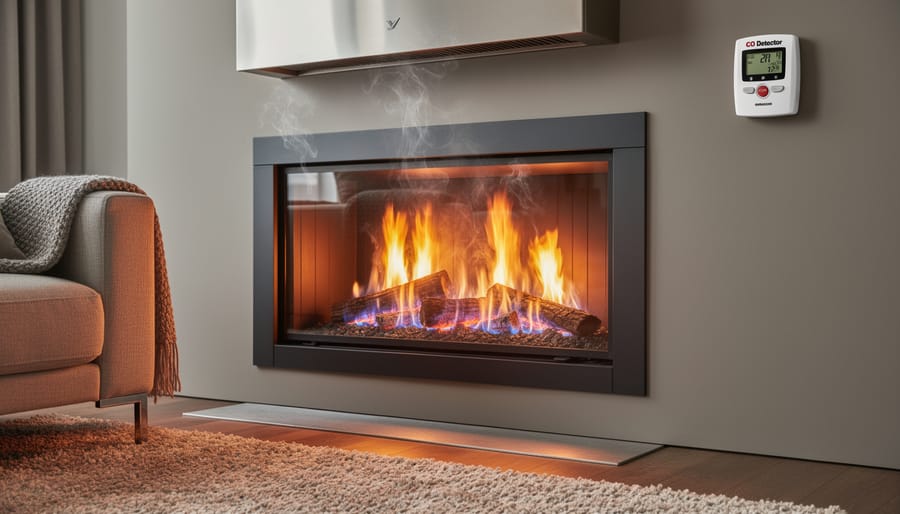
When you flip on your gas fireplace, you’re not just releasing visible flames—you’re also introducing invisible emissions into your home’s air. The primary concern is carbon monoxide, a colorless, odorless gas that can be deadly in high concentrations. Even at lower levels, it causes headaches, dizziness, and fatigue that many homeowners mistakenly attribute to other causes.
But carbon monoxide isn’t working alone. Gas combustion also produces nitrogen dioxide, which irritates your respiratory system and can aggravate asthma and other breathing conditions. This pollutant is particularly troubling because it accumulates gradually in enclosed spaces, affecting your family’s health long before you realize there’s a problem.
Additionally, gas fireplaces release fine particulate matter—tiny particles that penetrate deep into your lungs and potentially enter your bloodstream. While these particles are significantly less than wood-burning alternatives, they still pose risks, especially for children, elderly family members, and anyone with existing respiratory conditions.
The challenge with these pollutants is their stealth nature. Unlike the obvious smoke from a wood fire, gas fireplace emissions seem clean and harmless. This invisible threat makes proper ventilation and regular maintenance absolutely essential for maintaining your home’s healthy indoor environment.
How Gas Fireplaces Compare to Other Fuel Types
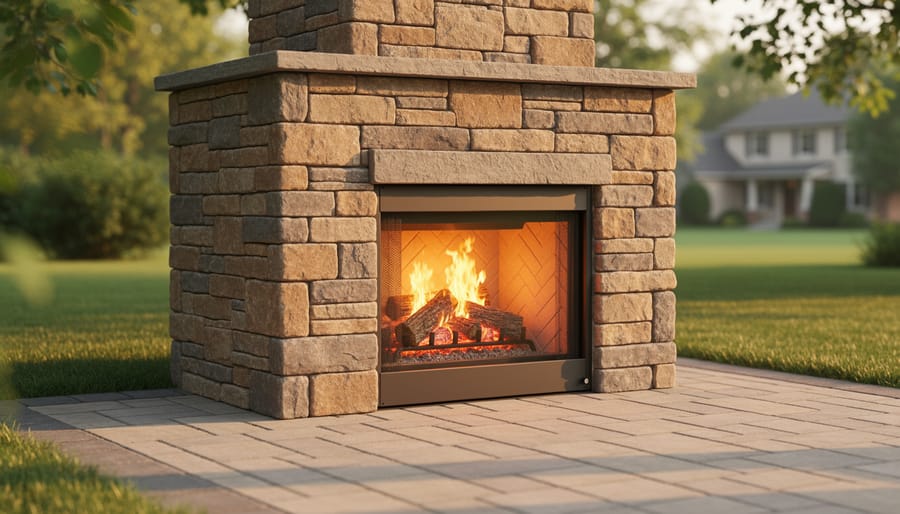
Understanding how gas fireplaces stack up against other fuel types helps provide valuable context for your heating choices. Each fireplace type comes with its own environmental and health considerations.
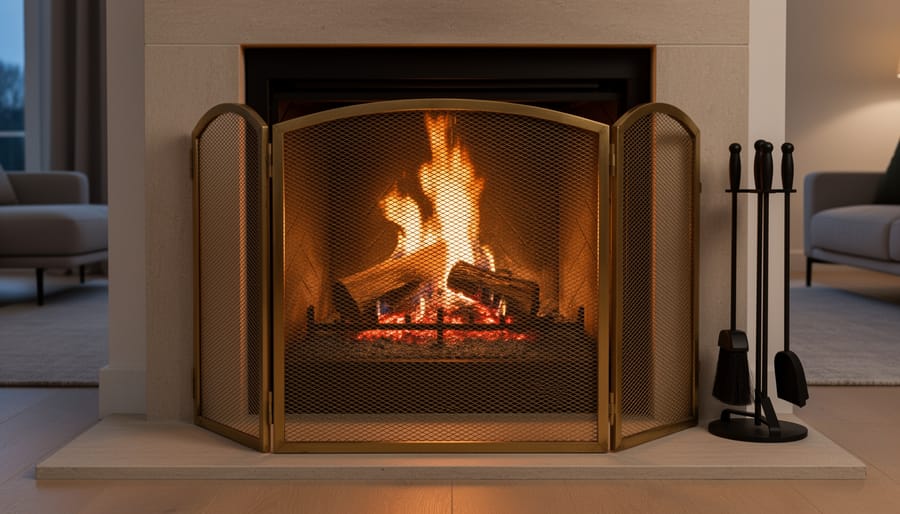
Wood-burning fireplaces, while offering that classic crackling ambiance, produce significantly higher levels of particulate matter and smoke. These traditional hearths release visible soot and ash that can affect indoor air quality and respiratory health, especially when ventilation isn’t optimal. The emissions from wood combustion contain numerous compounds that can irritate airways.
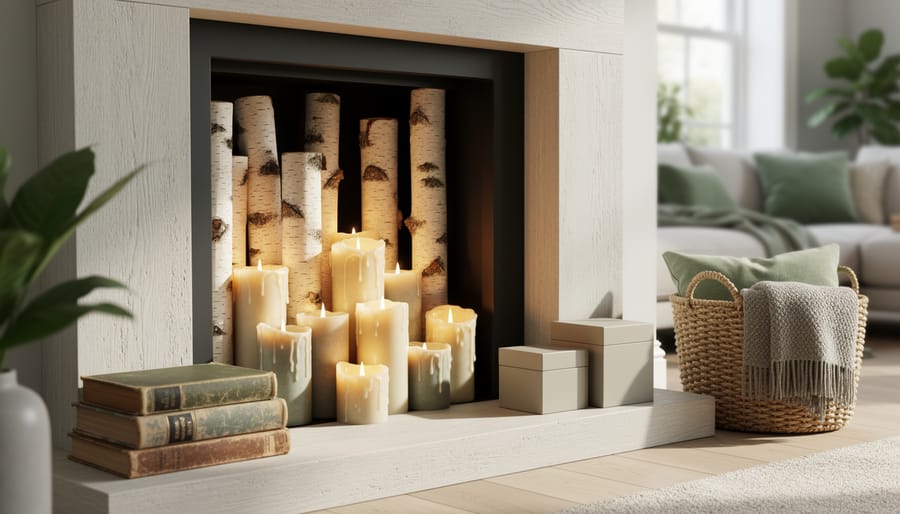
Bioethanol fireplaces burn cleaner than wood but still consume indoor oxygen and produce carbon dioxide and water vapor. While they create minimal soot, proper ventilation remains essential for maintaining healthy air quality.
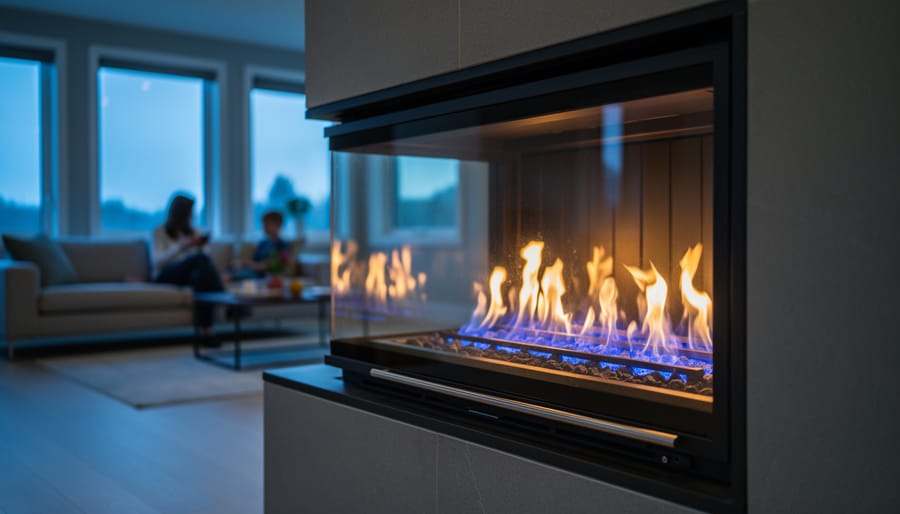
Gas fireplaces generally produce fewer particulates than wood-burning options and offer more predictable emissions. However, they still release carbon monoxide, nitrogen dioxide, and require proper venting to ensure safety.
The key takeaway? Every fireplace type demands respect for proper installation, regular maintenance, and adequate ventilation. Your choice depends on balancing lifestyle preferences, environmental values, and your home’s specific ventilation capabilities. Whatever fuel type you choose, prioritizing air quality through smart usage and maintenance practices keeps your home both cozy and healthy.
Real Health Risks You Should Know About
Respiratory Issues and Indoor Air Quality
While gas fireplaces offer wonderful ambiance and efficient heating for your home, it’s important to understand how they can affect the air you breathe. Even properly functioning gas fireplaces produce combustion byproducts that may impact respiratory health, particularly for sensitive individuals.
When natural gas or propane burns, it releases nitrogen dioxide, carbon monoxide, and fine particulate matter into your living space. These emissions can irritate the respiratory system, causing symptoms you might not immediately connect to your fireplace. Many homeowners report experiencing increased coughing, throat irritation, or a scratchy feeling after running their gas fireplace for extended periods.
For those with asthma or chronic obstructive pulmonary disease (COPD), these emissions can trigger more serious reactions. You might notice increased wheezing, chest tightness, or more frequent need for rescue inhalers. Children and elderly family members are particularly vulnerable, as their respiratory systems are either still developing or already compromised.
Even if you don’t have pre-existing conditions, poor indoor air quality from gas fireplace emissions can cause headaches, fatigue, and sinus congestion. Some people describe feeling stuffy or experiencing shortness of breath when their fireplace runs frequently during colder months.
The good news is that awareness is the first step toward creating a healthier home environment. Understanding these potential impacts allows you to take proactive measures to protect your family while still enjoying your fireplace’s comforting warmth.
Carbon Monoxide: The Silent Threat
Carbon monoxide (CO) is often called the silent threat for good reason. This colorless, odorless gas can build up in your home without any warning signs until symptoms appear. When gas fireplaces don’t burn fuel completely or when ventilation systems malfunction, CO can accumulate to dangerous levels.
Understanding the symptoms of carbon monoxide poisoning is essential for every homeowner. Acute exposure symptoms include headaches, dizziness, nausea, confusion, and fatigue. Many people mistake these signs for the flu, which is why CO poisoning is often overlooked. In severe cases, high concentrations can lead to loss of consciousness or even be fatal.
Chronic exposure to lower levels of carbon monoxide is equally concerning but harder to detect. Over time, repeated exposure can cause persistent headaches, memory problems, difficulty concentrating, and cardiovascular issues. You might notice these symptoms improve when you leave your home, which can be a telltale sign.
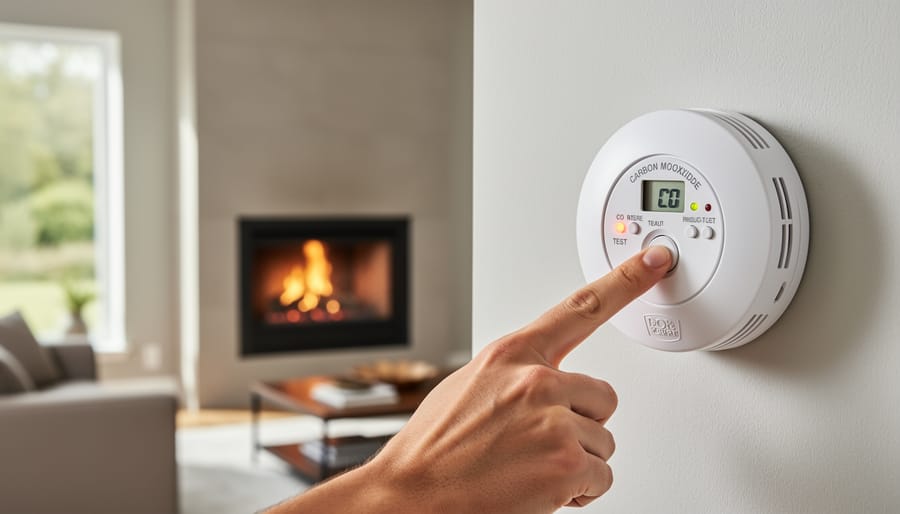
The good news is that CO poisoning is entirely preventable with proper precautions. Installing carbon monoxide detectors near your gas fireplace and in sleeping areas provides a critical early warning system. Regular professional inspections ensure your fireplace burns cleanly and vents properly, keeping your family safe while you enjoy the warmth and ambiance of your hearth.
Who’s Most at Risk in Your Home
While gas fireplaces create a cozy ambiance for any household, it’s important to recognize that some family members face heightened sensitivity to indoor air quality concerns. Understanding your household’s unique vulnerabilities helps you make informed decisions about fireplace use and maintenance.
Young children and infants are particularly susceptible because their respiratory systems are still developing and they breathe more rapidly than adults, taking in more air relative to their body size. Similarly, elderly family members often have reduced lung capacity and may be managing other health conditions that compound exposure risks.
If you’re expecting a baby, it’s worth noting that pregnant women should be especially mindful of carbon monoxide and nitrogen dioxide exposure, as these can affect both maternal health and fetal development. Anyone in your home living with asthma, COPD, or other respiratory conditions may experience aggravated symptoms from combustion byproducts, even at levels others might not notice.
Those with cardiovascular disease also fall into the higher-risk category, as carbon monoxide exposure can strain the heart and circulatory system. If anyone in your household fits these profiles, prioritizing regular professional maintenance, ensuring proper ventilation, and installing quality carbon monoxide detectors becomes even more critical for maintaining that warm, safe haven you’re creating.
Warning Signs Your Gas Fireplace Needs Attention
Physical Symptoms to Watch For
Your body often signals when something’s not quite right with your indoor air quality. If you notice persistent headaches, particularly when your gas fireplace is running, this could be your first clue that something needs attention. Dizziness and unexplained fatigue are also common indicators that combustion byproducts may be affecting your home’s air.
Pay attention to respiratory symptoms like shortness of breath, chest tightness, or a persistent cough that seems worse when you’re gathered around your cozy fireplace. Eye, nose, and throat irritation can also point to poor ventilation or incomplete combustion. Some people experience flu-like symptoms that mysteriously improve when they leave home.
If multiple family members develop similar symptoms simultaneously, this is particularly telling. Children, elderly family members, and anyone with existing respiratory conditions may be more sensitive to air quality issues. These symptoms don’t necessarily mean you need to abandon your fireplace lifestyle altogether, but they do warrant immediate investigation. Think of them as your home’s way of asking for a check-up, ensuring your heating solution remains both comforting and safe.
Visual and Operational Red Flags
Your gas fireplace often communicates when something’s wrong, and learning to recognize these signals helps protect your family’s health. A properly functioning gas fireplace burns with steady blue flames, but if you notice yellow or orange flames, that’s your first red flag. This color change indicates incomplete combustion, which means carbon monoxide and other harmful gases may be entering your living space instead of venting safely outside.
Keep an eye out for soot accumulation around the fireplace opening or on the glass doors. While a little dust is normal, excessive black residue signals poor combustion and inadequate ventilation. Similarly, if you detect persistent gas odors, even faint ones, never ignore them. Natural gas companies add that distinctive smell specifically to alert you to potential leaks.
Watch your pilot light behavior too. If it frequently goes out, burns irregularly, or appears weak, these issues often point to ventilation problems or component wear that needs professional attention. Condensation forming on windows near your fireplace or experiencing unexplained headaches when the fireplace runs also warrant immediate investigation. These observable signs aren’t meant to alarm you, but rather empower you to take action before minor maintenance needs become serious health concerns.
When to Call a Professional Immediately
While gas fireplaces are generally safe when properly maintained, certain situations demand immediate professional attention to protect your family’s health and safety. Contact a certified gas fireplace technician right away if you notice a strong gas odor, which could indicate a dangerous leak. Similarly, if your carbon monoxide detector sounds an alarm, evacuate immediately and call emergency services before contacting a professional to inspect your fireplace system.
Physical symptoms deserve serious attention too. If multiple household members experience sudden headaches, dizziness, nausea, or flu-like symptoms that improve when away from home, these could signal carbon monoxide exposure. Don’t wait to investigate the cause.
Other urgent warning signs include yellow or orange flames instead of the typical blue color, excessive soot buildup appearing suddenly, visible cracks in the fireplace glass or ceramic logs, and pilot lights that frequently go out. These issues can compromise your indoor air quality and create hazardous conditions.
Remember, addressing these concerns promptly isn’t about panic—it’s about being a responsible homeowner who prioritizes your family’s wellbeing and the longevity of your heating investment.
Making Your Gas Fireplace Safer for Everyone
Ventilation: Your First Line of Defense
Think of ventilation as your fireplace’s breathing system—when it works properly, everyone in your home breathes easier too. The type of gas fireplace you have makes a significant difference in air quality and safety.
Vented gas fireplaces draw combustion air from outside and exhaust harmful byproducts through a chimney or direct vent system. They’re your safest bet because they keep combustion gases separate from your living space. Ventless (or vent-free) units, on the other hand, release all combustion byproducts directly into your home. While they’re designed with oxygen depletion sensors and must meet strict standards, they still introduce moisture, carbon dioxide, and trace pollutants into your indoor air.
No matter which type you have, improving air circulation creates a healthier environment. Open a window slightly in an adjacent room when running your fireplace—even just an inch helps. This creates gentle cross-ventilation without chilling your space. Installing or using existing ceiling fans on low speed (set to push warm air down in winter) distributes heat more evenly while preventing stagnant air pockets.
Consider your fireplace part of your home’s eco-friendly heating approach by pairing it with good ventilation habits. Fresh air circulation not only protects your health but also helps your fireplace operate more efficiently, giving you that cozy ambiance you love without compromise.
Maintenance Schedule That Actually Protects Your Family
Protecting your family’s health starts with a simple, consistent maintenance routine. Here’s a realistic schedule that fits into your life without feeling overwhelming.
Every month, take five minutes to visually inspect your gas fireplace. Look for soot buildup on the glass or around the logs, check that the flames burn blue (yellow or orange flames signal incomplete combustion), and ensure the glass door seals properly. These quick checks catch problems before they affect your indoor air quality.
Schedule a professional inspection annually, ideally before heating season begins. A certified technician will examine the venting system, test for carbon monoxide leaks, clean burner ports, and verify proper gas pressure. This investment typically costs between $75 and $150 but prevents thousands in repairs and protects your family’s wellbeing.
Between professional visits, clean the glass doors monthly during regular use. Buildup reduces efficiency and indicates combustion issues. Check your owner’s manual for approved cleaning methods, and remember that quality fuel considerations matter for cleaner burning.
Test your carbon monoxide detectors monthly and replace batteries twice yearly. Position detectors on every floor, especially near bedrooms and within fifteen feet of your fireplace.
Keep a maintenance log noting inspection dates, repairs, and any unusual odors or flame patterns. This record helps technicians identify developing issues and gives you peace of mind knowing your cozy gathering spot remains safe for everyone.
Essential Safety Equipment Every Gas Fireplace Owner Needs
Protecting your home and family starts with the right safety equipment. A carbon monoxide detector is absolutely essential for any gas fireplace owner. Place one within 15 feet of your fireplace and on every level of your home, especially near sleeping areas. Test these detectors monthly and replace batteries twice yearly (a good reminder is during daylight saving time changes).
Consider adding an air quality monitor to track indoor pollutants like nitrogen dioxide and particulate matter. These smart devices alert you when ventilation is needed and help you maintain a healthier living environment. For comprehensive protection, keep a multipurpose fire extinguisher rated for gas fires within easy reach of your fireplace.
Don’t forget about professional maintenance equipment too. Annual inspections by certified technicians using specialized tools can catch problems before they affect your family’s health. Many modern eco-friendly heating solutions now include built-in sensors that provide real-time safety monitoring, giving you peace of mind while you enjoy the warmth and ambiance of your fireplace.
Smart Usage Habits for Healthier Air
Enjoying your gas fireplace doesn’t mean compromising air quality. Limit continuous operation to 2-3 hours at a time, giving your home’s ventilation system time to refresh indoor air. Crack a window slightly during extended burns, especially in smaller rooms, to encourage gentle air circulation without losing all your cozy warmth. Think of it as inviting fresh air to mingle with your fireside ambiance. Use your fireplace intentionally rather than constantly—save it for evenings when you’re truly present to enjoy it. Consider running an air purifier in adjacent rooms during fireplace use. This balanced approach lets you embrace the lifestyle warmth of your fireplace while keeping your family’s health front and center, proving that comfort and wellness can absolutely coexist.
Considering Alternatives: Weighing Your Options
Bioethanol: A Cleaner-Burning Choice
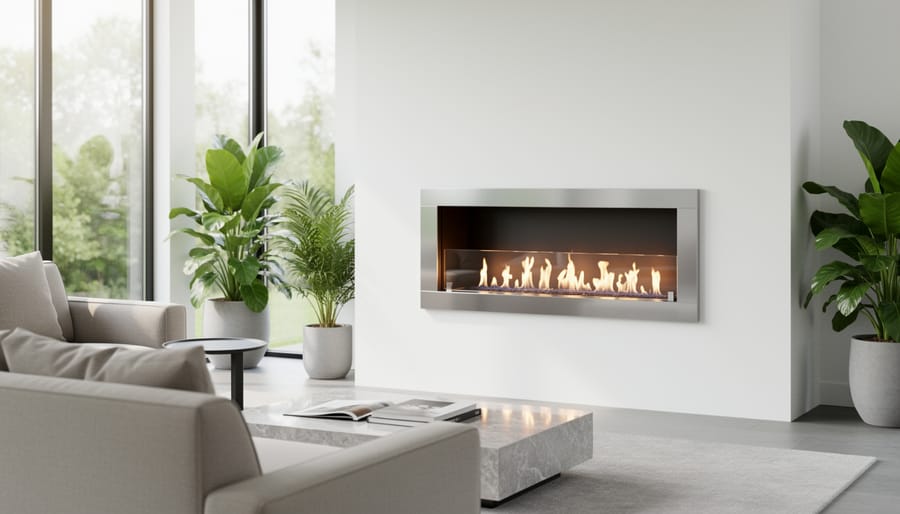
Bioethanol fireplaces offer a compelling middle ground for homeowners concerned about indoor air quality. These units burn denatured ethanol, producing primarily water vapor and carbon dioxide—similar to what you exhale—without the combustion byproducts that gas fireplaces release. There’s no need for venting or gas lines, which means no risk of carbon monoxide leaks or nitrogen dioxide accumulation in your living space.
The real-world benefit? Cleaner indoor air and less maintenance hassle. Bioethanol fireplaces don’t require chimney cleaning or annual inspections like their gas counterparts. However, they do produce moisture and consume oxygen, so adequate ventilation remains important, especially in smaller rooms. They’re also best suited for ambiance rather than primary heating. If you’re exploring eco-friendly alternatives that prioritize both your health and home atmosphere, bioethanol deserves consideration as a practical, lower-risk option.
Electric Fireplaces for Zero Emissions
If you’re prioritizing indoor air quality above all else, electric fireplaces offer the cleanest option available. They produce zero emissions, require no venting, and eliminate concerns about carbon monoxide, nitrogen dioxide, or combustion byproducts. This makes them ideal for anyone with respiratory sensitivities, allergies, or young children in the home.
While electric fireplaces may lack the authentic flame of gas or wood-burning units, modern technology has made significant strides in creating realistic-looking flames and ember beds. The trade-off is simple: you sacrifice some ambiance for complete peace of mind about your family’s health.
Electric models also shine as eco-friendly heating solutions when powered by renewable energy sources. They’re virtually maintenance-free, eliminate the need for gas line installations, and give you precise control over heat output. For homeowners who view their fireplace as both a lifestyle element and a health-conscious choice, electric options deliver warmth and ambiance without compromise to indoor air quality.
When Upgrading Your Gas System Makes Sense
Modern gas fireplaces have come a long way in addressing health concerns that plagued older models. If your current fireplace is more than 15 years old or lacks proper venting, upgrading could be your best solution for maintaining convenience while protecting your family’s wellbeing. Today’s advanced models feature sealed combustion systems that draw air from outside rather than your living space, dramatically reducing indoor air quality issues. They also include oxygen depletion sensors and automatic shut-off features that older units simply don’t have. These eco-friendly heating solutions burn cleaner and more efficiently, producing fewer emissions while lowering your energy bills. Consider upgrading if you’re experiencing persistent headaches, noticing soot buildup, or if your current system lacks safety certifications. You might even explore dual fuel fireplace options that give you flexibility between gas and wood, letting you choose based on your comfort level and lifestyle needs while keeping that cozy ambiance you love.
The good news is that gas fireplaces can absolutely be part of your safe, cozy home when you approach them with the right knowledge and habits. Understanding the potential health risks isn’t meant to frighten you away from enjoying those flickering flames on a chilly evening. Instead, it empowers you to create the warm, inviting atmosphere you love while protecting what matters most: your family’s wellbeing.
Think of gas fireplace safety as similar to any other home system that requires attention. Your furnace needs regular maintenance, your smoke detectors need fresh batteries, and your gas fireplace deserves the same thoughtful care. The difference between a potential hazard and a wonderful lifestyle element often comes down to simple, manageable steps.
If you haven’t already, schedule a professional inspection within the next month. Make it an annual tradition, just like preparing your home for the changing seasons. Install carbon monoxide detectors if you don’t have them, and test them monthly. Check your fireplace’s ventilation system and watch for those warning signs we discussed earlier.
These aren’t burdensome tasks. They’re small investments in peace of mind that let you fully enjoy those moments curled up with loved ones, watching the gentle glow of your fireplace. You deserve both the warmth and the safety. With awareness and action, you can have both, creating a home that’s not just beautiful and comfortable, but genuinely healthy for everyone who gathers around your hearth.