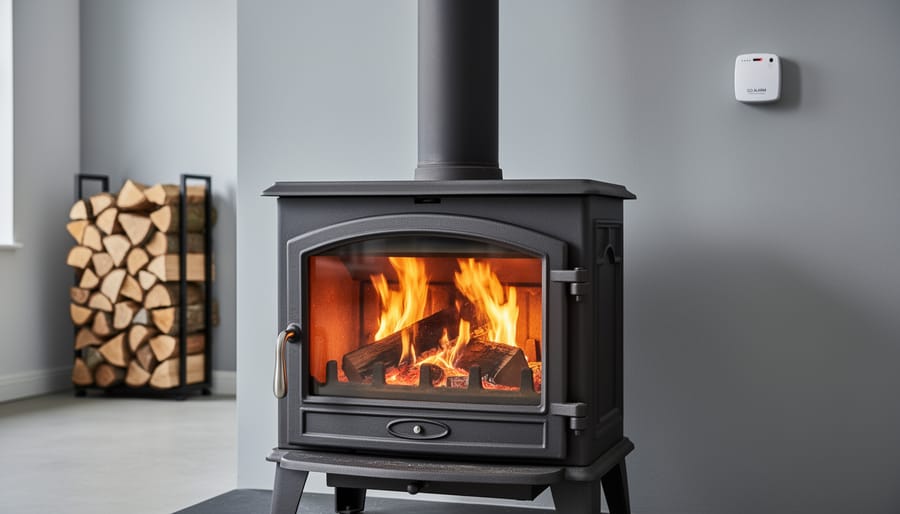


Schedule a professional chimney inspection before each heating season to identify creosote buildup, cracks, or blockages that could spark a house fire or allow deadly carbon monoxide into your living spaces. Install carbon monoxide detectors on every level of your home, testing them monthly and replacing batteries twice yearly—this simple step protects your family from the silent killer that claims hundreds of lives annually from improperly vented heating appliances.
Maintain a three-foot safety zone around all heating stoves, keeping furniture, curtains, decorations, and especially flammable materials like newspapers and kindling at a safe distance. Never leave fires unattended, and always use a sturdy screen or glass door to contain sparks and embers that could ignite carpets or nearby objects.
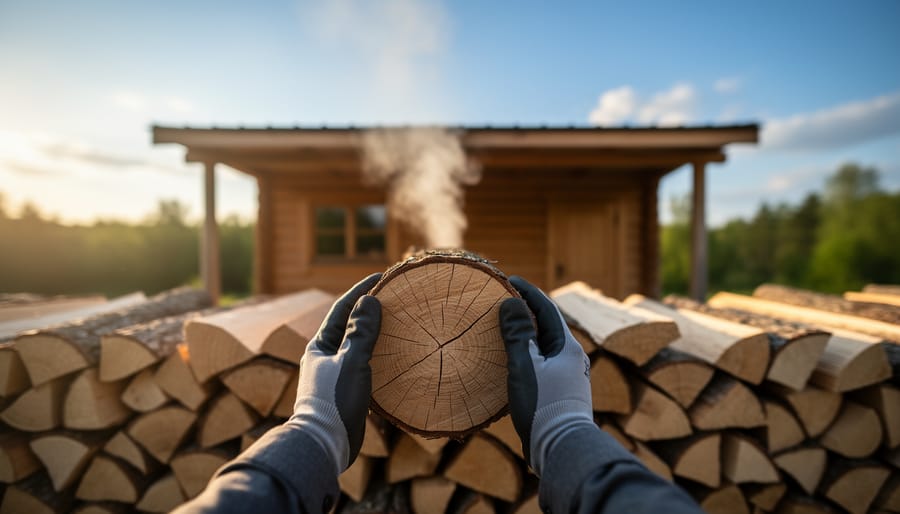
Burn only seasoned hardwood with moisture content below 20 percent in wood-burning stoves, as wet or green wood creates excessive creossmoke—a highly flammable tar-like substance that coats chimney walls and dramatically increases fire risk. Empty ash containers into metal receptacles with tight-fitting lids, storing them outside and away from your home since embers can remain hot for days after a fire appears completely extinguished.
The warmth and ambiance of a home heating stove transforms cold winter evenings into cozy family gatherings, but these benefits depend entirely on following essential safety protocols. Whether you’re a first-time stove owner or a seasoned fireplace enthusiast, understanding and implementing proper heating safety measures protects your home, your family, and your peace of mind throughout the heating season.
Why Heating Stove Safety Matters More Than You Think
Every year, heating stoves bring warmth and comfort to millions of homes, yet statistics reveal a sobering reality: the National Fire Protection Association reports that heating equipment is involved in one out of every seven home fires. More than half of home heating fire deaths occur during the coldest months of December, January, and February. Beyond fires, carbon monoxide poisoning from improperly maintained stoves sends thousands to emergency rooms annually, while preventable burns affect families who simply didn’t know the proper safety protocols.
Here’s the encouraging news: research shows that up to 90% of heating-related accidents could be prevented with straightforward safety measures. Whether you’re cozying up to a traditional fireplace, using an outdoor wood stove, or relying on a pellet stove for eco-friendly heating, understanding basic safety protocols doesn’t mean compromising your comfort or lifestyle. It simply means enjoying your heat source with confidence and peace of mind.
The reality is that heating stoves are remarkably safe when treated with respect and maintained properly. Most accidents stem from simple oversights: forgetting annual inspections, neglecting proper clearances from combustibles, or misunderstanding how your specific heating system operates. Think of heating safety as an investment in your home’s ambiance and your family’s wellbeing rather than a burden.
This guide will walk you through practical, actionable steps that fit seamlessly into your routine. From pre-season preparation to daily operation, you’ll discover that staying safe is about building smart habits, not living in fear. Let’s transform your heating experience into one that’s both wonderfully warm and worry-free.
Before You Light That First Fire: Pre-Season Safety Checklist
Professional Inspection and Chimney Sweep
Think of your heating system as a hardworking member of your household—it deserves regular checkups to keep performing safely and efficiently. Professional chimney sweeps and heating technicians aren’t just a luxury; they’re essential partners in maintaining a safe, warm home.
For most homeowners using wood-burning fireplaces or various stove types, annual inspections should happen before the heating season begins, typically in late summer or early fall. If you burn wood frequently—more than 70 fires per year—you might need inspections twice annually. Gas and pellet systems generally require annual checkups as well.
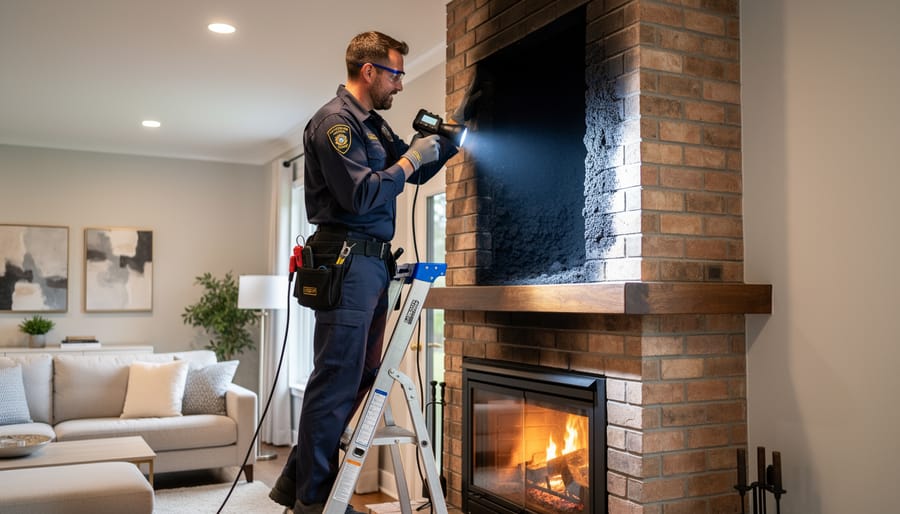
What exactly are professionals looking for? The primary concern is creosote buildup, a sticky, highly flammable residue that accumulates inside chimneys when wood burns. Even a quarter-inch of creosote can ignite into a dangerous chimney fire. Certified sweeps use specialized brushes and vacuums to remove this hazardous material safely, dramatically reducing fire risk.
Beyond cleaning, inspectors examine structural integrity—checking for cracks in the chimney liner, damaged mortar, blockages from debris or animal nests, and proper ventilation. They’ll test carbon monoxide detectors, verify adequate airflow, and ensure your damper operates correctly. These professionals can spot issues invisible to untrained eyes, like deteriorating flue tiles or water damage that compromises your system’s safety.
This investment protects both your family and your home, often paying for itself by preventing costly emergency repairs or dangerous situations.
DIY Safety Inspection You Can Do Yourself
Taking charge of your heating system’s safety doesn’t require professional tools or expertise. Start your inspection by examining the door gasket, that rope-like seal around your stove or fireplace door. Run your hand along it checking for compressed, brittle, or missing sections. A simple dollar bill test works wonders: close the door on a dollar bill and try pulling it out. If it slides easily, your gasket needs replacing.
Next, inspect the glass viewing panel for cracks, chips, or clouding that could indicate overheating. Even hairline cracks compromise safety and require immediate replacement. Check door latches to ensure they close firmly and hold tight without wiggling.
Move outside to examine your chimney cap and spark arrestor for debris, bird nests, or rust damage. Inside, look up your flue with a flashlight to spot any obvious creosote buildup or blockages.
Don’t forget ventilation components. Test that air intake vents open and close smoothly, and remove any dust or pet hair buildup. Finally, verify your carbon monoxide detector is functioning and positioned within fifteen feet of your heating appliance. These simple checks, performed monthly during heating season, keep your home safe while maintaining that cozy warmth you love.
Setting Up Your Safety Zone
Creating a protective zone around your heating stove is essential for worry-free warmth. Start by maintaining proper clearances from combustible materials like furniture, curtains, and walls. Most stoves require at least 36 inches of space on all sides, though your model’s specifications may vary. Install a noncombustible hearth pad extending at least 18 inches beyond the stove’s front and 8 inches on the sides to catch any stray sparks or embers. Consider materials like tile, stone, or specially rated hearth boards that can withstand high temperatures. This protective barrier not only prevents accidental fires but also adds an attractive design element to your space. Keep firewood, kindling, and other flammable items well outside this safety perimeter, storing them at a safe distance. If you have children or pets, a decorative fireplace screen or safety gate can provide an additional layer of protection while maintaining your home’s aesthetic appeal.
Daily Operation: Safe Lighting and Burning Practices
The Right Way to Start Your Fire
Starting your fire the right way makes all the difference between a cozy, efficient burn and a smoky, frustrating experience. Begin with a clean firebox, removing all ash from previous fires to ensure proper airflow. The top-down burn method is your best friend here—it’s cleaner, safer, and produces less smoke than traditional bottom-up approaches.
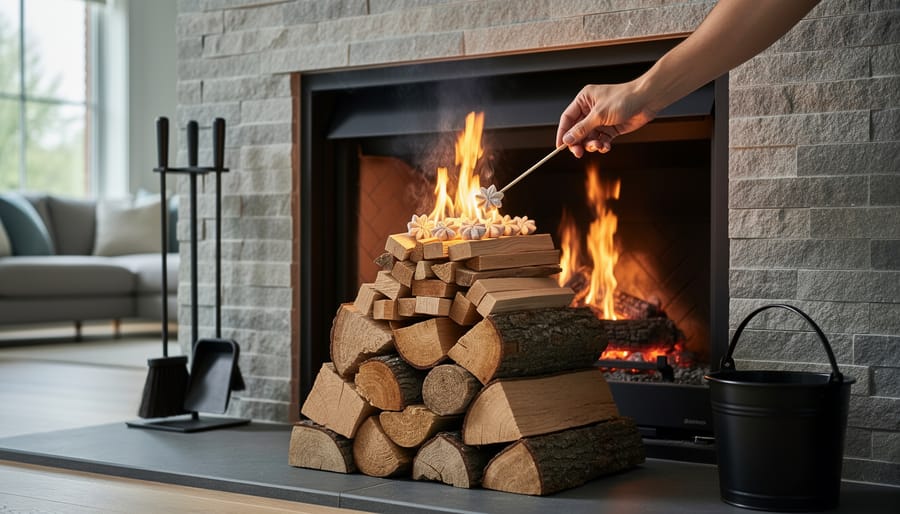
To build your fire, place your largest logs on the bottom of the firebox, parallel to each other. Add a second layer of medium-sized logs perpendicular to the first, then a layer of smaller kindling on top. Finally, place crumpled newspaper or natural firestarters at the very top. Light from the top down, and you’ll enjoy a fire that ignites gradually, burns more completely, and sends less smoke into your home.
Here’s what to avoid: never use gasoline, lighter fluid, or other accelerants to start your fireplace. These create dangerous flare-ups and release toxic fumes into your living space. Stick with natural firestarters, dry kindling, or newspaper. Keep matches and lighters stored safely away from children and pets, and always open your damper fully before lighting. This simple preparation creates the foundation for hours of safe, comfortable warmth.
What to Burn (and What Never to Burn)
Choosing the right fuel for your heating stove isn’t just about efficiency—it’s essential for your family’s safety and the longevity of your equipment. Understanding what belongs in your firebox and what should stay far away can prevent dangerous situations and keep your home cozy all season long.
For wood-burning stoves and fireplaces, seasoned hardwood is your best friend. This means wood that’s been dried for at least six months to a year, with a moisture content below 20%. Oak, maple, and ash are excellent choices that burn hot, clean, and long. You’ll know your wood is properly seasoned when it has cracks at the ends and makes a hollow sound when knocked together. Green or wet wood creates excessive smoke, dangerous creosote buildup, and provides far less heat—essentially wasting your effort and money.
Now for the never-burn list: treated lumber, painted wood, plywood, and particleboard release toxic chemicals when burned that can harm your family and damage your stove. The same goes for household trash, cardboard with colored ink, magazines, and wrapping paper. These materials produce harmful fumes and accelerate creosote accumulation in your chimney, significantly increasing fire risk.
If you’re exploring modern fire stove options, consider eco-friendly alternatives like compressed wood pellets, which burn cleaner than traditional cordwood, or natural gas and propane systems that offer convenience with reduced emissions. Whatever fuel you choose, always match it to your specific stove type—using the wrong fuel can void warranties and create serious safety hazards.
Managing Your Fire Throughout the Day
Once your fire is burning steadily, maintaining it properly throughout the day is essential for both safety and efficiency. Think of your stove or fireplace as a partnership—give it the right attention, and it’ll reward you with consistent warmth and peace of mind.
Start by mastering your air controls. These regulate oxygen flow to the fire, which directly affects burn temperature and efficiency. Too much air creates an overly hot, wasteful fire that can damage your stove and chimney. Too little air leads to incomplete combustion, creating creosote buildup and reducing heat output. Adjust controls gradually, waiting 15-20 minutes between changes to see the full effect.
A stove thermometer is your best friend here. Place it on the stovetop or stovepipe according to manufacturer guidelines. The ideal burn temperature typically falls between 300-500°F. Below this range, you’re likely creating excessive smoke and creosote. Above it, you risk over-firing, which can warp metal components and create dangerous flue temperatures.
Over-firing happens when fires burn too hot, often from leaving air controls fully open or loading too much fuel at once. Watch for warning signs like glowing red metal or a roaring sound from your chimney. If this occurs, close air controls immediately and never attempt to cool the fire with water.
Regular fuel additions maintain steady temperatures. Add wood before the fire burns too low, allowing new logs to catch from existing coals rather than starting fresh each time.
The Carbon Monoxide Threat You Can’t See or Smell
Installing and Maintaining CO Detectors
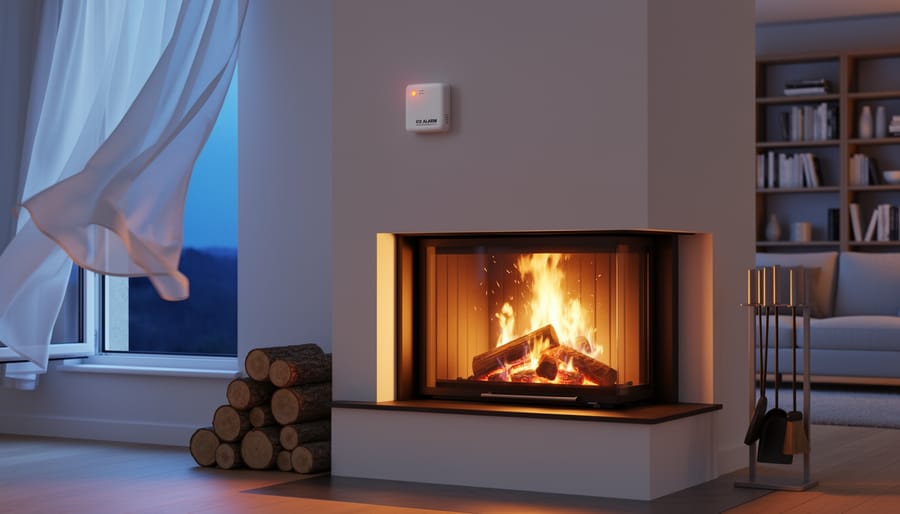
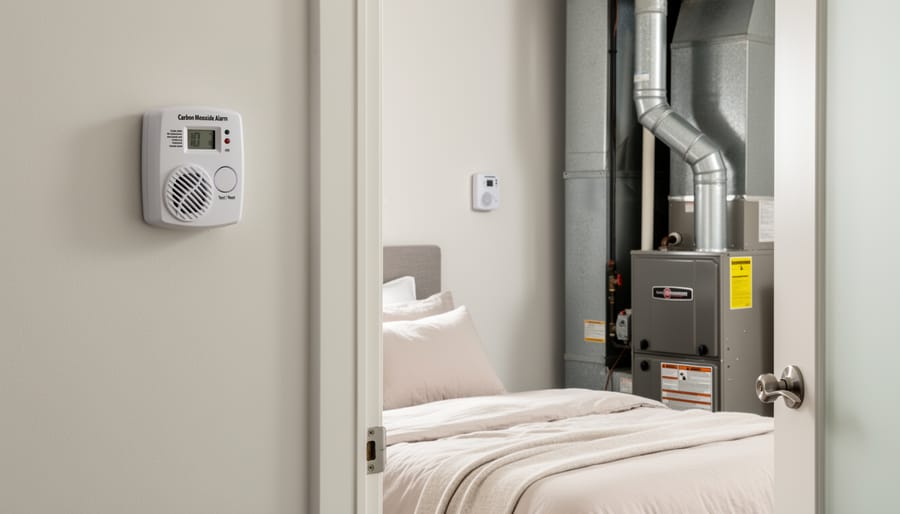
Carbon monoxide detectors are absolutely essential in any home with a heating stove, and installing them correctly makes all the difference. Place your first detector on the ceiling or high on the wall in the room where your stove is located, since CO rises with warm air. You’ll also want detectors on every level of your home, especially near sleeping areas, so everyone can hear the alarm if it sounds during the night.
Plan to install at least one detector within fifteen feet of your heating appliance, but not so close that normal operation triggers false alarms. For homes with multiple fireplaces or stoves, each heating area needs its own detector. Think of it as creating layers of protection for your family.
Test your detectors monthly by pressing the test button, and mark your calendar so it becomes routine. Replace batteries twice yearly when you change your clocks, or choose models with ten-year sealed batteries for less maintenance. The detectors themselves need replacing every five to seven years, as sensors lose sensitivity over time.
Keep your detector manuals handy and note the expiration dates right on the units. This simple investment in proper detection and maintenance creates peace of mind, letting you enjoy your cozy, eco-friendly heating solution while knowing your home is protected.
Ventilation Essentials
Think of your heating system as needing to breathe, just like you do. Proper ventilation isn’t just a nice-to-have—it’s absolutely essential for safe heating in your home. When your fireplace or stove burns fuel, it consumes oxygen and produces combustion gases that need somewhere to go. Without adequate airflow, you’re setting the stage for dangerous conditions.
Draft is the natural upward flow of air through your chimney, created by the difference between warm indoor air and cooler outdoor air. Strong, consistent draft pulls combustion gases up and out while drawing fresh air in for combustion. You’ll know you have good draft when your fire starts easily, burns vigorously, and produces minimal smoke in your living space.
Warning signs of poor ventilation include smoke backing up into your room, difficulty getting fires started, excessive soot buildup, persistent smoky odors, and unexplained headaches or fatigue when your heating system is running. These red flags demand immediate attention.
Here’s something many homeowners don’t realize: today’s energy-efficient, tightly sealed homes can actually starve your heating system of oxygen. This is where makeup air becomes crucial. Your heating appliance needs a reliable source of fresh air for combustion. Consider installing a dedicated outdoor air intake, or at least crack a window in the room when your system is operating. This simple step ensures your heating system performs safely and efficiently while protecting your family from carbon monoxide buildup and incomplete combustion. Remember, fresh air isn’t your enemy—it’s your partner in creating a warm, safe, and inviting home atmosphere.
Fire Safety Equipment Every Heating Stove Owner Needs
Smoke Detectors and Fire Extinguishers
Your home’s heating system deserves a robust safety net, and that starts with properly equipped smoke detectors and fire extinguishers. Think of these as your home’s guardians, silently standing watch while you enjoy the warmth and comfort of your fireplace or wood stove.
For smoke detectors, install them on every level of your home, particularly near sleeping areas and within ten feet of your heating appliance. Test them monthly by pressing the test button, and replace batteries twice yearly—many people align this with daylight saving time changes as an easy reminder. Replace the entire unit every ten years, as sensors lose effectiveness over time.
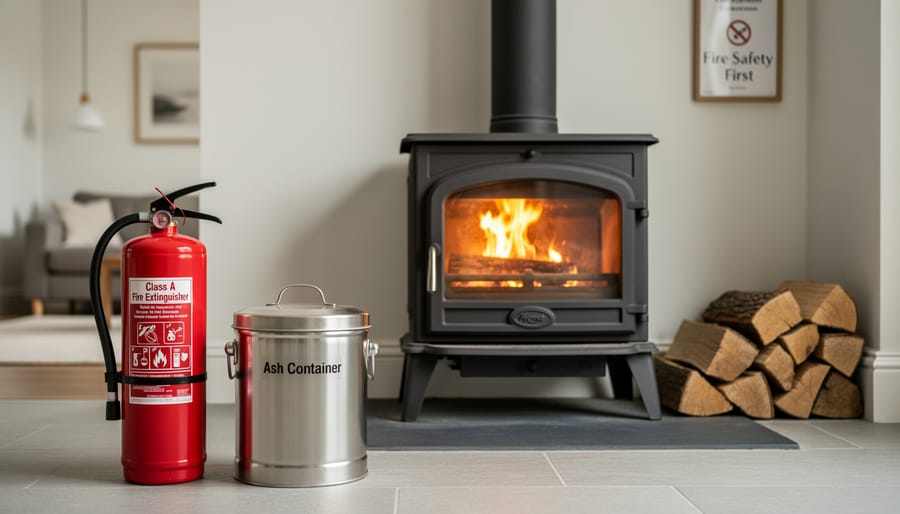
When selecting a fire extinguisher for wood-burning heating systems, choose a Class A-rated extinguisher, which handles fires from wood, paper, and similar materials. If you have multiple fuel sources in your home, consider an ABC-rated extinguisher for versatility. Position your extinguisher within easy reach of your heating area but not so close that a fire could block access—typically six to ten feet away is ideal. Ensure every household member knows its location and how to use it using the PASS technique: Pull the pin, Aim at the base of flames, Squeeze the handle, and Sweep side to side.
Inspect extinguishers monthly, checking that pressure gauges read in the green zone and there’s no visible damage. Professional servicing should occur annually to ensure reliability when you need it most.
Heat Shields, Hearth Pads, and Protective Accessories
Sometimes your heating setup needs an extra layer of protection, especially when dealing with high-temperature surfaces or placing your stove near combustible materials. Heat shields and hearth pads create crucial barriers between your heating source and your home’s surfaces, preventing heat transfer that could lead to dangerous situations.
Quality hearth pads come in various materials, from traditional brick and stone to modern heat-resistant composites. When selecting one for wood stove heating, ensure it extends at least 18 inches beyond the stove’s footprint on all sides where doors open, catching any stray embers. Wall-mounted heat shields, typically made from sheet metal with air gaps, reduce clearance requirements and protect walls from radiant heat damage.
Beyond installation protection, keep essential safety accessories within easy reach. Heat-resistant stove gloves protect your hands during operation, while a sturdy metal ash container with a tight-fitting lid safely stores hot ashes outdoors. Store firewood and kindling in fire-resistant containers away from your stove, maintaining that crucial clearance zone. These thoughtful additions transform your heating setup into a safer, more efficient system that brings lasting warmth and peace of mind to your home.
Safe Ash Removal and Stove Maintenance
The 24-Hour Rule for Ash Disposal
Here’s a surprising fact that catches many homeowners off guard: those seemingly cool ashes from last night’s fire can stay dangerously hot for up to 72 hours. Even when they look gray and lifeless, embers buried deep within can reignite when exposed to oxygen or combustible materials.
The golden rule is simple: wait at least 24 hours before disposing of any ashes, and even then, treat them as if they’re still hot. Always transfer cooled ashes into a metal container with a tight-fitting lid—never use paper bags, cardboard boxes, or plastic bins, which can quickly catch fire. Place this metal container on a non-combustible surface like concrete, keeping it at least 10 feet away from your home, deck, or any wooden structures.
One of the most common mistakes homeowners make is adding fresh ashes to a container that already holds older ashes, or worse, dumping ashes directly into the trash. These shortcuts have caused countless house fires. Another dangerous habit is storing ash containers in garages or on wooden decks, where a delayed ignition could spread rapidly.
When you’re finally ready for disposal, scatter cooled ashes in your garden—they’re actually wonderful for the soil and make an eco-friendly fertilizer. Just ensure they’ve been stored safely for several days first, giving you complete peace of mind.
Cleaning Your Stove Safely
Regular stove maintenance keeps your heating system running efficiently while protecting your family from potential hazards. Clean the glass door regularly using a specialized stove glass cleaner or a paste of ash and damp newspaper when the surface is completely cool. This simple step helps you monitor the fire and ensures complete combustion.
Creosote buildup poses serious fire risks, so inspect your chimney and stovepipe at least twice during heating season. If you notice more than one-eighth inch of buildup, schedule a professional cleaning immediately. Between professional visits, burn hot fires occasionally to reduce lighter deposits, but never use chemical cleaners as temporary fixes.
Check door gaskets monthly by closing the door on a dollar bill—if it pulls out easily, the seal needs replacement. Worn gaskets allow smoke and harmful gases to escape into your home while reducing heating efficiency. Keep ash levels below the grate and empty ash containers into metal bins stored outdoors, as coals can remain hot for days. Always let your stove cool completely before performing any maintenance, and wear gloves to protect your hands from sharp edges and residue.
Special Safety Considerations for Families
Childproofing Your Heating Stove
Creating a safe environment around your heating stove when you have little ones requires thoughtful planning that balances protection with maintaining your home’s cozy atmosphere. Start with a sturdy safety gate or hearth guard positioned at least three feet from the stove’s surface—these barriers prevent curious hands from reaching hot surfaces while allowing heat to circulate effectively throughout your space.
Teaching children about stove safety begins early and often. Use simple, clear language to explain that the stove is “very hot” and “not for touching,” reinforcing this message each time you’re near the appliance. Consider supervised fire education sessions where children observe from a safe distance, learning to respect fire as a tool rather than a toy. This approach builds awareness without creating fear.
Physical barriers don’t have to compromise your heating efficiency. Modern hearth gates feature heat-resistant materials that withstand high temperatures while directing warmth into your living space. Position furniture strategically to create natural boundaries, keeping play areas well away from the stove zone.
Remember that consistency is key—even when your stove isn’t in use, maintain the same safety boundaries. This reinforces the message that the stove area requires respect year-round, creating lasting safety habits that protect your family while you enjoy the warmth and comfort of your eco-friendly heating solution.
Protecting Your Pets
Our furry family members deserve the same thoughtful consideration as our human ones when it comes to heating safety. Pets are naturally curious and may not recognize the dangers of hot surfaces. Establish a clear safety zone around your stove or fireplace—at least three feet in all directions—and consistently redirect pets when they wander too close. Consider installing decorative barriers or baby gates that complement your décor while keeping curious noses and wagging tails at a safe distance. Cats particularly love warm spots, so provide alternative cozy areas away from direct heat sources. Dogs with longer fur or feathery tails face singeing risks, while paw pads can burn on hearth stones that remain hot long after flames die down. Never leave pets unattended in rooms with active heating sources, and always check that surfaces have cooled completely before allowing free roaming. Teaching basic boundary commands creates a safer, more peaceful environment for everyone enjoying your home’s comforting warmth.
Emergency Protocols: What to Do When Things Go Wrong
Recognizing and Responding to a Chimney Fire
A chimney fire is one of the most serious emergencies you can face as a fireplace owner, but knowing the warning signs can save your home and family. Listen for a loud roaring or rumbling sound, similar to a freight train or low-flying airplane. You might notice dense, dark smoke pouring from the chimney top, or even flames shooting from the opening. Inside your home, watch for intense heat radiating from the chimney structure or an unusual, hot smell.
If you suspect a chimney fire, act immediately. Get everyone out of the house without hesitation. Never attempt to fight an active chimney fire yourself. Once safely outside, call 911 right away. If you can do so safely before evacuating, close the fireplace doors or damper to limit oxygen supply, but don’t delay your exit for this step.
Don’t wait to see if the fire dies down on its own. Even seemingly small chimney fires can cause hidden structural damage to your flue liner, creating dangerous conditions for future use. After the fire department has responded and cleared the scene, have a certified chimney sweep inspect your entire system before using your fireplace again. Prevention through regular cleaning and proper burning practices remains your best protection against this frightening scenario.
When Your CO Detector Goes Off
If your carbon monoxide detector sounds, treat it as a serious emergency every single time. Immediately evacuate everyone in your home, including pets, and move to fresh air outside. Don’t waste time investigating the source or gathering belongings. Carbon monoxide is invisible and odorless, so you can’t assess the danger level yourself.
Once everyone is safely outside, call 911 or your local emergency services from a neighbor’s phone or your cell phone. Never re-enter your home until emergency responders have arrived, tested the air quality, and cleared it as safe. Open windows and doors from outside if you can do so without going back in, but prioritize getting away from the building.
Emergency responders will use specialized equipment to measure CO levels and identify the source, whether it’s your fireplace, furnace, or another heating appliance. They’ll ventilate your home properly and ensure it’s safe before allowing re-entry. If anyone experienced symptoms like headaches, dizziness, or nausea, inform the responders immediately, as medical attention may be necessary. After the incident, have a qualified technician inspect and repair your heating system before using it again. Your family’s safety always comes first.
Seasonal Safety: Shutting Down Your Stove Properly
As spring arrives and temperatures climb, properly shutting down your stove protects your investment and keeps your home safe during the warmer months. Think of it as tucking your trusty heating companion in for a well-deserved summer rest.
Start by burning your final fire completely to ash, then allowing the stove to cool entirely—this usually takes 24 hours. Once cool, remove all ash and debris from the firebox and ash pan. A thorough cleaning now prevents moisture buildup and corrosion during the off-season. Inspect door gaskets, glass, and internal components for any wear that needs addressing before next season.
Close the air controls and dampers to prevent drafts that could introduce moisture or pests into your chimney system. However, don’t seal them completely—a slight opening allows for air circulation. Consider placing moisture-absorbing products inside the firebox to combat humidity.
Schedule your annual chimney inspection during the off-season when professionals have more availability and competitive rates. This timing also means any necessary repairs can be completed leisurely, without the pressure of dropping temperatures. By maintaining your stove properly, you’ll reduce heating costs next winter through optimal efficiency. When autumn returns, you’ll be ready to enjoy cozy fires without worry.
Here’s the truth about heating stove safety: what might feel overwhelming at first quickly becomes second nature. Like learning to drive a car or cook on a new stove, the protocols that seem numerous today will soon become automatic habits you perform without thinking. The key is taking that first step to create your own personalized safety checklist and committing to making these practices part of your daily routine.
A well-maintained, properly operated heating stove isn’t just safe—it’s an incredible asset that provides years of reliable warmth and inviting ambiance. Think of it as an investment in your home’s comfort and your family’s wellbeing. Each time you follow your safety checklist, you’re not just going through motions; you’re actively creating a secure, cozy environment where memories are made around dancing flames on cold winter evenings.
Consider printing out a simple checklist and keeping it near your stove during your first season. Before long, you won’t need it anymore. The daily ash removal, the monthly inspection routine, the proper way to add fuel—these will all become as natural as locking your door at night or turning off the lights before bed.
Remember, responsible heating isn’t about fear or restriction. It’s about freedom and confidence. When you know your stove is operating safely, you can truly relax and enjoy everything it offers: the gentle warmth, the mesmerizing flames, the sense of connection to a timeless tradition of gathering around the fire. That peace of mind? It’s priceless, and it’s absolutely within your reach.