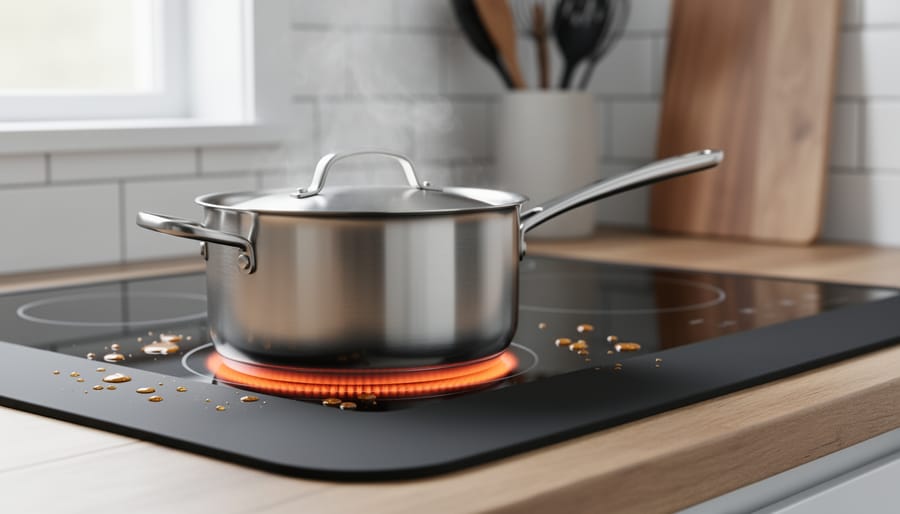


Electric stove mats transform your cooking experience by protecting your stovetop from spills, stains, and scratches while making cleanup remarkably simple. These heat-resistant barriers sit directly on your burners, catching drips and splatters before they bake onto your stove’s surface—a game-changer for anyone who’s spent hours scrubbing burnt-on food residue.
Think of stove mats as the protective layer your kitchen heating elements need, similar to how you’d safeguard any valuable home heating investment. They’re particularly valuable for renters wanting to preserve their appliances or busy households where cooking messes accumulate quickly. Modern versions use FDA-approved materials that withstand temperatures up to 500°F while remaining dishwasher-safe for effortless maintenance.
Choosing the right mat means considering your burner size, cooking habits, and whether you prioritize reusability over disposability. Quality mats extend your stove’s lifespan by preventing corrosion and wear, ultimately saving money on repairs or replacement. However, understanding proper usage is essential—incorrect placement or temperature mismanagement can create safety hazards rather than solutions. This guide walks you through everything you need to know about selecting, using, and maintaining electric stove mats to keep your kitchen clean, efficient, and safe.
What Exactly Is an Electric Stove Mat?
An electric stove mat is a protective heat-resistant barrier designed to sit beneath or around your electric stovetop, safeguarding your countertops and surrounding surfaces from heat damage, spills, and scratches. Think of it as a dedicated guardian for your kitchen surfaces, much like how a hearth pad protects flooring around a fireplace.
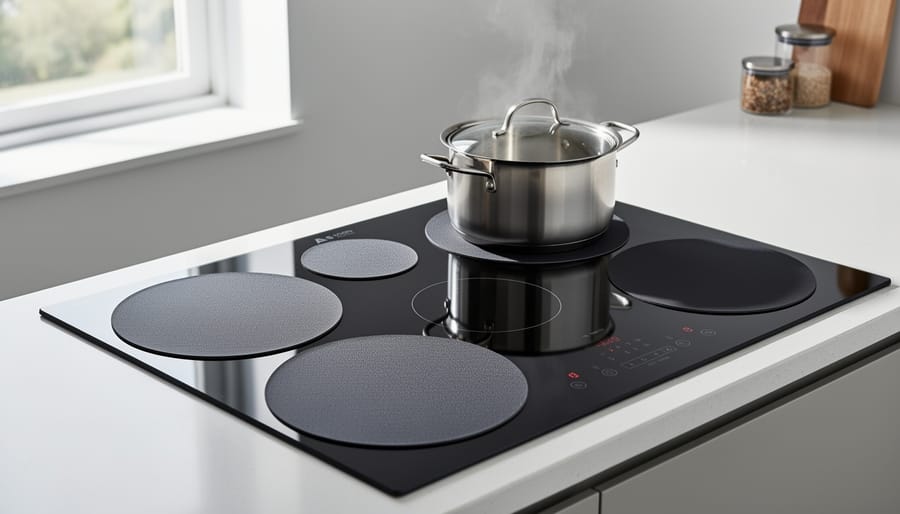
These practical accessories come in various materials, each offering distinct benefits. Silicone mats are incredibly popular due to their flexibility, easy cleaning, and impressive heat resistance, typically withstanding temperatures up to 450°F or higher. You’ll also find mats made from tempered glass, which provide a sleek, modern appearance while being equally heat-resistant and simple to wipe clean. Some options feature fiberglass or fabric materials with heat-resistant coatings, offering a softer, more cushioned protection.
What sets electric stove mats apart from regular trivets or potholders is their larger size and specific design for prolonged contact with heat sources. While a trivet holds a single hot pot temporarily, a stove mat provides continuous protection for your entire cooking area. They’re particularly valuable for portable electric burners or hot plates placed on vulnerable surfaces like laminate countertops, wooden tables, or even outdoor entertaining spaces.
Most electric stove mats are designed with practical features in mind, including non-slip backing to prevent shifting during cooking, raised edges to contain spills, and easy-clean surfaces that resist staining. This combination of heat protection and everyday practicality makes them an increasingly popular solution for homeowners seeking to preserve their kitchen investments while maintaining a tidy, functional cooking environment.
The Real Problems Electric Stove Mats Solve
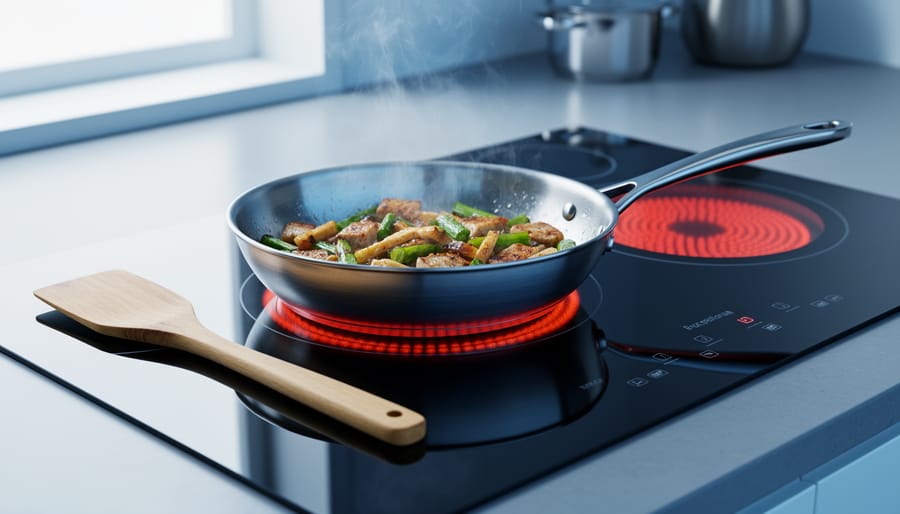
Protecting Your Glass or Ceramic Cooktop Surface
Your glass or ceramic cooktop is a significant investment in your home’s cooking experience, and protecting that smooth, sleek surface should be a priority. Think of electric stove mats as protective guardians for these delicate surfaces. Every time you slide a cast-iron skillet across the cooktop or set down a heavy stockpot, you risk creating tiny scratches or scuffs that accumulate over time, dulling that beautiful finish you love.
Stove mats create a protective barrier between your cookware and the glass surface, absorbing the friction and impact that would otherwise damage the cooktop. This is especially valuable if you frequently cook with heavy-bottomed pots or use cast iron, which can be particularly abrasive. Even small metal burrs or rough spots on the bottom of pans can cause surprising damage.
Beyond scratch prevention, these mats also help distribute heat more evenly and protect against accidental spills that might bake onto the surface. For families who gather around the kitchen regularly, this added layer of protection means your cooktop stays looking new for years, maintaining both its functionality and the warm, inviting atmosphere of your cooking space. The small investment in a quality mat can save you from costly repairs or replacement down the road.
Making Cleanup Actually Easy
The real beauty of electric stove mats becomes obvious the first time something boils over during dinner prep. Instead of watching sugary sauces or starchy pasta water bake onto your heating elements, these protective barriers catch the mess before it becomes a problem. The spills sit on the mat’s surface rather than seeping into hard-to-reach crevices around your burners.
Think about the difference: without a mat, you’re facing a serious scrubbing session, often needing specialized cleaners and elbow grease to remove burnt-on food residue. When you’re cleaning electric stove coils, you know how frustrating those baked-on messes can be. With a quality mat in place, cleanup becomes genuinely simple. Most designs lift right off, and you can either wipe them down with a damp cloth or toss them in the dishwasher, depending on the material.
This convenience factor means you’ll actually maintain your cooking space more regularly, creating a cleaner, more inviting kitchen environment where preparing warm, comforting meals becomes even more enjoyable.

Preventing Heat Marks and Discoloration
Quality electric stove mats act as protective barriers between cookware and your cooktop’s surface, preventing the unsightly heat rings and permanent discoloration that diminish your kitchen’s appearance. These marks often develop when pots and pans sit directly on burners at high temperatures, leaving stubborn stains that regular cleaning can’t remove. A well-designed mat distributes heat evenly while creating a buffer zone that shields the stovetop from these damaging effects. This preservation not only maintains your kitchen’s aesthetic appeal but also protects your investment in quality appliances. For homeowners who value both functionality and the warm, inviting atmosphere of a well-maintained home, these mats offer practical protection without compromising your cooking experience or the efficient heat transfer you need for everyday meal preparation.
Choosing the Right Mat for Your Electric Stove
Material Matters: Silicone vs. Fiberglass Options
When choosing an electric stove mat, you’ll encounter two primary material options, each with distinct advantages for protecting your countertops and enhancing safety in your home.
Silicone mats are the most popular choice among homeowners, and for good reason. These flexible protectors typically withstand temperatures between 400-500°F, making them suitable for most electric stove applications. They’re incredibly easy to clean—simply wipe them down or toss them in the dishwasher. Silicone offers excellent grip, preventing pots and pans from sliding during cooking. The material is also naturally non-stick and resistant to stains. However, they can show wear over time with heavy daily use, particularly if subjected to sharp objects or extreme temperatures repeatedly.
Fiberglass mats, often coated with silicone or PTFE, provide superior heat resistance, often rated up to 600°F or higher. These heavy-duty options excel in commercial kitchens or homes where you frequently work with very hot cookware. They’re exceptionally durable and maintain their shape better than pure silicone alternatives. The trade-off? Fiberglass mats tend to be slightly less flexible and may require more careful cleaning to preserve their coating.
For most home cooking scenarios, silicone mats offer the perfect balance of protection, convenience, and affordability. Reserve fiberglass options for situations demanding maximum heat resistance or when you’re seeking a long-term investment for heavy cooking routines.

Size and Fit Considerations
Getting the right fit is essential for both safety and effectiveness. Start by measuring your burner diameter with a simple tape measure when the stove is completely cool. Most electric burners range from 6 to 12 inches, so you’ll want mats that match or slightly exceed these dimensions.
Choose mats sized to cover the burner surface without extending beyond the heating element’s edge. Oversized mats can interfere with your cookware’s stability or drape over adjacent burners, creating hazards. Undersized mats won’t provide adequate protection and may shift during cooking.
Pay special attention if your stove has temperature sensors or automatic shut-off features. Some modern electric ranges include sensors beneath or around burners, and improperly fitted mats could block these safety mechanisms. Check your stove’s manual to identify sensor locations before purchasing.
For homes embracing efficient cooking solutions as part of an eco-friendly lifestyle, properly fitted mats help optimize heat transfer to your cookware rather than losing energy to cleanup later. When in doubt, measure twice and reference manufacturer sizing charts to ensure your investment protects your stove without compromising its performance or safety features.
Safety Features to Look For
When shopping for an electric stove mat, prioritize products with UL certification or similar safety approvals from recognized testing laboratories. These certifications ensure the mat can withstand the intense temperatures your cooktop generates.
Look for mats specifically rated for temperatures exceeding 500°F, as understanding how hot electric burners get helps you choose adequate protection. Quality mats use heat-resistant materials like fiberglass or silicone that won’t melt, emit toxic fumes, or catch fire during normal cooking operations.
Consider mats with non-slip backing to prevent dangerous shifting while you’re cooking. This simple feature keeps your mat securely positioned and prevents spills or accidents. Fire-retardant properties are essential, complementing broader kitchen fire prevention strategies in your home.
Check for easy-to-clean surfaces that resist staining and odor absorption. Mats should maintain their protective qualities through repeated use and cleaning cycles without degrading. Finally, verify the mat’s size matches your stove dimensions perfectly, as gaps or overhangs can create new hazards rather than preventing them.
Using Your Stove Mat Safely and Effectively
Proper Placement and Installation
Getting your electric stove mat positioned correctly makes all the difference in safety and performance. Start by ensuring your stove is completely cool and unplugged before placing any mat. Give the stovetop a thorough cleaning to remove grease or debris that could affect adhesion or create hot spots.
For coil-element stoves, center the mat directly beneath the heating elements, ensuring it lies perfectly flat without wrinkles or bubbles. The mat should extend slightly beyond the drip pan for maximum protection. If your stove has removable drip pans, place the mat underneath them for easier cleaning.
On smooth-top electric ranges, position the mat to align with the heated zones indicated on your cooktop surface. Many homeowners appreciate this approach as part of creating a safer, more efficient cooking space. Press firmly from the center outward to eliminate air pockets.
Always verify that your mat doesn’t interfere with temperature sensors or extend beyond the stove’s edges where it could create a tripping hazard. Check manufacturer guidelines for your specific stove model, as some newer energy-efficient designs have particular placement requirements. Once positioned, test with low heat first to ensure proper function before regular use.
What You Should Never Do With a Stove Mat
While stove mats are wonderful kitchen helpers, they do have limits. Never leave your stove mat on when cooking at temperatures above 500°F, as most silicone and fiberglass mats aren’t designed to withstand extreme heat for extended periods. This means avoid using them for high-heat searing or broiling operations.
Don’t place empty pots directly on a mat and turn the heat to maximum, thinking the mat will protect your stove. The mat needs some heat dissipation, and trapped heat can cause damage or warping. Similarly, never use a stove mat as a trivet for removing extremely hot cookware from the oven, as this exceeds its intended purpose.
Avoid using warped or damaged cookware on your mat, even if you’re using compatible cookware types. Uneven surfaces can create hot spots that damage the mat. And here’s something often overlooked: don’t store your mat while it’s still wet or dirty. This can encourage bacteria growth and unpleasant odors, compromising both hygiene and the mat’s longevity. Always clean and thoroughly dry your mat before putting it away.
Cleaning and Maintenance Tips
Keeping your electric stove mat clean is straightforward and helps maintain its protective qualities. After each cooking session, simply wipe down the mat with a damp cloth and mild dish soap once it has cooled completely. For stubborn spills or burnt-on residue, let the mat soak in warm soapy water for a few minutes before gently scrubbing with a non-abrasive sponge. Most quality mats are dishwasher-safe, making cleanup even easier, though hand washing typically extends their lifespan.
Inspect your mat regularly for signs of wear like cracks, warping, or permanent discoloration. These indicate it’s time for a replacement to ensure continued protection. Generally, a well-maintained stove mat lasts six months to two years depending on usage frequency. Between uses, store your mat flat or rolled loosely to prevent creasing. This simple care routine keeps your kitchen safe while protecting your investment in home warmth solutions. Remember, a clean mat not only looks better but also performs more effectively at catching spills and distributing heat evenly.
When a Stove Mat Might Not Be Right for You
While electric stove mats offer valuable protection for many households, they’re not a universal solution for every cooking situation. Understanding when these accessories might not fit your needs helps you make the most informed decision for your home.
If you have a glass-top or smooth ceramic cooktop, stove mats may not be compatible with your appliance. These modern surfaces require direct contact between the cookware and heating element for proper heat transfer and sensor function. Placing a barrier between them can interfere with temperature regulation and potentially damage your stove’s electronics or void your warranty.
Serious home chefs who frequently use high-heat cooking techniques like searing, wok cooking, or rapid boiling might find stove mats restrictive. These cooking methods demand maximum heat transfer efficiency, and even heat-resistant mats can slightly reduce the direct connection between burner and cookware. If you’re someone who values precise temperature control for culinary adventures, a mat might feel like an unnecessary intermediary.
Budget-conscious homeowners should also consider that quality stove mats represent an additional expense. If your primary concern is protecting against minor spills and you’re comfortable with regular cleaning routines, investing in good cookware with proper lids and practicing mindful cooking habits might serve you just as well without the added cost.
Additionally, if you prefer minimalist kitchen aesthetics, stove mats can add visual bulk that disrupts the sleek appearance of your cooking space. Some folks simply prefer the clean, unadorned look of their stovetop and would rather address messes as they happen than maintain an extra accessory.
Investing in an electric stove mat is a small decision that can make a meaningful difference in your kitchen’s longevity and functionality. These affordable accessories offer genuine value by protecting your cooking surface from daily wear and tear, making cleanup easier, and potentially extending the life of your appliance by years. When you consider the cost of replacing or repairing an electric stove, a quality mat becomes a sensible investment in your home’s most-used appliance.
As you evaluate whether a stove mat is right for your kitchen, think about your cooking habits, the current condition of your stovetop, and your household’s needs. If you’re dealing with stubborn stains, want to simplify your cleaning routine, or simply want to preserve your appliance’s appearance, a stove mat offers a practical solution. This approach aligns with creating a more sustainable home by maximizing the lifespan of what you already own rather than replacing items prematurely.
Take time to choose a mat that fits your specific stove model and cooking style. With the right selection, you’ll enjoy a cleaner, more protected cooking surface while embracing a lifestyle that values both practicality and long-term home care.