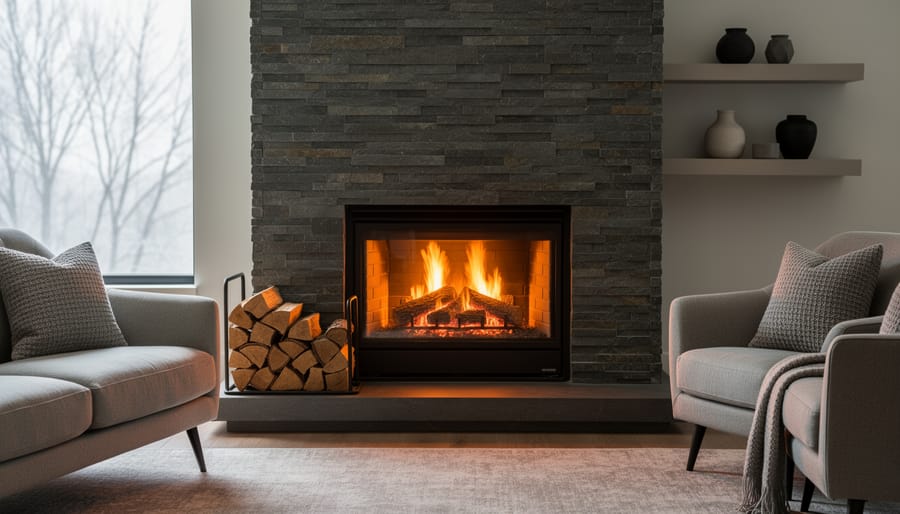


Consider flexibility your greatest asset when choosing between heating options. Dual fuel fireplace inserts let you switch between gas convenience and wood’s crackling authenticity based on your daily needs—gas for quick morning warmth before work, wood for cozy weekend evenings with family. This adaptability means you’re never locked into one fuel source during price fluctuations or supply disruptions.
Calculate your actual usage patterns before committing. Most homeowners discover they use gas 70% of the time for everyday heating, reserving wood burning for special occasions and power outages. This reality often makes dual fuel systems more cost-effective than wood-only units that require constant maintenance and fuel storage, while offering backup heating that gas-only systems can’t provide during utility failures.
Evaluate installation requirements against your existing setup. Dual fuel inserts need both a gas line connection and proper venting for wood burning, which typically adds $800-1,500 to installation costs compared to single-fuel alternatives. However, this investment pays dividends through lower long-term fuel costs and increased home value, as buyers increasingly seek homes with flexible, reliable heating solutions that don’t depend solely on the electrical grid.
Recognize the environmental trade-offs you’re making. Modern dual fuel systems give you control over your carbon footprint—burning seasoned hardwood from sustainable sources during mild weather, then switching to cleaner natural gas during high-pollution advisory days in your area.
What Makes a Dual Fuel Fireplace Insert Different
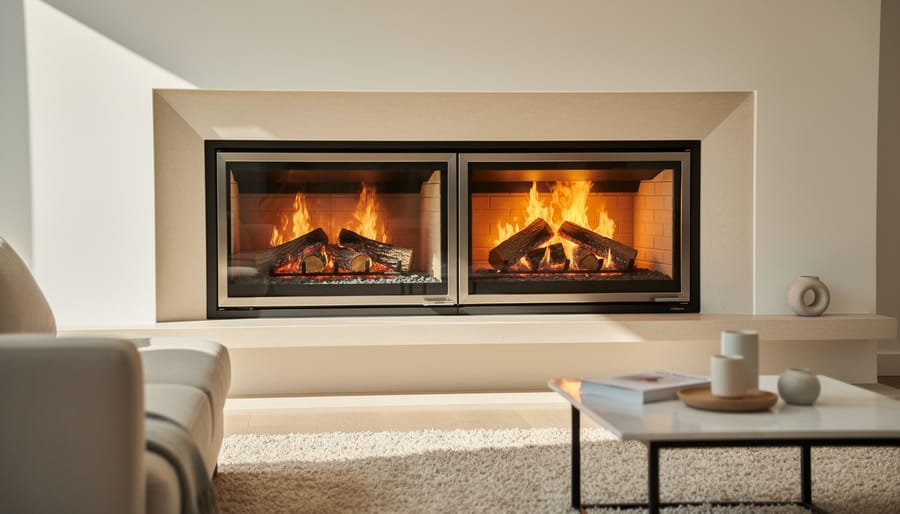
The Two-System Design Explained
A dual fuel fireplace insert ingeniously combines the best of both worlds by housing separate gas and wood-burning systems within a single unit. Think of it as having two complete fireplaces sharing the same firebox space, each designed to operate independently without compromising the other’s performance.
The wood-burning component features traditional grates, air controls, and a chimney flue system, allowing you to enjoy authentic crackling fires on leisurely weekends. Meanwhile, the gas system includes burners, a dedicated gas line connection, and its own venting arrangement, ready to deliver instant warmth at the flip of a switch.
Switching between fuels is refreshingly straightforward. When you want to use wood, you simply ensure the gas system is off and arrange your logs on the grate as you would in any traditional fireplace. To switch to gas, you clear out any wood ash, position the gas logs or burner pan, and activate the gas valve. Most modern designs incorporate safety interlocks that prevent both systems from operating simultaneously, giving you peace of mind.
This two-system approach means you’re never locked into one heating method, offering flexibility that adapts to your lifestyle, weather conditions, and even fluctuating fuel costs throughout the seasons.
Installation Requirements You Should Know
Installing a dual fuel fireplace insert requires more planning than single-fuel options, but understanding these requirements upfront helps ensure a smooth installation. Unlike wood-only or gas-only inserts, you’ll need to accommodate both fuel sources.
First, you’ll need a functional chimney or venting system that meets current safety standards. The chimney must be properly lined to handle wood-burning emissions while also accommodating the gas components. Many existing chimneys work perfectly, though you might need a stainless steel liner to bring everything up to code.
The gas line requirement sets dual fuel inserts apart from traditional wood-burning units. You’ll need a licensed professional to run a natural gas or propane line to your fireplace location. This involves connecting to your home’s existing gas supply or installing an LP tank if you’re using propane. The gas line must meet local building codes and include proper shut-off valves for safety.
Electrical requirements are typically minimal, usually just a standard 110-volt outlet for the blower fan, though some models operate without electricity.
Budget for professional installation, as combining these systems requires expertise in both masonry and gas fitting. This dual-fuel flexibility represents an investment in your home’s comfort and heating options.
Head-to-Head: Dual Fuel vs. Gas-Only Inserts
When Gas Takes the Lead
There are moments when gas becomes your best friend in the dual fuel equation. Picture this: you arrive home on a frigid evening after a long day, and the house feels like an icebox. This is where gas truly shines. With the simple flip of a switch or tap of a remote, you’ve got instant warmth radiating through your living space—no kindling, no waiting, no fuss.
Gas takes the lead when convenience matters most. Those busy weekday mornings when you want ambiance with your coffee but don’t have time to tend a fire? Gas delivers that cozy atmosphere without the commitment. It’s also your go-to for consistent, controllable heat. Need to maintain a specific temperature for guests? The thermostat-controlled gas function handles it effortlessly.
Cleanliness is another winning factor. Gas burns exceptionally clean, producing no ash, soot, or creosote buildup. This means less maintenance between professional inspections and no messy cleanup after enjoying your fire. For homeowners seeking eco-friendly heating solutions with minimal indoor air quality impact, gas operation offers peace of mind. It’s the practical side of your dual fuel investment—reliable, efficient, and refreshingly simple when life gets hectic.
The Cost Reality Check
Let’s talk numbers, because this investment deserves an honest conversation. A dual fuel fireplace insert typically costs between $2,500 to $5,000 installed, compared to $1,800 to $3,500 for a gas-only model. That’s a notable difference upfront, and it’s worth understanding what you’re paying for.
The higher initial price tag buys you flexibility and backup heating when you need it most. With a dual fuel system, you’re essentially getting two heating appliances in one. However, the long-term picture requires careful consideration of operating costs.
Gas-only inserts offer predictable monthly expenses, typically running $30 to $60 for regular use depending on your local rates. Dual fuel systems give you options: burn gas for convenience on busy weeknights at those same rates, then switch to wood when you have time to tend a fire. If you source your own firewood or buy it affordably, you can significantly reduce heating costs during peak winter months.
The real value emerges in specific scenarios. Live in an area with expensive natural gas or frequent power outages? The wood-burning capability becomes invaluable insurance. Have access to inexpensive or free wood? Your payback period shortens considerably. Factor in fuel quality considerations too, as seasoned hardwood delivers better heat output and efficiency than cheaper alternatives.
The bottom line: dual fuel costs more initially but can save money over time if your lifestyle and location support regular wood burning.
Head-to-Head: Dual Fuel vs. Wood-Only Inserts
The Ambiance and Heat Experience
There’s something undeniably special about the crackle and pop of burning wood that gas simply can’t replicate. When you light the wood side of your dual fuel insert, you’re treated to dancing flames, the rich aroma of burning timber, and that authentic fireplace experience many of us crave. The heat from wood feels different too—it’s a radiating warmth that seems to penetrate deeper, though it takes longer to build.
Switch to gas mode, and you’ll notice the convenience factor shines. Flames appear instantly at the touch of a button, producing consistent heat without the fuss. While modern gas logs have come remarkably far in mimicking real wood, purists often find them lacking in character. The flames are predictable, almost too perfect, and there’s no woodsmoke scent wafting through your living space.
For many homeowners, this is precisely why dual fuel inserts appeal—you’re not forced to choose. Want that cozy, authentic wood-burning experience on a lazy Sunday? Light up some logs. Need quick heat on a busy weekday morning? Gas has you covered. This flexibility transforms your fireplace from a single-purpose fixture into a versatile lifestyle element that adapts to your needs and mood.
Maintenance and Effort Considerations
Let’s be honest about what you’re signing up for with a dual fuel fireplace insert. While the flexibility sounds dreaming-worthy, you’ll need to consider the practical realities of maintaining two fuel systems in one unit.
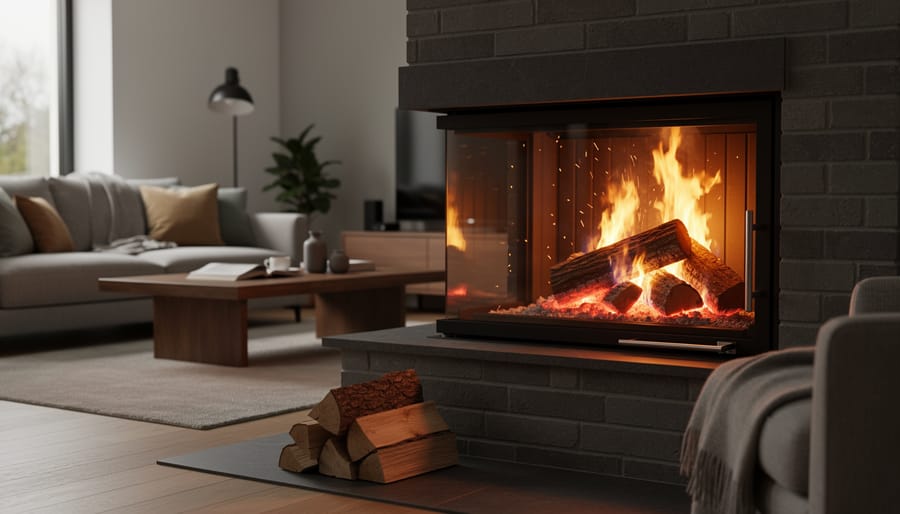
On the wood-burning side, you’re looking at regular ash removal, chimney inspections, and the ongoing effort of sourcing, storing, and seasoning firewood. You’ll need a dry storage area protected from the elements, ideally holding at least a half-cord to get you through peak burning season. Factor in the time spent hauling logs, building fires, and cleaning the glass doors that inevitably accumulate soot during wood-burning sessions.
The gas component offers welcome relief from these tasks. With a flip of a switch, you get instant flames without the prep work or cleanup. However, gas lines require annual professional inspections to ensure safe operation, and you’ll want to keep an eye on pilot lights and thermocouples.
Here’s where dual fuel shines in real life: you can enjoy the ritual of wood fires on leisurely weekends while relying on gas heat during busy weekdays or when you’re running low on firewood. It’s genuine flexibility that adapts to your lifestyle rather than forcing you into one heating routine.
The trade-off? You’re maintaining two systems instead of one, which means double the attention to safety checks and cleaning schedules. But for many homeowners, having options during unpredictable weather or varying schedules makes the extra effort worthwhile, especially when you’re creating an eco-friendly heating solution that reduces reliance on either fuel source alone.
The Environmental Angle: How Dual Fuel Stacks Up
Emissions and Air Quality Impact
When it comes to your home’s air quality and environmental footprint, understanding the emissions profile of dual fuel systems helps you make informed choices for your family and community.
Wood burning produces significantly higher particulate matter compared to natural gas, which burns much cleaner. A traditional wood fire releases fine particles that can affect indoor air quality and contribute to outdoor pollution. Gas, on the other hand, generates minimal visible smoke and lower particulate emissions, making it an attractive option for those with respiratory sensitivities or in areas with strict air quality regulations.
However, dual fuel inserts give you the flexibility to choose based on conditions. On poor air quality days or when convenience matters, you can opt for the cleaner-burning gas mode. When sustainably sourced wood is available and outdoor conditions permit, you can enjoy the authentic wood-burning experience.
Carbon output varies too. While natural gas is a fossil fuel, efficiently burned wood can be carbon-neutral when harvested responsibly, as trees absorb carbon during growth. The key advantage of dual fuel systems is adaptability—you’re not locked into one fuel’s environmental profile, allowing you to prioritize cleaner burning when it matters most while maintaining heating flexibility throughout the seasons.
Sustainable Fuel Sourcing
When choosing a dual fuel fireplace insert, understanding where your fuel comes from adds another layer to your decision-making process. For the wood-burning side of your insert, sourcing locally harvested firewood supports your regional economy while reducing transportation emissions. Many homeowners find satisfaction in purchasing from local suppliers or even processing their own wood, connecting them more deeply to their heating choices. Properly seasoned hardwoods from sustainable forestry practices ensure you’re burning responsibly while maintaining efficient heat output.
On the natural gas front, you’re tapping into existing infrastructure that’s already serving your home. While natural gas burns cleaner than wood at the point of use, its environmental footprint depends on extraction and delivery methods. The growing availability of renewable natural gas, produced from organic waste sources, offers a more sustainable option as this technology expands.
The beauty of dual fuel systems lies in this flexibility. During power outages, you can rely on wood while still enjoying gas convenience during busy weekdays. Some homeowners even explore alternative fuel options to further customize their heating approach. By thoughtfully considering both fuel sources, you’re making a choice that balances convenience, sustainability, and your household’s unique needs while keeping your carbon footprint in perspective.
Real-World Scenarios: When Dual Fuel Makes Perfect Sense
The Weekend Warrior Homeowner
For busy professionals who love the romance of wood fires but need practical heating solutions, dual fuel inserts offer the perfect balance between lifestyle and convenience. Imagine coming home Friday evening and lighting a crackling wood fire to mark the start of your weekend, then switching to effortless gas heat Monday through Thursday when you’re rushing to work or arriving home late.
This flexibility means you’re not sacrificing the authentic fireplace experience you crave, nor are you tied to the daily maintenance wood burning demands. You get cozy weekend gatherings with real flames and the unmistakable scent of burning logs, while maintaining comfortable, controllable warmth throughout your busy workweek. It’s truly the best of both worlds, letting you embrace the fireplace lifestyle without making it feel like another chore on your to-do list.
The Backup Heat Solution
When the unexpected happens—a winter storm knocks out power or your primary heating system chooses the coldest night to fail—a dual fuel fireplace insert becomes more than just an attractive home feature. It transforms into your household’s reliable backup heating solution.
Unlike single-fuel options, dual fuel inserts give you genuine energy independence. If natural gas service is interrupted, you can switch to wood. When you’re dealing with extended power outages, you’re not left shivering while waiting for repairs. This flexibility means you’re never completely without heat, making these units particularly valuable in rural areas or regions prone to severe weather.
The backup heating capability also adds a layer of home security. During emergencies, you can confidently heat at least your main living area, ensuring your family stays comfortable and safe. Many homeowners find this peace of mind justifies the initial investment in a dual fuel system.
Beyond emergencies, this backup option reduces your dependence on utility companies and shields you from fuel price spikes. When wood is abundant or gas prices surge, you can adapt your heating strategy accordingly—something traditional single-fuel systems simply cannot offer.
The Hidden Costs Nobody Talks About
While dual fuel fireplace inserts offer remarkable flexibility, it’s important to understand the complete financial picture before making your investment. Beyond the initial purchase price, several expenses catch homeowners off guard.
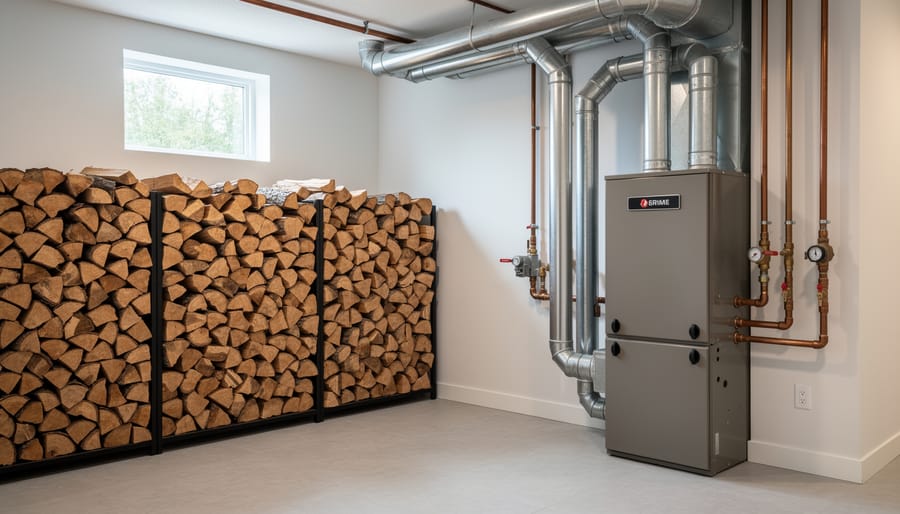
First, you’ll need proper infrastructure for both fuel types. Installing a gas line where none exists can cost $500 to $2,000, depending on distance from your main line and local regulations. Many existing wood-burning chimneys also require relining to safely accommodate gas operation, adding another $1,500 to $4,000 to your project.
Maintenance becomes more complex when you’re essentially caring for two systems under one hood. Annual inspections need to cover both gas components and wood-burning elements, potentially doubling your service calls. Gas valves, thermocouples, and blower motors require periodic attention alongside traditional chimney sweeping and ash removal. This dual responsibility often means higher maintenance fees and more frequent professional visits.
When repairs become necessary, you’re dealing with specialized equipment that combines two technologies. Finding qualified technicians familiar with dual fuel systems can be challenging in some areas, and parts may cost more or take longer to source than single-fuel alternatives.
Additionally, ongoing fuel costs require careful budgeting for both gas and quality firewood supplies. While this flexibility provides options during price fluctuations, it also means monitoring and managing two different fuel sources year-round. Understanding these hidden expenses helps you make a truly informed decision about whether dual fuel fits your lifestyle and budget.
Is Dual Fuel Actually Right for Your Home?
Before investing in a dual fuel fireplace insert, it’s worth taking a step back to assess whether this versatile option truly matches your lifestyle and heating needs. While the flexibility sounds appealing, these systems work best for specific situations.
Consider your daily routine first. Do you spend most evenings at home during winter months, enjoying the ritual of tending a wood fire? Or do you prefer the convenience of instant heat at the touch of a button? Dual fuel shines when you value both experiences. Weekend wood fires become a cozy tradition, while gas keeps you warm during busy weekdays.
Your budget plays a crucial role too. Beyond the higher upfront cost, think about fuel availability and storage. If you have easy access to affordable firewood and space to store it properly, the investment makes more sense. Urban homeowners with limited storage might find themselves using only the gas function, essentially paying extra for a feature they rarely use.
Climate matters significantly. In regions with long, harsh winters, the efficient heating power of wood becomes invaluable during cold snaps, while gas provides backup during milder days. Moderate climates may not justify the added complexity.
Think about your commitment to eco-friendly heating solutions and whether you’re willing to source sustainable wood. Comparing fuel types reveals that responsible wood burning paired with efficient gas usage can create a balanced approach. If maximizing flexibility while maintaining environmental consciousness aligns with your values, dual fuel deserves serious consideration.
Choosing a dual fuel fireplace insert ultimately comes down to understanding your lifestyle and what you truly value in a home heating solution. Throughout this comparison, we’ve seen that dual fuel systems offer remarkable flexibility, letting you enjoy crackling wood fires on cozy weekends while switching to convenient gas heat during busy weekdays. This versatility is genuinely unmatched, making these inserts an attractive option for many homeowners.
However, flexibility comes with trade-offs. The higher upfront investment, increased maintenance requirements, and added complexity aren’t right for everyone. If you consistently prefer one fuel type over another, a dedicated system might better serve your needs and budget.
The best choice depends on your personal heating habits, environmental priorities, and how you envision using your fireplace as part of your daily life. Consider how often you’ll realistically switch between fuels, whether the convenience justifies the cost, and which fuel source aligns with your eco-friendly values. There’s no universal answer here—just the right fit for your unique situation. Take time to honestly assess your needs, and you’ll find the fireplace solution that truly enhances your home’s warmth and ambiance for years to come.