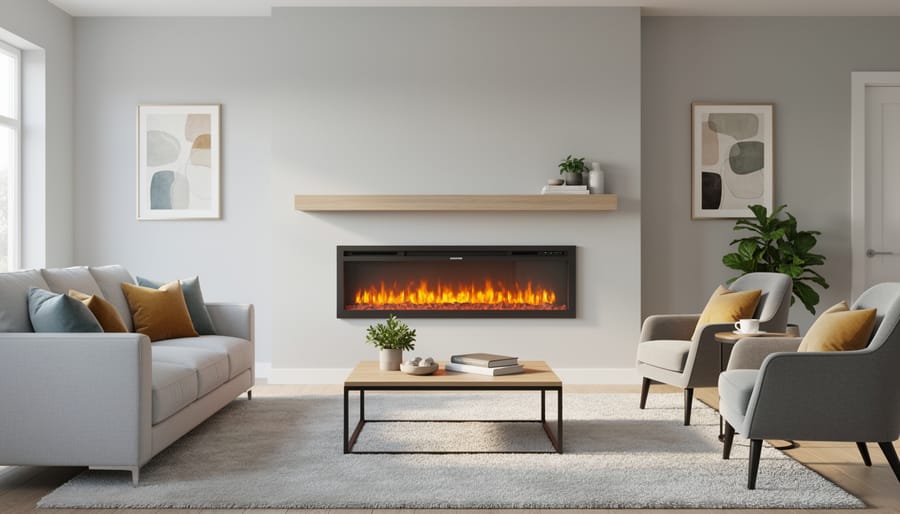


Measure your available space before purchasing—zero clearance fireplaces fit directly against combustible walls without traditional masonry clearances, making them perfect for homes where traditional fireplaces aren’t feasible. These factory-built units transform any room into a cozy gathering space while offering exceptional energy efficiency compared to older heating methods.
Verify your home’s framing can support the unit’s weight and dimensions, typically requiring a reinforced floor structure and proper vertical clearance through the ceiling and roof. Most installations demand professional assistance for gas line connections, electrical work, and venting systems, though understanding the process helps you oversee the project effectively and communicate with contractors.
Choose between direct-vent and natural-vent systems based on your home’s layout—direct-vent models pull combustion air from outside and exhaust through a sealed pipe, eliminating drafts and maximizing heat retention. This design makes them ideal for tightly-sealed modern homes focused on energy conservation and reduced environmental impact.
Plan your installation around proper venting paths that avoid obstacles like joists, rafters, and existing utilities. The vertical chase must remain straight and unobstructed from fireplace to roof termination, requiring careful coordination during framing stages for new construction or strategic planning for retrofits.
Expect the complete installation to take two to four days, depending on your home’s structure and whether you’re adding the unit during construction or renovation. Success hinges on meticulous planning, code compliance, and selecting quality components that balance immediate comfort with long-term reliability and sustainable home heating.
What Makes Zero Clearance Fireplaces Different
The Engineering Behind Safe Installation
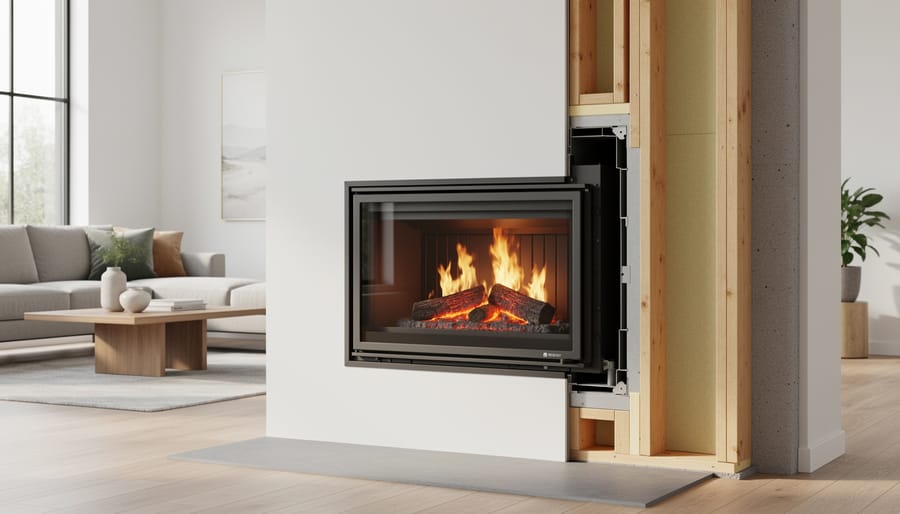
The magic of zero clearance fireplaces lies in their ingenious engineering that protects your home while delivering beautiful warmth. These units feature multiple layers of insulated metal casings that create air chambers around the firebox. Think of it like a thermos for your fireplace—the innermost chamber contains the fire, while outer layers remain surprisingly cool to the touch.
The ventilation system is equally clever. Cool air enters through vents at the bottom of the unit, circulates through the air chambers between the metal walls, and exits through top vents. This continuous airflow carries heat away from exterior surfaces before it can transfer to surrounding wood framing. The result? Outer surfaces typically stay below 90 degrees Fahrenheit, even when flames are dancing inside.
Understanding these fireplace components helps explain why proper installation matters so much. Each air gap and ventilation channel serves a purpose in the safety system. When manufacturers specify exact clearances and venting requirements, they’re ensuring this heat-management system functions as designed. This brilliant engineering means you can enjoy the ambiance and eco-friendly heating benefits of a real fire without sacrificing precious floor space or requiring extensive masonry work—a perfect solution for modern home living.
Comparing Installation Footprints
Understanding the space footprint of different fireplace types helps you appreciate just how transformative zero clearance units can be for your home. A traditional masonry fireplace demands significant real estate, typically requiring a foundation that extends 4-6 feet from the wall and consumes 50-80 square feet of floor space when you factor in the chimney structure. These beauties also need substantial clearances from combustible materials, often 12 inches or more on all sides.
Standard factory-built fireplaces offer some improvement, generally requiring 2-3 feet of protrusion and about 30-40 square feet total. However, zero clearance fireplaces truly shine in space efficiency. These innovative units can be installed directly against wall studs with as little as half an inch clearance, extending just 12-18 inches from your wall. The total footprint? A mere 10-15 square feet in most cases.
This dramatic difference means you can enjoy authentic fireplace ambiance in spaces where traditional installations would be impossible, like apartments, condos, or smaller rooms. You’re not sacrificing precious square footage or disrupting your home’s existing structure. It’s this space-saving design that makes zero clearance fireplaces an eco-friendly heating solution, maximizing warmth without the massive construction footprint of their traditional counterparts.
Pre-Installation Planning: Getting Your Space Ready
Choosing the Perfect Location
Selecting the ideal spot for your zero clearance fireplace transforms it from a simple heating source into a captivating lifestyle element that defines your living space. Start by evaluating your room’s layout and identifying the natural gathering areas where family and guests congregate. The beauty of zero clearance units lies in their flexibility—you can install them virtually anywhere, making adding fireplaces to unique spaces entirely achievable.
Consider venting requirements carefully, as most models need direct access to an exterior wall for efficient operation and optimal air quality. Check that electrical outlets are nearby or plan for professional wiring installation. Think about furniture arrangement too—you’ll want comfortable seating positioned to enjoy the flames without obstructing foot traffic or creating awkward room divisions.
Creating a focal point matters immensely for ambiance. Position your fireplace where it naturally draws the eye, perhaps centered on a main wall or nestled into a corner that needs visual interest. Remember that proper placement maximizes both heating efficiency and the cozy atmosphere you’re seeking, while supporting eco-friendly heating by allowing warm air to circulate effectively throughout your space.
Venting System Options and Requirements
Choosing the right venting system for your zero clearance fireplace impacts both performance and installation complexity. Understanding your options helps you create the perfect balance of warmth, ambiance, and efficiency in your home.
Direct vent systems are the most popular choice, drawing combustion air from outside while expelling exhaust through a sealed pipe. These units offer excellent efficiency and flexibility, allowing horizontal venting through exterior walls or vertical routing through the roof. They’re ideal for multi-story homes because the sealed system prevents indoor air quality issues. The double-wall pipe design keeps exterior surfaces cool, maintaining the zero clearance advantage throughout your home.
B-vent systems use indoor air for combustion and require vertical venting through the roof. While less expensive initially, they’re not as energy-efficient since they draw heated air from your living space. These work best in single-story applications or rooms with adequate ventilation.
Vent-free options eliminate chimney requirements entirely, converting nearly all fuel to heat. However, they require careful consideration of local building codes, as some regions restrict their use. These units need adequate room size and proper ventilation to maintain healthy indoor air quality.
For eco-friendly heating solutions, direct vent systems typically offer the best environmental profile, minimizing heat loss while maximizing efficiency. Consider your home’s layout, local regulations, and long-term heating goals when selecting your venting approach. Multi-story installations generally benefit from direct vent flexibility, while roof configurations may limit certain venting paths.
Permits, Codes, and Professional Inspections
Before you begin transforming your living space with a zero clearance fireplace, understanding permit requirements is essential for both safety and legal compliance. Most municipalities require building permits for fireplace installations, as these units involve venting systems and structural modifications. Contact your local building department early in the planning process to understand specific requirements in your area.
Building codes typically address clearances, venting specifications, and combustible material placement. While zero clearance fireplaces are designed for safer installation near walls and framing, inspectors will verify proper installation according to manufacturer specifications and local regulations. These codes exist to protect your home and family, ensuring your new heating feature operates safely for years to come.
Professional installation is strongly recommended for gas lines, electrical connections, and venting systems. Licensed contractors understand local codes and can navigate the permit process efficiently. However, some finishing work like trim installation or decorative surrounds may be suitable for confident DIYers. Always schedule required inspections at appropriate stages—typically rough-in and final—to ensure your beautiful new fireplace meets all safety standards while providing eco-friendly warmth to your home.
Step-by-Step Installation Process
Framing and Structural Preparation
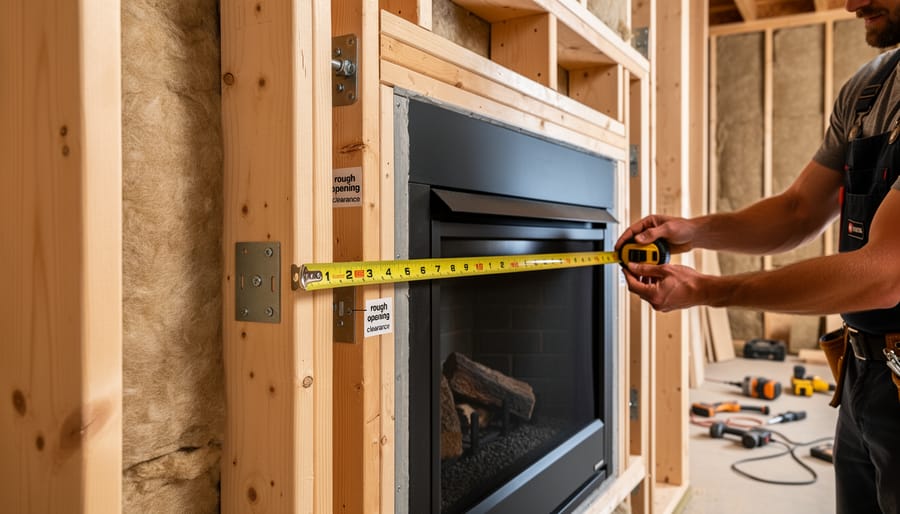
Creating the rough opening is where your vision starts taking physical shape in your home. Begin by consulting your manufacturer’s specifications—these aren’t suggestions, they’re essential blueprints for both safety and optimal performance. Each zero clearance unit has unique requirements, and following them precisely ensures your new fireplace becomes a reliable centerpiece for years to come.
Start by marking the rough opening dimensions on your wall, double-checking measurements before making any cuts. Understanding proper fireplace dimensions prevents costly mistakes. Most units require specific clearances above and to the sides, typically outlined in the installation manual.
When framing a fireplace opening, install a properly sized header to support the weight above—this structural element is critical for safety. Use dimensional lumber appropriate for your span, and add jack studs on each side for support. The header must meet local building codes, so verify requirements with your inspector.
Position additional studs according to manufacturer specifications, creating anchor points for securing the unit. Remember, this framing work affects both your home’s structural integrity and the fireplace’s efficient operation. Take your time here—precision now means trouble-free enjoyment later, along with the peace of mind that comes from knowing your eco-friendly heating solution is properly and safely installed.
Setting and Securing the Firebox
With your framing complete and the unit inspected, it’s time to position your zero clearance fireplace—a crucial step that directly impacts both safety and performance. Start by carefully maneuvering the firebox into the framed opening. Having an extra set of hands makes this process much safer and easier, as these units can be surprisingly heavy despite their efficient design.
Before securing anything permanently, use a quality level to check both horizontal and vertical alignment. Even slight tilting can affect the unit’s operation and appearance. Shim the base as needed to achieve perfect levelness—this ensures proper door operation and maintains the manufacturer’s intended airflow patterns.
Once positioned correctly, anchor the firebox securely to the surrounding framing using the manufacturer’s specified fasteners. This isn’t just about stability; proper anchoring prevents shifting that could compromise those essential zero clearance specifications. Double-check that all sides maintain the required spacing from combustible materials—typically just a few inches, which is what makes these units so wonderfully versatile for various room layouts.
Before moving forward, verify that nothing has shifted during the securing process. Measure clearances again at multiple points around the unit. This attention to detail now prevents potentially dangerous situations later and ensures your new focal point operates safely for years to come, providing that cozy ambiance every home deserves.
Installing the Venting System
The venting system is the lifeline of your zero clearance fireplace, carrying combustion gases safely outside while maintaining your home’s warmth and efficiency. Let’s walk through this crucial step together.
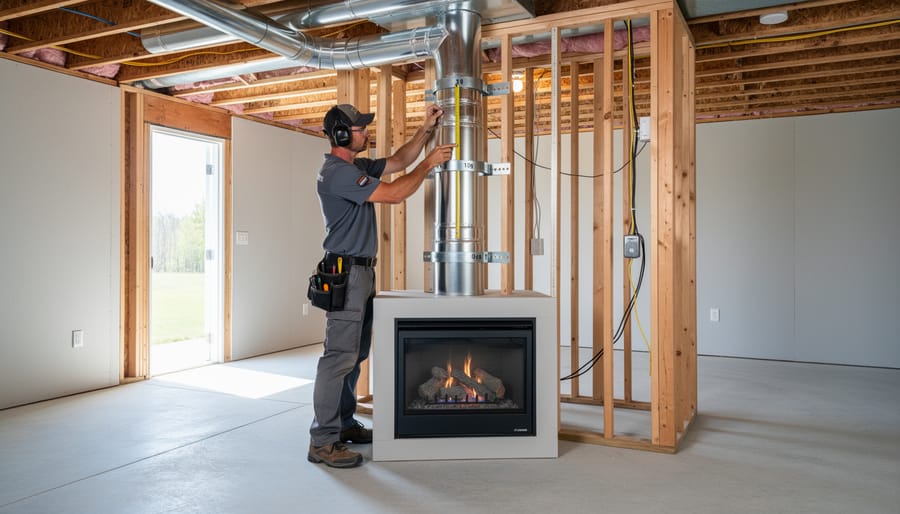
Start by connecting the vent pipes according to your manufacturer’s specifications. Most systems use either direct vent or B-vent configurations. Direct vent pipes feature a double-wall design that brings fresh air in while expelling exhaust gases, making them an excellent eco-friendly heating solution since they don’t pull heated air from your living space. Apply high-temperature silicone sealant to each joint connection, then secure with the provided clamps or screws. These sealed joints are non-negotiable for preventing dangerous gas leaks.
As you route the venting through walls and ceilings, maintaining proper clearances is essential. Most zero clearance units require just one to two inches of clearance from combustibles, but always verify your specific model’s requirements. Use the manufacturer-supplied firestop spacers at each ceiling and wall penetration point. These ingenious components maintain clearances while preventing fire spread between floors.
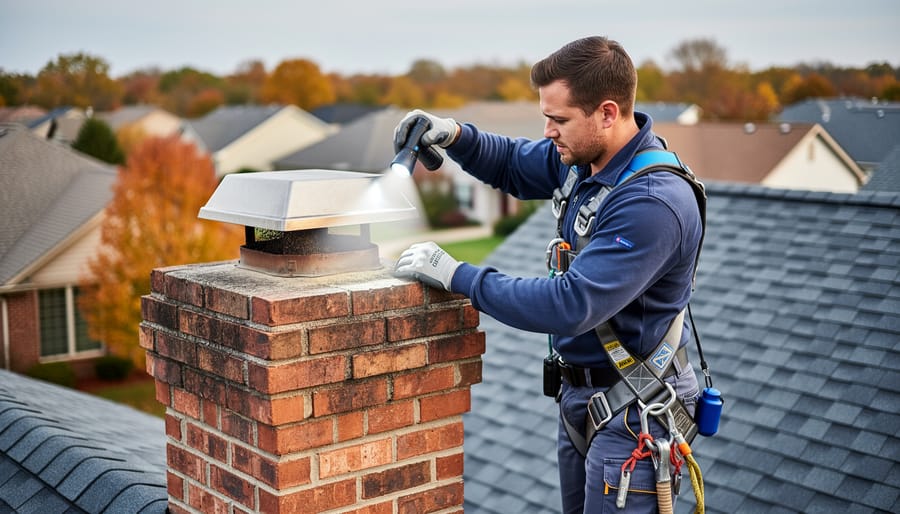
When installing the termination cap on your roof or exterior wall, position it at least three feet above the point where it exits and two feet higher than anything within ten feet. This height ensures proper draft efficiency and prevents backdrafts that could bring exhaust gases into your home.
Before sealing everything up, perform a visual inspection of all connections. Each joint should be tight, properly aligned, and completely sealed. Remember, a well-installed venting system transforms your fireplace from a mere appliance into a safe, efficient lifestyle element that your family will enjoy for years.
Gas Line Connection and Electrical Hookup
This is where safety becomes absolutely non-negotiable, and calling in licensed professionals is essential. For gas fireplaces, a certified gas technician must handle all fuel line connections to ensure proper pressure, leak-free fittings, and code compliance. Never attempt this yourself—gas leaks pose serious explosion and carbon monoxide risks that simply aren’t worth the gamble.
Electric hookups also require a licensed electrician, especially since zero clearance fireplaces need dedicated circuits to handle their power demands safely. Before the professionals arrive, you can prepare by ensuring clear access to your electrical panel and marking where you’d like controls positioned. Ask your technician about energy-efficient options that reduce your environmental footprint while maintaining cozy warmth.
Most importantly, schedule inspections after installation. Local building codes typically require sign-off from authorities, and your homeowner’s insurance may demand documentation. These steps protect your family and preserve your home’s value while ensuring your beautiful new fireplace becomes a safe, eco-friendly focal point for years of enjoyment.
Finishing Touches: Surrounds and Trim
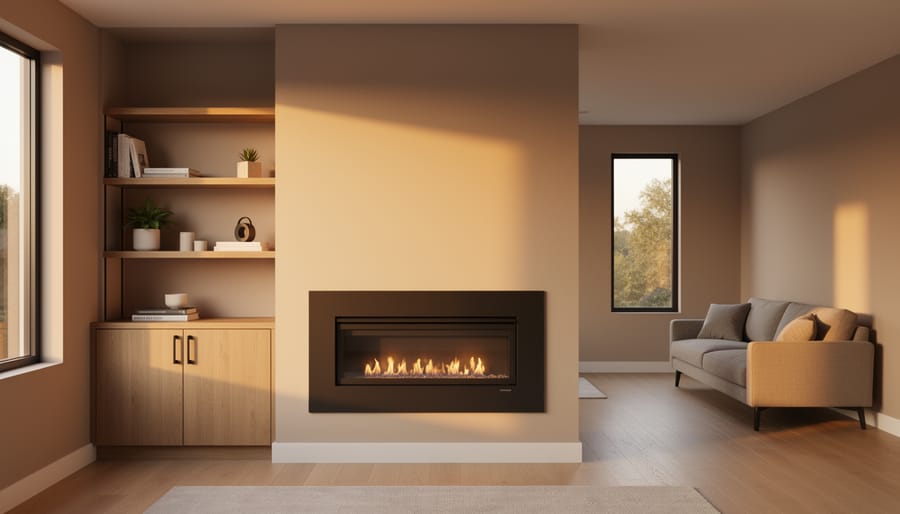
Once your zero clearance fireplace is securely installed, the finishing touches transform it from a functional heating appliance into a stunning focal point that reflects your personal style. The beauty of these fireplaces lies in their versatility—you can customize surrounds and trim to complement any décor while respecting safety clearances.
Consider tile surrounds in natural stone, ceramic, or porcelain to create visual interest and add fire-resistant protection. Popular choices include subway tiles for modern homes, stacked stone for rustic appeal, or sleek marble for elegant spaces. Remember to maintain the manufacturer’s specified clearances to combustible materials, typically 6-12 inches from the firebox opening.
Mantels offer another opportunity for personalization. Whether you choose reclaimed wood mounted at proper height, a contemporary floating shelf, or an ornate traditional design, ensure it’s installed according to clearance specifications—usually 12 inches or more above the opening depending on projection depth.
For the hearth, materials like tile, stone, or cement board provide both safety and style. Even though zero clearance units don’t require extensive hearth extensions like traditional fireplaces, adding decorative hearth elements creates cohesion with your room’s design.
Don’t overlook trim work around the unit. Heat-resistant trim kits specifically designed for your fireplace model ensure clean edges while maintaining safety standards. These finishing elements elevate your fireplace from mere utility to a lifestyle centerpiece that provides warmth, ambiance, and architectural beauty for years to come.
Common Installation Mistakes (And How to Avoid Them)
Clearance and Measurement Errors
Measurement mistakes rank among the most costly errors in zero clearance fireplace installation. The most common pitfall? Assuming your rough opening matches the manufacturer’s specifications without verifying. Always measure twice and cut once—this old carpenter’s wisdom applies perfectly here.
Start by checking clearance requirements in three dimensions: sides, top, and depth. Many homeowners forget to account for the framing materials themselves, which eat into your available space. A rough opening that looks adequate might become too tight once drywall and trim are added.
Before framing your opening, lay out the exact dimensions on your floor using painter’s tape. This simple visualization trick helps catch sizing errors before they become permanent problems. Remember, most zero clearance units require precise measurements within a quarter-inch tolerance.
Double-check your ceiling height measurements too. Venting requirements often dictate minimum distances that might conflict with floor joists or attic spaces. Creating a cardboard template of your fireplace’s footprint provides another practical way to test-fit the space before committing to construction. These few extra minutes of verification can save you from expensive do-overs and ensure your new heating centerpiece fits perfectly into your home’s design.
Venting Problems That Reduce Performance
Even with a properly installed zero clearance fireplace, venting problems can seriously compromise both performance and safety. One common culprit is using too many elbows in your venting system. Each bend restricts airflow and creates back-pressure, which can lead to incomplete combustion, smoke spillage into your home, and reduced heating efficiency. Most manufacturers specify a maximum number of elbows allowed, typically two to four depending on the run length.
Improper termination height is another frequent issue. Your vent pipe needs adequate clearance above the roofline to create proper draft and prevent downdrafts caused by wind. Inadequate sealing at pipe connections allows dangerous combustion gases to leak into wall cavities or living spaces, while incorrect pipe sizing—either too narrow or mismatched components—creates draft problems that prevent your fireplace from burning cleanly.
These venting mistakes don’t just reduce your fireplace’s warmth and ambiance; they create genuine safety hazards including carbon monoxide exposure and potential fire risks. Following manufacturer specifications precisely ensures your eco-friendly heating solution operates as designed, keeping your home cozy and your family safe.
Ignoring Manufacturer Specifications
Your zero clearance fireplace comes with manufacturer specifications for good reason—they’re not suggestions, they’re requirements that protect both you and your investment. Skipping steps or taking shortcuts might seem tempting, especially if you’re eager to enjoy your new heat source, but deviating from the installation manual can void your warranty faster than you can say “cozy evening.”
Insurance companies regularly deny claims for fireplace-related incidents when installations don’t follow manufacturer guidelines. Even small oversights, like incorrect clearances or improper venting, can lead to dangerous situations down the road. These specifications exist because engineers have tested your specific model extensively to ensure it operates safely within precise parameters.
Think of the manual as your fireplace’s blueprint for success. Following it precisely means you’ll enjoy reliable, eco-friendly heating for years to come, with the peace of mind that comes from knowing everything was done right. Your family’s safety and your home’s protection are worth those extra minutes spent double-checking measurements and procedures.
Safety First: Testing and Maintenance After Installation
Initial Testing and Inspection Checklist
Before lighting that first cozy fire, take time to thoroughly verify your installation. This critical step ensures your family’s safety and your unit’s optimal performance for years to come.
Start with a comprehensive visual inspection. Check all connections for tightness and proper alignment. Examine the venting system carefully, looking for any gaps or loose joints. Ensure the termination cap sits securely and properly sealed against weather intrusion.
Next, conduct a gas leak test if you’ve installed a gas unit. Mix soapy water and apply it to all connections while the gas is on. Bubbles indicate leaks that need immediate attention. Never skip this step—safety always comes first, especially with child-safe fireplace installation.
Test all safety features before full operation. Verify that the fireplace screen or doors close securely and that any safety sensors respond appropriately. For gas models, ensure the pilot light ignites smoothly and the flame burns blue, not yellow or orange, which indicates incomplete combustion.
Run the unit on low for 30 minutes initially, monitoring for unusual sounds, odors, or smoke spillage. Check that heat distributes evenly and venting draws properly. This break-in period helps cure manufacturing residues and confirms everything functions as designed, setting the foundation for countless comfortable evenings ahead.
Seasonal Maintenance Schedule
Once your zero clearance fireplace becomes part of your home’s rhythm, keeping it in peak condition requires just a bit of consistent attention. Think of maintenance as an investment in both safety and those cozy evenings you’ll enjoy for years to come.
Monthly, give the glass doors a good cleaning using a specialized fireplace glass cleaner. This simple task prevents buildup that reduces heat efficiency and dims your beautiful flames. While you’re at it, check for any soot accumulation inside the firebox and wipe down exterior surfaces.
Every six months, inspect the venting system for blockages, especially after stormy weather. Birds, leaves, and debris can compromise airflow, creating dangerous conditions. Look for signs of rust, disconnected joints, or any deterioration that needs addressing.
The most crucial step is scheduling annual professional servicing before heating season begins. A certified technician will thoroughly inspect the burner system, clean components, test safety sensors, and ensure proper combustion. They’ll catch small issues before they become expensive repairs or safety hazards.
For gas models, this professional checkup is essential for maintaining manufacturer warranties and ensuring your eco-friendly heating solution operates at maximum efficiency. Regular maintenance means lower energy bills and a fireplace that’s always ready to create that welcoming ambiance you love.
Eco-Friendly Considerations for Modern Installations
Choosing High-Efficiency Models
When selecting your zero clearance fireplace, prioritizing energy efficiency helps you create a cozy atmosphere while keeping utility bills manageable and reducing your environmental footprint. Look for models featuring sealed combustion systems, which draw air directly from outside rather than using heated indoor air. This design dramatically improves efficiency and maintains better indoor air quality throughout your home.
Modulating burners represent another game-changing feature, automatically adjusting flame height and heat output based on your comfort needs. Unlike traditional on-off systems, these intelligent burners maintain consistent temperatures without wasteful cycling, conserving fuel while delivering steady warmth.
Pay close attention to efficiency ratings when comparing models. Units with ratings above 75% ensure more of your fuel converts directly into usable heat rather than escaping through venting. Many contemporary zero clearance fireplaces now achieve ratings exceeding 85%, making them genuinely eco-friendly heating solutions that complement your home’s primary system. These high-efficiency choices prove that responsible environmental stewardship and luxurious home comfort can beautifully coexist in your living space.
Zoned Heating to Reduce Overall Energy Use
Zero clearance fireplaces offer a smart approach to heating specific areas of your home without cranking up the thermostat for every room. By installing these units in frequently used spaces like living rooms, master bedrooms, or home offices, you create comfortable zones where your family actually spends time. This targeted heating strategy means your central heating system doesn’t have to work as hard, leading to noticeable savings on monthly energy bills.
The beauty of zoned heating lies in its flexibility. During mild weather, you might skip the central heat entirely and rely solely on your fireplace to warm your main living area. Even during colder months, maintaining a lower whole-home temperature while supplementing with fireplace heat in occupied rooms creates an efficient balance. Many homeowners find they can reduce their thermostat setting by several degrees without sacrificing comfort, translating to real energy savings while enjoying the ambiance and cozy warmth that only a fireplace provides. This eco-friendly heating solution combines practical efficiency with lifestyle enhancement.
Adding a fireplace to your home no longer means tearing down walls, building a masonry chimney, or dealing with months of dusty renovation. Zero clearance fireplaces have transformed what’s possible, bringing the warmth and ambiance of a beautiful hearth to virtually any room in your house. Whether you live in a cozy apartment, a modern townhouse, or a traditional home without an existing fireplace, these innovative units make your dream of gathering around dancing flames entirely achievable.
The installation process, while requiring attention to detail and respect for safety protocols, is remarkably straightforward compared to traditional alternatives. By following manufacturer guidelines carefully and working with qualified professionals when needed, you can enjoy a stunning focal point that transforms your living space into a welcoming retreat. The benefits extend far beyond aesthetics—you’re creating a gathering place where memories are made, a cozy spot for quiet evenings, and potentially an eco-friendly supplemental heating source that reduces energy costs.
Take that next step with confidence. Consult with fireplace specialists, explore your options, and start planning your installation. The transformative comfort of your own fireplace awaits.