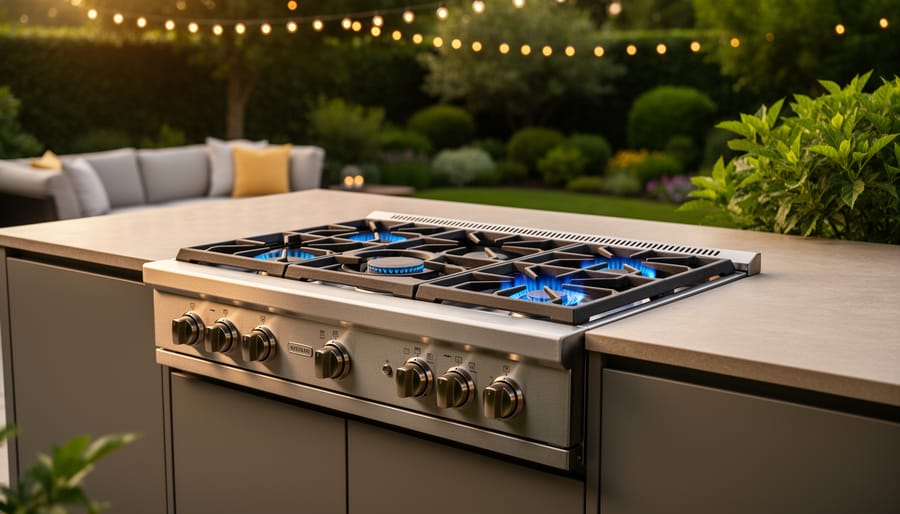


Picture this: stepping onto your patio on a cool evening, firing up your outdoor kitchen with the simple turn of a knob, and having consistent, controllable heat ready in seconds. Natural gas stoves for outdoor cooking deliver this convenience while transforming your backyard into a true extension of your living space.
Unlike propane tanks that need constant refilling or charcoal that requires patience and cleanup, a natural gas outdoor stove connects directly to your home’s gas line for unlimited fuel supply. You’ll never run out mid-cookout again, and you’ll avoid the hassle of lugging heavy tanks or storing flammable materials. This permanent solution offers restaurant-quality heat control, letting you shift from high-heat searing to gentle simmering with precision that propane and charcoal simply can’t match.
The environmental benefits align perfectly with modern eco-friendly living. Natural gas burns cleaner than other fossil fuels, producing fewer emissions and particulates while maintaining the authentic flame-cooking experience that makes outdoor dining special. You’ll reduce your carbon footprint without sacrificing the flavor and joy of open-flame cooking.
Whether you’re considering a standalone cooktop, a built-in range for your outdoor kitchen, or exploring various backyard stove options, understanding installation requirements, safety considerations, and maintenance needs will help you make the right investment. This guide walks you through everything you need to know to bring permanent, convenient outdoor cooking to your home.
What Makes Natural Gas Outdoor Stoves Different
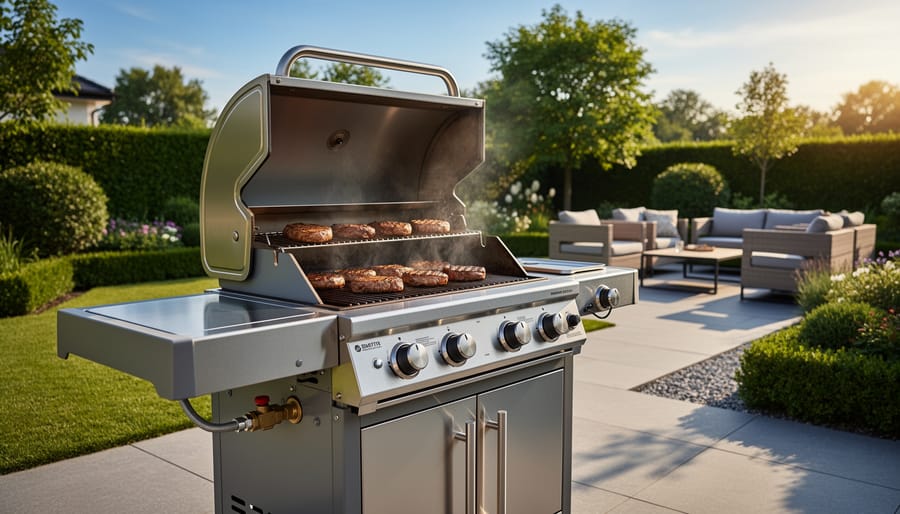
The Permanent Connection Advantage
Imagine this: you’re hosting a weekend barbecue, the grill is sizzling, and suddenly you realize your propane tank is running low. That sinking feeling of wondering whether you have enough fuel to finish cooking is something you’ll never experience with a natural gas outdoor stove. These permanently connected cooking solutions tap directly into your home’s existing natural gas line, providing an endless fuel supply that’s always ready when you are.
The beauty of this permanent connection lies in its simplicity and reliability. There’s no more hauling heavy propane tanks to exchange stations or storing backup cylinders in your garage. Your outdoor cooking station becomes as convenient as your indoor kitchen, with fuel flowing on demand whenever you need it. This setup also proves more economical over time, as natural gas typically costs less per BTU than propane, helping you save money while you enjoy countless meals outdoors.
Beyond convenience, natural gas burns cleaner than many alternatives, producing fewer emissions and supporting a more eco-friendly outdoor living space. You’ll appreciate consistent heat output without the pressure fluctuations that can occur as propane tanks empty, ensuring perfect cooking results every time.
Heat Performance That Rivals Indoor Cooking
One of the most impressive features of outdoor natural gas stoves is their remarkable heat output, measured in British Thermal Units or BTUs. Quality outdoor gas stoves typically deliver between 30,000 and 60,000 BTUs per burner, which actually surpasses what you’ll find in most indoor ranges. This serious cooking power means you can achieve that perfect sear on a steak or bring a large pot of water to a rolling boil in minutes, just like professional chefs do in restaurant kitchens.
What really sets these outdoor stoves apart is their precise temperature control. Unlike charcoal grills where you’re constantly managing hot spots and waiting for coals to reach the right temperature, natural gas gives you instant, adjustable heat at the turn of a dial. You can switch from high-heat searing to gentle simmering without missing a beat, making complex recipes entirely achievable in your outdoor cooking space.
This combination of raw power and fine control transforms your backyard into a legitimate outdoor kitchen. Whether you’re preparing a quick weeknight dinner or entertaining guests with an elaborate meal, you’ll enjoy the same reliable performance you’d expect indoors, but with the added pleasure of cooking in the fresh air and creating a warm, inviting atmosphere for gathering with family and friends.
Real Benefits You’ll Notice Immediately
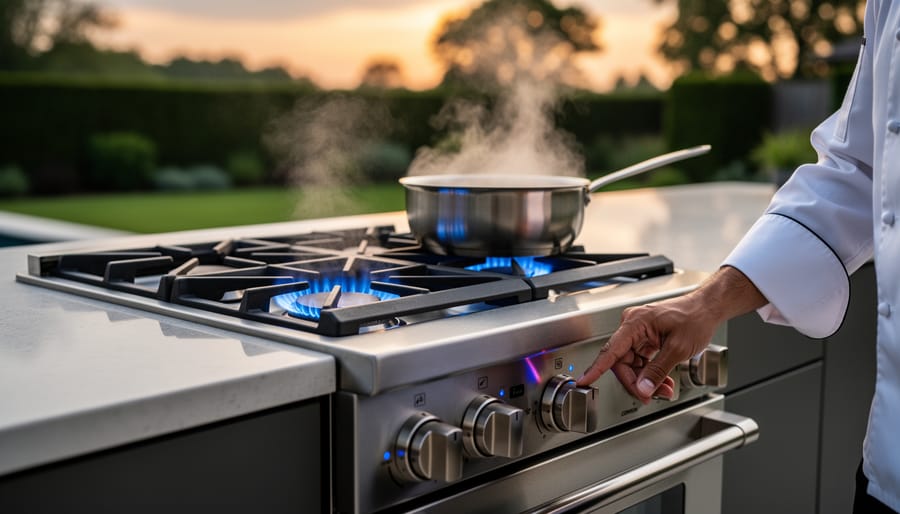
Never Run Out of Fuel Mid-Cookout Again
Picture this: you’re hosting the perfect backyard gathering, burgers sizzling away, when suddenly your propane tank sputters empty. We’ve all been there, and it’s never fun. This is where natural gas outdoor stoves truly shine. Connected directly to your home’s gas line, they provide an endless fuel supply that’s always ready when you are. No more frantic runs to refill tanks or keeping backup cylinders on hand. Simply turn the knob, and you’re cooking—whether it’s a quick weeknight dinner or an all-day barbecue marathon. The instant-on capability means you can fire up your outdoor kitchen as spontaneously as your indoor range, making outdoor cooking a seamless extension of your home’s lifestyle. Plus, you’ll appreciate the consistent heat output that doesn’t diminish as the “tank” runs low, ensuring your steaks cook evenly from the first guest to the last.
Lower Operating Costs Over Time
When you’re choosing an outdoor cooking setup, the fuel costs matter just as much as the upfront investment. Natural gas stoves consistently offer lower operating costs compared to propane, which translates to meaningful savings over the years.
Here’s the reality: natural gas typically costs about one-third the price of propane per BTU. If you’re a frequent outdoor cook who fires up the grill several times a week during warmer months, those savings add up quickly. A propane tank refill might cost $20-30, while the equivalent amount of natural gas through your home’s line runs just $7-10.
Beyond the price difference, there’s the convenience factor that indirectly saves you money. You’ll never need to monitor fuel levels, make emergency propane runs, or pay tank rental fees. Your natural gas supply is always available, metered through your utility bill alongside your home heating costs.
For families who love outdoor entertaining or simply enjoy the ritual of outdoor cooking as part of their lifestyle, these ongoing savings make natural gas an investment that pays dividends season after season, all while supporting a more sustainable approach to home energy use.
The Eco-Friendly Edge
If you’re passionate about sustainable outdoor living, you’ll appreciate that natural gas stoves offer a genuinely greener way to cook and gather outside. Unlike traditional charcoal grills that release significant amounts of particulate matter and carbon monoxide into the air, natural gas burns remarkably clean. It produces fewer greenhouse gas emissions and virtually eliminates the ash and soot that can affect your outdoor air quality and settle on your patio furniture.
The environmental benefits go beyond just cleaner burning. You’ll also avoid the waste associated with disposable charcoal bags and lighter fluid containers that end up in landfills. Natural gas systems eliminate the need for single-use propane tanks, creating a more sustainable cooking solution that aligns with eco-conscious living values.
For homeowners who’ve already embraced energy-efficient heating solutions indoors, extending that same environmental mindfulness to your outdoor spaces feels like a natural next step. You’re not sacrificing convenience or performance either. Natural gas delivers consistent heat output while treading lighter on the planet, making it an investment in both your outdoor lifestyle and environmental stewardship.
Finding the Right Natural Gas Outdoor Stove for Your Space
Burner Configuration: From Single to Multi-Burner Setups
Choosing the right burner configuration makes all the difference in how you’ll use your outdoor natural gas stove. Single-burner units are perfect for couples or small families who prefer straightforward cooking—think weekend breakfasts or intimate dinner prep. They’re compact, economical, and surprisingly versatile for basic grilling and sautéing.
Double-burner setups strike a wonderful balance for most households. You can simultaneously manage a main dish while warming sides or boiling water for corn on the cob. This configuration suits families of four to six and gives you flexibility without overwhelming your outdoor space.
For those who love hosting gatherings or preparing elaborate meals al fresco, triple and quad-burner models transform your patio into a full outdoor kitchen. These setups let you juggle multiple cooking methods at once—searing steaks on high heat while gently simmering sauces on lower settings. They’re ideal for frequent entertainers or growing families.
Consider your typical cooking style too. Do you usually prepare simple one-pot meals, or do you enjoy creating multi-course dinners? Your honest assessment here will guide you toward a configuration that enhances rather than complicates your outdoor cooking experience. Remember, more burners mean greater BTU output and fuel consumption, so match your choice to your actual needs rather than aspirational ones.
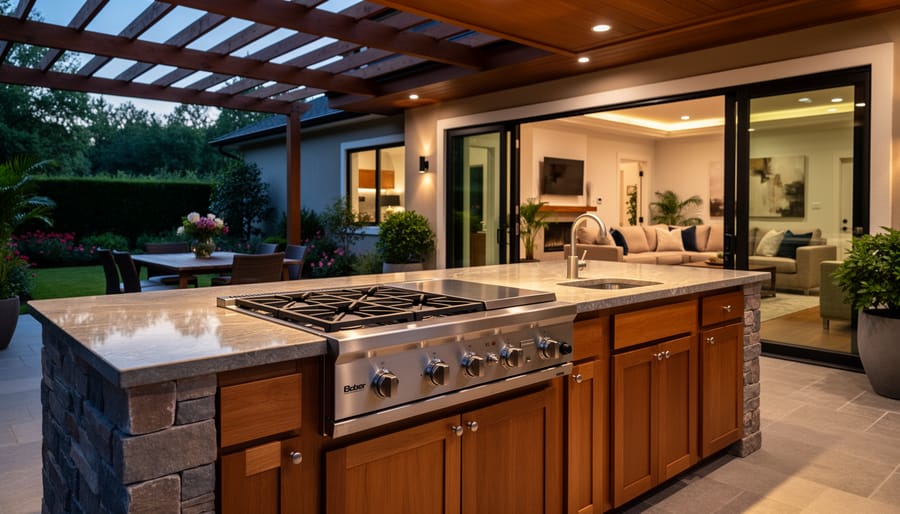
Built-In vs. Freestanding Models
When planning your outdoor cooking space, you’ll face an important decision between built-in and freestanding natural gas stoves. Built-in models integrate seamlessly into outdoor kitchen designs, creating that polished, custom look many homeowners dream about. These permanent installations become the centerpiece of your entertaining area, often paired with countertops, storage, and other amenities. They do require professional installation and proper planning for gas line connections, but the result is a cohesive outdoor living space that can boost your home’s value.
Freestanding units, on the other hand, offer remarkable flexibility. You can reposition them as your needs change or even take them along if you move. They’re typically less expensive upfront and easier to install—many connect to your natural gas line with a quick-connect fitting. This portability makes them perfect for renters or those who like to refresh their outdoor layout seasonally.
Consider your lifestyle and commitment level. If you’re creating a permanent outdoor entertaining hub and plan to stay in your home long-term, a built-in model delivers that restaurant-quality aesthetic. But if you value adaptability or want to test the waters before making a major investment, a freestanding stove provides an excellent entry point into natural gas outdoor cooking.
Materials That Withstand the Elements
When you’re investing in an outdoor natural gas stove, you’re making a commitment to years of alfresco cooking and entertaining. That’s why choosing equipment built from materials that can handle Mother Nature’s mood swings is essential for protecting your investment.
Stainless steel stands as the gold standard for outdoor cooking appliances, and for good reason. This durable material resists rust, corrosion, and discoloration even when exposed to rain, humidity, and temperature fluctuations. Look for commercial-grade stainless steel (typically 304 or 316 grade) in both the exterior housing and cooking surfaces. These higher grades contain more chromium and nickel, which translates to superior weather resistance and longevity.
Beyond stainless steel, quality outdoor gas stoves feature powder-coated cast iron grates that combine excellent heat retention with weather protection. The powder coating creates a barrier against moisture while maintaining that classic cast iron cooking performance you’ll love for searing steaks or achieving perfect grill marks.
Pay attention to the knobs and ignition systems too. Marine-grade components and sealed burner assemblies prevent moisture intrusion that can lead to performance issues down the road. These thoughtful design choices mean your outdoor stove will continue performing beautifully through countless seasons of outdoor cooking adventures.
Installation Essentials: What You Need to Know
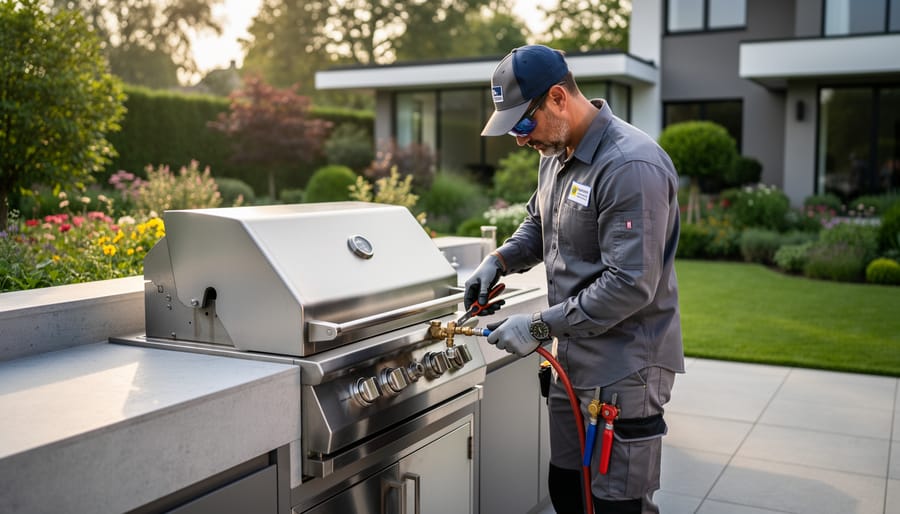
When to Call a Professional (And Why You Should)
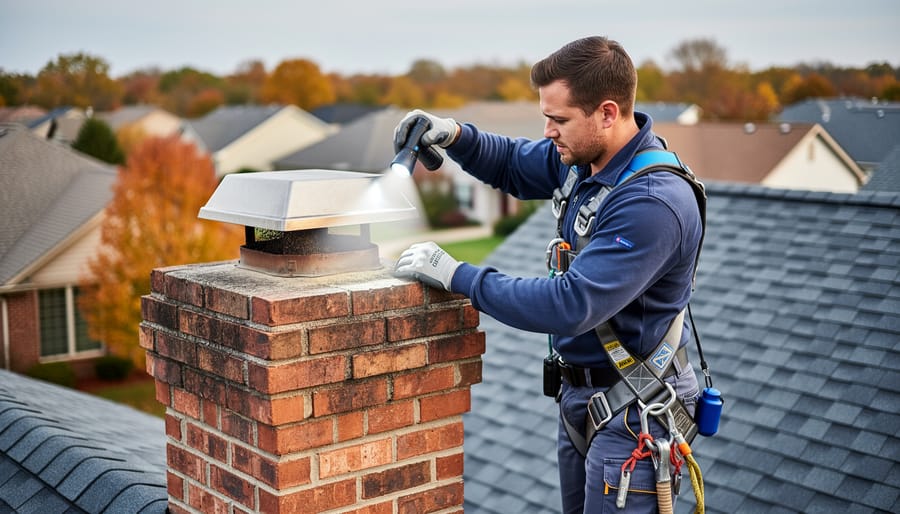
Installing a natural gas stove outdoor isn’t a DIY weekend project, and there’s a good reason for that. Working with natural gas requires specialized knowledge and certified expertise to ensure your family’s safety. Most municipalities require licensed gas fitters to handle any natural gas line installation or modifications, and these regulations exist to protect you from potentially dangerous situations like gas leaks or improper combustion.
A certified professional brings more than just technical skills to your project. They understand local building codes, proper venting requirements, and clearance specifications that vary by region. They’ll also ensure your gas line is sized correctly for your stove’s BTU output and pressure requirements. While hiring a professional does add to your upfront costs, it provides invaluable peace of mind and typically includes warranties on both labor and materials.
Beyond safety, there’s a practical consideration: your homeowner’s insurance may not cover damage or injuries resulting from unpermitted or improperly installed gas appliances. Many insurance companies specifically require professional installation for gas equipment. Think of it as an investment in creating a safe, enjoyable outdoor cooking space that enhances your home’s lifestyle appeal while protecting your most valuable asset.
Gas Line Requirements and Location Planning
Before you fall in love with that perfect outdoor gas stove, let’s talk about the practical side of bringing natural gas to your backyard oasis. Understanding your gas line requirements will save you headaches and ensure your outdoor cooking setup is both safe and efficient.
First, consider the distance from your home’s existing gas line. Most outdoor installations work best within 20-30 feet of your main gas supply, though longer runs are possible with proper pipe sizing. You’ll want to consult with a licensed plumber or gas fitter to assess your home’s current gas pressure and determine if your system can handle an additional appliance. Natural gas stoves typically require 4-7 inches of water column pressure, and your professional installer will need to verify adequate supply for both your indoor and new outdoor needs.
Location planning goes beyond convenience. Position your stove at least 10 feet from combustible materials and away from overhanging branches or structures. Think about prevailing winds, proximity to dining areas, and accessibility during all seasons. A covered patio or pergola offers weather protection while maintaining proper ventilation. Remember, this is about creating an inviting outdoor living space that enhances your home’s lifestyle appeal while prioritizing safety. Smart placement now means years of enjoyable, eco-friendly outdoor cooking without the hassle of propane tank swaps.
Permits and Safety Codes You Can’t Skip
Before you fire up your outdoor natural gas stove, let’s talk about the not-so-glamorous but absolutely essential side of things: permits and safety codes. Most municipalities require permits for permanent gas line installations, and skipping this step isn’t just risky—it could void your homeowner’s insurance or create issues when selling your home.
Start by contacting your local building department to understand specific requirements in your area. You’ll typically need a licensed professional to install gas lines and ensure they meet National Fuel Gas Code standards. These codes exist to protect you and your family from gas leaks, fire hazards, and carbon monoxide issues.
Your installation should include proper clearances from structures, adequate ventilation even in outdoor settings, and approved materials for gas connections. An inspector will verify everything meets local standards before giving you the green light. Yes, it adds time and expense upfront, but think of permits as an investment in safety and peace of mind—letting you enjoy your outdoor cooking space without worry for years to come.
Keeping Your Natural Gas Stove Running Strong
Seasonal Cleaning That Takes Minutes
Keeping your outdoor natural gas stove clean doesn’t have to be a chore. In fact, a quick seasonal routine can prevent stubborn buildup and keep your cooking surface performing beautifully year-round.
Start by letting your stove cool completely, then remove the grates and burner caps. A simple wash with warm, soapy water works wonders for most everyday residue. For tougher grease spots, create a gentle paste using baking soda and water—it’s an eco-friendly solution that won’t harm your stove’s finish or the environment. Use a soft brush or cloth to scrub away buildup, paying special attention to the burner ports where small debris can affect flame quality.
Wipe down the stove’s exterior surfaces with a damp cloth and mild cleaner, avoiding harsh chemicals that can damage protective coatings. Check burner ports for clogs by gently clearing them with a toothpick or thin wire. This small step ensures even flame distribution and efficient fuel use.
Before winter storage or after extended use, inspect gas connections and clean beneath burner heads where spills accumulate. These simple minutes of maintenance extend your stove’s lifespan while keeping it ready for spontaneous outdoor gatherings. Regular cleaning isn’t just about appearances—it’s about maintaining the reliable performance that makes outdoor cooking such a joy.
Winter Protection and Off-Season Care
When winter arrives or you won’t be using your outdoor natural gas stove for an extended period, a little preventive care goes a long way in keeping your investment protected. Start by giving your stove a thorough cleaning to remove any food residue, grease, or debris that could attract moisture or pests during dormancy. Once clean, apply a light coating of cooking oil to cast iron grates and burners to prevent rust formation.
If you live in a climate with freezing temperatures, ensure all moisture is completely removed from burner ports and ignition systems, as trapped water can freeze and cause damage. While natural gas lines themselves won’t freeze, condensation can be problematic. Consider installing a weather-resistant cover specifically designed for outdoor stoves—this shields your unit from rain, snow, and UV damage while still allowing proper ventilation to prevent moisture buildup. For ultimate protection, some homeowners invest in custom enclosures or move portable units to covered areas. Remember to periodically check your stove throughout the off-season, especially after severe weather, to catch any potential issues early. These simple winterization steps ensure your outdoor cooking companion will be ready to fire up when warmer days return.
Safety Checks That Give You Peace of Mind
Before you light up your outdoor kitchen, let’s talk about the safety checks that’ll help you cook with confidence. Start by performing a simple leak test using soapy water on all connections—bubbles mean there’s a problem that needs immediate attention. Check that your gas valve turns smoothly and shuts off completely; a sticky or partially closed valve is a red flag. Inspect all connection points where your gas line meets the stove, looking for any signs of wear, corrosion, or loose fittings. It’s also wise to ensure your stove has proper ventilation clearances from walls, overhangs, and combustible materials. Consider installing a gas detector nearby for an extra layer of protection. Make it a habit to do a quick visual inspection before each use, and schedule an annual professional inspection to catch issues before they become safety hazards. These simple checks take just minutes but deliver invaluable peace of mind for you and your family.
Creating Your Complete Outdoor Fire and Cooking Experience
Pairing Your Stove with Fire Features
Your outdoor natural gas stove doesn’t have to stand alone. Pairing it with complementary fire features creates a truly inviting outdoor living space that serves multiple purposes throughout the year.
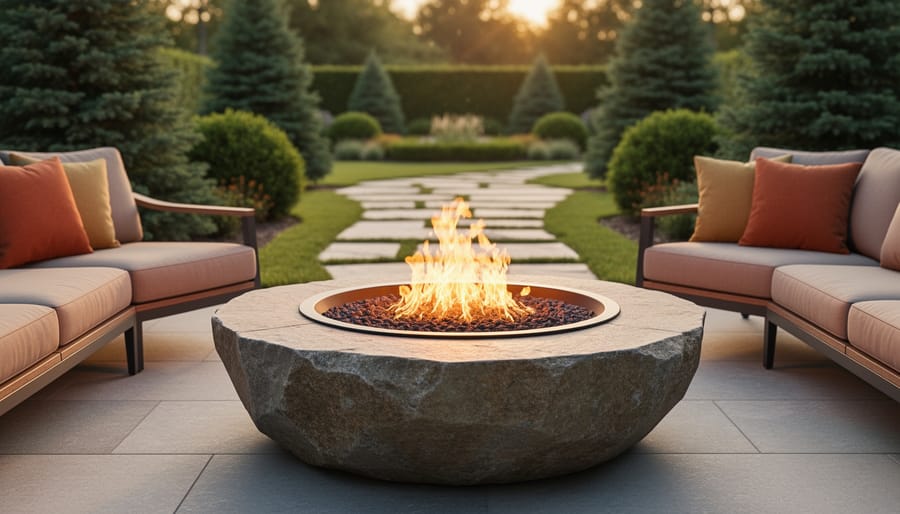
Consider positioning your cooking station near an outdoor fireplace or fire pit. This arrangement extends your outdoor season by providing warmth during cooler evenings while you prepare meals. The ambient glow from your fire feature creates a restaurant-quality atmosphere right in your backyard, transforming ordinary dinners into memorable experiences.
When planning your layout, maintain safe clearances between active cooking surfaces and seating areas around fire features. Aim for at least six to eight feet of separation to ensure comfortable movement and proper ventilation. Many homeowners find that arranging their gas stove and fire pit in an L-shape or parallel configuration maximizes both functionality and conversation flow.
This integrated approach also makes entertaining effortless. While your main course simmers on the stove, guests can gather around the fire pit for appetizers and conversation. The shared gas line connection often means simpler installation and lower overall costs compared to separate propane systems, plus you’ll enjoy the eco-friendly benefits of clean-burning natural gas across your entire outdoor space.
Building Your Dream Outdoor Kitchen
Imagine stepping outside to a fully equipped outdoor kitchen where cooking becomes an experience rather than a chore. A natural gas stove serves as the centerpiece of your dream outdoor cooking space, transforming your backyard into a true extension of your home’s living areas. Think beyond the basic grill—consider building a complete outdoor kitchen island that includes your gas stove alongside built-in countertops, storage cabinets, and even a small refrigerator.
The beauty of natural gas is that it can fuel multiple appliances simultaneously, so you might add a side burner for sauces, a warming drawer, or even an outdoor pizza oven. This creates a cohesive cooking station where you can prepare entire meals without running back inside. Design your space to encourage gathering—add bar seating around your kitchen island, incorporate ambient lighting for evening entertaining, and position your cooking area to face your patio or garden so the chef never feels isolated from guests.
From an eco-friendly perspective, natural gas outdoor kitchens offer cleaner burning than charcoal options while providing the convenience of instant heat control. Plus, when you invest in quality materials and proper installation, your outdoor kitchen becomes a lasting lifestyle element that adds both functionality and value to your home for years to come.
Investing in a natural gas stove for your outdoor space isn’t just about adding another cooking appliance—it’s about transforming how you experience your backyard. These versatile cooking solutions bring together the convenience of instant-on heat, the reliable performance you can count on for any meal, and the eco-friendly benefits that come with cleaner-burning natural gas. Whether you’re hosting weekend gatherings or simply enjoying quiet weeknight dinners under the stars, an outdoor natural gas stove elevates your cooking experience while reducing your environmental footprint.
The beauty of natural gas outdoor stoves lies in their ability to seamlessly blend into your lifestyle. No more wrestling with propane tanks or waiting for charcoal to reach the perfect temperature. With a permanent gas line connection, you’ll have unlimited fuel at your fingertips, ready whenever inspiration strikes. This combination of practical convenience and sustainable heating makes natural gas stoves a smart choice for homeowners who value both efficiency and environmental responsibility.
Ready to make the leap? The next step is connecting with a qualified professional installer who can assess your outdoor space, ensure proper gas line installation, and help you select the perfect setup for your needs. Take time to plan your outdoor cooking area thoughtfully, considering everything from placement and ventilation to complementary features that will make your backyard the gathering place you’ve always envisioned. Your outdoor cooking transformation awaits—and it starts with a simple conversation with the right expert.