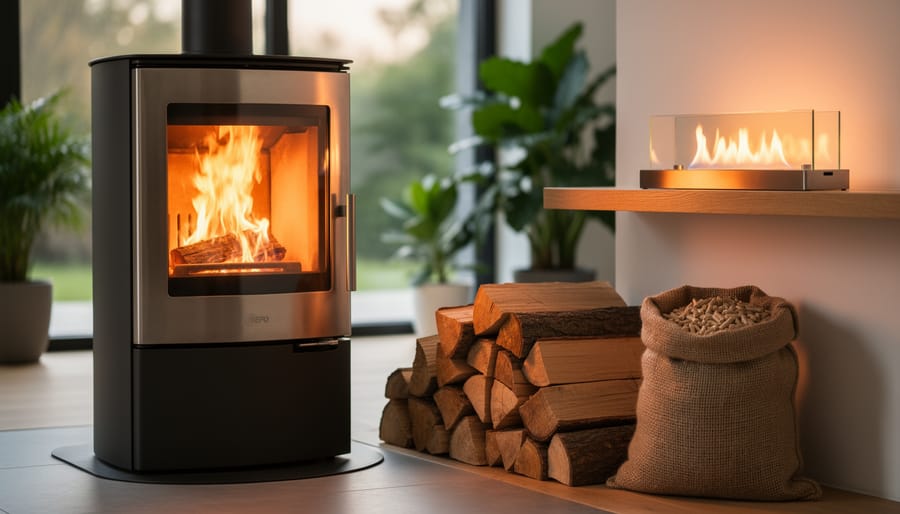


Choose fireplace fuels that regenerate naturally within a human lifetime rather than depleting finite resources. Wood from responsibly managed forests, bioethanol derived from plant materials, and wood pellets made from compressed sawdust all qualify as renewable options that can replenish themselves when sourced properly.
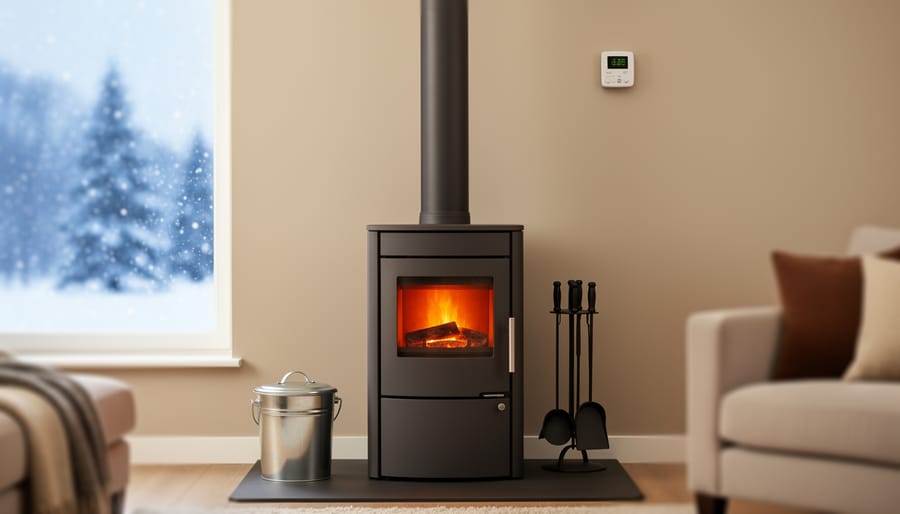
Prioritize fuels that minimize air pollution and carbon emissions during burning. Modern EPA-certified wood stoves and clean-burning bioethanol fireplaces produce significantly fewer particulates and toxins than traditional open hearths, protecting both indoor air quality and the broader environment. The combustion efficiency of your chosen fuel directly impacts how much smoke, creosote, and greenhouse gases enter your home and atmosphere.
Source your heating materials locally whenever possible to reduce transportation emissions and support regional economies. Buying firewood from nearby suppliers cuts down the carbon footprint associated with long-distance hauling, while locally produced wood pellets eliminate the environmental cost of cross-country shipping. This geographical consideration often gets overlooked but represents a substantial component of a fuel’s overall sustainability profile.
Evaluate the energy output per unit to ensure you’re getting maximum heat from minimum resources. High-efficiency fuels burn longer and hotter, meaning you’ll consume less material overall to maintain comfortable temperatures. Seasoned hardwoods, premium wood pellets, and quality bioethanol all deliver superior BTU ratings compared to their lower-grade counterparts, translating to both environmental benefits and cost savings over time.
Understanding these four fundamental characteristics empowers you to transform your fireplace from a simple heat source into an environmentally conscious lifestyle choice that doesn’t compromise on warmth or ambiance.
What Makes a Fireplace Fuel Truly Sustainable?
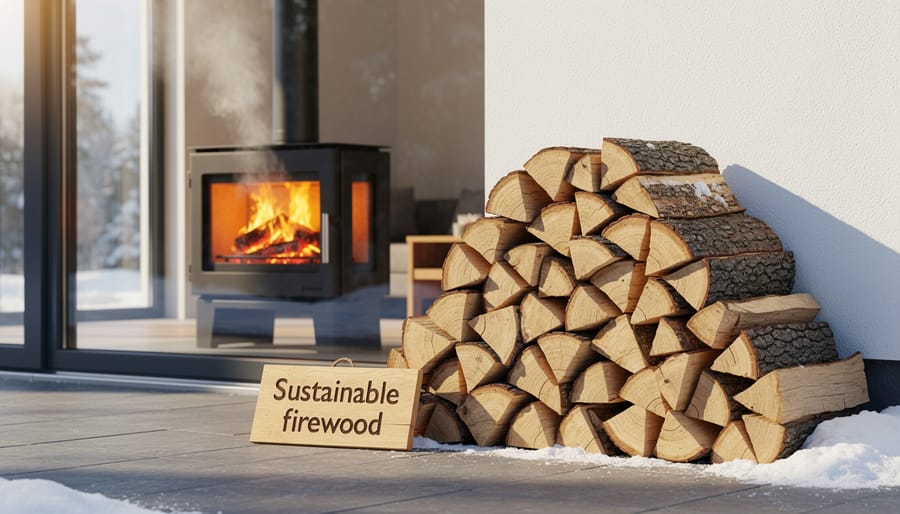
The Three Pillars of Sustainable Fuel
When choosing the right fuel for your fireplace, it’s helpful to think about sustainability through three interconnected pillars that work together to create a truly responsible heating solution.
The environmental pillar focuses on the fuel’s impact on our planet. A sustainable fireplace fuel should produce minimal air pollution, release low levels of greenhouse gases, and come from renewable sources that can regenerate naturally. For instance, properly seasoned firewood from responsibly managed forests replenishes itself over time, while recycled bio-bricks made from compressed sawdust give new life to waste materials. Consider how your fuel choice affects both indoor air quality and the broader environment beyond your home.
The economic pillar examines long-term affordability and value. Sustainable fuels shouldn’t break the bank or require expensive infrastructure changes. Look for options that are cost-effective over time, readily available in your area, and efficient enough to heat your space without constant refueling. Local sourcing often means lower transportation costs and more stable pricing, making your cozy fires easier on your wallet throughout the heating season.
The social pillar considers community and ethical impacts. This means choosing fuels that support local economies, ensure fair labor practices, and maintain traditional heating methods that connect us to our heritage. When you purchase locally harvested wood from nearby suppliers, you’re investing in your community while reducing the carbon footprint associated with long-distance fuel transportation. Together, these three pillars help you make choices that warm your home while respecting people and planet alike.
Renewable and Regenerative: Fuels That Keep Giving
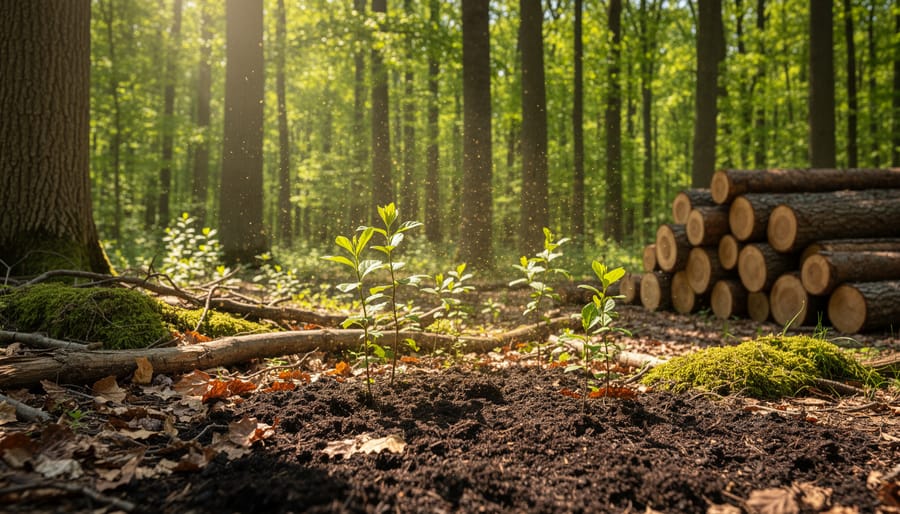
Sustainably Harvested Firewood
When selecting firewood for your home, choosing sustainably harvested wood is one of the most responsible decisions you can make. Unlike fossil fuels, wood qualifies as one of the renewable fuel sources when managed properly through responsible forestry practices.
Look for firewood certified by organizations like the Forest Stewardship Council (FSC) or the Sustainable Forestry Initiative (SFI). These certifications guarantee the wood comes from forests managed with environmental health in mind, where trees are selectively harvested and new growth is continuously encouraged. This approach maintains forest ecosystems rather than depleting them.
The best practice is sourcing wood locally, ideally within 50 miles of your home. Local sourcing reduces transportation emissions and supports your community’s economy. Many areas have tree service companies that repurpose wood from tree removals, storm damage, or land clearing projects that would otherwise become landfill waste.
Consider buying from suppliers who can tell you exactly where your wood originated. Reputable dealers should happily share information about their sourcing practices. You might also explore collecting fallen wood from your own property or participating in community wood collection programs.
By choosing certified, locally sourced firewood, you’re not just heating your home efficiently but actively participating in a cycle that supports forest regeneration and environmental stewardship.
Bioethanol: The Renewable Alternative
Bioethanol represents one of the most exciting developments in eco-friendly fireplace fuel, offering a clean-burning alternative that ticks all the boxes for sustainability. This remarkable fuel is produced from plant materials like corn, sugarcane, and agricultural waste through a fermentation process—similar to how we make beer, actually! The beauty of bioethanol lies in its renewable credentials: as long as we can grow crops, we can produce this fuel.
What makes bioethanol particularly appealing for your home is its circular nature. Plants absorb carbon dioxide as they grow, which means the CO2 released when burning bioethanol was already part of the natural carbon cycle. You’re essentially releasing carbon that was captured just months earlier, rather than fossil carbon that’s been locked underground for millions of years.
For fireplace enthusiasts, bioethanol offers a practical advantage too—it burns cleanly without producing smoke, ash, or soot, making it perfect for ventless fireplaces and modern designs. The plants used for production grow back season after season, ensuring a continuous supply that doesn’t deplete Earth’s resources. This renewable characteristic makes bioethanol a smart choice for homeowners who want to enjoy cozy flames while staying committed to environmental responsibility.
Low Environmental Impact: What Your Fireplace Leaves Behind
Understanding Emissions and Indoor Air Quality
When you settle in for a cozy evening by the fire, you probably aren’t thinking about what’s happening to the air you’re breathing. But the fuel you choose for your fireplace has a direct impact on both your indoor air quality and the environment beyond your walls.
Traditional wood burning releases particulate matter and carbon monoxide into your home, especially if your chimney isn’t properly maintained or your wood hasn’t been seasoned correctly. These tiny particles can irritate your lungs and aggravate respiratory conditions. Outside, wood smoke contributes to regional air pollution and releases stored carbon back into the atmosphere.
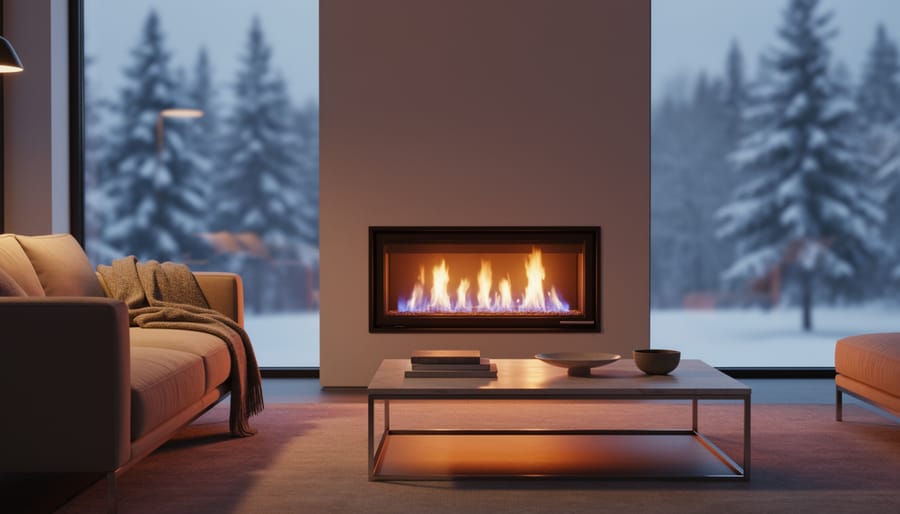
Natural gas burns cleaner than wood, producing fewer visible emissions and less indoor pollution. However, it still releases carbon dioxide and, if your system has leaks, methane can escape into your home and the environment.
Sustainable alternatives like bioethanol and compressed wood pellets offer the warmth you love with significantly reduced emissions. Bioethanol burns cleanly with minimal smoke, while modern pellet stoves use advanced combustion technology to maximize efficiency and minimize harmful byproducts.
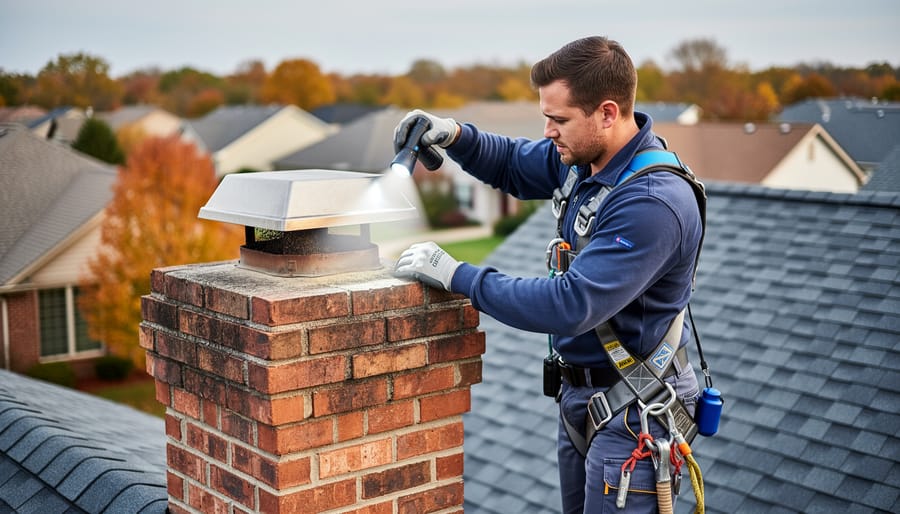
The key is proper ventilation regardless of your fuel choice. Ensure your fireplace has adequate airflow and your chimney or venting system receives regular professional inspection. This simple step protects your family’s health while maintaining the ambiance that makes your fireplace the heart of your home.
The Carbon Neutral Question
When we talk about carbon neutrality in fireplace fuels, we’re asking a crucial question: does burning this fuel add more carbon dioxide to the atmosphere than nature can naturally reabsorb? This is where wood and sustainably harvested biomass shine as truly renewable options.
Here’s why wood is considered carbon neutral: trees absorb carbon dioxide as they grow, storing it in their wood. When you burn that wood in your fireplace, you’re essentially releasing the same carbon the tree captured during its lifetime. If new trees are planted to replace what’s harvested, the cycle continues without adding net carbon to our atmosphere.
Compare this to fossil fuels like natural gas or propane. These release carbon that’s been locked underground for millions of years, adding to atmospheric carbon levels with no natural offset. Every time you burn fossil fuels, you’re contributing to climate change.
However, wood’s carbon neutrality depends on responsible forestry practices. Clearcutting forests without replanting breaks the cycle. That’s why choosing wood from certified sustainable sources matters so much for your home’s environmental footprint. When you select properly sourced firewood or wood pellets, you’re making a genuinely sustainable choice that keeps your home cozy while respecting our planet’s delicate carbon balance.
Local Sourcing: The Hidden Sustainability Champion
Finding Local Fireplace Fuel Suppliers
Finding the right local wood supplier can transform your fireplace experience while supporting sustainable practices in your community. Start by asking potential suppliers about their wood sourcing methods. Responsible suppliers should clearly explain where their wood comes from and whether it’s harvested using sustainable forestry practices.
Look for certifications that matter. The Forest Stewardship Council (FSC) or Sustainable Forestry Initiative (SFI) certifications indicate that wood comes from responsibly managed forests. These labels give you confidence that your cozy fires aren’t contributing to deforestation.
Ask about moisture content, which directly affects burning efficiency and emissions. Well-seasoned firewood should have a moisture content below 20 percent. Reputable suppliers will gladly test their wood in front of you using a moisture meter.
Don’t hesitate to inquire about wood storage and seasoning times. Quality suppliers properly store their wood for at least six months to a year before selling. They should also offer guidance on proper wood storage at your home.
Consider visiting the supplier’s operation if possible. This gives you insight into their practices and allows you to inspect the wood quality firsthand. Local suppliers who welcome visits typically have nothing to hide and take pride in their sustainable approach to providing your home with eco-friendly warmth.
Efficiency and Energy Output: Getting More From Less
Seasoned Wood vs. Green Wood: Why It Matters
When it comes to burning wood in your fireplace, not all logs are created equal. The difference between seasoned and green wood dramatically impacts both efficiency and sustainability—two hallmarks of responsible heating.
Green wood, freshly cut with high moisture content, burns poorly and incompletely. It produces excessive smoke, releases more particulates into the air, and generates significantly less heat per log. You’ll find yourself burning through your wood pile faster while creating more pollution—the opposite of sustainable practice.
Seasoned wood, dried for at least six months to a year, burns cleaner and hotter. With moisture content below 20%, it ignites easily, produces minimal smoke, and extracts maximum energy from each piece. This efficiency means you use less wood overall, reducing your environmental footprint while enjoying better warmth.
Choosing properly seasoned quality fireplace fuel transforms your fireplace from an inefficient polluter into a genuinely sustainable heat source. It’s a simple preparation step that makes all the difference in your home’s comfort and your commitment to eco-friendly heating.
Sustainable Fuel Options for Every Fireplace Type
Wood-Burning Fireplaces: Best Sustainable Choices
When choosing wood for your fireplace, sustainability matters as much as the warmth you create. Hardwoods like oak, maple, and ash top the sustainability chart because they burn longer and cleaner than softwoods, producing more heat per log while releasing fewer emissions. These dense woods also create less creosote buildup, making them safer for your chimney and the environment.
Compressed logs manufactured from sawmill waste offer another eco-friendly option, earning high marks for repurposing materials that might otherwise end up in landfills. They burn consistently and produce minimal smoke, though they lack the authentic crackling ambiance of traditional logs.
Wood pellets deserve special mention as a premium sustainable choice. Made from compressed sawdust and wood shavings, they boast exceptional efficiency ratings and incredibly low moisture content, typically under 10 percent. This means more complete combustion and significantly reduced particulate emissions compared to traditional firewood.
For the most sustainable approach, source your wood locally to minimize transportation impact, and always choose seasoned wood with moisture content below 20 percent for optimal burning efficiency.
Gas Fireplaces: Weighing the Sustainability Factor
Gas fireplaces present a mixed sustainability picture. Natural gas, while cleaner-burning than oil or coal, remains a fossil fuel that releases carbon dioxide when burned. It’s finite, non-renewable, and contributes to greenhouse gas emissions. Propane shares similar characteristics, though it often requires longer transportation distances, increasing its carbon footprint.
However, the sustainability equation is shifting. Renewable natural gas, derived from organic waste sources like landfills and agricultural operations, offers a promising alternative. This biogas captures methane that would otherwise escape into the atmosphere and repurposes it as fuel. When you’re choosing a gas fireplace, consider its efficiency rating—higher efficiency means less fuel consumption and lower emissions. Modern units with sealed combustion systems and electronic ignition offer significant improvements over older models. While gas isn’t the greenest option available, strategic choices about equipment efficiency and exploring renewable gas suppliers where available can minimize environmental impact while maintaining the convenience and ambiance you love.
Bioethanol: The Modern Sustainable Option
Bioethanol has become a popular fuel choice for ventless fireplaces, and for good reason. This plant-based alcohol fuel checks many sustainability boxes that eco-conscious homeowners appreciate. Made from renewable crops like corn, sugarcane, and wheat, bioethanol naturally replenishes itself through agricultural cycles. When it burns, it releases minimal pollutants and produces carbon dioxide at levels comparable to what the original plants absorbed during growth, creating a relatively balanced carbon cycle.
For your home, this means enjoying real flames without the guilt of fossil fuel consumption. Bioethanol fireplaces require no chimney or venting system, making them incredibly efficient since all the heat stays in your room. The fuel burns cleanly, leaving no ash, soot, or residue to clean up. While it’s not perfectly carbon-neutral due to processing and transportation, bioethanol represents a significant step toward sustainable home heating that doesn’t compromise on ambiance or warmth.
Red Flags: Unsustainable Fuels to Avoid
Not all fireplace fuels deserve a place in your home, especially if you’re committed to sustainable heating. Let’s talk about what to skip when selecting fuel for your fireplace.
Treated or painted wood tops the list of materials to avoid. While that old fence or furniture scraps might seem like free fuel, burning them releases toxic chemicals into your home and atmosphere. The preservatives, paints, and coatings create harmful emissions that compromise both indoor air quality and environmental health.
Coal alternatives marketed as eco-friendly sometimes miss the mark entirely. Petroleum-based fire logs wrapped in plastic packaging or compressed products with synthetic binders may burn conveniently, but they often contain fossil fuels and non-renewable components that contradict sustainability principles.
Construction debris and pressure-treated lumber present similar concerns. These materials contain adhesives, varnishes, and chemical treatments that become airborne pollutants when burned. Your cozy fire shouldn’t come at the cost of your family’s health or the environment.
Wood from unknown sources raises red flags too. Without knowing the harvesting practices, you can’t verify whether the wood comes from sustainable forests or contributes to deforestation. Transportation from distant locations also adds unnecessary carbon emissions to your fuel choice.
Artificially scented fire logs might smell wonderful, but many contain synthetic fragrances and chemical additives that reduce their sustainability credentials. The best fireplace fuels let natural wood aromas create ambiance without artificial enhancements.
When choosing fireplace fuel, remember that true sustainability means considering the complete lifecycle, from sourcing through combustion and beyond.
Making the Switch: Your Action Plan for Sustainable Fireplace Heating
Ready to transform your fireplace into a more sustainable heat source? The transition doesn’t have to happen overnight. Start by assessing your current fuel inventory and what you’ll need for the coming season. If you’re burning traditional cordwood, consider switching to seasoned hardwoods from local suppliers, which burn more efficiently and produce less smoke than softwoods or purchased bundles.
For those looking to make a bigger change, research sustainable options like wood pellets, bioethanol, or even renewable briquettes made from agricultural waste. These alternatives often provide cleaner burns and more consistent heat output. Schedule a professional inspection of your fireplace or stove to ensure it’s operating at peak efficiency, as even the most sustainable fuel won’t perform well in a poorly maintained system.
Budget considerations matter, so plan your transition strategically. Buy sustainable fuels in bulk during off-season months when prices typically drop. If you’re considering equipment upgrades like a high-efficiency insert or pellet stove, look into available tax credits and rebates for energy-efficient home improvements.
Start small by mixing sustainable fuels with your current supply, gradually increasing the proportion as you become comfortable with performance and costs. Keep a burning journal to track efficiency, heat output, and fuel consumption, helping you make informed decisions for next season.
Choosing sustainable fuel for your fireplace isn’t just an environmental decision—it’s an investment in creating a truly warmer home. When you select renewable, low-impact fuels that burn efficiently, you’re doing more than heating your living space. You’re crafting an environment where physical comfort meets peace of mind, knowing that every cozy evening by the fire aligns with your values and contributes to a healthier planet.
The beauty of sustainable fireplace fuels is that they don’t ask you to compromise. Modern eco-friendly options like seasoned hardwood, sustainably sourced wood pellets, and bioethanol deliver the warmth and ambiance you love while reducing your carbon footprint and improving indoor air quality. These choices also enhance your home’s value, as energy-efficient and environmentally responsible features increasingly matter to today’s buyers.
Taking the first step is simpler than you might think. Start by evaluating your current fuel source against the characteristics we’ve discussed: Is it renewable? Does it produce minimal emissions? Can you source it locally? Does it burn efficiently? Even small changes, like switching to properly seasoned wood or upgrading to EPA-certified equipment, make a meaningful difference.
Your fireplace can be both a gathering place for loved ones and a reflection of your commitment to sustainable living. As you move forward, remember that every fire you light with sustainable fuel sends warmth into your home and hope into the future—proving that comfort and responsibility can burn brightly together.