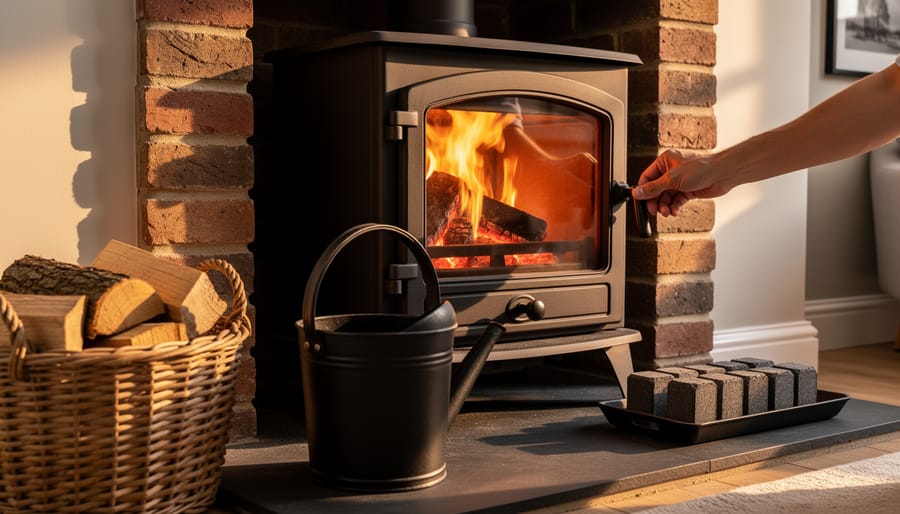


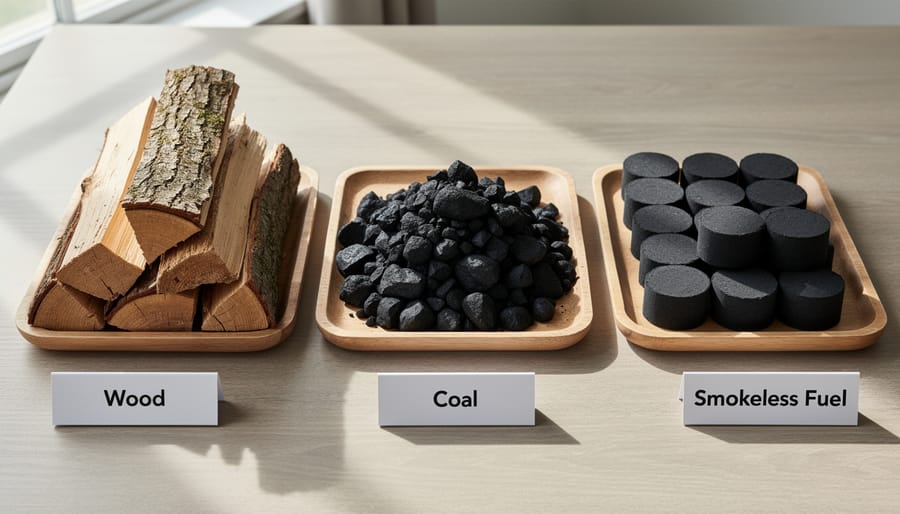
Master your multi-fuel stove by understanding your fuel options first. Wood burns hot and creates that authentic crackling ambiance, but requires more frequent refueling and cleaning. Coal delivers longer burn times and intense heat output, making it ideal for overnight heating, though it needs proper ventilation and a deeper fire bed. Smokeless fuels offer the cleanest burn with minimal ash residue, perfect for smoke-control areas while maintaining steady temperatures throughout the day.
Control airflow to optimize every fuel type’s performance. Open primary air vents fully when burning wood to feed oxygen directly to the flames, creating that vibrant fire you want. Switch to secondary air vents for coal and smokeless fuels, directing oxygen above the fuel bed where these denser materials release gases that need burning. This single adjustment transforms your stove’s efficiency and prevents wasted fuel.
Build your fire according to what you’re burning. Layer newspaper and kindling in a pyramid for wood fires, allowing air circulation from beneath. Create a solid base of wood first when using coal, then add coal gradually once established, never smothering the initial flames. For smokeless fuels, build a smaller, concentrated fire in the center of your grate rather than spreading fuel edge-to-edge.
Clean between fuel changes to prevent performance issues and extend your stove’s lifespan. Different fuels leave distinct ash types that can block airways or create corrosive buildup when mixed. This simple maintenance habit ensures your multi-fuel stove delivers reliable warmth and eco-friendly heating efficiency season after season, regardless of which fuel best suits your needs and budget.
What Makes Multi-Fuel Stoves Different from Wood Stoves
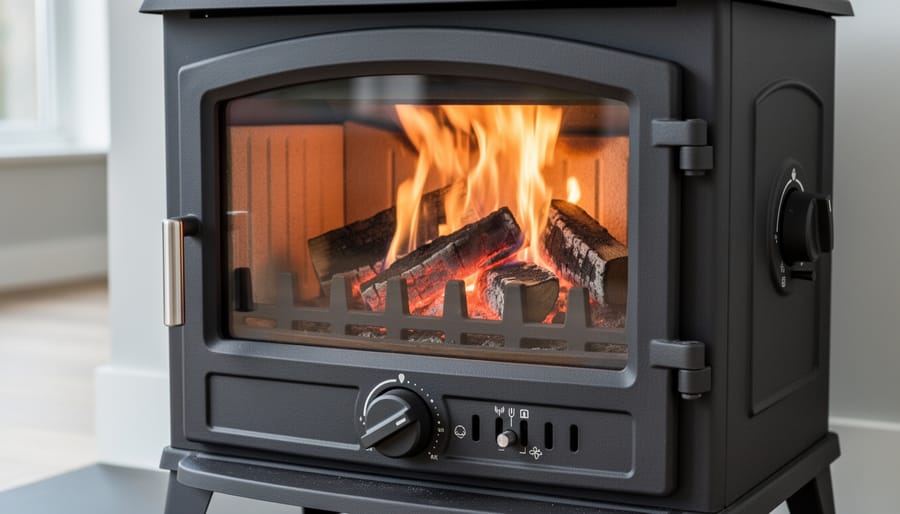
If you’re familiar with how wood stoves work, you might wonder what sets multi-fuel stoves apart. While they may look similar from the outside, these versatile heating solutions incorporate clever design features that make all the difference in what you can burn and how efficiently your stove performs.
The most distinctive feature is the riddling grate system. Unlike wood stoves that typically have a flat base or fixed grate, multi-fuel stoves include a movable grate with a handle you can operate from outside the firebox. This ingenious system lets you shake ash down into a collection pan below while keeping your fuel burning above. It’s particularly important when burning coal or smokeless fuels, which produce more ash than wood and need this circulation to maintain proper airflow.
Speaking of airflow, multi-fuel stoves feature more sophisticated air control systems. While wood stoves primarily control air from above the fuel, multi-fuel models offer both primary air controls below the grate and secondary controls above. This flexibility matters because different fuels burn best with air delivered in different ways. Coal needs air from below to burn through its dense structure, while wood prefers air from above for a cleaner, more complete burn.
The fuel chamber itself is designed differently too. Multi-fuel stoves typically have deeper fireboxes with more robust construction to handle the intense heat that coal and other solid fuels generate. The materials used can withstand higher temperatures for longer periods, giving you confidence whether you’re burning seasoned hardwood on a crisp autumn evening or switching to coal during a harsh winter freeze.
These design differences translate into real-world flexibility for your home heating. You’re not locked into a single fuel source, which means you can adapt to fuel availability, seasonal price changes, or simply choose the most eco-friendly option for your needs at any given time. This versatility makes multi-fuel stoves an increasingly popular choice for homeowners seeking both comfort and practical heating solutions.
The Fuels You Can Actually Burn (And Which Ones Work Best)
Wood: Your Most Versatile Option
Wood remains the classic choice for multi-fuel stoves, offering that authentic crackling ambiance and impressive heat output when burned correctly. The secret to success lies in moisture content. Your firewood should be seasoned to around 20% moisture or less, which typically takes 12-18 months of proper outdoor storage. Stack your wood in a sunny, well-ventilated spot, raised off the ground and covered on top while leaving the sides exposed for airflow.
When loading your stove, arrange logs loosely to allow oxygen circulation between them. Start with smaller pieces to establish your fire, then add larger splits once you’ve got a good ember bed. Well-seasoned hardwoods like oak, ash, or maple deliver the best heat output and longer burn times compared to softwoods, though softwoods work great for kindling.
You’ll know your wood is properly seasoned when the ends show cracks, it feels lightweight, and produces a sharp hollow sound when two pieces knock together. Burning wet wood not only produces minimal heat but creates excessive smoke, dangerous creosote buildup, and wastes this renewable resource. With proper preparation, wood burning becomes both an eco-friendly heating solution and a rewarding ritual that connects you to traditional home warmth.
Coal and Smokeless Fuels: Maximum Heat Output
Coal delivers impressive heat output that wood simply can’t match, making it an excellent choice for those bitterly cold winter nights when you need maximum warmth. However, burning coal in stoves requires understanding both proper technique and current regulations.
Start by ensuring your multi-fuel stove has a riddling grate, which allows ash to fall through while keeping coal elevated for proper airflow. Build a small wood fire first, then add coal gradually once you have a solid bed of embers. Coal needs air from below to burn efficiently, so keep the bottom vent open and the top vent partially closed, opposite to wood burning technique.
Smokeless fuels have become increasingly important as many urban areas now enforce smoke control zones. These processed fuels burn cleaner than traditional coal while still providing excellent heat output. Check your local regulations before purchasing coal, as you may be required to use only approved smokeless alternatives.
Coal makes the most sense when you need sustained, intense heat over long periods. It burns slower and hotter than wood, perfect for overnight heating or during extreme cold snaps, though it does require more active management than wood.
Peat and Turf: Traditional Options
Peat and turf offer a glimpse into traditional heating practices still cherished in regions like Ireland, Scotland, and parts of Scandinavia. If you live in these areas or have access to locally harvested peat, your multi-fuel stove can burn this fuel effectively, though it requires understanding its unique characteristics.
Peat burns slowly with a distinctive earthy aroma, producing steady, moderate heat rather than the intense flames you’d get from wood or coal. It needs a good bed of established fire before adding peat blocks, as they can smother flames if added too early. Stack them loosely to allow airflow, and expect lower temperatures compared to other fuels.
The environmental picture is complex. While peat is technically renewable, it regenerates extremely slowly—taking centuries to form. Harvesting disrupts vital ecosystems and releases stored carbon, making it less eco-friendly than truly sustainable options like properly sourced wood. Many regions now restrict or discourage peat extraction for these reasons.
If you’re considering peat, source it responsibly from licensed suppliers and use it sparingly as part of a mixed fuel approach rather than your primary heating source.
What Never to Burn
Your multi-fuel stove is versatile, but some materials should never make their way into the firebox. Understanding what not to burn protects both your health and your stove investment.
Treated or painted wood releases toxic chemicals when burned, including arsenic and other heavy metals that become airborne in your home. Similarly, plywood and particle board contain glues and resins that produce harmful fumes and excessive creosote buildup.
Plastics, rubber, and household waste create dangerous toxins and acrid smoke while damaging your stove’s internal components. These materials burn at inconsistent temperatures and leave behind corrosive residues that corrode metal surfaces.
Coal and wood should never be burned simultaneously, as they require different air settings and burn at incompatible rates. Wet or green wood produces excessive smoke, minimal heat, and accelerates creosote accumulation in your flue system.
Stick to approved, seasoned fuels to maintain your stove’s efficiency, protect your family’s health, and ensure your heating system operates safely for years to come.
Setting Up Your Multi-Fuel Stove for Different Fuels
Preparing for Wood Burning
Getting your multi-fuel stove ready for wood burning is simpler than you might think, and it’s a wonderful way to create that authentic crackling fire experience while keeping your home cozy and warm.
Start by adjusting your grate to the upper position if your stove has this feature. Wood burns best when it sits on a flat bed rather than falling through gaps designed for coal. This simple adjustment makes all the difference in how efficiently your wood fuel performs.
Next, open both your primary air vent (usually located below the door) and secondary air vent (typically above) fully before lighting. Wood needs plenty of oxygen to ignite properly and establish a good burn. Once your fire is going strong, you’ll gradually reduce the primary vent while keeping the secondary vent open to maintain that clean, efficient burn.
When loading wood, think small to start. Use dry kindling and arrange it loosely in a crisscross pattern to allow air circulation. Once established, add larger logs but avoid the temptation to pack them tightly. Wood needs breathing room. Place logs toward the back of the firebox for optimal airflow and performance. Remember, seasoned wood with moisture content below twenty percent burns cleanest and produces the most heat, making it both an eco-friendly and effective heating solution.
Switching to Coal or Smokeless Fuels
Switching from wood to coal or smokeless fuels transforms your multi-fuel stove into a powerful, long-lasting heat source perfect for overnight burning. Start by adjusting your riddling grate to the closed position, which provides the solid base coal needs to build its characteristic deep bed. Unlike wood, coal thrives on air from below, so open your bottom air vent fully while closing the top vent to about quarter-open.
Begin with a well-established wood fire as your foundation. Once you have glowing embers, add small amounts of coal gradually, allowing each layer to catch before adding more. This patient approach prevents smothering your fire and helps avoid those frustrating cold spots. Your goal is building a coal bed about three to four inches deep, which creates the intense, radiant heat coal is famous for.
Smokeless fuels follow similar principles but ignite more readily than traditional coal, making them an excellent eco-friendly choice for smoke-control areas. They produce less ash and burn cleaner, aligning beautifully with sustainable home heating practices. Once your coal bed glows steadily, you’ll enjoy consistent warmth for hours with minimal attention, transforming your living space into a cozy haven while reducing your environmental footprint.
The Right Way to Switch Between Fuel Types
Switching between fuel types in your multi-fuel stove isn’t as simple as tossing in different materials and lighting a match. Think of it as giving your stove a fresh start to ensure optimal performance and safety with each fuel change.
The golden rule is cleanliness. Before switching fuels, let your stove cool completely and remove all ash and debris from the previous fuel. Wood ash and coal clinker behave differently, and mixing them can restrict airflow and reduce efficiency. Use a stiff brush to clean the grate and firebox thoroughly, creating a clean slate for your new fuel.
Timing matters more than you might think. If you’re moving from coal to wood, consider doing a hot burn with wood first to help clear any remaining coal residue from the flue. The opposite transition, wood to coal, requires building your coal fire gradually on top of an established wood base.
A common mistake is forgetting to adjust your air controls when switching fuels. Coal needs bottom air through the grate, while wood thrives on top air. Leaving settings unchanged from your previous fuel type will lead to poor burns and wasted energy. Taking these few extra minutes to properly transition between fuels will reward you with cleaner, more efficient fires and a longer-lasting stove that’s kinder to both your wallet and the environment.
Mastering the Air Controls: Your Key to Efficient Burning
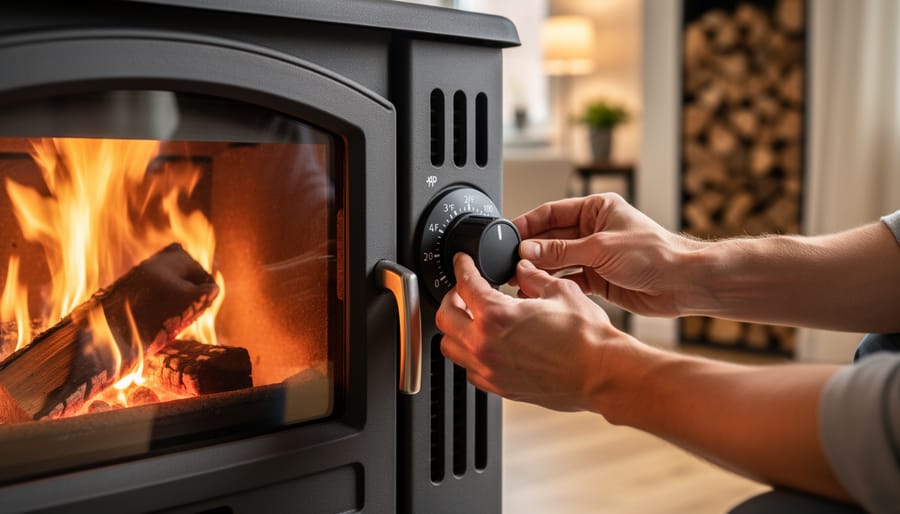
Understanding your multi-fuel stove’s air controls transforms the experience from guesswork into precision heating. Think of these controls as the throttle and choke on your stove, working in harmony to create the perfect burn for whatever fuel you’re using.
Your stove features two distinct air control systems, each with its own crucial role. The primary air control, typically located at the bottom or front of your stove, feeds oxygen directly to the fuel bed. This is your go-to control when burning coal or getting any fire started, as it delivers air right where combustion begins. The secondary air control, usually positioned higher up, introduces pre-heated air above the flames. This system is essential for burning wood cleanly and maintaining that mesmerizing dance of flames across your glass door.
Here’s where the magic happens: different fuels demand different approaches. When burning wood, you’ll rely heavily on secondary air, keeping it relatively open while closing the primary air down once your fire is established. This setup promotes complete combustion of the wood gases, reducing smoke and maximizing heat output. Coal, however, needs that primary air wide open to breathe through the fuel bed, with secondary air playing a supporting role.
Getting your air vent settings right takes a bit of practice, but the visual cues are your friends. A lazy, smoky fire means you’re starving it of oxygen, while flames that roar aggressively suggest you’re feeding it too much air too quickly. The sweet spot produces steady, lively flames with minimal smoke, especially once your stove reaches operating temperature.
Common airflow problems often have simple solutions. If smoke puffs back into your room when opening the door, crack it slowly and ensure your chimney is warm enough to draw properly. Black glass that won’t stay clean usually signals insufficient secondary air or wet fuel. Conversely, if your fuel burns through too quickly, you’re likely being too generous with air supply.
Remember, your stove’s air controls aren’t just about efficiency; they’re your pathway to creating that cozy, eco-friendly warmth that transforms your house into a home. Master these controls, and you’ll enjoy consistent comfort while minimizing emissions and fuel consumption.
Lighting and Maintaining Your Fire Throughout the Day
The Fail-Proof Lighting Method
Getting your multi-fuel stove lit properly the first time makes all the difference between a cozy evening and a frustrating experience. The secret lies in understanding how air flows through your stove and building your fire in layers.
Start by opening both the primary air control at the bottom and any secondary air vents fully. This creates maximum airflow for ignition. Place two firelighters or a generous handful of crumpled newspaper at the base of your firebox, spacing them slightly apart rather than bunching them together.
Next, arrange your kindling in a loose crisscross pattern over the firelighters. Think Lincoln Logs rather than a tight bundle. Use small, dry sticks about pencil-thickness, creating at least three layers. This open structure allows oxygen to circulate freely, which is essential for those first critical flames.
Add several slightly larger pieces of wood on top, no thicker than your thumb. Light the firelighters from multiple spots and close the door, leaving it slightly ajar if your stove allows. Once the kindling is burning vigorously with lively flames, typically after three to five minutes, add your first load of fuel. Whether you’re using coal, wood, or smokeless fuel, remember that patience during these initial stages creates the strong foundation your fire needs to burn efficiently all evening long.
Keeping Your Fire Going Strong
Mastering the art of keeping your fire burning steadily transforms your multi-fuel stove from a simple appliance into a reliable heat source that works as hard as you need it to. The key lies in understanding when and how to add fuel without disrupting the burn.
Timing is everything when refueling. Wait until your fuel bed has burned down to a glowing ember base, typically about one-third of its original depth. This creates the perfect foundation for fresh fuel. Open the air vents fully before adding fuel to prevent smoke from entering your room, and always add fuel gradually rather than dumping large amounts at once.
For consistent daytime heating, adopt the “little and often” approach. Adding smaller quantities of fuel every couple of hours maintains steady temperatures and prevents the roller-coaster effect of blazing hot periods followed by chilly lulls. This method also promotes cleaner, more efficient combustion, reducing your environmental footprint while maximizing your fuel investment.
Overnight burning requires a different strategy. Build up a substantial bed of wood coals in the evening, then add densely-packed smokeless fuel or anthracite. Close down the air vents to about one-quarter open, creating a slow, controlled burn that radiates gentle warmth throughout the night. You’ll wake to a welcoming glow rather than a cold stove.
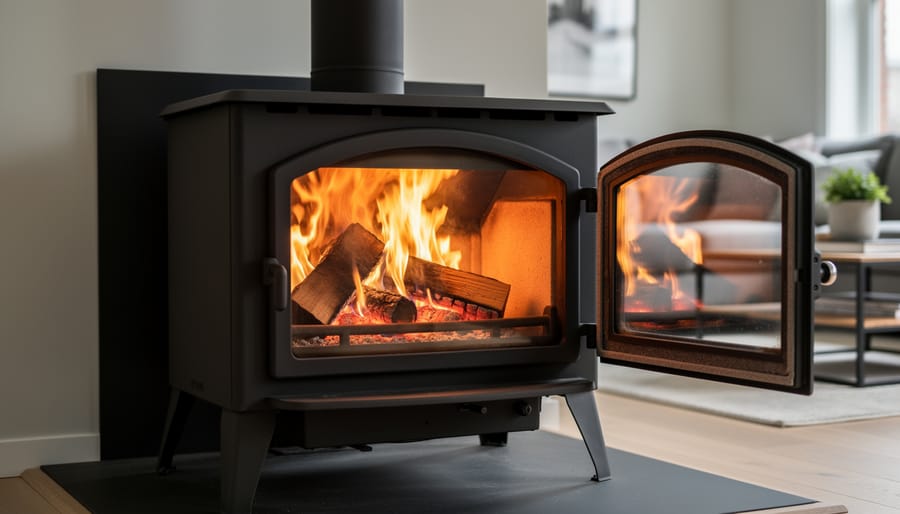
Safe Shutdown and Ash Management
Letting your fire burn down naturally is the safest approach to shutdown. Simply stop adding fuel and allow the remaining material to burn completely to ash. Never douse flames with water, as this creates dangerous steam, damages your stove’s components, and can crack the firebox. If you need to extinguish quickly, close all air vents to starve the fire of oxygen, though this may take some time.
Your riddling grate is a clever tool for ash management. Give it a gentle shake once the fire dies down to sift ash into the collection pan below while keeping any live embers on top. Only remove ash when the stove is completely cold, ideally waiting 24 hours after your last fire. Store removed ash in a metal container with a tight-fitting lid, keeping it outside away from combustible materials for at least a week before disposal.
Regular ash removal improves airflow and efficiency, making cleaning your stove an essential part of maintaining that cozy, eco-friendly warmth you love.
Making Your Multi-Fuel Stove More Eco-Friendly
Your multi-fuel stove can be both a cozy heating solution and an environmentally responsible choice when you follow a few key practices. Let’s explore how to minimize your carbon footprint while keeping your home warm and inviting.
Start by choosing your fuels wisely. Seasoned hardwoods with moisture content below 20% burn cleaner and produce significantly fewer emissions than wet or softwood alternatives. When burning coal, opt for smokeless varieties, especially if you live in a smoke control area where traditional bituminous coal is restricted. These designated zones exist specifically to improve air quality, and it’s essential to check your local regulations before firing up your stove.
Your burning technique makes a substantial difference in environmental impact. Always build hot, efficient fires rather than letting your stove smolder. A low-burning fire creates more smoke and particulate matter while wasting fuel. Load your stove properly, maintain adequate airflow, and avoid overloading, which can choke the flames and increase emissions. Clean out ash regularly to ensure optimal air circulation and combustion efficiency.
Consider exploring carbon-neutral heating options to further reduce your environmental impact. Sustainably sourced wood pellets and briquettes made from compressed sawdust or recycled materials offer excellent alternatives. These products release only the carbon dioxide that the original plants absorbed during growth, creating a balanced cycle. Many manufacturers now produce eco-friendly fuel options specifically designed for cleaner burning.
Regular maintenance isn’t just about performance; it’s crucial for environmental responsibility too. A well-maintained stove with clean glass, clear airways, and an intact door seal operates more efficiently and produces fewer emissions. Have your chimney swept at least annually to prevent dangerous creosote buildup and maintain proper draft.
By combining smart fuel choices with proper burning techniques and regular maintenance, you’ll enjoy the warmth and ambiance of your multi-fuel stove while doing your part for the planet. It’s a win-win approach that benefits both your home and the environment.
Common Mistakes That Cost You Money and Warmth
Even the best multi-fuel stove won’t perform well if you’re making these surprisingly common mistakes. Let’s look at what could be draining your wallet and leaving you shivering.
Burning wet or unseasoned wood tops the list of costly errors. Wood with moisture content above 20% creates more smoke than heat, deposits creosote in your chimney, and wastes fuel. You’ll burn through logs twice as fast while getting half the warmth. The fix is simple: invest in a moisture meter and store wood in a covered, well-ventilated area for at least a year before burning. Your stove and your heating budget will thank you.
Overfiring might seem like a good way to generate more heat, but running your stove too hot damages internal components, warps metal parts, and can even crack the firebox. If your stove is glowing red, you’ve gone too far. This mistake shortens your stove’s lifespan considerably. Use a stove thermometer and follow manufacturer guidelines for safe operating temperatures.
Poor air control management wastes fuel and reduces efficiency dramatically. Many people leave air vents wide open throughout the burn or close them too soon. The key is adjusting airflow as your fire progresses: start with vents open for ignition, gradually reduce as flames establish, then fine-tune for optimal burn. This simple practice can improve efficiency by 30% or more.
Neglecting regular maintenance leads to diminished performance and potential safety hazards. Clean ash regularly, inspect door seals monthly, and schedule annual chimney sweeps. A degraded door seal alone can reduce efficiency by up to 25%, forcing you to burn more fuel for the same heat output.
Finally, using incompatible fuels damages your stove and voids warranties. Treated wood, household trash, or coal in wood-only models creates dangerous fumes and excessive temperatures. Always verify which fuels your specific model accepts and stick to them. Your stove’s longevity and your family’s safety depend on it.
Mastering your multi-fuel stove opens up a world of heating flexibility that few other home heating solutions can match. Whether you’re burning seasoned logs on a cozy winter evening, switching to smokeless coal for overnight warmth, or experimenting with eco-friendly briquettes, your stove adapts to your needs and circumstances. This versatility isn’t just convenient—it’s empowering. You’re no longer dependent on a single fuel source, giving you control over both your comfort and your heating costs.
The journey to becoming confident with your multi-fuel stove takes practice, but it’s well worth the effort. Don’t be afraid to experiment with different fuel combinations and techniques, always keeping safety at the forefront. Start with small amounts of new fuels, observe how your stove responds, and adjust your approach accordingly. Remember that every stove has its own personality, and what works perfectly for one might need tweaking for another.
Beyond the practical benefits, there’s something deeply satisfying about truly understanding your heating system. You’re not just pressing buttons or adjusting a thermostat—you’re actively engaging with a heating solution that connects you to the timeless comfort of fire. This hands-on approach to home heating transforms a simple appliance into a lifestyle element that enhances your daily living experience.
Keep your stove well-maintained, respect the guidelines for each fuel type, and enjoy the warmth, ambiance, and independence that comes with being a confident multi-fuel stove owner.